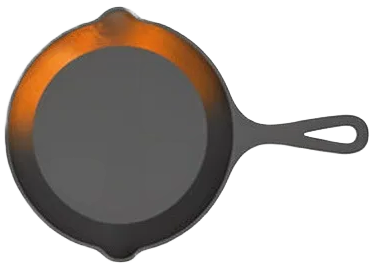
How Do You Remove Rust from Cast Iron Stoves and Other Surfaces?
Seeing that orange-brown bloom on your cast iron stove or pan can feel like a setback. Rust is a common fix, not a death sentence for your cookware.
- You’ll learn the safe, effective ways to scrub off rust using items you probably already own.
- I’ll walk you through handling light surface rust versus stubborn, pitted corrosion.
- We’ll cover the crucial step of re-seasoning to seal and protect the bare metal.
- I’ll share my own methods for preventing rust from ever coming back.
What You’ll Need to Get Started
Gathering the right tools before you start makes the job smoother and keeps your cast iron safe. You likely have most of these items already.
Abrasives
- Steel Wool (Grade #0 or #00): This is your primary tool for scrubbing off loose rust. It’s aggressive enough to work but gentle enough to avoid deep scratches on the iron.
- Scrub Brush (Nylon or Brass Bristle): A good brush helps clean out pores and hard-to-reach corners after the heavy rust is gone.
- Scouring Pad (Non-Soapy Type): Useful for lighter surface rust or for a final polish.
Think of abrasives as your sandpaper; they physically remove the rust so you can start fresh.
Chemicals
- White Distilled Vinegar: Its mild acidity breaks down rust chemically, making it much easier to scrub away. A 50/50 mix with water is perfect for soaking.
Safety Gear
- Rubber Gloves: Protects your hands from vinegar and from getting too messy during the scrubbing process.
- Safety Goggles: A must if you’re using a wire wheel or brush on a power tool. Rust dust and debris are no fun in the eyes.
Drying & Seasoning Supplies
- Paper Towels or Clean Rags: You’ll need plenty for wiping down the iron and applying oil. Lint-free cloths work best.
- A High-Smoke-Point Oil: Grapeseed, vegetable, or crisco are my go-to choices. This is what you’ll use to re-season the surface after the rust is gone.
For restoring a full cast iron wood stove or a piece with lots of hardware, you might also need screwdrivers, a putty knife, and possibly a wire wheel attachment for a drill. For a single skillet, the list above is all you need.
Why Does Cast Iron Rust So Easily?
Rust is simply iron reacting with oxygen in the presence of water. The scientific name is iron oxide. Think of it this way: bare iron + moisture + air = rust.
A well-seasoned pan has a protective layer of polymerized oil baked onto it. I like to compare this layer to a durable, flexible raincoat for your iron. Rust forms when that “raincoat” gets a hole in it, or never existed, and the bare metal underneath gets wet and stays wet. This is especially important because factory coatings are not always reliable.
Here are the most common ways rust finds a foothold:
- Improper Drying: This is the number one cause. Water left on the surface, even tiny droplets from air drying, will cause rust.
- Acidic Foods Left in the Pan: Tomato sauce or wine can start to break down the seasoning if left sitting, exposing the iron.
- Humid Storage: Tucking a pan away in a damp basement or a closed cabinet while it’s still slightly warm and humid invites moisture.
- Damaged Seasoning: A scratch, a chip, or a patch worn thin from scrubbing exposes the raw iron to the elements.
Many people worry that using modern dish soap causes rust. I can tell you from my own restored skillets that this is a myth. Soap does not cause rust; leaving water on the iron does. Modern soaps are mild and designed to cut grease, not strip well-bonded seasoning. The real mistake is not heating the pan on the stove for a few minutes after washing to ensure it’s completely, bone-dry. Interestingly, soap does not harm the seasoning either.
How to Remove Rust from Cast Iron Cookware
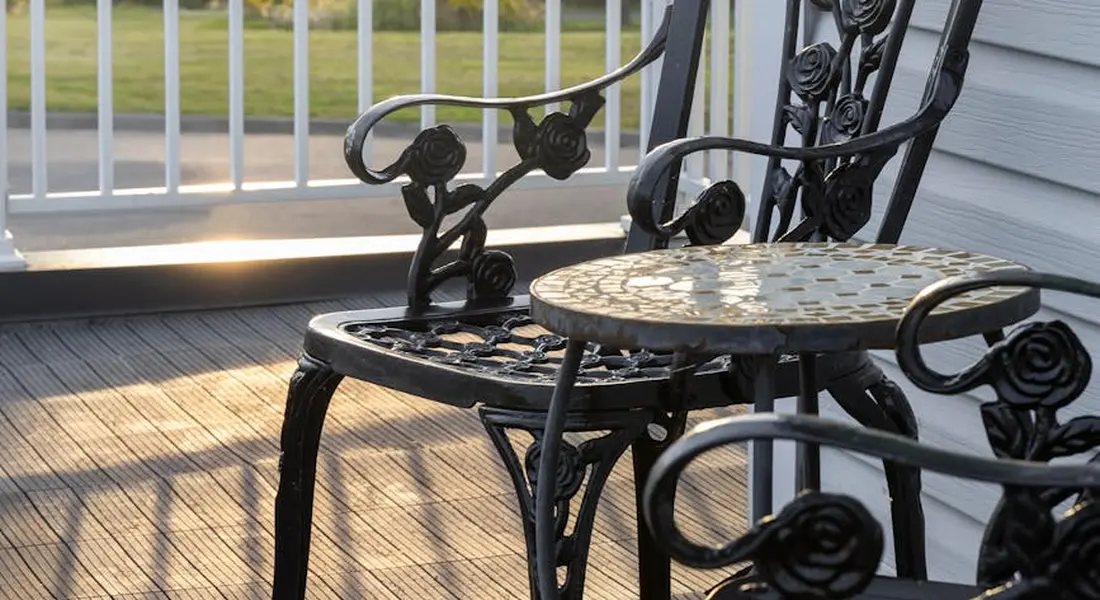
Whether it’s a skillet, a griddle, or a Dutch oven, the process for removing rust is the same. You are dealing with bare iron, and your goal is to strip it back to a clean, uniform surface. I treat every rusty piece with this simple, methodical approach in my own restoration work.
The key is to match the method to the severity of the rust, always ending with hands-on scrubbing to confirm you’ve reached the bare metal.
The Vinegar Bath Method (For Moderate Rust)
For light to moderate surface rust, a vinegar soak is my go-to solution. The acetic acid in vinegar gently dissolves rust without harsh chemicals.
Mix equal parts white vinegar and water in a container large enough to submerge your cookware. A plastic tub or your sink works perfectly.
Do not soak any piece for more than one hour, as the acid can start to etch the iron itself, making the surface rough. Set a timer. For spot rust, you can just wet a paper towel with the solution and lay it on the area.
After soaking, you will see the rust loosen. Scrub the piece vigorously with a scrub brush or coarse pad under running water. You are done when the entire surface is a consistent, dull gray color with no orange or red patches. This is the “done” look you are aiming for. If rust appears on a seasoned pan, don’t discard it—re-season and keep using it regularly to maintain the protective coating. Regular use helps build and sustain the seasoning, which helps prevent future rust.
Many people search for “cast iron rust removal vinegar” and wonder about baking soda. Vinegar works because it’s a mild acid that reacts with rust. Baking soda is a base, and while it won’t remove rust on its own, you can make a paste with water to scrub stubborn spots after the vinegar bath—it acts as a gentle abrasive. However, for thorough rust removal and restoration of cast iron, you should follow a more comprehensive process.
Using Electrolysis for Severe Rust or Antiques
For a crusty, hundred-year-old skillet or a piece with severe, flaky rust, electrolysis is the most effective tool. Think of it as a safe science project that uses electricity to pull rust off the iron.
You submerge the item in a solution of water and washing soda, hook it to the negative terminal of a power source, and suspend a piece of scrap steel (the anode) connected to the positive terminal. When you turn it on, the rust literally bubbles off.
This method is for advanced projects, but it’s entirely a home DIY setup; you don’t need to search for “electrolysis near me.” As many folks on Reddit and other forums advise, an old manual battery charger is the perfect, affordable power source. I keep one in my workshop just for these deep-clean jobs.
Scrubbing with Abrasives and Elbow Grease
No matter which chemical method you use, scrubbing is the non-negotiable final step. This is where you ensure every speck of rust is gone and the iron is perfectly clean for reseasoning. If you’re disposing of the pan, remove the rust first so it can be recycled as scrap metal. This keeps rust out of the waste stream and supports responsible disposal.
Your tool choice depends on the job.
- Coarse steel wool (grade 0 or 1): My first grab for aggressive scrubbing after a vinegar bath. It cuts through residue fast.
- Chainmail scrubber: Less messy than steel wool and excellent for textured surfaces like grill pans. It’s tough but won’t damage the iron.
- Brass brush (for a drill): The fastest option for large, flat surfaces. Brass is softer than iron, so it cleans without gouging.
When people ask about the best “cast iron rust removal tool,” I always point them to these simple, proven items rather than any gimmicky products. Scrub until the metal feels smooth and looks uniformly gray. If you see any shiny silver spots, that’s good-that’s your bare, clean iron ready for oil. No rust in sight.
How to Clean Rust Off a Cast Iron Wood Stove
Cleaning a wood stove is different from cleaning a pan. You are not preparing a surface for cooking, so you can use stronger methods. The priority is safety and preserving the appliance’s function.
Always start with a completely cool stove, open a window for ventilation, and lay down a drop cloth to protect your floor from messy drips.
If possible, disassemble the stove. Remove the stove grates, doors, and any internal parts. This makes cleaning much easier.
- Use a stiff wire brush to dry-brush all loose soot, ash, and flaky rust from every surface. Do this outside to avoid a huge mess indoors.
- For the remaining rust, use the same 50/50 vinegar and water solution. Apply it with a spray bottle or rag, let it sit for 10-15 minutes, then scrub. For heavy buildup on an antique cast iron stove, a commercial grate cleaner from a hardware store can be more effective.
- Rinse every part thoroughly with water. Any cleaning residue left behind can create fumes when the stove heats up again.
- Dry everything completely. I use an old towel followed by a hair dryer on a cool setting to drive moisture out of crevices.
You do not need to season the interior of a wood stove. The goal is simply to have it clean and dry to prevent further rust. Once it’s dry, you can reassemble it and use it as normal.
The Most Important Step: Drying and Re-Seasoning
Once the rust is gone, you are in a race against the clock. Cast iron will begin to rust again the moment it is exposed to air and any lingering moisture. Stopping this process immediately is not a suggestion, it’s the rule for keeping your pan from turning right back into a rusty mess.
The Foolproof Dry-Off Method
Do not let your pan air dry. This invites flash rust. Your goal is to get the metal completely, bone-dry.
- Use a clean, dry towel to wipe the pan down thoroughly.
- Place the pan on a stovetop burner set to medium-low, or in a 200°F oven.
- Let it heat for 5-10 minutes until the entire surface is hot to the touch.
This heat drives off every trace of water that your towel couldn’t reach. I hold my hand over the pan to feel the warmth. When I can feel a steady, dry heat rising from the surface, I know it’s ready.
The Universal Re-Seasoning Method
Now, you must protect that bare, clean iron. You do this by applying a fresh layer of seasoning.
- While the pan is still warm (not scalding hot), apply a tiny amount of your preferred oil-crisco, flaxseed, grapeseed-to the entire surface, inside and out.
- Take a fresh, clean paper towel or cloth and wipe the oil off. Wipe it like you made a mistake and are trying to remove every last drop.
- Place the pan upside-down in a cold oven, set it to 450-500°F, and bake it for one hour. Let it cool in the oven.
This new, thin layer of polymerized oil is your pan’s primary shield against rust and the foundation for all future cooking performance. Think of it like applying a single, perfect coat of protective paint to bare metal.
Common Rust Prevention Mistakes (And How to Avoid Them)
Rust often comes back not from one big error, but from small, repeated habits. Here are the most common slips I see and how to fix them for good.
- Mistake: Letting a cleaned pan air-dry on a rack or in a sink.
Fix: Always apply heat. A towel dry is just the first step. The stovetop or oven finish is mandatory. - Mistake: Putting a lid on a slightly damp pan or stacking pans while wet.
Fix: Never trap moisture. Make sure every piece is completely, heat-verified dry before storing it with a lid or another pan. - Mistake: Storing a pan in a humid environment like under a sink, in a dishwasher, or on a porch.
Fix: Store cast iron in a dry, room-temperature cupboard or on your stovetop. If your storage area feels damp, place a folded paper towel inside the pan to absorb ambient moisture. - Mistake: Using too much oil when seasoning, which creates a sticky, gummy layer that can trap moisture against the iron.
Fix: Remember the golden rule: wipe the oil on, then wipe it all off. The pan should look nearly dry before it goes into the oven. A thin layer polymerizes into a hard shield; a thick layer just bakes into tacky goo.
I once found a beautiful vintage lid speckled with rust simply because it was stored for years in a damp basement. The fix was easy, but the lesson was clear. Your cast iron’s worst enemy isn’t soap or acidic food, it’s persistent, unnoticed water. Control moisture, and you control rust. Store cast iron properly—keep it dry in a well-ventilated, moisture-free spot. A quick wipe and light oil before storing prevents rust damage.
Quick Answers
I see baking soda pastes suggested online. Are they a good alternative to vinegar for rust removal?
No. Baking soda is a base, not an acid, so it does not chemically dissolve rust. You can use it mixed with water as a gentle, non-scratching abrasive paste to *polish* the metal *after* the rust has been removed by vinegar or electrolysis. For actually breaking down rust, vinegar’s mild acidity is the correct tool.
Is using a power tool with a wire wheel attachment a safe shortcut for rust removal?
It can be, if you use extreme care. A stiff brass wire wheel on a drill is effective for large, flat surfaces, but a standard steel wire wheel is too aggressive and can gouge the iron. The safer, more controlled path is always manual scrubbing with steel wool or a chainmail scrubber after a vinegar soak-you’re far less likely to damage the pan’s surface.
Electrolysis seems effective but complicated. What’s the single most critical safety rule for a DIY setup?
Never use an automatic battery charger. You must use a manual charger or a dedicated DC power supply. An automatic charger will sense the electrolysis tank as a “charged” battery and shut off, rendering the process useless. Beyond that, always work in a well-ventilated area, as the process produces small amounts of hydrogen gas.
Securing Your Cast Iron’s Future After Rust Removal
The single best thing you can do after scrubbing off rust is to heat-dry your pan or stove surface completely on a burner before you even think about oil. This drives off invisible moisture that would otherwise trap itself under new seasoning and start the rust cycle all over again. For lasting protection, our articles on building a durable seasoning from scratch offer great next steps. To tackle rust, see our complete guide to restoring rusty cast iron cookware. It covers cleaning, seasoning, and repair.
Joseph Gerald
A material science expert by profession, Joseph is also an avid cook. He combines his 10+ years expertise in material science and metallurgy with his passion for cast iron cookware to bring you best hands on advice. His expertise ranges from types of cast iron cookware to best seasoning tips as well as restoration of vintage cast iron utensils. Joe is here to help you solve all your cast iron cookware queries and questions.