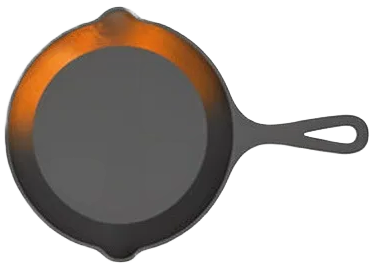
How Do You Keep Your Cast Iron Cookware in Perfect Condition?
I’ve handled everything from heirloom skillets to modern pans, and the key to longevity is consistent care. Good maintenance turns worry into confidence with every use.
- Cleaning techniques that won’t strip your hard-earned seasoning.
- Seasoning steps to build a durable, non-stick layer.
- Storage practices that keep rust at bay.
- Quick fixes for sticky spots or light rust.
Key Takeaways: The Simple Truth About Cast Iron Care
Let’s clear something up right away. Caring for cast iron feels intimidating to many people. It shouldn’t. Once you know the basics, it becomes as routine as washing any other dish. The anxiety usually comes from old myths and the fear of ruining a prized pan.
Forget the complex rituals; proper cast iron maintenance rests on three simple, non-negotiable pillars.
- Clean It. Food residue left on the surface is the enemy of good seasoning.
- Dry It Completely. Water is the primary cause of rust. Every single time.
- Keep a Thin Layer of Oil. This protects the iron from moisture and builds your seasoning over time.
I need to address the biggest myth head-on. Using modern, mild dish soap on a well-seasoned pan is perfectly safe. The old rule came from a time when soap contained lye, which would strip seasoning. Today’s soaps won’t hurt the polymerized oil layer. Soap is a tool. Use it when you need it.
Finally, take a deep breath. Nearly every mistake is reversible. A little surface rust? You can scrub it off. Sticky patch from underseasoning? You can fix it. I’ve brought back pans that looked like they belonged in a scrap yard. Your pan is more resilient than you think.
Your Cast Iron Care Checklist: The Daily Routine
Think of this not as a chore, but as a five-minute after-dinner habit. This routine keeps your pan in fighting shape and prevents problems down the road.
The Step-by-Step, After-Cooking Workflow
- Let It Cool. Never shock a hot pan with cold water. Let it cool down until it’s warm to the touch.
- Scrub It Clean. Use hot water and your chosen tool (see below). For most messes, a quick scrub is enough. For stuck-on bits, a little soap helps.
- Rinse & Inspect. Rinse with hot water. Run your fingers over the surface. It should feel smooth, not gritty or sticky.
- Dry It Thoroughly on the Stove. This is the critical step. Towel-drying isn’t enough. Place the clean pan on a burner over low heat for 2-3 minutes until all moisture evaporates and the pan is warm.
- Oil It Lightly. With the pan warm, apply a few drops of a high-smoke-point oil (like canola, grapeseed, or Crisco) to a paper towel. Wipe the entire surface, inside and out. Then, take a clean towel and buff aggressively, as if you’re trying to remove all the oil. You want the thinnest possible film.
Choosing Your Cleaning Tool
Different jobs call for different tools. Here’s how I choose what to grab from my sink caddy:
| Tool | Best For | My Notes |
| Stiff Nylon Brush | Daily cleaning, light food residue. | My most-used tool. It’s gentle on seasoning but gets into corners. |
| Chainmail Scrubber | Stuck-on food without soap. Excellent for smoothing a slightly sticky surface. | It looks aggressive but works like a charm. It doesn’t strip seasoning, it refines it. |
| Coarse Salt & Oil Paste | Abrasive cleaning without introducing soap or extra tools. Great for camp or when you want a pure scrub. | Make a paste with a tablespoon of salt and a dash of oil. Scrub, then rinse. It’s a fantastic natural cleaner. |
Do You Need to Re-Season After Every Use?
No, absolutely not. That final, thin wipe of oil in your daily routine is maintenance, not a full re-seasoning cycle. A full oven seasoning is for building or repairing the foundational polymerized layers. Your daily wipe keeps that foundation protected and slowly adds to it over years. If your pan is cooking well and food isn’t sticking, you’re doing it right. Just clean, dry, and give it that light oil coat.
The Right Way to Clean Your Cast Iron Pan

Let’s start by clearing up the biggest piece of cast iron folklore. For years, the rule was “never use soap.” That advice comes from a different era. Our grandmothers used harsh, lye-based soaps that could strip away seasoning. Modern dish soap is gentle and designed to cut grease, not cured polymer. So, when it comes to cleaning cast iron, soap is actually safe to use.
Modern dish soap will not harm your hard-earned, polymerized seasoning; it simply washes away the loose food oils and particles sitting on top of it. I use a dab of regular dish soap on my daily driver skillet all the time. The key is to use it as part of a gentle process, not a harsh scrubbing session.
Your cleaning method should match the mess. Here’s a simple guide:
- For Everyday Cleaning: Use warm water, a soft sponge or brush, and a drop of mild dish soap. Scrub gently, rinse, and dry immediately.
- For Stubborn, Stuck Bits: Use coarse kosher salt as a gentle abrasive. Sprinkle a handful in the warm, damp pan and scrub with a paper towel or cloth. The salt granules lift debris without harming the seasoning.
- For Fond or Browning (the good stuck bits): Pour a cup of water into the warm (not scalding hot) pan and bring it to a simmer. Use a flat-edged wooden or silicone spatula to scrape the bottom. This deglazing action lifts the flavorful bits for easy cleaning.
Cleaning pans with nooks, like a grill pan or a Dutch oven’s tight corners, requires the right tool. A stiff-bristled brush, like a nylon pan brush or a dedicated cast iron brush, is your best friend. The bristles get into grooves that a sponge can’t. For my grill pan, I run the brush under hot water, give it a vigorous scrub, and rinse. It’s that straightforward.
Knowing what not to do is just as important. Avoid these three things completely:
- The Dishwasher: The harsh detergents and prolonged soaking will absolutely strip seasoning and promote rust.
- Steel Wool or Metal Scouring Pads on Good Seasoning: These are for stripping rust in a restoration project, not for cleaning a healthy pan. They will scratch and weaken your seasoning layer.
- Letting It Soak: Never let your cast iron sit in water. Extended contact with water is the fastest way to cause rust, which forces you to start the seasoning process over. Clean it, dry it, and put it away.
What If Food is Stuck to My Pan?
Don’t panic. This happens to everyone, even with a perfectly seasoned pan. The goal is to remove the food without removing the seasoning underneath. Start gentle and work your way up.
First, try the gentle reheat and deglaze method. Put the pan back on the stove over low heat for a minute. Add about half an inch of water and let it simmer. The heat and steam will loosen the bond. Use your spatula to gently scrape. Often, this is all you need.
If the food is really welded on, you can use a dedicated tool. I keep two handy: a metal fish spatula with a thin, flexible edge and a ring of chainmail. The trick is to use them flat against the surface. Scrape or scrub with a back-and-forth motion, applying even pressure. You are not sanding the pan; you are sliding the tool across it to dislodge the carbonized food. A chainmail scrubber is excellent for this because it’s abrasive to gunk but gentle on the hard polymer layer.
The line is simple: if you’re scraping off black, flaky food, you’re doing it right. If you’re scraping off glossy, brownish-black seasoning, you’re being too aggressive. If you accidentally dig a small gouge, don’t worry. Just dry the pan, apply a tiny dab of oil to that spot, and it will blend in with the next time you cook.
Drying: The Step You Can’t Skip
You’ve just washed your pan. It looks dry to the eye and feels dry to your towel. This is the moment where rust often wins. Cast iron isn’t smooth like glass; it’s microscopically porous. Think of it like a sponge. A towel can wipe the surface, but water remains tucked away in those tiny pores.
Leaving that hidden moisture in the pan is the most common way a good seasoning is undermined by a speck of rust.
The Foolproof Two-Step Dry
To dry cast iron completely, you need to add heat. This method has never failed me, whether I’m drying my daily driver skillet or a freshly restored gem.
- Towel Dry Thoroughly: Use a clean, dry dish towel or paper towels. Wipe the entire pan, inside and out, including the handle and bottom. Get it as dry as you can by hand.
- Apply Gentle Heat: Place the pan on a stovetop burner set to low or medium-low. Let it sit for about five minutes. You can also put it in a 200°F (95°C) oven for the same time. You’ll see any last bits of moisture steam away.
The pan should be warm to the touch, not scorching hot. Once it cools, it’s ready to store.
Why This Matters: The Chapped Hands Analogy
Imagine washing your hands in winter and only giving them a quick shake instead of drying them properly. They’ll get chapped, cracked, and irritated. Cast iron acts the same way. Surface water evaporates slowly, and during that time, it reacts with the iron, starting the oxidation process we call rust. Heat drying is like using a towel on your hands-it stops the problem before it can begin.
Can I Just Let My Cast Iron Air Dry?
I don’t recommend it. While it might seem fine sometimes, air drying is a gamble. In a humid environment, it takes far too long. Even in dry air, water can sit in the pores long enough to cause faint rust spots, especially on newer or thinner seasoning. Adding just five minutes of heat is a guaranteed way to protect your work and keep your pan ready for its next use. It’s a small habit that makes a permanent difference.
How to Season Cast Iron (And When to Do It)

Seasoning is just a baked-on layer of oil. Think of it like protective paint for your pan. This layer stops rust and, over time, creates a naturally non-stick cooking surface through a process called polymerization.
You do this in two main situations. Initial seasoning is for a brand new, bare iron pan or one you’ve completely stripped of old seasoning, and it involves building the foundation from scratch. Maintenance seasoning is what you do to a pan you already use, just to keep that protective layer in good shape or fix a small sticky spot.
The oven method is the most reliable way for an even coat. The single most important step is wiping off the oil. If you think you’ve wiped enough, wipe it once more. A pan with too much oil will bake on sticky and gummy.
- Wash your pan with warm, soapy water and dry it completely. Heat it in a 200°F (95°C) oven for 15 minutes to open its pores.
- Apply a tiny amount of high-smoke-point oil (like the ones listed below) with a paper towel. Coat every surface, inside and out.
- Take a fresh, clean paper towel and wipe the entire pan. Your goal is to make it look like you made a mistake and didn’t add any oil at all. This thin layer is what polymerizes into a hard finish.
- Place the pan upside down on the middle rack of your oven with a sheet of foil on the bottom rack to catch any drips.
- Heat the oven to 450°F (230°C) and bake for one hour. Turn the oven off and let the pan cool completely inside.
For maintenance seasoning on a used pan, you often only need to do steps 2 through 5, and sometimes just a quick stove-top application of oil after cleaning is enough.
The best oils have a high smoke point and a neutral flavor. They polymerize (harden) best when heated. My own workshop favorites are grapeseed, sunflower, and refined avocado oil. Regular vegetable or canola oil works perfectly fine too.
Avoid using butter, olive oil, or bacon grease for this specific task. Their lower smoke points and impurities can lead to a softer, stickier finish that’s more likely to flake. Save those for cooking in your already-seasoned pan.
Is My Pan Seasoned Enough? How to Tell
A well-seasoned pan has a specific feel. Run your fingers over the cooking surface. It should feel smooth and slick, like a polished stone, not rough or sandy. The look is a semi-glossy sheen, not a matte or glossy-wet appearance.
If the surface feels at all sticky or tacky, that’s a sure sign of excess oil that didn’t fully polymerize. It won’t perform well and can pick up dust. If this happens, just heat the pan in the oven again for another cycle to try and harden that layer.
Don’t get hung up on color. A perfectly seasoned pan can be deep black, caramel brown, or even a little patchy. My most reliable daily skillet is a splotchy bronze-black. Color is a cosmetic result of the oil and heat used. Performance is what truly matters.
The “water bead” test is a helpful kitchen check. Heat your dry pan over medium heat for a minute. Flick a few drops of water onto the surface. On a well-seasoned pan, the water will skitter and bead up like mercury. If it just sits and boils flat, your seasoning is thin or worn and could use a maintenance coat. This test isn’t perfect, but it’s a good quick indicator.
Smart Storage Prevents Problems

Think of a freshly washed and dried cast iron pan like a warm body stepping out of a hot shower. If you trap it in a damp, airless place, it will stay wet. For cast iron, that trapped moisture is the direct path to rust and stale, musty smells. Your storage method is the final, crucial step in your cleaning routine.
Choose a Dry, Airy Home
A kitchen cupboard is fine, but avoid the dank cabinet under the sink or a humid basement shelf. I keep my daily drivers in the oven (remembering to take them out before preheating). A pantry shelf or a dedicated rack works perfectly. The goal is constant air circulation to whisk away any residual humidity.
The Lid-Off Rule and the Paper Towel Trick
Always store a Dutch oven with the lid slightly ajar or completely off. Sealing it creates a perfect, moist environment for rust to start on both the pot and the lid’s underside.
When stacking pans, never let the cooking surfaces touch bare. The friction can scrape the seasoning, and any microscopic moisture can get trapped between them. I always fold a plain, dry paper towel and place it between each pan. This simple paper towel acts like a breathable cushion, protecting the seasoning and wicking away dampness.
What About Storing With the Lid On?
You might see pans stored with their glass or metal lids on for a tidy look. I don’t recommend it for cast iron. Even a well-dried pan can have minuscule moisture in the pores of the iron or clinging to the sidewalls. A lid restricts airflow, letting that moisture settle and eventually cause trouble. It’s safer to store lids separately on a shelf or in a rack.
Can I Hang My Cast Iron?
Yes, hanging is an excellent storage solution if done right. It keeps pans visible, dry, and unlidded. You need two things: a seriously sturdy hook anchored into a stud or solid backing, and a handle that accommodates it. Some older pans have small, ornate handles that won’t fit over a thick hook. Test it first. Hanging solves many storage issues, but always ensure your hardware can support the significant weight. My 12-inch skillet lives on a heavy-duty hook, and it’s never been happier or more rust-free.
Fixing Common Cast Iron Issues
Cast iron can run into a few snags. This is completely normal. Every single issue you might face, from a bit of rust to a sticky pan, has a straightforward fix. Your cookware is far more resilient than it seems.
How Do I Remove Rust from Cast Iron?
Finding rust can feel like a setback, but it’s just surface oxidation. Think of it as your pan asking for a little attention. I’ve revived pans left in a damp garage for years, and they’re now my daily drivers. Knowing the chemistry of rust helps you prevent and reverse oxidation in your cookware. With the right care, these pans stay reliable for everyday use.
For light, surface rust, a simple vinegar solution does the trick. For deeper, pitted rust, the process is the same, but the look of the pan will change. Knowing when to stop is important.
- Create a 50/50 mix of white vinegar and water in a tub or sink.
- Submerge the rusty area for 30-60 minutes. Don’t go longer, as vinegar can etch the iron.
- Scrub the pan vigorously with steel wool or a stiff brush. The rust will slough off as a dark sludge.
- Rinse the pan thoroughly with warm water.
- Dry it immediately and completely with a towel.
- Put the pan on a stovetop burner for 2-3 minutes to evaporate any last moisture.
- Apply a thin layer of oil and begin the re-seasoning process right away.
The bare iron is vulnerable after rust removal, so seasoning it immediately is the single most important step to stop rust from coming right back. A good cast iron care kit will usually include the chainmail scrubber and scraper tools that make this job easier.
If the rust leaves behind small pits or a rough texture, don’t worry. This is cosmetic. The pan is still perfectly functional; it just has a bit more character and a slightly different surface for seasoning to adhere to. Wondering if it’s still safe to cook with a rusty skillet? There are straightforward fixes to restore it.
My Seasoning is Sticky or Flaky. What Now?
Sticky or flaky seasoning is almost always a result of how the oil was applied, not the iron itself. It’s a sign the polymerized layer didn’t form correctly. This can often be fixed by re-seasoning the pan properly.
Sticky seasoning means you used too much oil during the seasoning process. The excess oil couldn’t fully polymerize and instead created a tacky, gummy residue. It’s like applying a thick, goopy coat of paint that never dries.
Flaky seasoning often points to a weak bond between layers. This can happen if you seasoned over existing carbonized food gunk instead of bare metal, or if the pan wasn’t fully clean and dry before you added new oil. It’s like painting over a dirty, dusty wall the paint will eventually peel.
Here’s how to fix it:
- Warm the pan slightly on the stovetop to soften the sticky or loose material.
- Scrub it well with coarse salt and a cut potato, or use a gentle plastic scraper. You want to remove all the poorly-bonded gunk without damaging the good seasoning underneath.
- Wash, dry, and heat the pan to fully dry it.
- Apply the thinnest possible layer of oil wipe it on, then aggressively wipe it off with a clean paper towel as if you made a mistake.
- Proceed with baking or stovetop seasoning to polymerize that microscopically thin layer.
You may need to repeat this seasoning step 2-3 times to build a durable, smooth layer. To avoid this next time, remember: the goal is an impossibly thin coat of oil. If your pan looks wet or shiny after you wipe it, you used too much.
My Vintage or Thrifted Find: Special Care Tips
Finding a vintage piece is thrilling. That old skillet has history. Your first job is a quick health check before you start cooking.
Look for two major issues: cracks and warping. A crack, usually near the handle or rim, is a deal-breaker for cooking. A warp is less critical but can cause uneven heating. Test for a warp by placing the pan on a perfectly flat surface like a glass stovetop and seeing if it rocks.
Unless the pan has a perfect, glossy layer of seasoning you know and trust, I always recommend a full strip and re-season for any thrifted piece. This gives you a clean, known foundation. You erase any questionable cooking history or old, rancid oils and make it truly yours.
You’ll often notice the cooking surface on older pans is much smoother than modern, pebbly-textured iron. This is a prized feature. That smooth surface may feel different as you build new seasoning; it can sometimes be less “grippy” for the initial layers, but it will develop a beautiful, glassy patina over time with use.
Common Questions
What should I have in a basic cast iron care kit?
A proper kit is simple. You need a stiff nylon brush for daily scrubbing, a chainmail scrubber for stubborn food, and lint-free paper towels for drying and oiling. Store them together so the routine stays easy. That’s all you need for 95% of upkeep.
Can I use olive oil or butter for seasoning?
No. For seasoning, always use a refined oil with a high smoke point like grapeseed, canola, or sunflower oil. Olive oil and butter have low smoke points and contain impurities that polymerize into a soft, sticky layer. Save them for cooking in your already-seasoned pan.
I have one sticky patch on my pan. Do I need to strip and re-season the whole thing?
Almost never. First, scrub the sticky spot vigorously with your chainmail scrubber or coarse salt while the pan is warm. Dry it, then apply a *tiny* amount of oil *only to that spot* and heat the pan on the stove until it smokes lightly. This spot-seasoning usually solves it without a full oven process.
Your Cast Iron Journey
Make a quick, post-clean wipe with oil your non-negotiable final step; that single habit does more to maintain your seasoning and prevent rust than any other technique. When you treat your cast iron as a durable, forgiving tool that improves with consistent, simple care, you’ll stop worrying and start cooking with confidence for decades. For more detail on any step, from stripping old seasoning to fixing stubborn rust, you can find dedicated guides right here on the site.
Research and Related Sources
- r/cookingforbeginners on Reddit: Cast-Iron Maintenance
- How to Clean and Care for Cast Iron Cookware
- How to Clean – Lodge Cast Iron
- Cleaning & Care – Lodge Cast Iron
Joseph Gerald
A material science expert by profession, Joseph is also an avid cook. He combines his 10+ years expertise in material science and metallurgy with his passion for cast iron cookware to bring you best hands on advice. His expertise ranges from types of cast iron cookware to best seasoning tips as well as restoration of vintage cast iron utensils. Joe is here to help you solve all your cast iron cookware queries and questions.