Is Enameled Cast Iron Safe to Use? (What About Cracks?)
Noticing a chip or crack in the colorful glaze of your Dutch oven can stop you mid-recipe. In most cases, a small flaw doesn’t mean your pot is dangerous, but you need to know where that line is. I’ve assessed many pieces in my own kitchen, and a simple inspection usually gives the answer.
- We’ll look at how to safely check the size and location of any enamel damage.
- I’ll explain when a chip is just a cosmetic issue and when it means you should stop cooking with it.
- You’ll learn how to care for enameled iron to prevent further chips and cracks.
- If a piece is no longer kitchen-safe, I’ll cover what you can realistically do with it instead.
What Exactly is Enameled Cast Iron, and Is It Non-Toxic?
Enameled cast iron is simply a raw cast iron pot or pan that has been coated in a layer of enamel. Think of this enamel like the durable, glossy glaze on a piece of high quality pottery. It’s a powdered glass formula that is sprayed onto the cleaned iron and then fired in an ultra-hot kiln. The heat melts the powder, fusing it permanently to the metal.
This process does two main things. First, it seals the iron completely, making it impervious to rust. Second, it adds that smooth, often colorful cooking surface you love. That vibrant blue or classic cream color isn’t paint, it’s glass.
Quality enamel from reputable brands is inert, non-toxic, and completely safe for cooking. Once fused, it creates a stable, non-reactive barrier between your food and the iron underneath, so you can cook acidic foods like tomato sauce without a metallic taste or worrying about damaging the pan.
Modern manufacturers follow strict standards to ensure their enamel formulas are free from heavy metals like lead and cadmium, especially in the surfaces that contact food. Buying from a known brand is your best guarantee of this safety.
The Glass-Like Shield: Understanding the Enamel Coating
I like to describe the enamel coating as a permanent, incredibly hard varnish. It’s glass, so it won’t absorb flavors, odors, or oils. This is the key difference from traditional bare cast iron, where you build up a layer of polymerized oil (seasoning) for protection. Enameled cast iron is coated differently.
The system works perfectly. The heavy cast iron base provides superb heat retention and even distribution, while the slick enamel coating provides the easy-to-clean, non-reactive cooking surface. You get the performance of cast iron without the maintenance of seasoning.
Are Enameled Cast Iron Pots and Pans Truly Non-Toxic?
Yes, absolutely. For a pot or Dutch oven with intact, unchipped enamel from a reputable maker, the answer is a confident yes. The glass coating is non-porous and inert, so it doesn’t leach chemicals into your food.
An enamel cast iron pot in good condition is one of the safest, most non-toxic pieces of cookware you can own. This is why they are fantastic for long, slow cooks of acidic dishes where other metals might react. Unlike regular cast iron cookware, which can sometimes pose concerns for acidity and safety, enamel-coated options offer a protective barrier.
A common question I see, often on forums, is about a white, powdery residue on a brand new pan. This is usually just mineral dust from the manufacturing or packaging process, not the enamel itself breaking down. A simple wash with warm, soapy water is all you need to remove it before your first use. If it persists after washing, contact the manufacturer.
Is Enameled Cast Iron Safe for Daily Cooking?
It is perfectly safe for daily use on the stovetop, in the oven, and for food storage. You can sear meats, simmer soups, bake bread, and then store leftovers in the same pot in your refrigerator. The enamel won’t degrade from casual contact with food acids or oils during normal cooking.
The main risk to safety in daily cooking isn’t chemical, it’s physical. Thermal shock can cause the enamel to crack. This means avoiding extreme, sudden temperature changes. Never place a hot enameled pot directly into a sink of cold water, and avoid taking a cold pot from the fridge and putting it directly on a high burner. Let it come to room temperature or warm it gently first.
For everyday cooking, a sound enameled Dutch oven is arguably safer and more versatile than many other common cookware materials. Just treat it with the same basic care you would a glass casserole dish.
Safe Temperatures and Best Uses for Enameled Surfaces
Enameled iron excels at tasks that use moderate, consistent heat. It’s ideal for:
- Braising meats and stews
- Simmering sauces, soups, and chilis
- Baking bread and casseroles
- Boiling pasta or potatoes
- Shallow and deep frying
It is less ideal for ultra-high-heat searing without any fat or oil, as this can cause scorching that bonds to the glass surface. Always use some cooking fat. Most brands rate their enamel as oven-safe up to 450°F to 500°F, but you should always check your specific pot’s manufacturer guidelines.
Debunking Common Enamel Safety Myths
Let’s clear up a few persistent worries. Using metal utensils is not a toxicity issue, it’s a durability issue. Metal can chip and scratch the glass surface, so we recommend wood or silicone to keep the finish intact for years. Utensils are safe to use with enameled cast iron, especially wooden or silicone options that protect the enamel.
You never need to season an enameled cast iron pan like bare iron. The glass coating is the permanent, non-stick barrier. Adding oil to bake on a layer is unnecessary and will just create a sticky, gummy mess on top of the glass. Seasoning is only needed for bare cast iron cookware.
Finally, using mild dish soap to clean your enameled pot is not only safe, it’s recommended. The enamel is non-porous, so soap cannot soak in or strip away a “seasoning” like it might on raw iron. It just cleans the surface, which is exactly what you want—unlike when you use dish soap on cast iron.
How to Handle Cracks, Chips, and Damaged Enamel
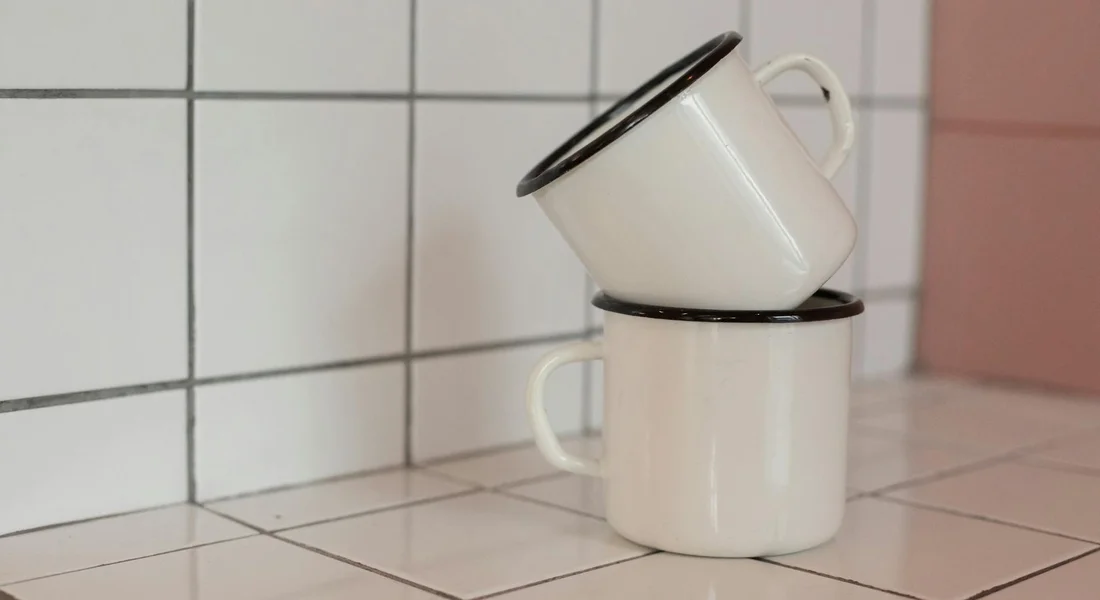
Finding a chip in your favorite Dutch oven is a sinking feeling. I have a blue one with a small, smooth mark on the rim from a run-in with my faucet. The first question is always, “Is this still safe?” This section is your step-by-step guide to assessing the damage and making a smart call.
I see this question constantly in online forums: “I found a chip, can I still use this?” The anxiety is real. Let’s replace that worry with a clear, visual inspection process you can do right at your sink.
When is a Crack or Chip Actually Dangerous?
There are two primary risks with damaged enamel. First, it can shed tiny, sharp glass-like fragments into your food. Second, it exposes the raw cast iron underneath, which will rust when it gets wet.
Use this simple fingertip test: if the chip or crack is on the cooking surface (the interior) and you can feel its edge or depth with your fingertip, stop using it for cooking. Any damage you can catch a fingernail on is a food safety hazard. A rough, crater-like chip on the bottom of the pot is a no-go.
Contrast this with the fine, spider-web lines sometimes seen in white or light-colored enamel. This is called “crazing.” If the surface still feels perfectly smooth to the touch, this is usually a cosmetic flaw in the glaze and not a safety issue. It’s like the fine lines in an old painting versus a tear in the canvas.
Can You Repair Cracked Enameled Cast Iron?
The short, firm answer is no. There is no reliable, food-safe, and heat-resistant DIY method to repair the cooking surface of an enameled pot.
You might find products like high-temperature epoxy putty advertised for this. These can seal a crack temporarily for something like a decorative garden planter, but they are not rated for food contact and can degrade or leach chemicals when heated and exposed to oils and acids. For any pot or pan you plan to cook with, a permanent, food-safe repair at home is not possible.
What to Do With a Damaged Pan: Your Action Plan
Here is your clear action plan when you find damage.
- Inspect it. Wash and dry the pot thoroughly. Use a bright light and your fingertip test on the cooking surface.
- Make the call. If the damage is deep or on the cooking surface, retire it from active kitchen duty. A chip only on the exterior or lid may be okay if the iron isn’t exposed to moisture.
- Find a new purpose. A pot with interior damage gets a second life. It makes a fantastic planter for herbs, a unique bread storage bin, or a container for kitchen tools. My chipped-rim pot now holds my wooden spoons.
For a pot that’s beyond reuse, check with your local waste authority. Enameled cast iron is often not accepted in standard curbside recycling. Some municipalities have special scrap metal drop-offs.
Required Tools and Methods for Safe Enamel Care
The best safety strategy is preventing damage in the first place. With the right gentle habits, your enameled piece can last for decades. Think of it like caring for a good ceramic dish, not your rugged bare iron skillet.
Tools for Gentle Cleaning and Inspection
You don’t need special products. You just need to avoid the harsh ones. Keep these items handy:
- Soft sponges or a nylon brush
- Mild dish soap
- Baking soda (for making a gentle paste)
- A soft-bristled toothbrush (for inspecting nooks and scrubbing stains gently)
- A dedicated drying towel
How to Clean Enameled Cast Iron Without Harming It
Aggressive scrubbing is the fast track to dulling the glossy finish and creating micro-scratches. Follow this gentle process instead.
- Let the pot cool, then fill it with warm, soapy water to soak for 15-30 minutes if food is stuck.
- Use your soft sponge or nylon brush to clean. Never use metal scouring pads, steel wool, or abrasive cleansers, as they will permanently scratch the glass surface.
- For stubborn, baked-on stains or discoloration, make a paste of baking soda and water. Spread it on the stain, let it sit for an hour, then gently scrub with your soft brush and rinse.
- Rinse thoroughly and dry it completely with a towel. Let it air-dry upside down on a rack to ensure no water collects in the bottom.
Proper Storage to Prevent Chips and Cracks
The most common cause of chips is enamel hitting enamel. That beautiful “clink” when you stack pots is the sound of potential damage.
Avoid stacking enameled pieces directly together. If you must stack them to save space, place a protective layer between each item. A simple felt liner, a folded kitchen towel, or even a paper plate works perfectly. Store your enameled cookware in a dry place, and always use a soft barrier between pieces to prevent chips and cracks from impact.
Enameled Cast Iron vs. Other Pans: A Safety Perspective
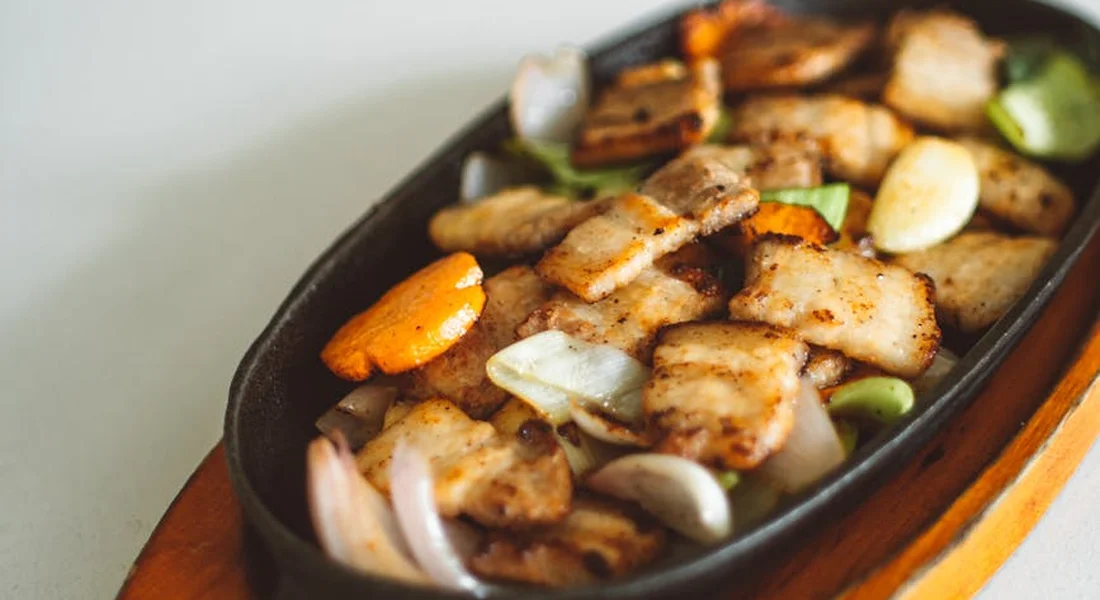
Choosing the right pan is about matching the tool to the job. Enameled cast iron sits in a unique spot between non-stick convenience and the heirloom durability of bare iron. Its primary safety advantage is a permanent, non-porous glass surface that doesn’t react with food and requires no ongoing maintenance like seasoning. To understand its safety profile, it helps to see how it stacks up against other common pan types like ceramic-coated cookware and traditional seasoned cast iron. For a deeper, side-by-side perspective, a comprehensive safety and usage comparison with bare cast iron can help. It clarifies when enamel is the safer, more low-maintenance option versus when bare iron adds value through seasoning and heat behavior.
How Enamel Safety Compares to Traditional Seasoned Cast Iron
Think of your classic cast iron skillet. Its safety and non-stick quality come from the layer of polymerized oil you build and maintain, called seasoning. This layer can wear, chip, or be stripped by acidic foods, requiring you to re-season it periodically.
Enameled cast iron is different. The enamel is a thick layer of powdered glass fused to the iron at extremely high temperatures. It’s inert. You can simmer tomato sauce for hours in an enameled Dutch oven without a second thought. While both a well-seasoned skillet and an enameled pot are perfectly safe for cooking, enamel offers a “set it and forget it” surface that traditional cast iron does not. I use my enameled piece for long, acidic braises and my bare iron skillets for everything else. There’s no upkeep with the enamel, which is a big part of its appeal.
Enamel, Ceramic Coatings, and Teflon: Key Differences
It’s easy to get these coatings confused, but their safety and longevity are worlds apart.
“Ceramic coated” pans you see at big-box stores are typically aluminum or steel pans with a thin, sprayed-on layer of a silica-based material. This coating can wear down or scratch off relatively quickly with metal utensils or abrasive cleaning, potentially exposing the base metal.
True enamel on cast iron is not a thin coating, it is a part of the pan itself. Fused glass enamel is far more durable and chip-resistant than most spray-on ceramic non-stick coatings, and it doesn’t degrade under high heat.
The comparison to traditional non-stick pans with Teflon (PTFE) is crucial for safety. Overheating a PTFE-coated pan can release harmful fumes. A chip in your enamel, while a concern for the pan’s integrity, does not pose this same toxic fume risk. The chip exposes inert cast iron, not a hazardous chemical layer.
If Your Enamel is Compromised: Safe Alternatives for Cooking
So, you’ve found a chip. What now? Your next step depends entirely on the chip’s location.
If the damage is on the exterior, like the rim or the very bottom of a pot, the risk is often low. You can usually continue using the pan after smoothing any sharp edges with fine sandpaper. Just keep that spot dry to prevent rust.
If the chip is on the interior cooking surface, you should stop using it for most purposes. Exposed iron can rust and leach into your food, especially with acidic ingredients. For a chipped Dutch oven, your safest alternative is to switch to a stainless steel pot for cooking acidic dishes like sauces or soups. You could use the damaged pan for baking bread (where the dough doesn’t touch the chip) or as a dry braiser, but replacing it is the best long-term solution for everyday cooking safety.
Common Questions
Can small scratches in the enamel make it unsafe?
Superficial, hairline scratches you can only see but not feel are typically just cosmetic and pose no safety risk. The danger comes from chips or cracks deep enough to catch a fingernail, as these can shed particles and expose the iron to rust. Keep cooking with lightly scratched enamel, but avoid metal tools to prevent worsening the damage.
Is it safe to heat an empty enameled pot or pan?
No, you should never preheat an empty enameled piece on high heat. Doing so creates intense, localized hot spots that can thermally shock the glass coating, leading to cracks. Always add at least a small amount of oil or liquid to the cold pot before applying heat to buffer the temperature change.
Why does my enamel look stained, and is that a safety issue?
Discoloration or dull, cloudy patches are almost always just mineral deposits or polymerized oils from cooking, not a failure of the enamel itself. This is a cosmetic issue, not a safety one. A baking soda paste scrub will usually remove it without harming the intact glass surface underneath.
Trusting Your Enameled Cast Iron
Your safest practice is to inspect the cooking surface for chips or cracks every single time you use the pan. A flawless interior enamel layer is your guarantee of safety, so never cook with one that’s visibly damaged. For more on daily care, you can read about cleaning enameled pieces and choosing the right tools.
Industry References
- r/Cooking on Reddit: Is Enameled Cast Iron as Non Toxic as regular cast iron?
- Is Enameled Cast Iron Safe? What To Know | Caraway
- Why I Switched from Cast Iron + What Pans are Best & SAFE Instead?? – Eat Beautiful
- Can you explain what enamel on cast iron cookware is and if it is safe to use? – Quora
Joseph Gerald
A material science expert by profession, Joseph is also an avid cook. He combines his 10+ years expertise in material science and metallurgy with his passion for cast iron cookware to bring you best hands on advice. His expertise ranges from types of cast iron cookware to best seasoning tips as well as restoration of vintage cast iron utensils. Joe is here to help you solve all your cast iron cookware queries and questions.