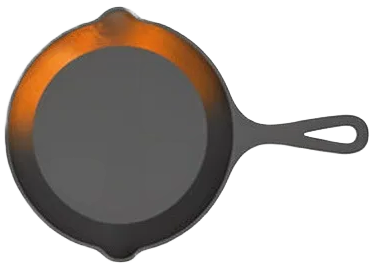
What Is Cast Iron Seasoning and Why Is It Important?
If you’ve ever worried about rust or stickiness on your cast iron, you’re not alone. Seasoning is the secret to a durable, non-stick pan, and it’s simpler than you might think.
- What seasoning actually is-it’s not dirt, but a protective coating you build.
- Why this layer stops rust and makes cooking smoother every time you use it.
- How to maintain your seasoning so your pan lasts for generations.
The Simple Truth About Seasoning: It’s Not What You Think
When you hear about a “well-seasoned” pan, you might picture a layer of cooked-on grease. That’s the most common misunderstanding. True seasoning is something else entirely.
Cast iron seasoning is a thin, hard layer of polymerized oil bonded to the metal’s surface. It is not a film you apply, like butter on toast. It is not a separate coating that sits on top. It becomes part of the pan itself through a chemical reaction.
Think of it like a single, perfect coat of durable enamel paint on a metal gate. The paint bakes on, fusing with the metal to create a smooth, protective shell. Now, imagine if you tried to glue plastic wrap to that same gate. It would be a messy, separate layer that peels and slips. Many people treat seasoning like that glue or plastic wrap, piling on thick coats of oil, and then wonder why their pan gets sticky or flakes.
So, what does it mean to season a cast iron pan? It means you are using heat to transform a tiny amount of oil from a liquid into a solid, plastic-like shield that is chemically bonded to the iron. This isn’t just cooking. It’s a change at the molecular level. That “black mirror” finish on a vintage skillet? That’s decades of these ultra-thin, polymerized layers built up over time, not a thick crust of grime.
How Seasoning Actually Works: The Science in Your Kitchen
The magic word is polymerization. It sounds complex, but you see it every time you season a pan. When you heat certain oils past their smoke point, their molecular chains start to link together. They crosslink with each other and with the iron surface, transforming from a liquid into a solid, durable matrix.
It’s a two-part dance: first the oil, then the heat. You wipe on a microscopic layer of oil. I mean, you should try to wipe it all off. The pan should look almost dry. This thinness is critical. Then, you apply enough heat, typically in an oven over 450°F, for about an hour. The heat does the work, not the volume of oil.
This process of seasoning a cast iron works by using heat to permanently fuse oil molecules to the metal and to each other, creating a slick, non-stick surface that also seals the iron from rust. The best oils for this have a high smoke point and the right fat structure, like flaxseed, grapeseed, or plain old Crisco.
This is the key difference between true seasoning and a mess. That sticky, gummy feeling on a pan? That’s oil or fat that got hot but didn’t get hot enough, or long enough, to fully polymerize. It’s just “caked-on.” True seasoning is hard and slick. You can feel the difference on my daily driver skillet-it’s smooth like a river stone, not tacky like tape.
Why a Good Seasoning Layer is Non-Negotiable
A layer of seasoning is not just an optional extra for your cast iron. It is the fundamental difference between a frustrating, rusty piece of metal and a durable, high-performance cooking tool. Think of it as the pan’s own built-in protective gear and non-stick system. Chemistry-wise, the oils polymerize to bond with the iron. This creates a durable, non-stick film on the surface.
Its importance comes down to three main jobs.
First, it creates a natural non-stick surface that gets better every time you use it. This isn’t a chemical coating. It’s a layer of polymerized oil that becomes slick and hard. It’s similar to the smooth, glassy feel of a well-used wooden tool handle, a slickness earned through repeated use and care.
Second, it is your number one defense against rust. Cast iron is porous. Without seasoning, moisture and oxygen meet the raw iron and create rust. The seasoning acts as a physical barrier, sealing those microscopic pores. A strong, intact layer stops rust before it can even start. Proper care will ensure your pan stays rust-free.
Third, it creates a superior cooking surface for flavor. A good seasoning layer prevents food from tasting metallic. It also allows for beautiful browning and fond development. You cook on the seasoning, not on the bare iron, which leads to better tasting results every time. Even if you buy pre-seasoned cast iron cookware, it’s beneficial to apply your own seasoning layer.
Quick Snapshot: Seasoning vs. Problems
This table helps you quickly match what you see on your pan with the state of its seasoning.
How to Read Your Pan: Is Your Seasoning Good or Gone?
Your pan will tell you everything you need to know about its seasoning. You just need to know how to look and feel.
Start with a visual check in good light. A healthy seasoning layer is a deep, rich color. It can range from glossy bronze to matte black. The key is that it looks even and deep, not gray, metallic, or orange.
Next, run your fingertips lightly across the cooking surface. It should feel incredibly smooth, like glass or a polished stone. Any roughness, grit, or tackiness is a sign that the seasoning is incomplete, weak, or has a layer of gunk on top.
Identify weak spots by looking for areas that are a lighter color, like dull gray iron. Sticky patches feel greasy even when the pan is cool. It is critical to know the difference between true seasoning and carbon build-up. Seasoning is bonded to the metal. Carbon build-up is crumbly food residue that sits on top and will flake off into your food.
One functional test is the “water bead test.” Heat your clean, dry pan over medium heat for a minute. Sprinkle a few drops of water onto the surface. On a well-seasoned, non-stick surface, the water will form tight, fast-moving beads that skate around. If the water just sits and spreads out, the seasoning may be weak or the surface is not clean.
What Helped Me: The “Thumb Rub” Test
Over the years, the most reliable check I’ve found is the simple thumb test. With a perfectly clean, dry pan at room temperature, I press the pad of my clean thumb firmly onto the cooking surface and rub in a small circle.
A good seasoning layer feels slick and glassy under your thumb, offering almost no friction. If it feels rough, gritty, or offers any resistance, the seasoning needs maintenance. If it feels at all sticky or greasy, it likely has unpolymerized oil or residue that needs to be cleaned off before you cook or re-season. This simple tactile check has never steered me wrong.
Keeping It Strong: Daily Care for Lasting Seasoning
Think of a well-seasoned pan as a living finish. It gets better with regular, gentle use. Your daily routine after cooking is what keeps it that way.
The After-Cooking Cleanup
Forget the old myth about soap. Modern dish soaps are mild and won’t hurt your polymerized seasoning. I use a dab every time.
Here is your simple, three-step process:
- While the pan is still warm (not scorching hot), rinse it with warm water.
- Use a soft brush, sponge, or chainmail scrubber for stuck-on bits. A little soap is fine.
- Dry it immediately and completely with a towel.
Thorough drying is the single most important step to prevent rust. I always put my dried pan back on a warm stovetop burner for a minute to evaporate any last moisture. You’ll see the last tiny water beads disappear.
The Optional Storage Coat
After drying and heating, you can add a micro-thin layer of oil for storage. This isn’t re-seasoning. It’s just a protective barrier.
- Put a few drops of your seasoning oil on a paper towel.
- Wipe it all over the cooking surface.
- Then, take a clean, dry paper towel and buff the pan like you’re trying to remove all the oil you just added. What remains is the perfect, almost undetectable film.
I do this for my pans going into long-term storage, but not necessarily for my daily driver that gets used every other day.
Cooking Habits: Friends and Foes of Seasoning
Not all cooking is equal for your pan’s finish.
Good habits that build seasoning: Searing meats, frying foods, and baking cornbread or biscuits. These tasks use ample fat and steady heat, which is the perfect recipe for strengthening that polymerized layer. My 12-inch skillet has its best finish from years of searing steaks.
Tasks that require a little caution: Simmering tomato sauce, cooking wine-based pan sauces, or making a long-simmering chili. The acidity can, over extended time, dull or weaken the top layer of seasoning. This doesn’t mean you can’t do it. Just don’t let your new pan simmer tomato sauce for four hours on its maiden voyage. Cook your acidic dish, clean the pan well, dry it, and give it a quick stovetop seasoning or your next fatty cook.
How Often Should You Re-season?
You don’t season on a calendar. You season based on your pan’s condition. A pan in constant use might only need a deliberate oven seasoning once a year, if that. Look for these signs:
- Food starts sticking in areas that were previously non-stick.
- The surface looks dull, blotchy, or feels rough to the touch.
- You see a spot of rust after cleaning.
If the pan is mostly fine with one sticky spot, you can fix just that spot. If the whole surface is failing, it’s time for a full re-season.
Fixing Flakes, Sticky Spots, and Rust
Seasoning problems are not failures. They’re feedback. Each common issue tells you exactly what went wrong and how to fix it.
Why Seasoning Fails
- Flaking: This is almost always caused by seasoning layers that were too thick. The oil pools, polymerizes into a brittle layer, and chips off like old paint. More thin coats are always better than one thick one.
- Sticky Spots or a Tacky Feel: This means the oil didn’t fully polymerize. The pan wasn’t hot enough, or it was in the oven too briefly, leaving behind a semi-cured, gummy residue.
- Rust: Moisture is the enemy. Rust appears when water is left sitting on the bare iron, either because the seasoning was damaged or, more commonly, because the pan wasn’t dried thoroughly enough after washing.
How to Spot-Repair Damage
For a small flake, sticky patch, or pinhead of rust, you don’t need to strip the whole pan. Here is my workshop method for a quick fix.
- Clean and Dry: Scrub the affected area with warm, soapy water and a scrubber. Dry it completely.
- Scuff the Area: Use fine steel wool (000 or 0000 grade) to gently sand the problem spot and a little of the surrounding good seasoning. You just want to create a smooth, even surface for the new oil to bond to. Wipe away any dust.
- Apply a Micro-Thin Coat of Oil: Put a drop of oil on a paper towel and rub it only into the repaired area.
- Polymerize the Oil: Heat the pan on your stovetop over medium heat. Let it heat until the oil starts to smoke lightly, then continue heating for another 2-3 minutes. Turn off the heat and let the pan cool on the burner.
This stovetop method is perfect for building up one or two layers in a specific spot to blend with the existing seasoning. You can repeat steps 3 and 4 once or twice after the pan cools if the spot still looks bare.
When a Full Re-Season is Needed
If the seasoning is flaking all over, extremely sticky, or if rust covers a large area, spot-repair is a temporary fix. The underlying foundation is compromised. In this case, the most reliable path is to strip the pan back to bare iron and start fresh. This links back to assessing your pan’s condition. A full strip and re-season isn’t a setback. It’s a fresh start. For a thorough, step-by-step plan, see the complete guide on restoring rusty cast iron cookware. It covers cleaning, seasoning, and repair.
The Reassuring Truth
Removing seasoning does not harm the cast iron itself. The iron skillet is incredibly durable. I’ve stripped and re-seasoned my favorite vintage griddle three times over the last decade. Each time, it came back better. The process of building seasoning is a skill, and having to practice it again just makes you more confident. Your pan can always be restored, especially if you know where to start.
Your Seasoning Toolkit: Oils and Utensils
What should you actually use to build your seasoning? You don’t need special products. A good seasoning oil needs two key qualities: a high smoke point and low impurity.
A high smoke point means the oil can handle your oven’s heat without burning and smoking excessively. This lets it polymerize smoothly. Low impurity, often found in refined oils, means fewer solids that can carbonize and leave a sticky or spotty finish.
Think of it like painting a wall: you want a clean, durable paint (a refined oil with a high smoke point) that goes on in thin, even coats.
Comparing Common Seasoning Oils
Many oils work well. I’ve used most of them on my own collection. The “best” one is often the one you already have in your pantry.
| Oil/Fat | Smoke Point | Notes from the Workshop |
|---|---|---|
| Grapeseed Oil | About 420°F | My personal go-to. It’s highly refined, has a neutral scent, and builds a very hard, durable layer over time. |
| Avocado Oil (Refined) | About 520°F | An excellent high-heat option. It’s pricier, but its very high smoke point makes the seasoning process forgiving. |
| Refined Coconut Oil | About 400°F | A solid choice. It’s important to use the refined kind, as unrefined (virgin) coconut oil has impurities and a strong flavor. |
| Crisco or Vegetable Shortening | About 360°F | A classic choice. It’s easy to apply a thin coat because it’s solid at room temperature. It works reliably and is very affordable. |
You can build fantastic seasoning with any oil on this list, so don’t stress about finding a mythical “perfect” oil. Consistency in your technique matters far more than the specific bottle you choose—just make sure it’s one of the best oils for seasoning cast iron.
The Simple Tools You Actually Need
Beyond the oil, your toolkit is basic. Complicated gadgets aren’t necessary.
- For Oiling: A small bowl for your oil and lint-free cloths. I use simple paper towels for application and old cotton t-shirts or shop rags for the final buff. The goal is to wipe the oil on, then wipe almost all of it back off.
- For Cleaning: Gentle tools preserve your work. Use a nylon brush or scrubber for everyday cleaning. For stuck-on food, a chainmail scrubber is fantastic because it cleans aggressively without damaging the seasoning. A coarse salt paste (salt and water) also works as a gentle abrasive.
An Oil to Approach with Caution
Based on widespread experience in the cast iron community, I generally advise against using flaxseed oil (sometimes sold as linseed oil). In reality, the truth about flaxseed oil is that its benefits for seasoning cast iron are overrated. Many cooks find more consistent results with other oils.
It was once highly recommended because it creates a beautiful, hard initial coat that looks like glass. The problem is that this hard coat is often brittle, and it tends to crack and flake off in large sheets over time, especially with thermal expansion. I learned this the hard way with a beautifully restored skillet that eventually shed its seasoning like a sunburn. For a durable, long-term finish, the more forgiving oils listed above are a better bet.
Quick Answers
My pan feels sticky. What did I do wrong?
Stickiness means your oil didn’t fully polymerize. You almost certainly used too much oil during seasoning. Scrub it with soap and hot water to remove the gummy layer, then re-season using a much thinner coat of oil.
How do I handle cooking acidic foods like tomatoes?
You can cook acidic dishes, but don’t let them simmer for hours, especially in a new pan. After cooking, clean and dry your pan promptly. Follow up with a cook that uses fat to reinforce the seasoning.
Do I need to strip and re-season my pan if the seasoning flakes?
Not always. For minor flaking, scrub the area smooth, apply a micro-thin layer of oil, and polymerize it on the stovetop. A full strip is only needed if the entire seasoning layer is failing or rust is widespread.
Keeping Your Skillets Seasoned
The single most important thing to remember is that your cast iron’s seasoning is a protective layer you build and maintain through regular, gentle care. Focus on cleaning with mild soap, drying it completely, and applying a whisper-thin coat of oil after each use to keep that non-stick patina growing stronger. If you’re dealing with rust or considering a full restoration, I’ve written detailed guides that cover those processes step-by-step. But for regular maintenance, nothing beats consistently seasoning your cast iron.
Deep Dive: Further Reading
- r/explainlikeimfive on Reddit: ELI5: How does seasoning cast iron work?
- Jeff Rogers’ Cast Iron Seasoning Method – The Culinary Fanatic™
- How to Season a Cast Iron Pan (It’s Easier Than You Think!)
- What is cast iron seasoning? – Lodge Cast Iron
- Seasoning (cookware) – Wikipedia
Joseph Gerald
A material science expert by profession, Joseph is also an avid cook. He combines his 10+ years expertise in material science and metallurgy with his passion for cast iron cookware to bring you best hands on advice. His expertise ranges from types of cast iron cookware to best seasoning tips as well as restoration of vintage cast iron utensils. Joe is here to help you solve all your cast iron cookware queries and questions.