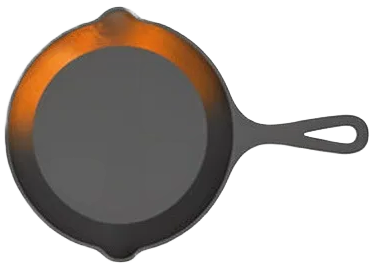
Should You Choose Cast Iron Over Other Cookware?
If you love your cast iron but sometimes wonder if easier-to-care-for pans are a better fit, I’ve been there too. This direct comparison will show you exactly how cast iron’s unique care pays off in the kitchen.
To give you a clear, practical breakdown, here’s what we’ll explore:
- How cast iron’s seasoned surface stacks up against factory-applied non-stick coatings.
- The real maintenance effort compared to stainless steel, ceramic, and aluminum.
- Why heat retention and durability make cast iron a lifetime investment.
Key Takeaways Before You Decide
Choosing a pan isn’t about finding the single “best” material. It’s about matching a tool’s personality to yours. Here are the core differences at a glance.
- Cast iron holds heat like a champion, while stainless steel heats up fast and copper responds in a flash.
- Nothing is more durable than a bare cast iron skillet, but it requires a dedicated seasoning routine to prevent rust.
- Enameled cast iron offers non-stick ease and no seasoning, but the glass-like coating can chip if abused.
- Non-stick pans are the easiest for cleanup, but their coatings wear out and cannot handle high heat.
The right pan for you hinges on what you cook, how much maintenance you’ll actually do, and what feels good in your hand. If you love the ritual of care as much as the cooking, bare cast iron is your partner. If you want “set it and forget it” convenience, another material might suit you better.
What Is Cast Iron, Really?
Let’s strip away the mystery. Cast iron cookware is made by melting iron and pouring it into a sand mold. This process creates a single, heavy piece of metal with a slightly rough texture. That texture is the key to everything that comes next.
You must understand the two main branches of the cast iron family: bare and enameled.
- Bare Cast Iron: This is the raw, porous metal that comes out of the mold. To make it non-stick and rust-proof, you build up layers of polymerized oil, called “seasoning,” directly on its surface. I think of my 10-inch skillet like a cherished wooden cutting board. You oil it regularly to protect and improve it.
- Enameled Cast Iron: This starts as the same raw iron, but at the factory, it’s coated in a layer of durable, colored glass (the enamel). This seals the iron forever, so it never needs seasoning and won’t rust. Using my analogy, it’s like that same cutting board sealed permanently in a smooth, colorful plastic. You just wash it.
They may look similar sitting on the shelf, but their care and cooking performance are worlds apart.
The Cast Iron Balance Sheet: Pros and Cons
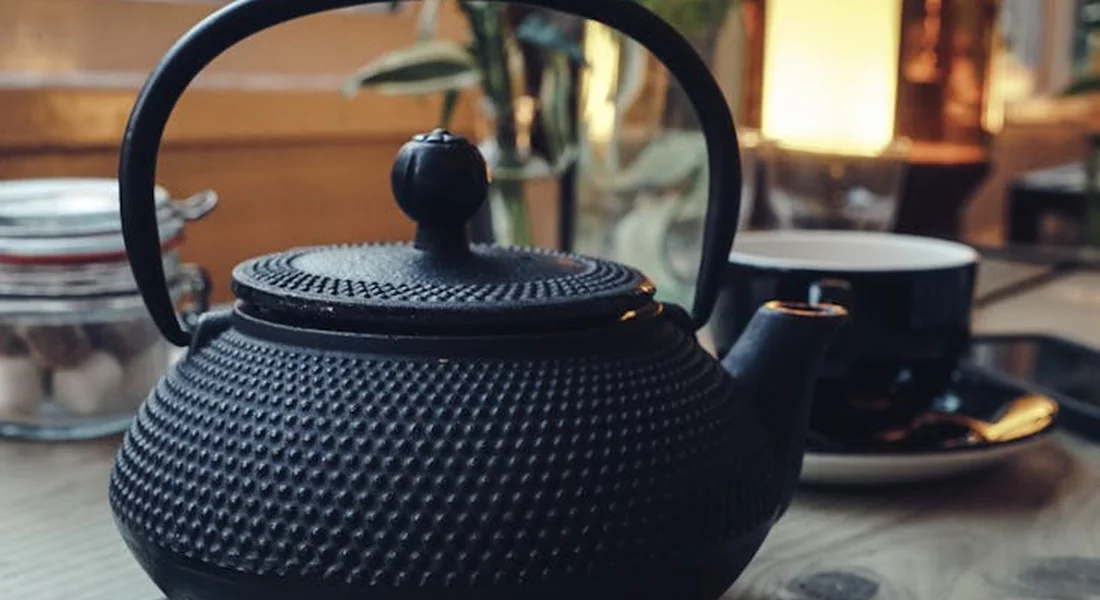
Cast iron isn’t magic, but its unique properties can feel that way. It also comes with trade-offs that you need to know before you commit. Let’s look at the honest ledger.
The Advantages: Where Cast Iron Shines
Durability is nearly unmatched. A well-cared-for cast iron piece isn’t just a purchase; it’s an heirloom. I have a skillet from the 1940s that performs as well as the day it was made. While other pans wear out or warp, a cast iron pan can last for generations with basic maintenance.
Superior heat retention is its superpower. Once cast iron gets hot, it stays hot. This makes it the undisputed champion for tasks like searing a steak or creating a perfect crust on cornbread. Think of it like a thermal battery. It holds onto heat energy far better than thin stainless steel or aluminum pans.
Its versatility is a major win. You can start a dish on the stovetop and finish it in the oven without a second thought. Try that with a non-stick pan with a plastic handle. This one-pan capability simplifies cooking and opens up a world of techniques, from skillet cookies to braised chicken.
Non-stick potential comes from your care. This is the most misunderstood point. A new or stripped cast iron surface is naturally sticky. The non-stick quality is built through seasoning-a layer of polymerized oil you create and maintain. It’s not as instantly slick as Teflon, but a well-seasoned pan develops a remarkably resilient, natural non-stick surface over time. The slickness you earn is far more durable than any factory-applied coating.
It can develop flavor, or “patina.” This isn’t about adding a metallic taste. A well-used, seasoned pan contributes to the Maillard reaction (that beautiful browning) and can hold onto subtle flavors from previous cooks, enhancing dishes in a way a sterile new pan cannot.
The Disadvantages: The Trade-Offs You Manage
Its weight is a double-edged sword. That heft provides incredible stability on the burner-no sliding around when you’re searing. But lifting a 12-inch skillet, especially when it’s full of food, is a real task. If you have wrist issues or just prefer a lighter pan for daily eggs, this is a genuine consideration.
Heating is slow and can be uneven. Cast iron takes longer to heat up than multi-ply clad cookware. It also tends to have hot spots, especially on electric coils. The key is preheating it low and slow, giving the entire pan time to come up to temperature evenly. You can’t treat it like a responsive aluminum pan.
Reactivity with acidic foods is a real factor. Cooking tomato sauce, wine-based pan sauces, or lemon chicken for extended periods can degrade your seasoning and even leach a small amount of iron into the food (which is generally safe, but can impart a metallic taste). I use my enameled cast iron for long-simmered acidic dishes and reserve my bare iron for shorter cooks or to build a fond I’ll deglaze quickly.
Seasoning requires ongoing maintenance. This is the core commitment. You can’t just throw it in the dishwasher. Seasoning can chip, get sticky, or thin over time. You’ll need to know how to clean it gently, oil it after drying, and occasionally re-season it in the oven. View this not as a chore, but as the simple ritual that keeps your pan performing at its best for decades.
How Cast Iron Handles Heat and Acid
One of the most important things to know about a pan is how it manages temperature and interacts with your food. Cast iron has a very specific personality in the kitchen.
Heat Retention: Your Kitchen’s Thermal Battery
Think of heat retention as how well a pan holds onto heat, and heat conductivity as how fast it spreads that heat across its surface.
Cast iron is a champion of retention but a slowpoke with conductivity. It heats up unevenly at first. You might notice a hot spot directly over the burner. Given a few minutes on medium-low heat, however, that heat soaks all the way through the thick metal. That steady heat matters for your cooking—it’s what gives you even browning. With it, you can cook more predictably, whether searing or simmering.
Once it’s hot, it stays hot. It won’t cool down quickly when you add a cold steak. This makes it fantastic for tasks where you want steady, consistent heat, like searing or baking cornbread. Cast iron acts like a thermal battery; it takes a while to charge up, but it delivers steady, reliable power for a long time.
Compare this to materials like copper or aluminum. They have high conductivity. They heat up fast and spread that heat evenly almost instantly. But they also lose heat fast when cold food hits them. They are sprinters, while cast iron is a long-distance runner.
Reactivity and the Acid Question
Pure, bare cast iron is reactive. It can chemically interact with acidic foods like tomatoes, wine, or vinegar. This can cause a metallic taste in your food and, over long cooking times, potentially strip away your hard-earned seasoning.
This is why you often hear warnings about cooking tomato sauce in a cast iron skillet. The hero of this story is your seasoning layer, a polymerized coat of oil that acts as a non-stick, non-reactive barrier between the iron and your food.
With a strong, well-maintained seasoning, you can cook acidic dishes for shorter periods. My daily driver skillet handles a quick pan sauce with wine just fine. For a three-hour simmered tomato ragù, I personally choose my enameled Dutch oven. It’s about knowing your tool’s limits and the strength of its protective coat.
Direct Comparison to Other Materials
How does this stack up against common alternatives?
- Stainless Steel is largely non-reactive. You can deglaze with wine, simmer tomatoes for hours, and not worry about metallic flavors or damaging the pan. It won’t build a seasoning, relying instead on proper pre-heating and fat for food release.
- Uncoated Aluminum is highly reactive. Cook a tomato sauce in it, and you’ll definitely taste the metal. This is why most aluminum cookware has a non-stick or anodized coating to seal the surface.
- Cast Iron (with seasoning) sits in the middle. It’s not as inert as stainless steel, but a robust patina makes it far more resilient than bare aluminum. Its performance with acid is directly tied to your maintenance routine.
The takeaway isn’t that cast iron is fragile. It’s that its performance is active, not passive. Your care directly shapes how versatile and non-reactive your pan becomes.
Cast Iron vs. Stainless Steel: The Heirloom vs. The Workhorse
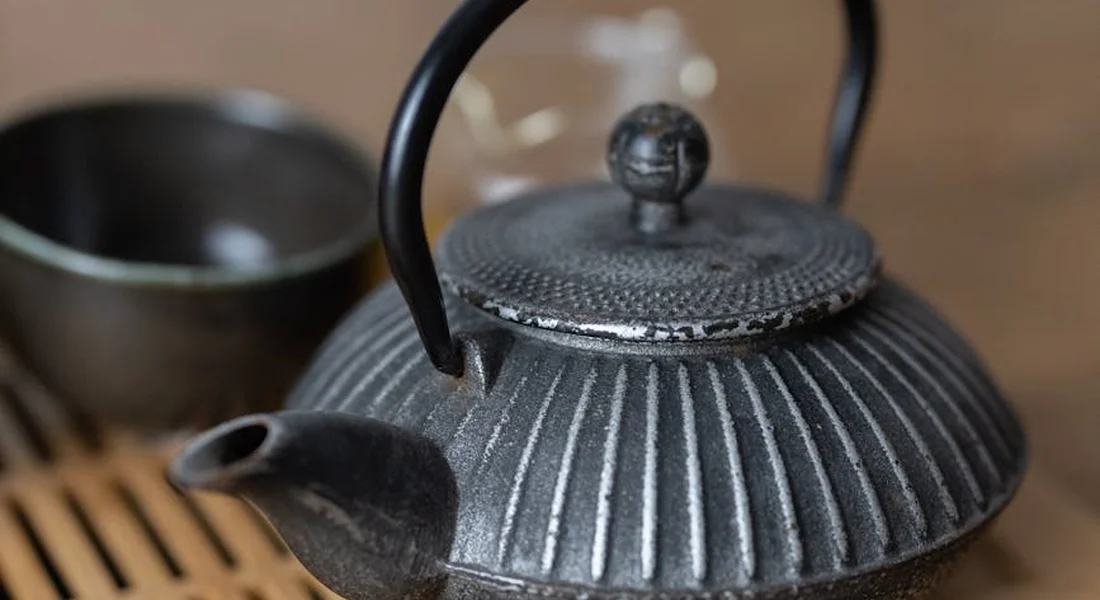
Choosing between these two is less about which is “best” and more about which tool fits your cooking style. I keep both in my kitchen because they do different jobs so well.
Heat Performance: The Slow Burn vs. The Quick Shot
Cast iron is famous for its heat retention. It heats unevenly at first, but once hot, it stays hot. This makes it perfect for getting a deep, consistent sear on a steak or for keeping a stack of pancakes warm. My old skillet holds heat so well I can take it from the stove to the table and dinner stays warm.
Stainless steel, especially multi-ply clad versions, heats up faster and more evenly across its surface. The trade-off is that stainless steel doesn’t hold onto that heat the way cast iron does; the temperature will drop quickly when you add cold food. For a rapid boil or a quick pan sauce, stainless steel is often the better choice.
Maintenance: A Relationship vs. A Chore
This is where they diverge completely. Stainless steel maintenance is straightforward: wash with soap and water, dry it, and you’re done. You can scrub it hard, use any detergent, and it won’t affect the pan’s performance.
Cast iron requires a more mindful approach. You wash it gently, dry it completely (I always give mine a few minutes on a warm stove burner), and occasionally rub it with a thin layer of oil. This isn’t difficult work, but it is a consistent practice that builds a natural, non-stick surface over years. Neglect that routine, and cast iron will rust. Stainless steel simply won’t.
Durability: The Lifelong Companions
Both materials are incredibly durable. A quality stainless steel pan can last a lifetime and handle dishwasher cycles (though I don’t recommend it for the best finish). A cast iron piece can last for generations, surviving drops and metal utensils that would ruin other pans. The durability difference isn’t about strength, but about consequence: stainless steel is forgiving of neglect, while cast iron asks for a little care in return for its service. For a side-by-side durability performance comparison, see how they hold up to heat cycles and daily use. That context helps you choose the best fit for your cooking routine.
Grill Grates: Searing Marks vs. Simple Cleanup
So, are cast iron grill grates better than stainless steel? It depends on what you value most. Cast iron grates get extremely hot and create excellent, dark sear marks because of their superior heat retention. They also need the same drying and oiling care as a skillet to prevent rust.
Stainless steel grill grates heat well and are famously easy to clean. You won’t get the same level of heat mass for searing, but you also won’t ever worry about seasoning or rust. For many grillers, the maintenance-free nature of stainless steel makes it the more practical choice for an outdoor appliance that faces the elements.
Cast Iron vs. Non-Stick: The Lifetime Partner vs. The Disposable
When you hold a new non-stick pan, it promises effortless cooking. A fresh cast iron skillet feels like a rough promise. The real difference isn’t in that first use. It’s in what happens after hundreds of meals.
Durability: Renewable vs. Throwaway
A non-stick coating is a thin veneer sprayed onto metal. Over time, it simply wears down. You might see scratches from a metal spatula. The slick surface turns patchy, and food starts to stick. Once it’s gone, it’s gone for good. The pan is finished.
Cast iron is different. Its non-stick property comes from a layer of polymerized oil you build up yourself. This is the seasoning. If you scrape it, burn it, or damage it, you don’t throw the pan away. You just fix it.
You can always re-season a cast iron skillet, making its non-stick surface renewable for a literal lifetime. My daily driver skillet has been stripped and re-seasoned three times over twenty years. It performs better now than when I bought it. That is impossible with any non-stick pan.
Safety and Heat: Simplicity vs. Synthetic Limits
Cast iron is fundamentally simple. It’s just iron. You season it with standard cooking oils or fats. When heated correctly, it doesn’t release anything into your food or the air beyond the iron itself, which can be a dietary benefit.
Modern non-stick coatings are complex polymers. While generally safe at normal cooking temperatures, they have a strict upper limit. If you accidentally leave an empty non-stick pan on high heat, it can begin to break down and release fumes.
Cast iron has no such temperature ceiling, making it safer for high-heat searing, broiling, or moving from stovetop to oven. You never have to worry about overheating and ruining your pan’s coating or your kitchen air.
Performance: The Crust You Can’t Fake
Here is where the rubber meets the road, or rather, the steak meets the pan. A non-stick surface is designed to prevent sticking. It does this job well for delicate foods like eggs. But that same slippery quality works against you when you want a perfect sear.
To develop a flavorful, crispy crust on a steak or get those charred bits for a pan sauce, you need food to make contact with intense, direct heat. Non-stick pans often insulate the food from that direct contact.
Cast iron excels at this. It holds and distributes heat powerfully, creating that coveted Maillard reaction. A well-seasoned cast iron pan gives you both reliable release and unparalleled browning power, something non-stick technology cannot replicate.
Furthermore, you would never put a non-stick pan under a broiler or use metal tools in it. With cast iron, you can do both without a second thought.
So, Is Cast Iron Better Than Non-Stick?
The answer depends on what “better” means for your kitchen. Think of it this way.
- Choose a non-stick pan for a single, specific job: quick, low-fat cooking with zero fuss, like eggs or fish fillets. Plan to replace it every few years.
- Choose cast iron as a foundational kitchen tool. It asks for a little more knowledge about heat control and cleaning. In return, it offers decades of service, unmatched versatility for searing and baking, and safety at any temperature.
Cast iron isn’t just a pan; it’s a durable heirloom you maintain, while non-stick is a convenient consumable you eventually replace. For sheer longevity, safety, and cooking performance, cast iron is the definitive choice. For a no-thought, temporary solution, non-stick has its place. In the home kitchen, many ask which wins: cast iron vs non-stick for everyday cooking. Knowing the difference lets you use the right tool for the right job, forever.
Cast Iron vs. Aluminum & Carbon Steel: The Close Cousins
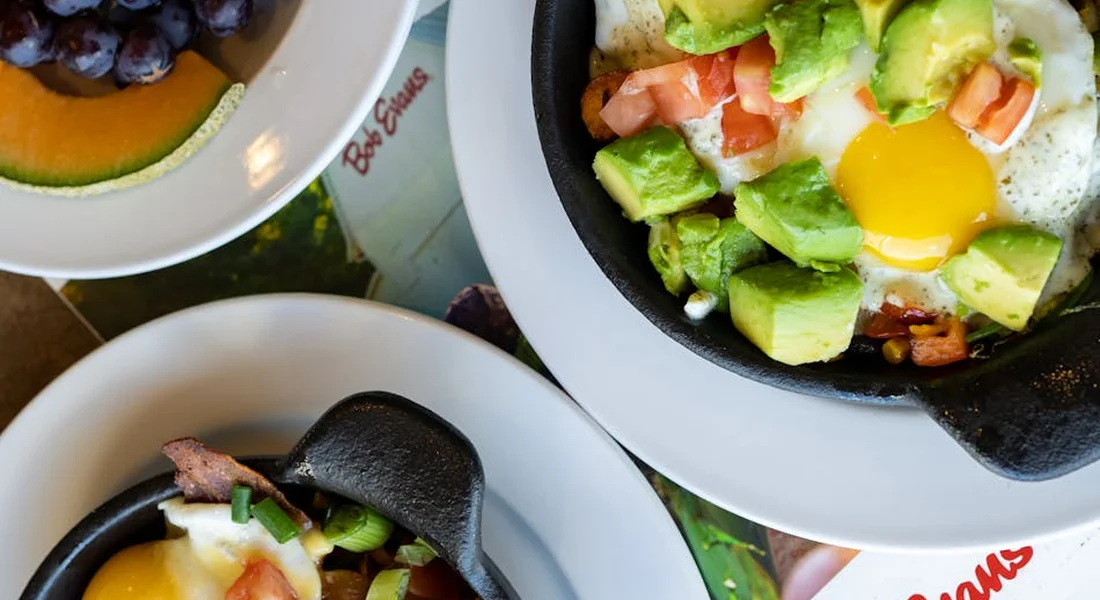
These metals are often the closest alternatives people consider. Understanding their differences helps you pick the right tool for the job, or appreciate why your cast iron does what it does.
Aluminum: The Lightweight Heat Conductor
Anodized aluminum is the sports car of cookware. It heats up incredibly fast and spreads that heat evenly across its surface. This makes it fantastic for tasks where quick, uniform temperature is key, like making a delicate sauce.
But that speed and lightness come with trade-offs. Aluminum is a reactive metal, which means it can interact with acidic ingredients like tomatoes or wine, sometimes giving food a metallic taste and dulling the pan’s surface. You also can’t build up a protective seasoning layer on it like you can with iron.
Its light weight is a double-edged sword. Thin aluminum can warp permanently if it goes from a hot stove to a cold sink, or if it’s heated on a burner that’s too small. Think of your cast iron’s heft not as a burden, but as the foundation for its remarkable, warp-proof heat retention.
Carbon Steel: Cast Iron’s Lighter Sibling
If you love the idea of cast iron seasoning but want something lighter, carbon steel is your answer. My carbon steel skillet feels like cast iron’s agile cousin. It shares the same core need: a polymerized oil seasoning to create a non-stick, rust-resistant surface.
The care routine is nearly identical. You season it the same way, clean it with the same gentle methods, and dry it with the same urgency. Carbon steel heats up faster than cast iron and is much lighter, making it easier to handle for techniques like flipping food or quick searing.
The main difference is in the metal’s thickness and texture. Carbon steel pans are typically rolled and stamped, giving them smoother cooking surfaces. This can make initial seasoning a bit trickier, as the oil has less texture to grip onto, but a good polymerized layer will form with patience.
Choosing the Right Tool: Use Cases Compared
In my kitchen, each pan has its dedicated spot.
- I reach for my carbon steel pan when I need speed and high heat for a fast sauté, a quick sear on a steak, or making a stir-fry. Its responsiveness is perfect for controlling heat on the fly.
- My cast iron skillets and Dutch ovens come out for projects. They excel at slow, steady cooking where their superior heat retention is a superpower. This includes baking cornbread, deep-dish pizza, braising meats for hours, or pan-frying chicken where you want a steady, even sear.
- For tasks where even heating is absolutely critical and no acid is involved, like melting chocolate or making a butter sauce, a high-quality clad aluminum pan is a specialist tool I keep on hand.
The choice isn’t about which material is universally “better,” but which one’s specific properties are better suited to the task you have in mind. If you’re weighing skillet options, comparing cast iron vs carbon steel can help you decide which is right for your needs. Many dedicated cooks find a happy home for both carbon steel and cast iron, using them as a complementary duo. That choice often comes down to heat retention, response time, and maintenance.
Cast Iron vs. Enameled Cast Iron: Inside the Family
Think of these two as cousins who look alike but have very different personalities. They’re both made from the same heavy, durable material, but what’s on the surface changes everything about how they work and how you care for them.
The Core Difference: A Living Finish vs. a Static Coating
Bare cast iron requires you to build and maintain its cooking surface. This is called seasoning. It’s a layer of polymerized oil-oil baked onto the iron until it becomes a hard, slick, semi-nonstick coating. I think of my great-grandmother’s skillet; its seasoning is a history of every meal it ever cooked, built up over decades.
Enameled cast iron skips this step entirely. The factory fuses a layer of colored glass (the enamel) to the iron at extremely high temperatures. You are cooking on a glass surface, not a seasoned metal one, which means you never have to worry about building or repairing a patina. This single fact dictates all the differences that follow.
Comparing Care: Nurturing vs. Protecting
Your maintenance routine for each is opposite in philosophy. Here’s how they break down:
- Enameled Care is About Gentleness: Since the surface is glass, you never season it. You can use soap freely. Your primary job is to protect that glass coating from damage. Avoid metal utensils that can scratch or chip it. Don’t use abrasive scouring pads. Avoid drastic temperature shocks, like putting a hot pot in a cold sink, as this can cause the enamel to crack.
- Bare Iron Care is About Resilience: Your job is to preserve and strengthen the seasoning. You’ll occasionally re-oil and heat it. While modern gentle soap is generally fine for cleaning, your main tools are a stiff brush, hot water, and maybe some coarse salt for scrubbing. A well-seasoned pan improves with use and can handle metal spatulas and high heat that would ruin an enameled surface. It’s tough but requires your active participation.
Best Uses: Playing to Their Strengths
Because of their different surfaces, each pan has a specialty in the kitchen. I use both types, and choosing the right one makes cooking simpler.
I reach for my enameled Dutch oven when I’m making long-simmered, acidic dishes like tomato sauce, coq au vin, or a pot of chili. The inert glass surface won’t react with the acids, so your food’s flavor stays pure and the enamel won’t degrade. It’s also perfect for slow-cooking braises where you want consistent, gentle heat.
My bare cast iron skillet is my tool for building flavor. I use it for getting a perfect sear on a steak, creating crispy-skinned chicken, or frying cornbread. The bare iron can handle the highest heat my stove can produce. Every time I cook with it, I’m subtly strengthening that nonstick seasoning layer. For high-heat searing and developing a deep, personal patina over years, bare cast iron has no equal.
Maintenance Compared: Ritual vs. Routine
Maintenance is where the myths about cast iron get out of hand. It’s not a chore, it’s a simple practice. It’s the five minutes of care you give a good tool so it keeps working for you. Think of it like wiping down a clean countertop versus deep-cleaning the oven. One is a quick habit, the other is a project.
The Cast Iron Ritual: Seasoning as Simple Care
Seasoning is just baked-on oil. It’s not magic, it’s chemistry. New users often think it’s a complex, hours-long ceremony. In reality, building the initial layers is the only major project. After that, maintenance seasoning is simple.
The goal is to keep your seasoning strong by adding thin layers of oil after cooking and cleaning.
Here’s what my after-dinner ritual looks like for my daily skillet:
- Clean the pan while it’s still warm (not scalding hot) with hot water and a brush or coarse salt. A little mild soap is perfectly fine for a well-seasoned pan.
- Dry it immediately and thoroughly with a towel.
- Place it on a stovetop burner on low heat for 2-3 minutes to evaporate any last moisture.
- While it’s warm, add 3-4 drops of a high-smoke-point oil (like canola or grapeseed) and rub it over the entire surface with a paper towel.
- Then, take a clean, dry paper towel and buff the surface until it looks dry. You’re leaving behind a microscopically thin, even coat.
- Let the residual heat from the burner set that coat for a minute, then turn it off.
That’s it. The whole process takes less time than loading the dishwasher. This routine reinforces your seasoning with every use. If you see dull spots or minor scratches over time, a single oven seasoning session brings it right back. You’re not starting over, you’re just touching up the finish.
The Other Routines: Simple and Sensitive
Other materials have their own rules, which often boil down to avoiding damage.
Stainless steel asks for the simplest routine: wash with soap, dry it, and put it away. There’s no coating to protect. You can scrub it fiercely with steel wool to remove burned-on food. Its maintenance is about fighting rust on the exterior if you have a cheaper grade, and keeping its polished look. It’s durable but offers no natural non-stick benefit, so cooking often involves more oil or precise temperature control to prevent sticking.
Non-stick requires the most gentle, careful handling to preserve its fragile coating. You must use soft sponges, avoid metal utensils, and never use high heat. Hand-washing is mandatory. The routine is defined by limitations: “don’t scratch it, don’t overheat it, don’t stack it roughly.” You are constantly protecting a surface that is designed to eventually fail.
Weighing the Lifetime Cost
Look at maintenance as part of the total cost. A quality cast iron skillet might cost 70 dollars. With proper care, your great-grandchildren could be cooking with it. The “cost” is the small, consistent effort of the ritual described above.
Compare that to a non-stick pan. A decent one may cost 40 dollars. But even with perfect, gentle care, the coating will degrade and lose its effectiveness, typically within 3 to 5 years of regular use. Then you must replace it.
The financial math is straightforward: one cast iron pan paid for once, or a new non-stick pan every few years, forever.
Stainless steel sits in the middle. It has near-indestructible durability like cast iron but often comes with a higher initial price tag for high-quality, multi-ply pieces. Its lifetime cost is very low, as its maintenance is simple and it won’t need replacing. You pay more upfront for that convenience and performance.
Common Mistakes When Choosing and Using Cast Iron
Cast iron is fantastic, but it’s not magic. It has its own personality. Getting the best results means working with its strengths, not fighting its quirks. I’ve made most of these mistakes myself, so let’s walk through them together.
Expecting It to Heat Like Other Metals
This is the big one. You might pick up a new clad copper or aluminum pan and notice it heats up fast and the temperature is the same across the entire cooking surface. Cast iron doesn’t work that way.
It heats slowly and can have hot spots, especially on electric burners. The real superpower of cast iron is not even heating, but incredible heat retention. Think of it like a thermal battery. Once it’s fully preheated and that heat is distributed, it holds onto it fiercely. This is why it sears so well. The trick is to give it more time on a medium-low flame to warm up thoroughly before you crank the heat or add food. I learned this the hard way with many a stuck egg.
Using High Heat for Everything
Because cast iron is so tough, people think it can handle maximum heat all the time. This leads to two problems: warping and sticking.
Slamming a cold skillet onto a roaring high burner creates intense, uneven stress that can warp the bottom over time, creating a “spinner.” It also causes the seasoning to burn off. For most cooking, a solid medium heat is perfect. You only need high heat for a brief, hard sear after the pan is already hot. Always start low and slow to let the heat spread, then adjust upwards.
Being Afraid of Soap
The old rule was “never use soap on cast iron!” That was true decades ago when soaps contained lye, which would strip seasoning. Modern dish soaps are mild detergents.
A quick wash with soap and a soft sponge will not harm your well-built seasoning layers. Using a little soap is far better than leaving grease and food bits on the pan, which leads to rancidity and a sticky surface. I use a dab of soap on my daily driver skillet after cooking onions or garlic. Just rinse well, dry immediately, and give it a tiny wipe of oil.
Confusing Enameled for Bare Iron
Enameled cast iron (like those famous colorful Dutch ovens) and traditional bare cast iron require different care. They look similar but feel different.
The enamel is a glass coating. Using metal utensils on it will scratch and chip that coating permanently. You also don’t season enameled pieces. If the cooking surface is smooth, shiny, and often white or black, it’s enameled. If it’s dark gray, matte, or slightly textured, it’s bare iron that needs seasoning. Always check before you buy or use a tool.
Not Checking for a Warped Pan (“Spinners”)
A warped skillet rocks or spins on a flat glass stovetop. It won’t make good contact on a coil burner either. Heat won’t transfer evenly, and you’ll constantly fight with oil pooling at the edges.
You can avoid this with a simple 10-second test before you buy, especially for vintage or secondhand pieces. Place the skillet face-down on a flat, hard surface like a store countertop or glass shelf and gently press the edge. If it rocks or you can spin it, it’s warped. A flat pan will sit perfectly still with no wobble.
Is Cast Iron Right for Your Kitchen?
Before you commit to a skillet that can outlive you, it’s good to know if your cooking style is a match. A cast iron pan is more of a kitchen partner than a simple tool. If you’re curious how it might fit your cooking, a complete guide on why use a cast iron skillet lays out its benefits and advantages.
The Ideal Cast Iron Cook
You’ll likely thrive with cast iron if a few things ring true. You don’t mind a short ritual of cleaning and oiling after dinner. You cook with medium or high heat regularly for searing, frying, or baking. You appreciate tools that improve with age and care.
The person who gets the most from cast iron is the cook who sees maintenance not as a chore, but as a satisfying part of the process of building a better kitchen. My oldest skillet feels like a member of the family because I’ve put that time in. If you cook most nights and value a pan that can go from stovetop to oven without a second thought, you’re a great candidate.
When Other Materials Might Be a Better Fit
Cast iron isn’t perfect for every person or every task. Being honest about its limits saves you frustration. Here are a few cases where another pan might serve you better.
First, consider weight. A 12-inch cast iron skillet weighs about 8 pounds empty. If you have wrist, hand, or shoulder concerns, lifting and maneuvering it can be difficult. A good carbon steel pan offers similar cooking performance at about half the weight.
Second, think about heat responsiveness. Cast iron heats slowly and holds heat incredibly well, which is great for a steady sear. If you need to quickly adjust temperature for delicate sauces or have an electric coil stove that cycles on and off, you might find cast iron’s slow response frustrating. For instant, even heat adjustment, clad stainless steel or copper-core pans are the technical choice.
Finally, be honest about your tolerance for maintenance. While seasoning is simple, it’s not zero. You can’t chuck a cast iron pan in the dishwasher after a long day. If you want a pan you can absolutely neglect, a quality non-stick skillet (replaced every few years) is your tool.
A Lifelong Companion
For the right cook, these considerations aren’t dealbreakers. The weight becomes familiar. You learn to manage the heat. The quick wipe-down becomes a peaceful kitchen habit.
Choosing cast iron is an investment in a piece that will become more non-stick and more beautiful with every use, a kitchen companion you can pass down. It’s not the only material you’ll ever need, but for many of us, it’s the heart of the kitchen. That’s a relationship worth building.
Common Questions
How do I cook acidic foods without ruining my cast iron’s seasoning?
A strong, well-maintained seasoning is your pan’s armor. For quick dishes like a pan sauce, a well-oiled skillet can handle a brief deglaze with wine or a squeeze of lemon. For long simmers with tomatoes or vinegar, use your enameled cast iron instead to preserve your bare iron’s patina without risk.
Is cast iron actually safer than non-stick cookware?
Yes, from a material safety standpoint. Cast iron is inert, seasoned with simple oils, and has no temperature limit, eliminating risks from overheated synthetic coatings. The small amount of iron leached into food is generally considered a dietary benefit, not a safety concern—cast iron cookware safety.
How do I know when my pan needs to be re-seasoned?
Look for patches that appear dull, gray, or rusty, or feel sticky or rough to the touch. This means the protective polymerized oil layer is thin or damaged. A single round of oven seasoning will repair these spots and restore your surface.
Why Cast Iron Earns Its Permanent Place
After comparing all the options, remember that cast iron’s superiority hinges on one simple practice: maintaining its seasoning. That thin, cooked-in layer of oil is what guarantees a non-stick surface and stops rust for decades. Season, oil, and maintain your cast iron cookware as a regular habit to protect that seasoning. This simple routine keeps the pan performing at its best. From here, you can build on this foundation by learning about stripping old seasoning or choosing the right oils for different climates.
Relevant Resources for Further Exploration
- To Find the Best Cast Iron Skillets, I Seared Steaks, Baked Cornbread, and Fried Dozens of Eggs
- Cast Iron Vs Iron Cookware: Which is better for Cooking? | Stahl – Stahl Kitchens
- The Best Cast-Iron Skillets for a Lifetime of Cooking (2025) | Bon Appétit
- The 7 Best Cast Iron Pans of 2025, Tested & Reviewed
- Is Lodge Still the King of Cast Iron? We Tested More Than 25 Skillets to Find Out
Joseph Gerald
A material science expert by profession, Joseph is also an avid cook. He combines his 10+ years expertise in material science and metallurgy with his passion for cast iron cookware to bring you best hands on advice. His expertise ranges from types of cast iron cookware to best seasoning tips as well as restoration of vintage cast iron utensils. Joe is here to help you solve all your cast iron cookware queries and questions.