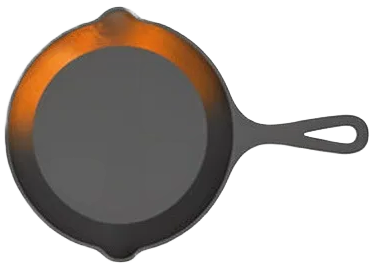
How Do You Build the Perfect, Sticky Layers for Your Cast Iron?
If the thought of seasoning your cast iron feels like a complicated chemistry experiment, you can relax. Seasoning is simply the process of baking thin layers of oil onto the iron to create a natural, non-stick finish that also stops rust.
This guide will walk you through every step, from choosing your oil to that final buff. You’ll learn:
- The one simple test to know which oils and fats are best for building a durable seasoning.
- The exact wiping technique that prevents your pan from becoming sticky or blotchy in the oven.
- The right oven temperature and timing to polymerize the oil without smoking out your kitchen.
- How to maintain that hard-earned patina with simple, after-cooking care.
What You Need Before You Start
Gathering the right tools makes the process smooth and helps you avoid common pitfalls. You don’t need anything fancy. Here’s what I always have on my workbench.
- High-Smoke Point Oil: This is your seasoning. Grapeseed, avocado, or refined coconut oil are my top picks. Avoid olive oil and butter, as they burn too easily.
- Lint-Free Cloths or Paper Towels: You’ll use these for applying oil and for wiping off the excess. Lint-free rags are best, but good quality paper towels work. You don’t want fibers stuck to your pan.
- Oven Mitts: Your pan will be extremely hot, both from preheating and during the cooling phase. Thick, reliable mitts are non-negotiable.
- A Clean, Dry Baking Sheet or Aluminum Foil: This goes on the rack below your cookware to catch any stray drips of oil during the oven process.
- A Stiff Cleaning Brush or Scrubber: You need this for the initial scrub to prepare the surface, whether it’s a brand-new pan or one you’re re-seasoning.
- Mild Dish Soap: Yes, soap. It’s a myth that you can’t use it. A quick wash before the first seasoning removes any factory dust or protective coatings.
- Your Oven: It needs to reach and hold a steady temperature, typically between 450°F and 500°F (232°C – 260°C).
With everything in one place, you can focus on the technique instead of scrambling for a towel with oily hands.
What Is Cast Iron Seasoning, Really?
Think of seasoning as a durable, non-stick coating you build yourself. It’s not a layer of grease you leave on the pan. It’s a chemical change, a polymerization that creates a non-stick surface.
When you apply a very thin layer of oil and heat it past its smoke point, the oil undergoes a process called polymerization. The molecules bond together and with the iron, creating a hard, slick surface. Proper seasoning is more like a thin layer of durable plastic than a coat of grease.
This polymerized layer does three key things. It creates a natural non-stick surface for cooking. It acts as a barrier that stops rust from forming on the bare iron. It also smooths out the microscopic pores in the cast iron over time.
Each time you cook with fat and properly clean your pan, you’re maintaining and subtly adding to this layer. A full oven seasoning is for building a strong base or repairing damage. I like to compare it to the primer and base coats on a well-painted wall; stovetop seasoning after cooking is like the occasional touch-up that keeps everything looking perfect.
Why a Good Seasoning Layer Matters
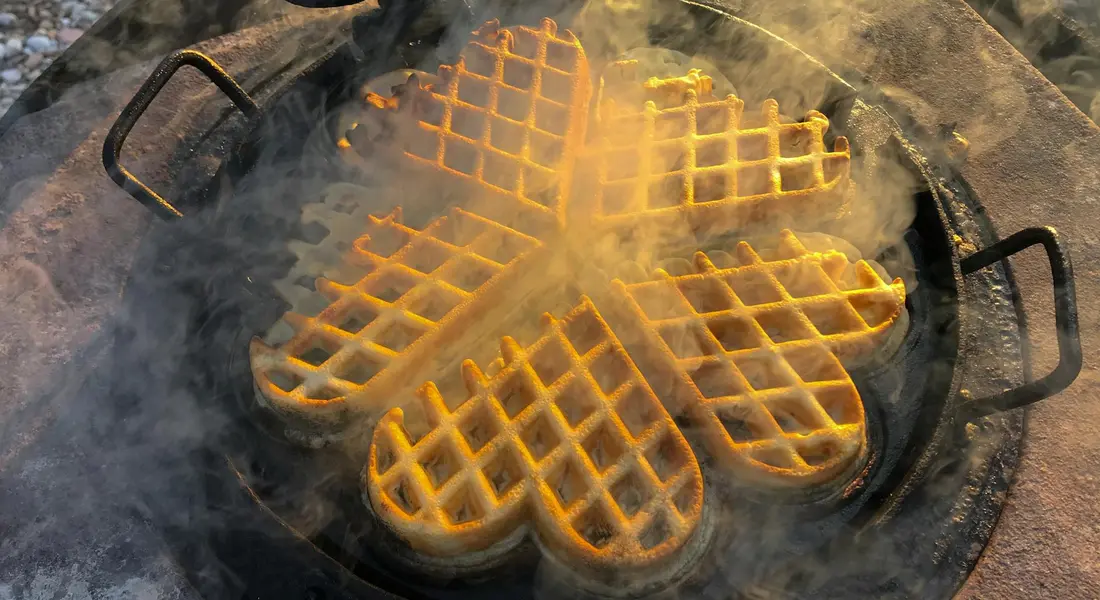
You season a pan to cook with it, not just to admire it. A well-built seasoning layer is the reason you can slide an egg out of a cast iron skillet.
Think of it like a well-worn leather jacket. It starts stiff, but with time and use, it becomes smooth, supple, and uniquely protective. Seasoning works the same way on your cookware.
Your Built-In Non-Stick Surface
Factory “pre-seasoning” is a thin base coat. Your job is to add more layers through home seasoning and, most importantly, cooking. Each layer fills in the microscopic pores of the iron, creating a smoother and smoother cooking surface. That’s why you should season cast iron—whether you’re starting with factory pre-seasoned cookware or building up your own layers. You can expect better nonstick performance and durability over time.
A complete seasoning layer is what transforms a rough iron surface into a naturally non-stick cooking plane.
This doesn’t happen overnight. My daily driver skillet took months of regular use to become reliably slick. Patience here pays off for years.
A Rust-Stopping Barrier
Bare iron and moisture are enemies. When they meet, you get rust. Seasoning is the peacekeeper.
The process of seasoning involves heating oil past its smoke point. This changes its chemistry, bonding it to the iron as a hard, polymerized layer. This layer is hydrophobic, meaning it repels water.
That polymerized oil layer acts as a sealed barrier, stopping water and air from contacting the raw iron and starting the rusting process.
It’s the best defense for your cookware, especially if you live in a humid climate like I do. Cast iron seasoning is why this protection matters. It creates a durable, naturally nonstick surface that guards the pan from moisture and wear.
Choosing Your Seasoning Oil: A Practical Comparison
The oil you use matters, but it doesn’t have to be a perfect, boutique choice. I’ve seasoned dozens of pieces with all sorts of oils. The goal is a durable, slick layer, and many common kitchen oils will get you there. However, if you’re interested in comparing which oils offer a more durable coat, you might want to check out flaxseed oil vs grapeseed oil for seasoning.
Think of seasoning layers like coats of paint on a fence. You want each coat to be thin and even. The oil’s job is to polymerize-to harden into a plastic-like layer when heated to its smoke point.
Here’s a quick look at three popular, reliable choices.
| Oil | Smoke Point | Good For | My Notes |
| Canola or Vegetable | Medium (400-430°F) | Beginner seasoning, daily maintenance | Inexpensive, accessible, and works very well. This is my default for most projects. |
| Grapeseed | High (420-485°F) | A slightly harder, darker finish | Great results, but a bit pricier. It’s my go-to for giving a piece a rich, dark patina. |
| Crisco (Shortening) | Medium (360-410°F) | Traditional method, very even layers | The solid fat is easy to apply thinly. It’s what was used for generations and still works perfectly. |
Now, let’s talk about flaxseed oil. You’ll see it hailed as the “best” oil for a glass-smooth finish. I used it years ago and learned the hard way. Flaxseed oil polymerizes very hard, but that hardness can be brittle, leading to flaking and cracking over time, especially with thermal expansion. It’s finicky, expensive, and in my experience, not worth the hassle when more stable oils exist.
For those asking about the best cast iron seasoning oil, my answer is canola, grapeseed, or Crisco. If you choose Crisco, heat your oven to the higher end of its range, around 400-425°F, to ensure full polymerization.
Oils for Daily Use and Maintenance
After you cook and wash your pan, a tiny bit of oil protects the surface. You don’t need your “seasoning” oil for this. Any common, neutral kitchen oil works perfectly.
- Vegetable oil
- Canola oil
- Corn oil
- Sunflower oil
The technique is more important than the type of oil. I call this the “dry” wipe-down.
- After washing and drying your warm pan, put a few drops of oil in it.
- Use a clean paper towel or cloth to rub the oil over every surface, inside and out.
- Then, take a fresh, dry paper towel and buff the pan aggressively. Your goal is to wipe away every visible drop of oil until the surface looks and feels dry to the touch. You are leaving behind only a microscopic protective film.
This step prevents a sticky, gummy layer from forming. My daily driver skillet lives on my stovetop with just this thin, dry coat of canola oil.
Specialty Oils, Waxes, and Compounds
You might see products labeled as cast iron seasoning paste, compound, or spray. These are typically blends of oils and waxes (like beeswax) designed for seasoning and long-term storage.
A commercial seasoning paste is great for building initial layers on a bare, restored piece. It’s formulated to polymerize well and often comes in a tub, making application easy. The main pro is convenience and a reliable formula. The con is cost compared to a bottle of simple canola oil.
For most maintenance and even full reseasoning jobs, a simple oil is all you need. I keep a small jar of a commercial paste in my workshop for tough restoration projects, but I reach for my bottle of grapeseed oil 90% of the time.
Some enthusiasts make a cast iron seasoning wax recipe by melting beeswax into an oil like coconut or grapeseed. This creates a salve-like product that’s excellent for coating iron before putting it into storage, as the wax seals out moisture. For a pan you use weekly, it’s an extra step that isn’t necessary. It’s a tool for a specific job-long-term protection, not daily cooking. When it comes to regular use, learning how to season cast iron pans properly is more important.
The Step-by-Step Oven Seasoning Method
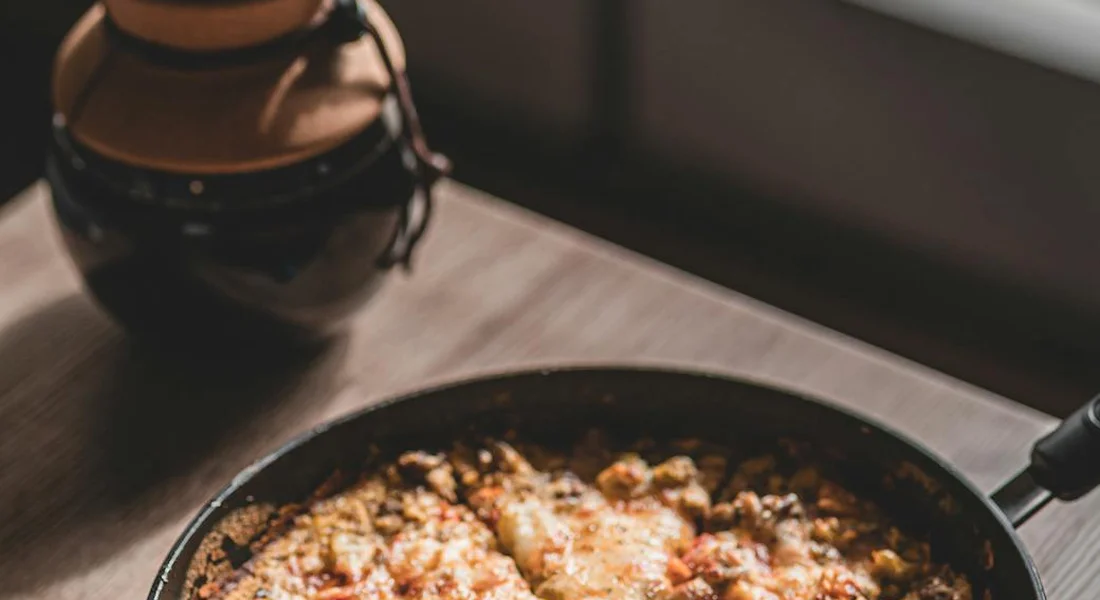
This is my go-to method for a full restoration or a new pan’s first seasoning. It gives you the most even, durable foundation. Think of it like applying the primer and first perfect coats of paint to a vintage car.
Step 1: The Critical Clean Start
Every great seasoning starts on a perfectly clean, bare surface. For a brand new pan or one you’ve just stripped of old seasoning, you must wash it first.
Scrub the pan with warm, soapy water and a brush or non abrasive scrubber to remove any factory dust, protective coatings, or debris. This is the answer to “can I use a new cast iron right away?” Yes, but only after this wash. Rinse it well. For post-use care after cooking, see the clean cast iron pan after cooking post-use guide in the next steps. It walks you through drying, reseasoning, and storage.
Now, dry it. I mean really dry it. Water is the enemy of bare iron. Use a towel, then place the pan on a low stovetop burner for 2-3 minutes. Hold the handle, it should feel hot to the touch. This drives off every last bit of moisture. Your pan must be bone-dry.
Step 2: Applying the Oil Coat
This step trips up more people than any other. The goal is not to oil the pan. The goal is to wipe almost all of the oil back off.
Pour a small amount of your chosen fat (like flaxseed, grapeseed, or canola) onto the pan. Use a folded paper towel to rub it over every surface, inside and out, including the handle. Now, take a fresh, clean paper towel.
Wipe the entire pan again as if you made a mistake and are trying to remove all the oil you just put on. You should be left with a surface that looks barely damp, not glossy. This microscopically thin layer is what polymerizes into a hard finish. A thick layer will bake into a sticky, gummy mess.
Step 3: Baking the Seasoning On
Place the oiled pan upside down on the middle rack of your oven. Put a sheet of aluminum foil on the bottom rack to catch any tiny drips. This upside-down position prevents pooling.
Set your oven to 450°F (232°C) and let it run for one full hour. Turn off the oven when the hour is up. This temperature and time is the sweet spot for most oils to fully polymerize.
You’ll know it’s working when you smell a slight, pleasant nutty or toasted smell from the oven, not a burning odor. The pan’s surface will darken, transforming from the gray of bare iron to a bronze or brown color. This is the oil chemically bonding to the iron, creating your first seasoning layer.
Step 4: Cooling and Repeating
Here’s a key tip. Let the pan cool down slowly inside the turned-off oven. A slow cool prevents thermal stress on the new, delicate polymer layer.
Once the pan is completely cool to the touch, you can add another layer. One coat is fragile. Two or three coats create a much stronger, more non stick foundation.
Simply repeat Steps 2 and 3 for each new layer, letting the pan cool completely between each round in the oven. My daily driver skillet started with three oven-baked coats, and that base has served me for years. It’s worth the patience.
How to Season Cast Iron on the Stovetop
If you are wondering, “can I season cast iron on the stove top,” the answer is absolutely yes. This is my go-to method for quick maintenance. Think of oven seasoning as a full paint job and stovetop seasoning as a touch-up. It’s faster, uses less energy, and is perfect for keeping your cookware in top shape between deeper maintenance sessions.
You won’t get the same perfectly even, all-over bake as the oven provides, but for the cooking surface itself, it works beautifully. I use this method on my daily driver skillet at least once a month.
When Stovetop Seasoning Makes Sense
Reach for the stovetop method instead of heating your whole oven for these common situations.
- Fixing a small patch of bare or rusty metal after cleaning.
- Drying your pan thoroughly after washing to prevent flash rust.
- Adding a quick, reinforcing layer to the cooking surface before or after use.
- Managing a piece that is too large or oddly shaped for your oven.
For a full restoration or initial seasoning on a completely bare pan, the controlled heat of an oven is still the best, most thorough choice. The stovetop is for upkeep, not for starting from scratch.
The Stovetop Seasoning Process
This method is straightforward, but requires your full attention. Always turn on your kitchen vent fan or open a window.
- Start with a clean, dry pan. Place it on a burner set to medium heat. Let it warm up for 2-3 minutes until it’s hot to the touch.
- Apply a tiny amount of your seasoning oil (about ½ teaspoon) to the cooking surface. Using a folded paper towel and tongs for safety, spread the oil in a thin, even layer over the entire inside of the pan, including the sloped sides.
- Keep heating the pan. You will see the oil begin to thin out and shimmer. After a few more minutes, it will start to smoke. This is the polymerization process beginning.
- Let the oil smoke lightly for 3-5 minutes, then turn off the heat. Tilt and rotate the pan as it heats to help the thin oil coat the sides.
- Leave the pan on the cooling burner until it is completely cool to the touch. You now have a fresh, slick layer of seasoning.
The key is using less oil than you think you need; an excess will leave a sticky, blotchy finish instead of a hard polymerized layer. If you see pooled oil, wipe it out with a clean paper towel while the pan is still hot. Always handle the hot handle with a dry towel or mitt.
To get oil on the exterior bottom and up the sides, you can carefully apply a dab of oil to a paper towel and wipe it on those areas once the pan is very warm (not screaming hot). The residual heat will help it bond.
Fixing Common Seasoning Problems
If your seasoning doesn’t look perfect right away, don’t worry. I’ve never met a cast iron piece that didn’t have a hiccup or two. Sticky spots, flaky patches, or even a little rust are all part of the journey. The best part is that every single one of these issues is completely fixable. Your pan is far more resilient than you think.
How to Fix a Sticky or Gummy Pan
This is the most common beginner issue, and I’ve done it myself more than once. A pan that feels sticky or tacky to the touch simply has too much oil on it. The excess couldn’t polymerize fully, so it’s just sitting there, half-baked and gummy.
You have two good options to fix it. The first is the simplest: try heating it again.
- Put your sticky pan on a stovetop burner over medium heat for about 10-15 minutes.
- You might see a little smoke. That’s the excess oil finally curing.
- Let it cool completely and feel the surface. It should be smooth, not sticky.
If the stickiness remains after heating, the layer is too thick and needs to be removed so you can start fresh.
For that, grab some coarse salt and a paper towel. Scrub the gummy area vigorously with the salt as an abrasive. Wash the pan with a little soapy water, dry it thoroughly, and apply a whisper-thin new layer of oil for a proper round of oven seasoning.
How to Deal with Flaking or Patchy Seasoning
When you see seasoning flake off or look blotchy, it usually means the layers weren’t bonded well, or you have carbonized food gunk masquerading as seasoning.
Think of seasoning like paint on a wall. If you paint over a dusty or greasy spot, the new paint won’t stick and will eventually peel. The same principle applies here.
The fix is to remove the weak spot and build a new, solid foundation.
Do not strip the entire pan. Focus only on the problem area.
- Use a chainmail scrubber or the edge of a metal spatula to gently scrape away the flaking seasoning. You just need to get back to bare, smooth metal in that specific patch.
- Wash the pan to remove any dust or debris.
- Dry it immediately and completely on the stovetop.
- Apply a thin coat of oil to the entire cooking surface, but focus your oven seasoning cycle on bonding that new layer over the repaired spot.
Over time, this spot will blend in with the rest of your pan’s patina. My daily driver skillet has two of these “battle scars” from early mistakes, and they’re now the slickest parts of the pan.
What to Do If You See Rust
Finding a spot of rust can feel like a crisis, but please, take a deep breath. Rust is not a death sentence for cast iron. It’s a surface issue that you can solve in under an hour. The iron didn’t fail; its protective coating (the seasoning) was simply missing in that spot, allowing moisture to react with the metal. Rust on cast iron can be caused by a variety of factors, but it’s always solvable.
You need to remove the rust completely before you re-season. For a small spot, a DIY abrasive works perfectly.
- White Vinegar Method: Dip a corner of a paper towel in plain white vinegar and scrub the rust spot. The mild acid dissolves the rust quickly. Rinse the area with water immediately after.
- Salt Scrub Method: Pour a tablespoon of coarse salt onto the rust. Use a cut potato or a damp paper towel to grind the salt into the spot. The salt acts as a gentle abrasive to scour the rust away.
The critical step after removing rust is to dry the pan and get oil on it instantly to prevent flash rust.
- After scrubbing, wash and rinse the pan.
- Place it on a stovetop burner over medium heat. Dry it until it’s almost too hot to touch.
- While the pan is still warm (not scorching hot), apply a thin layer of oil over the entire surface, paying special attention to the newly bare metal.
- This coats the iron and protects it. You can then proceed with a normal oven seasoning cycle to bond that protective layer permanently.
Keeping Your Seasoning Strong Day-to-Day
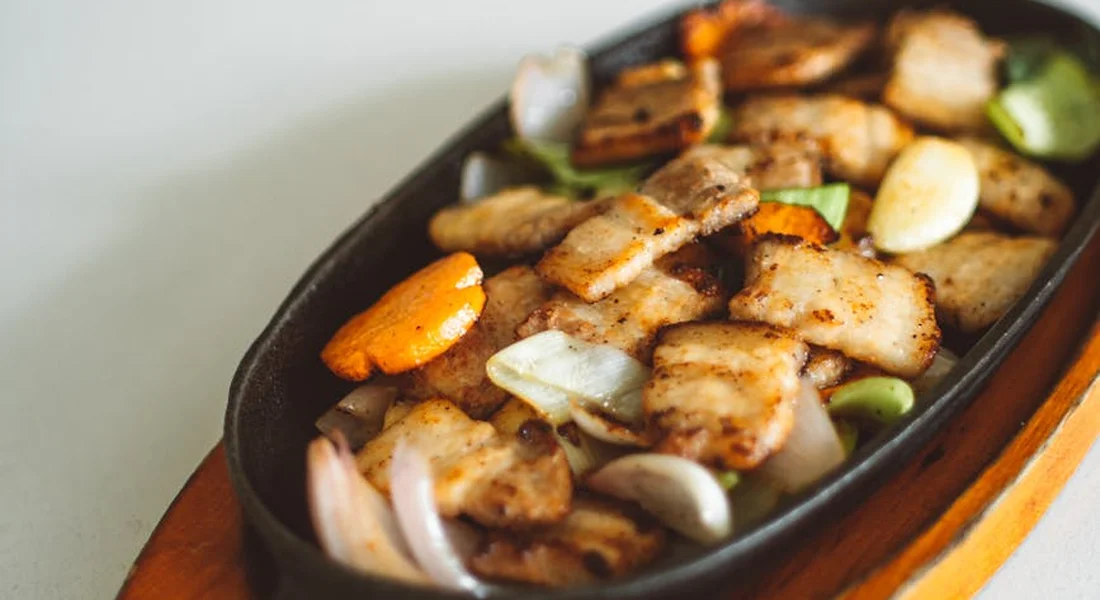
Building a great base layer is just the start. The real secret to a fantastic pan is what you do after that first seasoning. This is where your cookware becomes uniquely yours, developing character and performance with every use.
Think of your initial seasoning like a primer coat on a piece of wood. Daily cooking and proper care are where you add the durable, beautiful topcoats that make it last a lifetime.
The Right Way to Clean a Seasoned Pan
Let’s clear up the biggest myth first. You can use soap.
Modern dish soaps are mild and will not strip your well-bonded seasoning. That old rule was for lye-based soaps, which you likely don’t have under your sink. Using a dab of mild soap and warm water is the most effective way to clean off food residue and grease without harming your pan’s patina.
Here is my simple, foolproof cleaning routine.
- While the pan is still warm (not scalding hot), rinse it with hot water.
- Add a drop of mild dish soap and scrub with a soft brush, nylon scrubber, or a chainmail scrubber for stuck-on bits.
- Rinse all the soap away completely.
- Dry the pan immediately and thoroughly with a towel.
Do not let it air dry. I always take one extra step. I place my clean, towel-dried pan on a low stovetop burner for a minute or two to evaporate any hidden moisture. Heat until it’s just warm to the touch.
Finally, for storage, I take a tiny drop of oil on a paper towel-a half-teaspoon at most-and give the cooking surface a barely-there rub. This leaves a microscopically thin protective layer. Your pan should look dry, not glossy or wet.
When to Do a Maintenance Seasoning
You don’t need to re-season your pan often if you care for it well. A maintenance seasoning is just a quick refresh for the cooking surface.
You might want to do this if you notice any of these signs.
- The surface looks dull, dry, or patchy instead of having a dark, semi-gloss sheen.
- Food starts to stick more frequently in certain spots.
- You see a slight reddish tint (fledgling rust) or grayish metallic spots after washing.
- You’ve just scrubbed off a significant amount of carbon buildup or burnt-on food.
A maintenance seasoning is not a full strip and re-do, it’s just adding one fresh layer of polymerized oil to reinforce what’s already there. It’s like touching up a scratch on a well-painted wall.
For this, the stovetop method is perfect. Heat your clean, dry pan over medium heat for a few minutes. Apply the tiniest amount of your chosen oil with a paper towel, then buff it all off like you made a mistake. Continue heating the pan until it just starts to smoke, then turn off the heat and let it cool. That’s it. One thin layer, five to ten minutes of your time.
Cooking Tips to Build Seasoning Naturally
The very best way to maintain and build your seasoning is to cook with it. Certain foods are like a workout for your pan’s non-stick layer.
Focus on cooking with fats, especially in the early stages after a fresh seasoning. Pan-frying potatoes, searing meats, sautéing vegetables in oil, or making cornbread are all fantastic choices. Each time you do, you’re depositing a microscopic amount of polymerized oil onto the surface.
On the other hand, go easy on foods that are highly acidic or require long simmering times, like tomato sauce, wine-based stews, or lemon butter sauce. A young or thin seasoning can be slightly degraded by prolonged acid contact, potentially making the surface feel rough or sticky.
This doesn’t mean you can never cook these foods. My well-seasoned Dutch oven makes great chili. The key is to have a robust, built-up seasoning first and to avoid letting acidic dishes sit in a newly seasoned pan for hours.
Regular, varied cooking is the ultimate maintenance plan. Just remember to clean it gently, dry it completely, and give it a light oil rub now and then. Your pan will reward you with a lifetime of service.
Common Questions
What is the right oven temperature for seasoning with Crisco?
Crisco has a lower smoke point (around 360-410°F). Set your oven to 400-425°F. This ensures the shortening fully polymerizes into a hard, durable layer without burning.
What’s the practical difference between a seasoning stick, spray, and compound?
Sticks and sprays are simply oil in a convenient applicator; the technique of wiping thin is what matters. A seasoning compound or paste is typically an oil-and-wax blend designed for building strong initial layers on bare iron or for long-term storage protection.
Do I need a special wax recipe or paste, or is basic oil enough?
For daily use and maintenance, a simple oil like canola is perfect. A homemade wax blend (like beeswax and oil) is a specialized tool for coating cookware you plan to store for months. For most people, it’s an unnecessary extra step.
Your Cast Iron’s Lasting Finish
From my workshop to your kitchen, remember that a perfect season comes from applying oil in whisper-thin layers and baking it on with steady heat. Trust this process, and you’ll build a durable, non-stick patina that only gets better with regular use. For next steps, explore our resources on gentle cleaning methods and restoring older pieces.
Deep Dive: Further Reading
- How to Season a Cast Iron Pan (It’s Easier Than You Think!)
- How to Season – Lodge Cast Iron
- r/castiron on Reddit: How many layers of seasoning?
- How to Season a Cast Iron Skillet – Field Company
- Cast Iron Seasoning
- What is cast iron seasoning? – Lodge Cast Iron
A material science expert by profession, Joseph is also an avid cook. He combines his 10+ years expertise in material science and metallurgy with his passion for cast iron cookware to bring you best hands on advice. His expertise ranges from types of cast iron cookware to best seasoning tips as well as restoration of vintage cast iron utensils. Joe is here to help you solve all your cast iron cookware queries and questions.