How Do You Use a Cast Iron Teapot for Brewing Tea?
You might worry that brewing tea in cast iron could cause rust or leave a metallic taste in your cup. I can tell you from experience that a well-maintained cast iron teapot brews beautifully and lasts for generations.
This guide covers the essentials to get you started with confidence:
- Why and how to season your teapot to stop rust before you even boil water
- The safest way to heat water and steep tea without damaging the interior finish
- My straightforward routine for cleaning and drying that keeps your teapot ready for next time
What Exactly Is a Cast Iron Teapot (and What Isn’t It)?
A cast iron teapot is a vessel designed for steeping tea leaves in hot water. Its primary job is brewing, not boiling. You heat water separately in a kettle, then pour it into the teapot with your tea.
Most modern cast iron teapots have an enamel-coated interior. This glass-like lining prevents rust and stops the iron from reacting with the tannins in tea, which could affect flavor. The classic Japanese tetsubin is different. It has a bare iron interior that requires a seasoned layer, much like a skillet, and can subtly enhance the tea’s minerality over time.
This is the most common point of confusion, so let’s be clear.
| Cast Iron Teapot | Stovetop Kettle |
| Used for steeping tea. | Used for boiling water. |
| Typically enamel-lined. | Made of bare, seasoned iron. |
| Heat source is pre-boiled water. | Heat source is a stove or fire. |
| Often includes a removable infuser basket. | Never includes an infuser. |
You might hear terms like “tetsu-kyūsu,” which simply means “cast iron teapot” in Japanese. It usually refers to an enamel-lined pot, not a traditional tetsubin.
Getting familiar with the parts of your pot helps with care. Your teapot is made up of a few key components.
- The Body: The main pot, which holds the water and tea.
- The Lid: Fits snugly to retain heat during brewing.
- The Handle: Always check if it’s attached with screws or is part of the cast. This affects how you heat it.
- The Infuser Basket (if included): A removable mesh basket for loose-leaf tea.
- The External Finish: The colored enamel or seasoned iron on the outside, which is largely decorative.
Getting Your Teapot Ready for Its First Brew
Think of this as a one-time welcoming ceremony for your new pot. It’s not regular cleaning. It’s about ensuring everything is safe, secure, and free of any factory dust or residues.
I do this with every new piece, and it takes just a few minutes. Follow these simple steps.
- Fill your sink with warm water and add a small amount of mild dish soap.
- Use a soft brush or cloth to gently wash the entire interior and exterior of the teapot body and the lid.
- Rinse everything thoroughly under warm running water to remove all soap.
- Dry the pot and lid immediately and completely with a soft towel.
Letting a cast iron piece air-dry is an invitation for rust, even with an enamel interior, because water can get trapped under the rim or lid. Moisture can be especially harmful to cast iron, leading to corrosion over time.
Before you dry it, take a very close look at the interior enamel lining. Run your finger gently over the surface. You’re looking for any chips, cracks, or rough spots. If you find any damage to the enamel, do not use the pot. The iron underneath can rust and the enamel could further chip into your drink.
If your pot came with a removable infuser basket, take it out now. Wash it separately with warm, soapy water and a soft brush, making sure to clean the mesh thoroughly. Rinse and dry it completely. This is also the time to make sure it fits properly in the pot and sits level. A wobbly infuser can be frustrating when you’re trying to pour.
Once everything is clean, dry, and inspected, your cast iron teapot is ready for a lifetime of brewing.
The Right Way to Heat Water and Brew Tea
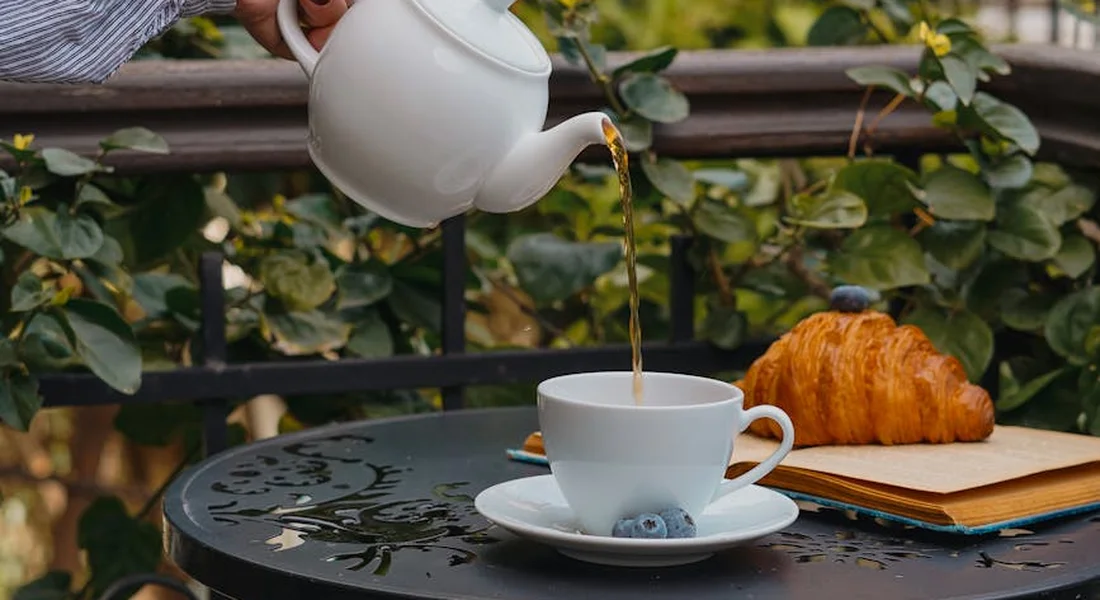
Your cast iron teapot is a brewing vessel, not a heating vessel. This is the most important rule to remember.
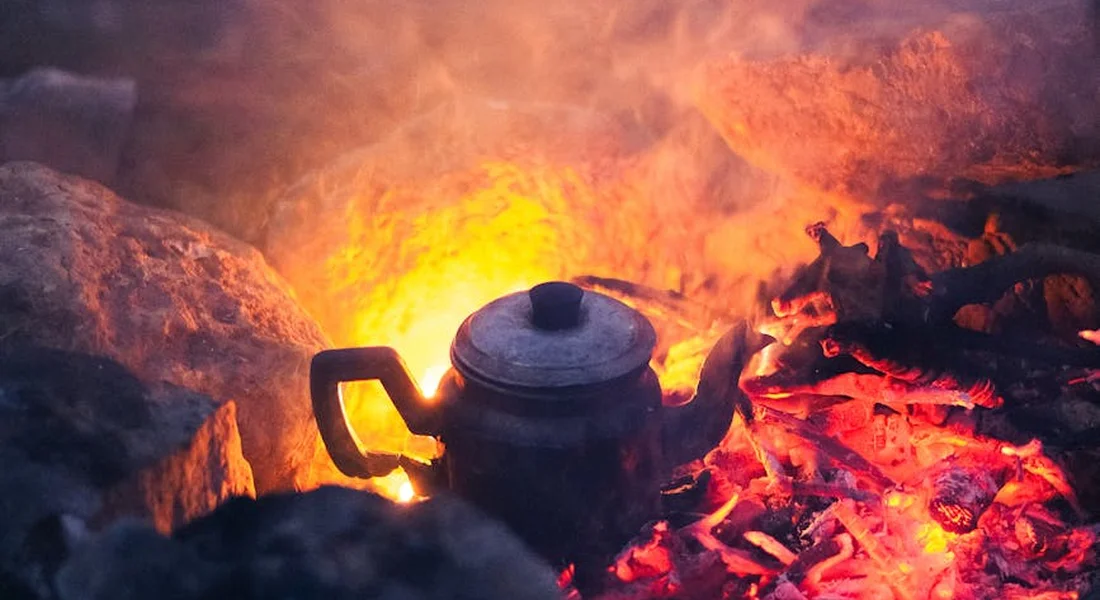
Never, under any circumstances, put your cast iron teapot on a stove burner, open flame, or electric coil. The intense, direct heat can crack the interior enamel coating, permanently damage the teapot’s finish, and even weaken or melt the handle attachments. I’ve seen it happen, and it’s a heartbreaking way to ruin a beautiful pot. To prevent damage and breakage of cast iron cookware, heat slowly and keep to indirect heat when possible. It helps preserve the enamel, finish, and handle attachments over time.
The correct method uses a two-step process: heat the water separately, then let the teapot do what it does best-keep it hot. Here is the simple, safe way to brew.
Step-by-Step Brewing Guide
- Heat your water in a separate kettle. Use any stove-top or electric kettle to bring your water to the precise temperature needed for your tea.
- Pre-warm your teapot. Just before the water is ready, pour a small splash of hot water into the empty teapot, swirl it around, and then pour it out. This brings the pot’s temperature up so it doesn’t shock the tea leaves or steal heat from your brewing water.
- Add tea leaves to the pre-warmed pot. Use loose-leaf tea or tea bags as you prefer. The pre-warmed iron will help the leaves start to open up immediately.
- Pour the fully heated water over the leaves. Fill the teapot and place the lid on top.
- Steep. This is where cast iron shines. Its incredible heat retention means the water temperature drops very slowly, leading to a consistent, full extraction. Because the temperature remains so stable, you may find you need 15-30 seconds less steeping time compared to a ceramic or glass pot to avoid bitterness. Taste as you go to find your perfect timing.
- Pour and enjoy. Pour all the tea out into cups or a second vessel to stop the steeping. If you’re enjoying multiple cups, consider using a tea cozy or placing the teapot on a candle-powered warmer to maintain the ideal temperature between pours.
Daily Care and Long-Term Maintenance
Treating your teapot well after each use is simple and takes just a minute. Consistency prevents problems.
After Every Use
- Dump out all the used tea leaves.
- Rinse the interior thoroughly with hot water. Do not let wet leaves sit in the pot.
- Rinse the exterior to remove any drips or splashes.
- Dry the entire pot, inside and out, with a soft towel. Pay special attention to the rim and the bottom.
- Let it air-dry completely upside down on a drying rack, with the lid off. This ensures no water pools inside.
Cleaning the Interior: Enamel vs. Bare Iron
Most modern cast iron teapots have a smooth enamel glaze on the inside. Think of this enamel like a tough, baked-on glass coating that is used in enameled cast iron cookware.
For enamel interiors, a occasional wash with mild dish soap and a soft sponge is perfectly safe to remove tea oils. Avoid abrasive scrubs that can scratch the surface.
If your teapot has a bare, black iron interior (less common), it is seasoned like a skillet. For care, you should follow our guides on seasoning maintenance-never use soap, just hot water and gentle wiping.
Removing Stains and Buildup
Over time, mineral deposits from hard water or tannin stains from tea may form a light film on the enamel. To remove it:
- Fill the teapot with a mixture of one part white vinegar to three parts warm water.
- Let it sit for no more than 30 minutes.
- Rinse thoroughly with clean water and dry completely. The mild acidity will lift the stains without damaging the enamel.
Caring for the Exterior and Preventing Rust
The exterior is often coated with a decorative enamel or a clear sealant. Still, moisture is the enemy of the iron underneath, which can lead to rust on cast iron.
Always wipe the exterior bone-dry to prevent water spots and to guard against any moisture finding a tiny chip in the coating. Periodically, check the bottom, the rim, and around the spout for any tiny specks of rust. Be sure to manage any rust promptly to maintain your cast iron’s longevity.
If you see a small rust spot, make a thick paste of baking soda and water. Gently rub it on the spot with your finger or a soft cloth, then rinse and dry immediately. This often lifts surface rust without harming the finish. For a complete guide with proven techniques on removing rust from cast iron cookware, see the full article in the next step. It walks you through rust removal, reseasoning, and prevention.
How to Store Your Teapot
Storage is about ensuring air circulation and total dryness.
- Make absolutely certain the pot is 100% dry inside and out.
- Store it with the lid off or slightly ajar. Trapping moist air inside a sealed pot invites trouble.
- Keep it in a cupboard away from extreme humidity. A well-cared-for teapot will serve you for generations.
Common Mistakes and How to Avoid Them
Cast iron teapots are built to last for generations, but they demand a different kind of respect than a standard skillet. Steering clear of common errors when caring for cast iron will keep your pot in perfect serving shape.
Putting It Directly on the Stove
This is the biggest mistake I see. A cast iron teapot is not a kettle. Applying direct, high heat to the pot will almost certainly crack the interior enamel or warp the spout. The thermal shock from a gas flame or electric coil is simply too intense for the pot’s design. To boil water, always use a separate stainless steel or enamel kettle and pour the hot water into your pre-warmed teapot.
Running It Through the Dishwasher
The dishwasher’s harsh detergents and powerful spray are a triple threat. They strip away the protective seasoning on uncoated iron, degrade the gloss on enameled finishes, and the prolonged, trapped moisture guarantees rust will form. Hand washing is the only safe cleaning method for cast iron teapots, regardless of their interior finish.
Letting Tea Sit for Hours
Forgetting a pot of tea on the counter overnight is an invitation for trouble. Tannins in the tea can cause permanent staining, especially on lighter-colored enamel. More critically, the prolonged moisture attacks the iron. Leaving wet tea leaves or liquid in the pot is the fastest way to create a rust problem you’ll have to solve later. Empty and rinse your teapot within an hour or two of brewing.
Using Abrasive Tools on the Exterior
The beautiful, often colorful exterior finish is more delicate than the black seasoning inside a skillet. Scrubbing it with steel wool, abrasive pads, or harsh powders will scratch and dull the surface permanently. Think of the exterior finish like the paint on a classic car, it needs gentle care to stay vibrant, just like enameled cast iron cookware. Use only a soft sponge, cloth, or a dedicated soft-bristled brush for cleaning.
Confusing the Warmer for a Cooktop
Many teapots come with a little candle-lit warmer. This is a point of confusion. The warmer’s sole job is to keep already-brewed tea pleasantly hot during service, not to boil water or cook. The low, radiant heat from a tea light is perfect for maintaining temperature but will never get water hot enough for brewing. Never try to use it as a stove.
Your Cast Iron Teapot Care Checklist

Print this out, save it, or just remember these steps. This is your straightforward guide to keeping your teapot in service for decades.
- First Use: Wash the interior and exterior with warm, soapy water and a soft sponge. Rinse and dry thoroughly.
- Before Each Brew: Warm the empty pot by swishing hot tap water inside it. This prevents thermal shock when you add boiling water.
- After Each Use: Empty all tea and leaves. Rinse with hot water. Do not let wet leaves sit.
- Cleaning: Hand wash only. Use mild soap and a soft sponge or brush. For stubborn stains, use a paste of baking soda and water.
- Drying: This is critical. Towel-dry the entire pot, then let it air-dry upside down on a rack with the lid off to ensure no moisture is trapped inside.
- Storage: Store with the lid off or slightly ajar to allow air circulation. A dark, dry cupboard is ideal.
- NO STOVE: Never place your cast iron teapot on a stovetop burner.
- NO DISHWASHER: The dishwasher’s heat and chemicals will damage the finish and cause rust.
- NO SOAKING: Never submerge or soak the pot for long periods.
- NO ABRASIVES: Avoid steel wool, scrubby pads, or harsh cleansers on any surface.
Common Questions
I bought a cast iron teapot set with cups. How do I care for the extra pieces?
Treat each piece with the same respect as the teapot. Hand-wash the cups with mild soap, dry them thoroughly immediately after, and store them completely dry. The same rules apply: no dishwasher, no abrasives, and no lingering moisture.
Is it safe to use the candle warmer that came with my teapot?
Yes, but only for its intended purpose: keeping already-brewed tea warm. Never use it to heat water from cold or to brew tea directly. Ensure the warmer’s flame never touches the pot’s bottom directly; the teapot should sit stably on the stand above the candle.
What is the main benefit of cast iron for tea, from a care perspective?
Its superior heat retention allows for a consistent steep, but this requires diligent drying. The pot stays hot longer, which is excellent for tea, but also means trapped moisture takes longer to evaporate. Your vigilance in drying is the non-negotiable trade-off for this performance.
Maintaining Your Teapot’s Legacy
Your most important task after every use is to dry the teapot completely, inside and out, with heat. This one practice stops rust and lets the iron’s protective patina strengthen over decades. You can apply this same care philosophy to all your cast iron; our site has detailed guides on oven seasoning and rust removal.
Sources and Additional Information
- The 7 Best Teapots for Brewing Loose Leaf and More, According to Our Tests
- How to Brew Tea in a Tetsubin
- How to Use a Teapot: A Step By Step Guide – ArtfulTea
Joseph Gerald
A material science expert by profession, Joseph is also an avid cook. He combines his 10+ years expertise in material science and metallurgy with his passion for cast iron cookware to bring you best hands on advice. His expertise ranges from types of cast iron cookware to best seasoning tips as well as restoration of vintage cast iron utensils. Joe is here to help you solve all your cast iron cookware queries and questions.