Is Cast Iron Safe? The Real Story on Iron and Your Health
You love your cast iron, but maybe you’ve heard a rumor that it can leach metal into your food, leaving you to wonder if your favorite pan is truly safe to use. Rest easy-the short answer is yes, your cast iron is safe, and with a little knowledge, you can use it with complete confidence.
Here’s what we’ll cover to put your mind at ease:
- How iron leaching really works and what actually affects it.
- The straightforward health implications of cooking with cast iron.
- How your seasoning layer acts as your pan’s protective shield.
- Simple tips for maintaining your pan to keep it safe and effective for decades.
What Exactly is Iron Leaching?
Iron leaching is simply when tiny particles of iron transfer from your pan into the food you’re cooking. Think of it like the natural wear on a favorite wooden spoon or the way a well-worn stone step gets smoother over time.
It is not a manufacturing defect or a sign your pan is falling apart. It’s a normal interaction between metal, heat, and food, especially with acidic ingredients.
A common myth is that any metal getting into your food is a dangerous contaminant. With cast iron, that’s not the case. We are talking about dietary iron, the same essential mineral found in many foods. When used properly, cast iron can be a safe way to boost dietary iron. We’ll explore the truth about iron absorption and safety to separate myths from facts.
The polymerized oil layers of your seasoning act as the primary barrier between the raw iron and your meal.
A robust, well-maintained seasoning significantly reduces direct contact and, therefore, how much iron can migrate. A new or poorly seasoned pan will naturally leach more.
How Much Iron Actually Gets Into Your Food?
Scientific observation shows the amount can vary widely. You might add just a trace amount from a quick sear, or a very noticeable amount from a long simmer of something acidic like tomato sauce.
To put it in perspective, the iron added from cooking in cast iron can sometimes rival the amount found in a serving of spinach or a small portion of red meat. For many people, this is a beneficial dietary boost. However, whether it leaches iron depends on various factors, including the type of food and the condition of the pan.
Several key factors control the outcome. An older pan with thick, stable seasoning leaches far less than a brand-new or freshly stripped one. Cooking time matters greatly; a 30-minute simmer allows for more transfer than a 3-minute fry. The food’s acidity is the biggest driver, with tomatoes, wine, and vinegar actively pulling iron from the surface.
A Quick Snapshot: Iron Leaching in Context
This table illustrates how different cooking situations affect iron transfer. Use it as a practical guide, not a laboratory report. Your own results will depend on your specific pan and technique.
| Food Type | Approximate Iron Added | Notes on Factors |
|---|---|---|
| Frying an egg (3-5 mins) | Minimal to none | Short cook time, neutral food. A well-seasoned pan may add no detectable iron. |
| Simmering tomato sauce (30 mins) | Significant | High acidity and long cook time maximize leaching. This can double the iron content of the sauce. |
| Searing a steak (8-10 mins) | Low to moderate | Moderate time, but meat’s own juices are slightly acidic. A good sear on a seasoned pan adds some iron. |
| Baking cornbread (45 mins) | Very low | Long time but neutral batter and no stirring. The dry heat environment transfers less iron than wet, acidic cooking. |
Iron on Your Plate: Understanding the Health Effects
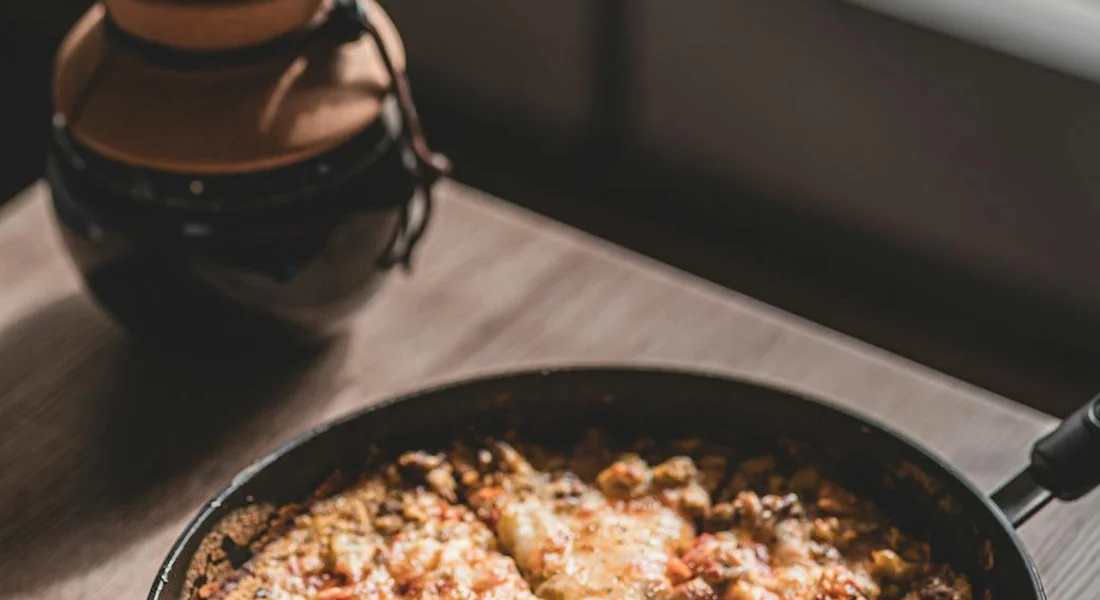
When a small amount of iron transfers from your pan into your food, you are consuming a form of dietary iron called non-heme iron. For most people, this is not a cause for alarm. It can actually be a helpful, passive way to boost your iron intake.
This incidental iron can be particularly beneficial for individuals who struggle to get enough from their diet, such as some vegetarians, vegans, or pre-menopausal women. If your doctor has mentioned you need more iron, using your cast iron skillet regularly is a simple kitchen practice that can support that goal. For a deeper look at why use a cast iron skillet, see our complete guide on its benefits and advantages. It explains how this timeless cookware can fit into everyday meals and offer practical, durable cooking benefits.
This leads directly to a common question: does cooking with cast iron cause iron deficiency? The answer is no. The pan adds iron; it does not take it away. The concern for a very small segment of the population is the opposite.
The real risk of getting too much iron from cookware is almost exclusively for individuals with specific medical conditions like hemochromatosis, a disorder where the body stores excess iron. For them, any additional dietary iron can be problematic, regardless of whether you are using cast iron or non-stick cookware. If you have been diagnosed with an iron metabolism disorder, you should discuss using cast iron with your physician.
For the vast majority, the body naturally regulates non-heme iron absorption, taking what it needs and excreting the rest. You would need to consume a dramatically excessive amount to reach toxic levels from cookware alone.
When to Seek Professional Health Advice
I am a cast iron enthusiast, not a doctor. My advice on health is simple and straightforward.
If you have a known condition like hemochromatosis or are being treated for iron overload, talk to your healthcare provider before using cast iron regularly. If you have persistent, unexplained fatigue or other symptoms, a doctor can check your iron levels to see if they are too high or too low.
When you go for a check-up, mentioning that you use cast iron cookware is a helpful piece of information for your doctor, just like discussing your diet or supplements. It allows them to have the full picture when monitoring your health.
What Makes a Pan Leach More or Less Iron?
Iron doesn’t leach at a constant rate. Think of your pan’s surface like a hard candy shell. Certain cooking conditions can dissolve that shell faster. Three main factors determine how much iron transfers into your food:
- Food Acidity: Ingredients like tomatoes, lemon juice, wine, and vinegar are the biggest drivers. Acid reacts with the iron, pulling it from the surface.
- Cooking Time & Method: Simmering a tomato sauce for two hours gives acid far more time to work than a quick three-minute sear. Wet, prolonged cooking (stews, braises) leads to more transfer than dry, high-heat cooking.
- Condition of Your Seasoning: This is the most important factor you control.
A strong, polymerized seasoning layer acts like a durable non-stick coat of paint, creating a barrier between acidic food and the raw iron underneath. Chemically, the polymerization during seasoning builds that non-stick surface on cast iron. A thin, new, or damaged seasoning layer offers less protection. This is why building and maintaining good seasoning is about more than just non-stick performance; it directly manages how your cookware interacts with food.
Managing Acidity and Heat in Your Cooking
You don’t need to avoid cooking acidic foods in cast iron. You just need a good strategy. Even acidic dishes can be cooked in cast iron with proper seasoning and care, without damaging the pan. Here is my practical approach from years of use.
For a new or less-seasoned pan, cook fatty, non-acidic foods like bacon, cornbread, or grilled cheeses to build up its layers first. Reserve your well-blackened, slick-as-glass vintage skillet for the Sunday gravy or coq au vin.
Moderate heat is your friend for both your seasoning and controlling iron transfer. Cranking the burner to high can degrade your hard-earned seasoning, exposing bare metal to your food. This answers the question about “cast iron leaching temperature” indirectly: high heat can damage the barrier, which then allows more leaching to occur, especially with acidic food.
Finally, transfer leftovers to a glass or ceramic storage container after your meal. Letting food sit in the iron pan in the fridge overnight gives acids even more time to interact with the surface, which can also impart a metallic taste you don’t want.
Cast Iron vs. Other Cookware: A Safety Comparison
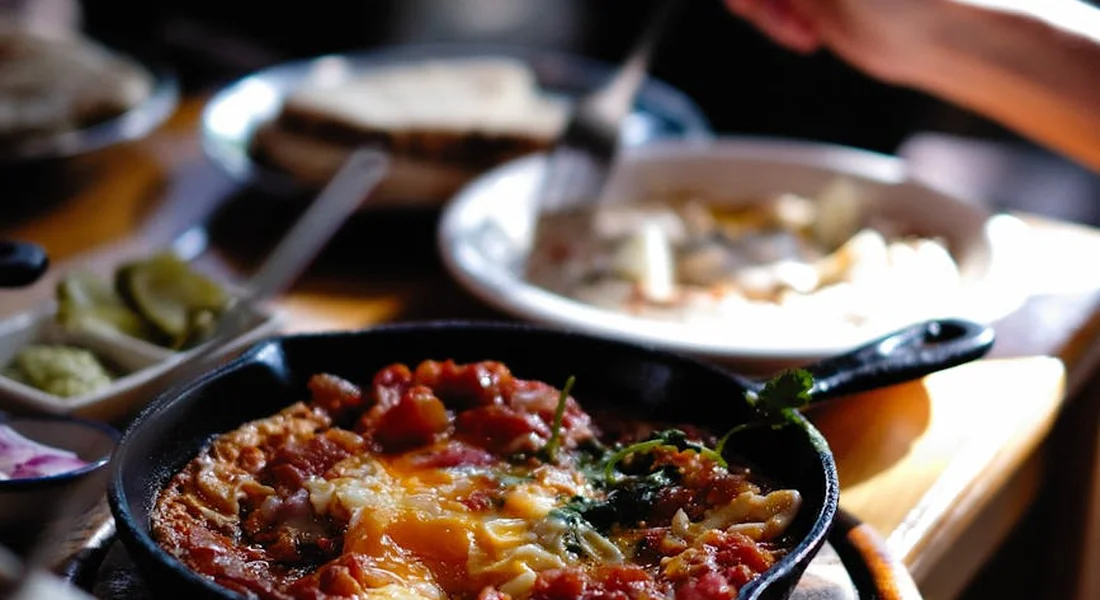
When you worry about iron leaching, it helps to see how cast iron stacks up against other common pans. Every material has its trade-offs.
The Leaching Landscape
All cookware can transfer tiny amounts of material into food. The key question is: what’s transferring, and does your body want it?
- Cast Iron: Leaches elemental (non-heme) iron, a mineral your body needs to make red blood cells.
- Aluminum Cookware: Can leach aluminum, especially when cooking acidic foods. While the health implications are debated, aluminum is not a nutrient your body requires.
- Stainless Steel: May leach tiny amounts of nickel and chromium. For most people this is harmless, but those with nickel allergies often react. These metals have no nutritional role.
- Non-Stick (PTFE/Teflon): The concern isn’t metal leaching, but the potential release of toxic fumes if overheated or the degradation of the coating over time, which can flake into food.
The fundamental difference is that iron from your skillet is a dietary supplement, while material from other pans is, at best, inert and, at worst, an unwanted contaminant. If you’re going to have leaching, iron is the kind you want. That thought naturally leads to the broader cast iron vs non-stick kitchen debate: which wins home cooking for everyday meals? Understanding the trade-offs in heat, maintenance, and release can inform your choice.
Where Enameled Cast Iron Fits In
This is the classic “have your cake and eat it too” option. Enameled cast iron, like the popular Dutch ovens from Le Creuset or Staub, has a thick glass coating fused to the iron at high heat.
That coating acts as a perfect barrier. It completely seals the iron, so none leaches into your long-simmered tomato sauce or wine-braised short ribs. You get all the legendary heat retention and even cooking of cast iron, with zero iron transfer. The trade-off is you don’t get the natural non-stick surface of a seasoned bare iron pan, and the enamel can chip if mishandled.
In my kitchen, I reach for my enameled Dutch oven for acidic, long-cooked dishes and my seasoned skillets for searing, frying, and cornbread. Each has its perfect job.
Your Action Plan for Safe and Confident Use
Worrying about leaching is normal, but with a few simple habits, you can manage it easily and cook with total confidence.
Step-by-Step: Build and Maintain Your Best Seasoning
A slick, polymerized seasoning layer is your primary shield. It significantly reduces how much iron interacts with your food. Here’s how to fortify it.
- Start Clean and Dry. Always begin with a well-cleaned, bone-dry pan. Any moisture or food residue will prevent new seasoning from bonding properly.
- Apply a Microscopic Coat of Oil. Warm your pan slightly, then apply a tiny amount of high-smoke-point oil (like grapeseed, canola, or flaxseed) with a paper towel. Then, use a fresh towel to wipe it all off, as if you made a mistake. The pan should look barely oily, not glossy or wet. This thin layer is what polymerizes into a hard, durable finish.
- Bake It On. Place the pan upside-down in a cold oven, set it to 450°F (232°C), and bake for one hour. Let it cool completely in the oven. This process turns the oil into a plastic-like coating.
- Repeat for a Strong Base. For a new or stripped pan, do this 3 to 5 times. For maintenance, one coat every few months, or whenever the surface looks dry or patchy, is plenty.
Smart Cooking Habits to Minimize Leaching
Your technique in the kitchen is just as important as your maintenance routine.
- Always Use Some Fat. Cooking with oil, butter, or other fats creates a barrier between the food and the iron surface. This simple step dramatically cuts down on leaching.
- Match the Pan to the Meal. This is the golden rule. Use your enameled cast iron (or a stainless steel pot) for dishes that are highly acidic and cook for a long time, like tomato sauce, chili with tomatoes, or wine-based stews. Save your seasoned bare iron for quick sautés, searing, frying, baking, and dishes with shorter cooking times.
- Don’t Store Food in the Pan. Once cooking is done, transfer leftovers to a proper storage container. Letting food sit in the pan, especially acidic food, gives iron more time to migrate.
Following these habits means you control when and how much iron transfers, turning a potential concern into a nutritional benefit.
Your Leaching Management FAQ
Let’s frame those best practices as direct answers to common questions.
“My tomato sauce tasted metallic. What did I do wrong?”
You likely simmered a very acidic sauce in a bare iron pan for too long. For next time, use an enameled pot or a stainless steel saucepan for that specific dish. Your skillet is better for quickly cooking down fresh tomatoes for a breakfast hash.
“How do I know if my seasoning is good enough to prevent leaching?”
A well-seasoned pan looks and feels smooth, with a consistent dark color. If water beads up on the surface, that’s a great sign. If the surface looks dull, gray, or feels rough, it’s time for a maintenance seasoning round following the steps above.
“I have hemochromatosis (iron overload). Can I use cast iron?”
You should consult your doctor. For individuals who need to strictly limit iron intake, using enameled cast iron exclusively is the safest choice, as it provides a total barrier.
Maintenance, Myths, and Final Reassurances
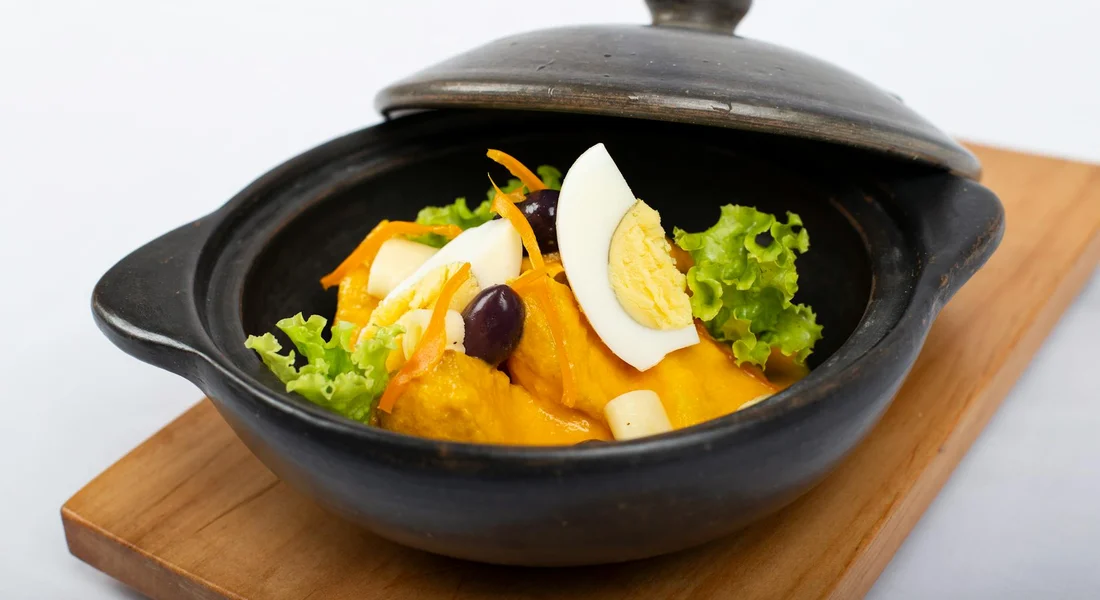
Think of your pan’s seasoning as its suit of armor. When that armor is strong and intact, it controls how the iron interacts with your food. Rust is the enemy of that control. Regular upkeep helps fix small rust spots and keep the armor intact. It’s all about preventing rust from taking hold on your cast iron cookware.
How Proper Care Controls Iron Transfer
Rust is iron oxide. A rusty spot is raw, unprotected metal actively breaking down. When you cook on a rusty surface, you’re much more likely to get a large, unpredictable flake of iron in your food. It’s inconsistent and unpleasant.
Good maintenance stops rust and creates a stable cooking surface. Here’s how your cleaning routine directly supports safety:
- Cleaning right after cooking removes food acids that can break down seasoning over time.
- Thorough, immediate drying prevents the flash-rust that can start in minutes on a bare spot.
- A quick stove-top dry or a thin layer of oil after washing reinforces the protective barrier.
By preventing rust through simple care, you ensure any iron transfer comes from a smooth, polymerized surface, not from a corroded one.
Addressing the Big Myth: Lead in Cast Iron
This is the most common fear I hear. Let’s be specific. Modern cast iron cookware, from any reputable brand made in the last 50+ years, is not a source of lead exposure. They are not made with lead.
The concern, while often overblown, has a narrow historical basis. Decades ago, some people used cast iron pots (especially unmarked, shallow pots or cauldrons) for tasks like melting lead for fishing weights or bullets. This is not a cooking use.
You should only be concerned if you have a very old, unmarked, and crudely made piece with an unknown history that you suspect was used for non-cooking purposes. If you inherit a bizarre-looking, thick-walled pot from a flea market that looks like it could have been in a hunter’s shed, testing is a reasonable precaution. For your standard skillet, griddle, or Dutch oven? It’s a non-issue.
The Final, Firm Reassurance
After looking at the research and maintaining hundreds of pans, my stance is clear. For the vast majority of people, cooking with a well-maintained cast iron skillet is not only safe but can be a simple way to add a bit of dietary iron. This topic sits within the broader discussion of cast iron cookware safe health benefits vs toxicity concerns explained. By keeping pans seasoned and clean, most people can maximize benefits while minimizing potential risks.
The body regulates non-heme iron absorption from food. If you have a condition like hemochromatosis where you store too much iron, you should talk to your doctor about any iron-rich foods, including those cooked in cast iron. For most, the amount gained is modest and beneficial.
I use my own vintage and modern skillets daily. My focus is never on fear, but on care: building that strong seasoning, cleaning gently, and drying completely. That routine gives you a safe, incredibly durable pan that can last for generations. Trust the process, and trust your pan.
Quick Answers
My food sometimes has a metallic taste. Is my pan leaching too much iron?
This is a sign of direct contact between acidic food and insufficiently protected iron. For immediate use, ensure your pan is well-oiled before cooking. For a permanent fix, focus on building a thicker, more resilient seasoning layer through the baking-on process outlined in the article.
How can I quickly test if my pan’s seasoning is still a good barrier?
A simple, practical test is the water bead check. Sprinkle a few drops of water onto a clean, dry, room-temperature cooking surface. If the water beads up into tight droplets, your seasoning is hydrophobic and intact. If it spreads out or soaks in, the surface is compromised and needs maintenance seasoning.
Does frequent cleaning wear down the seasoning and cause more leaching?
Proper cleaning does not damage good seasoning. Use hot water, a stiff brush, or mild soap to remove food debris, which left in place, can trap acids and degrade your pan’s surface. Always dry thoroughly and apply a whisper-thin coat of oil after washing to maintain the barrier.
Keeping Your Cookware Safe and Sound
Your best move for safe cast iron cooking is to keep that seasoning layer in top shape. A strong, well-maintained finish is your best defense against unpredictable iron transfer. For the hands-on details of building that perfect layer or caring for a heirloom piece, The Iron Patina has guides ready for you.
Further Reading & Sources
- Are cast iron pans unsafe? – Examine
- Is Cast Iron Safe? Truths and Myths About Cast Iron Skillets – Field Company
- Virginia Tech food scientist dispels the myths behind cast iron pan use | Virginia Tech News | Virginia Tech
- r/castiron on Reddit: Is it safe to use cast iron pans daily?
Joseph Gerald
A material science expert by profession, Joseph is also an avid cook. He combines his 10+ years expertise in material science and metallurgy with his passion for cast iron cookware to bring you best hands on advice. His expertise ranges from types of cast iron cookware to best seasoning tips as well as restoration of vintage cast iron utensils. Joe is here to help you solve all your cast iron cookware queries and questions.