What Foods Should You Avoid Cooking in Cast Iron?
You’ve worked hard to build a beautiful seasoning on your skillet, and the thought of ruining it with one wrong ingredient is real. Knowing which foods to avoid protects your pan’s non-stick surface and saves you from a frustrating cleanup.
From my bench covered in restoration projects, I can tell you it’s not about fear, but smart care. Here are the main offenders I’ll explain:
- Highly acidic foods that can chemically react with and weaken your seasoning layer.
- Sticky, sugary dishes that are prone to burning and fusing to the iron.
- Very delicate proteins that might not release easily from a new or imperfectly seasoned surface.
Why Some Foods Can Be a Problem for Your Pan
Think of your pan’s seasoning as a thin, protective layer of cured oil, like a durable coat of paint on a wall. Under that “paint” is the bare iron. A well-seasoned pan has a smooth, slick layer that protects the iron and provides a non-stick surface. A pan with weak or thin seasoning leaves that iron more exposed.
When you cook, two main things can happen with the wrong foods. First, acidic ingredients can chemically react with that seasoning layer, slowly breaking it down. Second, acidic foods or prolonged contact can cause a small amount of iron to leach into your meal, which might give it a metallic taste. This doesn’t mean your pan is ruined; it just means you need to be mindful of what you cook and for how long.
One quick note: these rules apply to traditional, seasoned cast iron. Enameled cast iron, which has a glass-like coating, follows completely different rules. We’ll touch on that distinction more later in our comparison of cast iron and enameled cast iron.
Foods That Can Harm Your Seasoning (The Usual Suspects)
This list isn’t meant to scare you. Many of us cook these foods in cast iron all the time. The key is knowing the risks so you can manage them. Your pan is more resilient than you think, but a little knowledge goes a long way in keeping its seasoning strong. Understanding the cast iron cookware safe health benefits versus toxicity concerns can help separate the real benefits from potential risks.
Highly Acidic Foods: Tomatoes, Wine, Vinegar
Acids like those in tomato sauce, a wine pan sauce, or a vinegar-based braise can weaken your pan’s polymerized oil seasoning. It’s a gradual process. A quick sear where you deglaze with a splash of wine is usually fine. The problem comes with long, simmering cook times. Cooking a tomato-based pasta sauce for four hours will strip seasoning much faster than browning meat for ten minutes in the same sauce.
You might also notice a slight metallic taste in a very acidic dish that’s been cooking for a while. If your pan’s seasoning is new or thin, it’s better to use a different pot for those long-simmering acidic recipes.
Delicate Proteins That Love to Stick: Eggs and Fish
I cook eggs in my favorite skillet nearly every day. They aren’t forbidden, but they are a famous test of your technique and your pan’s seasoning. If your heat is too high, your fat too little, or your seasoning imperfect, these delicate proteins will weld themselves to the surface. Sticking is usually a sign you need more preheating time, lower heat, or a bit more cooking fat, not that you need a new pan.
This is the one area where a modern non-stick pan has a clear, foolproof advantage. For a guaranteed no-stick egg with no fuss, use non-stick. For a delicious, crispy-edged egg that proves your cast iron skills, use your well-seasoned and properly heated skillet. Whether you’re frying, scrambling, or trying other egg techniques in a cast-iron skillet, this approach keeps you in control. More on cooking eggs in cast iron is available for those seeking to improve their technique.
Sticky, Starchy Simmered Foods: Oatmeal, Rice, and Lentils
You might have seen the phrase “void cast iron albumin lentils” online. This is almost certainly a typo or autocorrect error for “avoid.” The advice is sound, but the reason is practical, not chemical. Foods like oatmeal, rice pilaf, or lentils are often simmered for a long time in water or broth.
As they cook, they release starches that act like glue. This creates a thick, stubborn layer that bonds to the cooking surface. Scrubbing out that glued-on starchy layer often requires more abrasive cleaning, which can accidentally scrub off your hard-earned seasoning along with the food.
Quick-cooking methods are different. Frying already-cooked rice for a stir-fry is generally not a problem because the cooking time is short and the action is frying, not wet simmering.
What About Enameled Cast Iron? The Rules Change

What can you not cook in enameled cast iron? The answer is different from bare iron. That smooth, colorful surface is a baked-on glass coating. It completely removes the worry about harming your seasoning with acidic foods, but it introduces a new set of rules to protect the glass itself. A comprehensive safety and use comparison of enameled cast iron vs bare cast iron can help you choose the right one for your cooking. It breaks down heat handling, acidic foods, and maintenance in clear, practical terms.
The enamel is tough, but it’s not indestructible. Think of it like a high-quality glass baking dish. You wouldn’t slam a hot glass dish into a sink of cold water, and you should treat enamel with the same caution.
Here is what you should actively avoid to keep the enamel finish intact:
- Extreme Thermal Shock: Never take a piping hot enameled pot and run cold water over it or place it in a cold sink. The sudden temperature change can cause the glass to crack or “craze.” Let it cool down first.
- Hard Sugars on High Heat: Making a hard-candy brittle or a dry sugar caramel can be risky. If the sugar burns onto the enamel, it bonds like superglue and is incredibly difficult to remove without risking damage to the surface.
- Metal Utensils: Use wood, silicone, or plastic. Metal can scratch the glass finish, creating rough spots where food will stick more easily in the future.
- Using it as a Broiler or Under a Salamander: The intense, direct top-down heat of a broiler can exceed the enamel’s temperature rating and cause damage.
Enameled Cast Iron Care After Problem Foods
Let’s say you cooked a tomato sauce or a sticky rice dish. The care routine is the opposite of bare iron. For enamel, your best friend is a soak in warm, soapy water to loosen food without abrasive scrubbing.
- Let the pot cool completely, then fill it with warm water and a squirt of dish soap.
- Let it soak for 15 minutes to an hour. This loosens almost everything.
- Use a soft sponge or a dedicated enamel-safe nylon scrubber to clean. For stubborn spots, a paste of baking soda and water works wonders as a gentle abrasive.
- Dry it thoroughly with a towel. You’re done.
This contrasts sharply with bare cast iron, where long soaks are forbidden and you might use a chainmail scrubber and a quick stovetop dry-and-oil routine. With enamel, you’re preserving a glass surface, not a porous, oil-based seasoning layer. For clean enameled cast iron cookware that’s porcelain coated, gentle cleaning is key. Harsh abrasives can dull the glaze.
Common Myths and “Not-Really” Problems
A lot of cast iron advice is overstated. This can make cooking feel like you’re walking through a minefield. Let’s clear the air and build your confidence with essential techniques for cooking with cast iron.
Is There Anything You *Really* Can’t Cook in Cast Iron?
Is there anything you can’t cook in cast iron? With good technique and proper aftercare, the list is very short. I cook almost everything in my bare iron skillets. The real question is about what’s less ideal and requires a bit more attention. You can find a complete guide to foods, dishes, and techniques for cast iron cooking that will help you decide.
For instance, I wouldn’t use my favorite vintage skillet to boil vinegar for pickling for hours. I’d use a stainless steel pot. But simmering a 30-minute tomato sauce in a well-seasoned Dutch oven? I do it regularly with no issues. The key is a robust, built-up seasoning and knowing how to clean and re-oil your pan properly after cooking challenging foods.
The Dairy Debate: Cheese and Cream Sauces
Dairy isn’t a villain for your seasoning. Milk, cream, and cheese won’t damage the polymerized layer. The problem is a practical one: burning.
Dairy proteins and sugars can scorch onto the pan’s surface if the heat is too high or you walk away. This creates a stubborn, sticky mess that’s a chore to clean. It’s not harming the iron, but it is undoing your work toward a smooth, non-stick surface.
If you want to make a cheese sauce or scalloped potatoes, here’s how to succeed:
- Use a lower, more controlled heat.
- Stir frequently, especially when bringing dairy to a simmer.
- Consider using a enameled cast iron piece for dairy-heavy dishes, as cleanup is simpler.
- If you do get a baked-on cheese layer in bare iron, clean it gently with hot water and a plastic scraper, then give the pan a quick stovetop seasoning touch-up.
What To Do If You Cook a Problem Food Anyway

It happens to everyone. You get busy, you get curious, or a family recipe just calls for a long simmer. Cooking something acidic or sugary in your cast iron isn’t a catastrophic mistake. It’s a maintenance signal.
Your goal is to clean it promptly and correctly to minimize any effect on your hard-earned seasoning.
Immediate Clean-Up Steps to Save Your Seasoning
Don’t let the pan sit. As soon as your meal is served, address the pan while it’s still warm.
- Add hot water to the warm (not scalding hot) pan. Use a soft brush or non-abrasive scrubber to gently loosen any food.
- For sticky residues like tomato sauce, a small sprinkle of coarse salt can act as a gentle abrasive. Scrub with your brush or a folded paper towel.
- Rinse thoroughly with hot water.
- Dry it immediately and completely. I always put a cleaned pan on a low stovetop burner for 2-3 minutes to evaporate every last drop of water.
- Apply a whisper-thin layer of oil. Wipe it on with a towel, then use a clean, dry towel to wipe it all off again, as if you changed your mind. This leaves a microscopic protective coat.
This quick routine is often all you need to keep your seasoning intact after a brief encounter with a “problem” food.
When to Just Re-Season a Spot
Sometimes, a dish is particularly aggressive. You might notice a patch in the pan that looks dull, lighter in color, or feels slightly sticky or rough to the touch. That’s a spot where the seasoning layer has thinned or been stripped.
You don’t need to strip and re-season the entire pan. A spot repair is perfect.
Here’s my quick stovetop method:
- Clean and dry the pan as described above.
- Apply a tiny drop of oil (like canola or grapeseed) to the affected area. Rub it in with a paper towel, then try to wipe it all off.
- Place the pan on a medium-low stovetop burner.
- Heat it until the oiled spot just starts to smoke lightly, then let it cool on the burner.
- Repeat once or twice if the spot still looks dull.
This process bonds a new layer of seasoning right where you need it, blending it with the surrounding finish.
Your Best Bets: What Cast Iron Loves to Cook
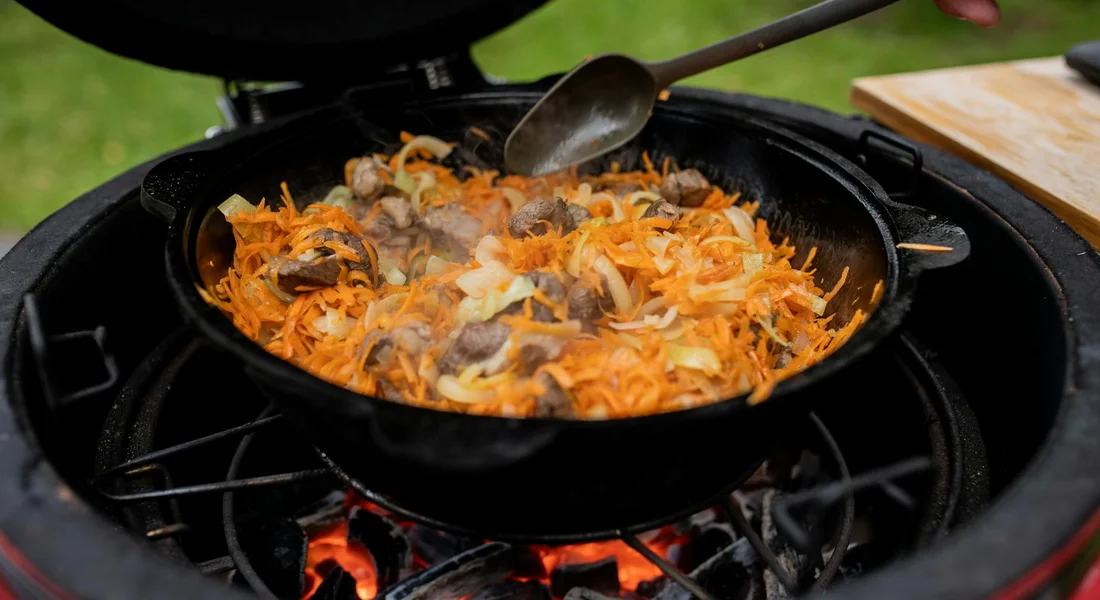
Knowing what to avoid simply frees you to use your cast iron with total confidence for what it does best. This is where the partnership between you and your pan truly shines. Curious why a cast iron skillet is worth keeping in your kitchen? Our complete guide highlights its benefits and advantages, helping you make the most of it.
Foods That Build Seasoning: Searing and Frying
These foods are not just safe for your pan, they actively make it better. The high-heat cooking process deposits tiny amounts of polymerized oil, strengthening your seasoning with every use.
- Meats for Searing: Steaks, chops, chicken thighs, burgers. The intense, even heat creates a fantastic crust and the natural fats help condition the surface.
- Root Vegetables: Pan-fried potatoes, caramelized onions, roasted carrots. These require a good amount of oil and steady heat, which is cast iron’s specialty.
- Baked Goods: Cornbread, skillet cookies, focaccia. The even oven heat gives you consistent browning and a crisp edge that’s hard to beat.
- Simple Frying: Grilled cheese, eggs (with a properly seasoned and heated pan), bacon, pancakes.
Cooking these foods is like a workout for your pan’s seasoning, making it stronger and more non-stick over time.
The Tool for the Job: Choosing Your Pan
The most confident cast iron user knows it’s not the only pan in the kitchen. It’s the specialist. Even among the cast iron faithful, many wonder how it stacks up against nonstick for everyday home cooking. So, which wins in the kitchen—cast iron vs nonstick—often comes down to the task at hand. I have a few seasoned skillets I use almost daily, but I also keep an enameled cast iron Dutch oven for long braises with wine and tomatoes, and a stainless steel saucepan for quick acidic pan sauces.
Think of your traditional cast iron as your go-to for high-heat, great browning, and durability. Reach for it when you want to build flavor through searing or when you need a workhorse that goes from stovetop to oven. Protecting it from prolonged acid and sticky sugars isn’t a limitation. It’s how you keep this specific tool performing perfectly for the tasks it was made to master.
Quick Answers
I see “void cast iron” online. Is that a real thing?
No, it’s almost always a typo or autocorrect error for “avoid.” The intent is correct-some foods are best avoided to protect your pan’s seasoning. Focus on the practical advice, not the misspelling.
Why are lentils specifically mentioned as a food to avoid?
Lentils and similar starchy, simmered foods release glue-like compounds that can fuse to the surface. Scrubbing this layer off often strips seasoning in the process. For these, a stainless steel or enameled pot is a more practical choice.
What’s the most important step after cooking a problematic food?
Clean the pan immediately while it’s still warm, using hot water and gentle scrubbing. Dry it thoroughly on the stovetop, then apply a microscopically thin layer of oil. This quick routine limits damage and maintains your seasoning.
Your Cast Iron’s Long-Term Care
If you remember one thing, let it be this: you can cook almost anything in cast iron if you manage your cooking time and follow up with proper care. Avoiding problems is less about a list of forbidden foods and more about not letting acidic ingredients simmer for hours unattended. You can still cook acidic foods in cast iron—just keep simmer times short and re-season afterward. For more on maintaining that crucial protective layer, our guides on fixing seasoning and stopping rust are great next steps.
Industry References
- What Not to Cook in Cast Iron (Don’t Worry-It’s Not a Lot!)
- 3 Foods to Avoid Cooking in Your Cast-Iron Skillet, According to Experts
- These 4 Foods Are Quietly Killing Your Cast-Iron Cookware – CNET
A material science expert by profession, Joseph is also an avid cook. He combines his 10+ years expertise in material science and metallurgy with his passion for cast iron cookware to bring you best hands on advice. His expertise ranges from types of cast iron cookware to best seasoning tips as well as restoration of vintage cast iron utensils. Joe is here to help you solve all your cast iron cookware queries and questions.