Is Boiling Water in Cast Iron Safe? A Practical Guide for Careful Cooks
You might hesitate to simmer broth or boil pasta water in your cast iron, fearing it will damage the seasoning. Boiling liquids in cast iron is perfectly safe if you follow a few key practices to protect your pan.
Based on my experience restoring and using cast iron daily, here’s what you need to know to boil with confidence:
- The truth about how boiling affects your pan’s seasoning
- Essential steps to prevent rust during and after boiling
- My straightforward method for boiling liquids without worry
The Simple Answer About Boiling Water in Cast Iron
Yes, you can absolutely boil water and other liquids in your cast iron.
Your main focus shouldn’t be on the boiling itself, but on what happens right after. The concern isn’t safety, it’s maintenance. Prolonged contact with boiling liquid is a stress test for your pan’s seasoning and demands immediate, proper aftercare to prevent rust.
This is different from enameled cast iron. Those pots have a baked-on glass coating, so you can boil anything in them without a second thought about the finish. Traditional bare cast iron requires a bit more attention.
Whether you’re using a deep cast iron pot for soup, a skillet to quickly blanch vegetables, or wondering about a cast iron kettle, the same core principles apply.
How Boiling Affects Your Cast Iron’s Seasoning and Metal
Think of your pan’s seasoning as many thin, hard layers of polymerized oil. It’s like a durable paint job for your iron. Boiling water creates a prolonged, wet, high-heat environment.
This can soften those bonded layers, especially if your seasoning is new or thin. It doesn’t melt it off, but it can make it more susceptible to being scrubbed away. A strong, well-built seasoning can handle a boil, but a weak one might look patchy or dull afterward.
The real issue happens when the water is gone. If the boiling action has compromised the seasoning even slightly, it can expose tiny spots of bare iron. Iron, water, and oxygen react to form rust. This is why you might see a faint orange haze—flash rust—minutes after drying your pan if it wasn’t perfectly dried, especially when misleading water and moisture affect cast iron.
Not all liquids are equal. Plain water is the most straightforward. Milk can scorch and stick to the bottom, creating a tough clean-up. Acidic liquids like tomato sauce or wine accelerate the chemical process that breaks down seasoning. They’re not off-limits, but they demand a rock-solid seasoning and even faster aftercare.
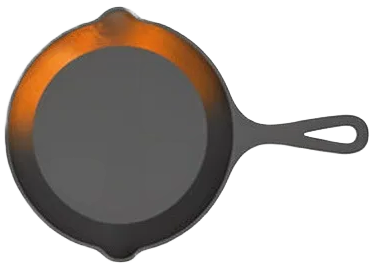
Can You Boil Water in a Cast Iron Skillet?
You can. Skillets are designed for frying, but I regularly pour a cup of water into my hot skillet to deglaze it after searing meat. That quick, rolling boil for 30 seconds is perfectly fine.
The shallow shape of a skillet is the catch. I would avoid a long, rolling boil for pasta, for example, because the large surface area of exposed iron above the water line is a prime spot for rust to start if the steam degrades the seasoning there. For a brief blanch or deglaze, go ahead. For simmering a sauce for an hour, a Dutch oven is a better tool.
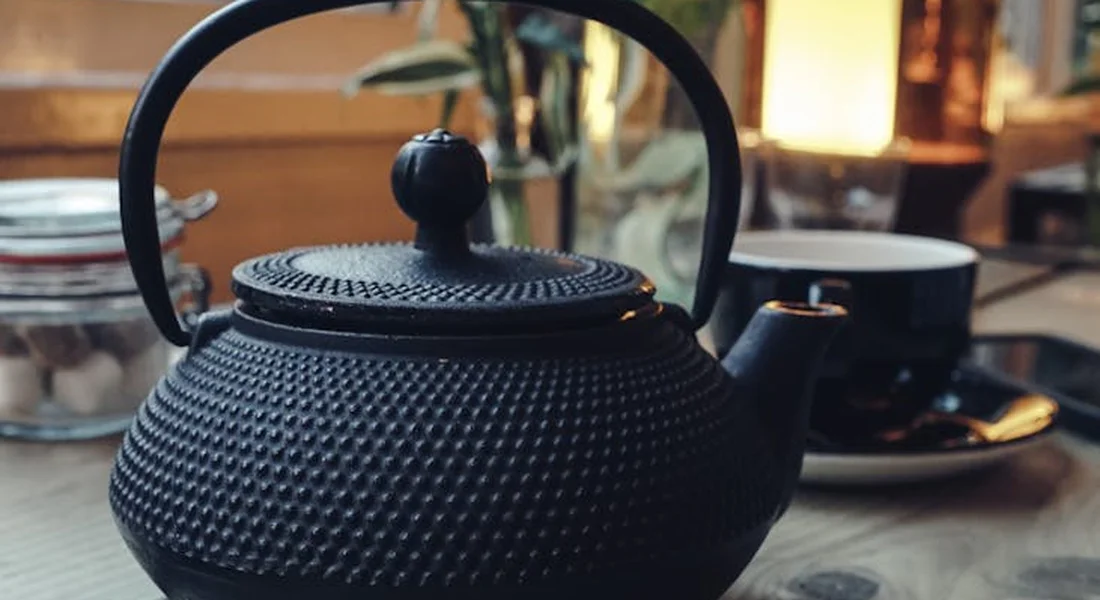
Can You Boil Water in a Cast Iron Teapot or Kettle?
This is a special case. Many dedicated cast iron kettles and teapots are designed differently. Some have a porcelain enamel lining inside, which makes boiling water simple and rust-proof. Others are left unseasoned bare iron inside, with the idea that the constant boiling and heat will keep it dry.
If your kettle is seasoned inside, you can boil water in it. The rule is the same: dry it thoroughly immediately after use. This can be tricky with a narrow spout. I sometimes put my dry kettle back on the warm stove for a few minutes to evaporate any hidden moisture.
A tight-fitting lid, like the clamp-down cover on a Japanese tetsubin kettle, is a big help. It limits the oxygen that can get inside while boiling and cooling, which directly slows down rust.
The Safe Way to Boil: Best Practices and Precautions
Boiling in cast iron is perfectly doable if you follow a few simple rules. The goal is to protect your pan’s seasoning from prolonged moisture and to prevent physical damage from extreme heat. That same heat-safety mindset carries over to seasoning, where the right temperature matters. For precise temps, the best temperature seasoning cast iron pans guide covers the steps.
A Simple Step-by-Step Guide
- Start with a well-seasoned pan. A skillet with a few solid layers of seasoning will handle moisture much better than a brand-new or patchy one.
- Use medium heat only. Cast iron heats evenly and retains heat incredibly well. Cranking the burner to high creates a huge temperature difference between the bottom and the walls of the pan, which can lead to warping or cracking-a problem called thermal shock.
- Add enough liquid to cover the bottom generously. You never want the pan to boil completely dry. Letting your cast iron pan boil dry is a surefire way to damage the seasoning and potentially cause it to crack.
- Use a lid if you have one. A lid helps the liquid come to a boil faster at that lower, medium heat, reducing the total time your seasoning is exposed to steam.
- Once your task is done, move the food or liquid out promptly. Don’t let the pan sit full of water to soak.
What Helped Me: The Post-Boil Ritual
I never walk away after boiling. My routine starts the second the food is out. The most critical step happens immediately: drying the pan completely, inside and out, to stop any chance of rust.
Addressing Cast Iron Safety Myths and Health Questions
The most common worry I hear is about iron leaching into food. Let’s clear that up.
Yes, cooking with cast iron can transfer small, measurable amounts of dietary iron into your food, especially when cooking acidic or watery foods like tomato sauce or, yes, boiling liquids. For the vast majority of people, this is not a health concern. In fact, organizations like the American Culinary Federation and manufacturers like Lodge have long stated that cooking with cast iron is safe. For most people, the small amount of iron transferred from the pan to your food is considered safe and can even be a beneficial dietary source. If you’re curious about how cooking cast iron adds iron to your food, we’ll explore that topic in the next section.
If you have a specific medical condition like hemochromatosis, where your body stores too much iron, you should consult your doctor about using cast iron cookware. For general home cooking, the consensus is clear on safety. In practice, cast iron can contribute a small amount of iron to your meals, which most people can absorb safely. Understanding the healthy truth about iron absorption and safety can guide how you use cast iron in your kitchen.
Other myths persist too. Boiling plain water does not “reseason” your pan-seasoning requires oil and heat. And while prolonged, careless boiling can weaken seasoning, following the best practices above makes it a safe and useful technique for your kitchen.
Care and Maintenance Right After Boiling
Boiling water in your skillet is straightforward. The real work, the part that truly protects your investment, starts the moment you pour that liquid out. This aftercare routine is non-negotiable if you want to keep your pan in fighting shape.
Neglecting the few minutes of care after boiling is what leads to rust and damaged seasoning, not the boil itself.
How to Dry Your Cast Iron Completely After Boiling
Think of water as cast iron’s number one enemy. The porous metal and polymerized seasoning will wick in moisture if you let them. A towel alone won’t cut it.
Here is the foolproof method I use on every single piece I clean in my workshop:
- Empty the pan and rinse it with hot water if needed.
- Dry it aggressively with a clean, dry towel. Get into every corner.
- Place the pan on a stovetop burner set to low or medium-low heat.
- Let it warm for 3-5 minutes until every hint of moisture is gone. You’ll see the last traces evaporate. The pan should feel hot and completely dry to the touch.
Air-drying is a guaranteed path to flash rust, those tiny orange specks that seem to appear out of nowhere. Heat is the only way to chase all the water out of the metal’s microscopic pores.
How to Season Your Cast Iron After Boiling
Once your pan is bone dry, take a second to look at the cooking surface. Did the boiling leave it looking dull, lighter in color, or slightly rough? That’s normal. Prolonged boiling can temporarily weaken the top layer of your seasoning.
This is where a tiny bit of preventative maintenance makes all the difference. I always follow the drying step with this quick re-oil.
- With the pan still warm from the stovetop, add about half a teaspoon of your seasoning oil (like flaxseed, grapeseed, or crisco) to the center.
- Use a folded paper towel to spread the oil over the entire interior surface, including the walls.
- Take a second, clean paper towel and thoroughly buff the oil off. It should look almost dry, with just a faint sheen. This leaves the microscopic layer needed for protection.
- Let the pan cool on the stovetop. You’re done.
This stovetop method is for maintenance. A full oven re-seasoning is only necessary if the boiling (or scrubbing afterward) visibly stripped large, flaky patches of seasoning down to bare, gray metal. For most boils, the quick oil rub is perfect.
That final thin coat of oil reheats and bonds to the surface as the pan cools, reinforcing your seasoning’s defenses.
Choosing the Right Tool: Cast Iron vs. Other Cookware for Boiling
You can absolutely boil in classic cast iron. I do it. But it’s fair to ask if it’s always the *best* tool for that specific job. Knowing the trade-offs lets you pick the perfect pan from your cabinet, especially when looking into what foods and dishes are suitable for cast iron.
Choosing comes down to your priorities. Want zero upkeep? Grab stainless or enameled. Don’t mind a 5-minute care routine for the benefits of your classic pan? Your cast iron skillet is ready for the job.
Common Questions
Does boiling liquids cause unsafe iron leaching into food?
Boiling can transfer trace dietary iron, which is safe for most people and often beneficial. To minimize any transfer, maintain a strong, smooth seasoning layer as a protective barrier. If you have a condition like hemochromatosis, consult your doctor.
Is there an official safety or care chart for Lodge cast iron?
Lodge provides robust care instructions on their official website and packaging, which are your definitive sources. Their guidance consistently emphasizes that proper cleaning, drying, and seasoning are the core of safety and longevity. Forget complex charts; mastering those three steps is your universal safety manual.
What’s the core safety difference between bare and enameled cast iron for liquids?
The safety difference is about maintenance, not toxicity. Enameled cast iron has a non-reactive glass coating, so boiling and cleanup are straightforward with no risk of rust. Bare cast iron is equally safe for cooking but requires immediate, thorough drying and occasional oiling to keep its seasoning intact and prevent rust. That said, rust risks differ between bare and enameled cast iron, and their care needs reflect those differences. These rust-care differences are worth comparing when choosing cookware.
Maintaining Your Pan After Boiling Liquids
When you boil liquids in cast iron, always dry the pan thoroughly over low heat on your stovetop as soon as you’re done. This immediate, complete drying is what prevents moisture from compromising the seasoning and inviting rust. For deeper care, our resources on choosing the right oils for seasoning and restoring vintage pieces can help you build even more confidence.
Further Reading & Sources
- Why You Shouldn’t Boil Water in Cast Iron – Kent Rollins
- The Important Tip To Know If You’re Boiling Water In A Cast Iron Pot – Tasting Table
- Why You Shouldn’t Boil Water in Cast Iron – Kent Rollins
- The Crucial Reason You Should Never Boil Water In A Cast Iron Pan
- r/Cooking on Reddit: Can I boil water in a cast iron to clean it?
- Why shouldn’t you boil water in cast iron? – Quora
Joseph Gerald
A material science expert by profession, Joseph is also an avid cook. He combines his 10+ years expertise in material science and metallurgy with his passion for cast iron cookware to bring you best hands on advice. His expertise ranges from types of cast iron cookware to best seasoning tips as well as restoration of vintage cast iron utensils. Joe is here to help you solve all your cast iron cookware queries and questions.