How Does Rust Form on Cast Iron and What Can You Do About It?
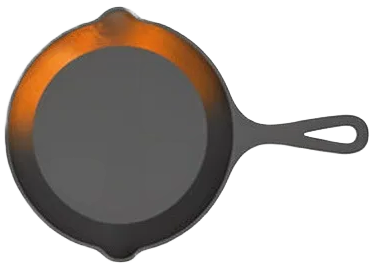
Seeing orange spots on your skillet can make you worry it’s damaged for good. From my own collection, I’ve learned rust is a fixable problem, not a death sentence for your pan.
- The simple chemical reaction that turns iron into rust and why it happens.
- Practical, daily habits that prevent rust from ever taking hold.
- A step-by-step guide to safely scrub rust away using items you likely own.
- How to re-season your pan correctly to protect it for the long term.
The Quick Snapshot: Rust Removal Methods Compared
Think of this table as your toolbox. Different jobs call for different tools. This helps you pick the right one fast.
| Method | Best For | Tools Needed | Time Required | Effort Level | Key Point |
| Vinegar Bath | Light, even surface rust. | White vinegar, container, brush. | 1-2 hours (soak). | Low (passive soak). | Pro: Cheap and thorough. Con: Can etch metal if left too long. |
| Baking Soda Paste | Small, localized rust spots. | Baking soda, water, scrub pad. | 15-30 minutes. | Medium (scrubbing). | Pro: Gentle abrasion. Con: Not for heavy rust. |
| Rust Eraser | Quick spot cleaning, minor rust. | Abrasive rust eraser block. | 5-10 minutes. | Low to Medium. | Pro: Incredibly fast and controlled. Con: Wears down with use. |
| Steel Wool | Stubborn, slightly heavier rust. | Coarse steel wool (grade 0 or 1). | 10-20 minutes. | High (elbow grease). | Pro: Aggressive cutting power. Con: Can leave deep scratches. |
| Electrolysis | Severe, caked-on rust on vintage pieces. | Power supply, washing soda, tub, rebar. | 12-24 hours (setup & soak). | Very High (technical setup). | Pro: Removes rust without damaging iron. Con: Requires special equipment and safety knowledge. |
Why Rust Happens: The Simple Science of a Sneaky Reaction
Rust is just iron having a chemical reaction with its environment. Think of a sliced apple turning brown when left on the counter, or a bike left outside in the rain. That’s oxidation.
Three things must be present for rust to form on your cast iron: the iron itself (Fe), oxygen from the air (O2), and water or moisture (H2O). Take any one of those away, and rust can’t start. This knowledge helps you identify, prevent, and remove rust from cast iron.
Your pan’s seasoning is the barrier that keeps air and water from touching the bare iron, much like a raincoat keeps you dry.
Without that polymerized oil layer, the porous surface of the iron is wide open to attack. This is why a stripped or damaged pan can flash-rust in minutes right after you dry it.
That porous, textured surface is also why cast iron seems to rust so easily compared to smooth stainless steel. It simply has more surface area for moisture to cling to and start the reaction.
It’s Not Always Rust: Telling Stains from Seasoning from Trouble
Not every discoloration is a crisis. Learning the difference saves you from unnecessary scrubbing.
- Orange-Red Rust: This is the problem. It’s fluffy, powdery, or scaly. It must be removed.
- Black or Gray Patches: This is often just baked-on carbon from food or a stable layer of magnetite (a type of iron oxide). It’s usually fine and can be part of your seasoning.
- Metallic Silver: This is bare iron, typically right after stripping or scrubbing. It will rust almost instantly if not dried and oiled immediately.
Use the fingernail test. Gently scrape the spot with your fingernail. If orange-red powder comes off, it’s active rust. If it’s a hard, smooth, black spot that nothing flakes off of, it’s likely just a stain or stable magnetite.
What many call “black rust” is usually magnetite, a stable, protective oxide that forms under high heat. It’s not a problem and you can cook right over it.
You only need to remove it if you want a perfectly uniform looking pan, but for cooking performance, it’s often harmless.
Your Best Defense: How to Prevent Rust Before It Starts

Preventing rust isn’t about performing complex rituals. It’s about one simple, non-negotiable habit. Treat your cast iron like a good pair of leather boots. You wouldn’t put them away soaked, you’d dry them properly. Do the same for your pan, every single time.
The Golden Rule of Drying: Towels Are Never Enough
Think you’ve dried your pan with a towel? You haven’t. Microscopic water is still clinging to the surface and hiding in the pores of the iron. That’s all rust needs to get started. Water and moisture can severely impact cast iron if not properly managed.
Your best defense is to always place your clean, dry pan on a warmed stovetop burner for two to three minutes after washing. I do this with my daily driver skillet without fail. You’ll see any last bits of moisture sizzle and vanish. This heat flash evaporates all residual water, leaving the iron truly dry and safe.
Creating a Fortress: The Role of a Good Seasoning Layer
Your seasoning isn’t just for non-stick cooking. That layer of polymerized oil acts like a raincoat for your pan, filling the microscopic pores of the iron and creating a smooth, water-resistant barrier.
Rust prevention is directly tied to maintaining this barrier through regular cooking with fats and the occasional oven seasoning touch-up. A strong, glossy patina doesn’t just make eggs slide, it actively seals the iron from moisture in the air. If your seasoning looks thin or patchy, that’s your cue to give it a fresh coat.
Smart Storage: Let Your Pans Breathe
Where you put your pan away matters. Never stack pans while they’re even slightly damp. Avoid trapping them in airtight containers or plastic bags where humidity gets locked in.
- For stacked pans, place a paper towel or a clean, dry cloth between them. This absorbs any ambient moisture and lets air circulate.
- Store them in a dry cupboard, not under a sink or in a damp basement.
For pans you won’t use for months, a very thin wipe of neutral oil after the stovetop dry is excellent insurance. It’s that last, protective polish before the pan goes into hibernation.
Rolling Up Your Sleeves: Safe and Effective Rust Removal Techniques
Found some rust? Don’t panic. I’ve salvaged pans left in wet leaves for a season. Can a rusty cast iron pan be saved? Yes, almost always. The method just depends on how deep the rust has gone.
The Gentle Scrub: For Light Surface Rust
This is for that dusty, reddish-brown film that wipes off on your finger. You don’t need harsh chemicals.
- Make a thick paste with baking soda and a little water. Scrub it into the rust with a stiff nylon brush or a non-scratch scrubby sponge. The baking soda is a mild abrasive that lifts the rust away.
- My favorite kitchen hack: use coarse kosher salt as your abrasive. Pour a small pile into the pan, then use half a potato as your scrubber. The potato gives you leverage and the salt scours without harming good seasoning.
Dedicated “cast iron rust erasers” work on this light surface level, too. They’re like a gentle pencil eraser for rust.
The Chemical Assist: Using Vinegar to Dissolve Rust
When you see the search term “cast iron rust vinegar,” this is the safe way to do it. The acetic acid in vinegar reacts with the iron oxide (rust), loosening its bond to the pan’s surface, just like other proven techniques used for rust removal.
You must protect any good seasoning, as the vinegar will attack that polymerized layer just as eagerly as it attacks the rust. Only submerge the rusty areas.
- Mix equal parts white vinegar and water in a container large enough for your pan or the affected area.
- Soak the rusty section for 20-30 minutes, no longer.
- Scrub with a brush or scrubby. The rust should come off much easier.
- Rinse immediately and dry thoroughly on the stovetop.
Never leave cast iron in a vinegar bath overnight. Extended exposure can pit and etch the bare iron itself.
The Heavy Artillery: For Stubborn or Deep Rust
This is for crusty, flaky rust that doesn’t budge with vinegar. Your tool here is fine steel wool (grade 00 or 000).
Use the steel wool with a light oil as a lubricant, like canola or mineral oil. The oil traps the rust dust and prevents the fine steel filaments from scratching the iron deeply. Scrub in small circles until you reach bare, grayish metal. You will need to re-season the entire pan afterwards.
For extreme cases, some restorers use a wire wheel on a drill or sandpaper. I consider this a last resort. These methods remove significant metal and can alter the pan’s cooking surface. Electrolysis is the professional-grade, museum-standard method for stripping rust without damaging the iron. It’s fantastic, but it’s a topic big enough for its own guide.
After the Battle: What to Do Once the Rust is Gone

You’ve scrubbed the rust away, revealing the bare, gray iron underneath. Here is the most critical moment in the whole process. That fresh, clean surface is incredibly reactive and will begin to flash-rust in a matter of minutes, sometimes before your eyes.
The moment the last speck of rust is gone, your mission changes from removal to immediate protection.
Do not walk away. Do not set it on the counter to dry. Follow these three steps back-to-back:
- Give the pan a quick final rinse with hot water to remove any residual scrubbing dust.
- Dry it thoroughly with a towel, then place it on a stove burner over low to medium heat for 2-3 minutes. This heat drives off every last bit of moisture that the towel missed.
- While the pan is still warm (not scalding), apply a very thin coat of your seasoning oil all over it, inside and out. This thin oil layer is your temporary shield against the air while you prepare for the main event.
The Essential Re-Seasoning Process
That initial thin oil coat is just a bandage. To truly protect your pan, you need to bake on a fresh polymerized seasoning layer. Think of it like painting a wall. One thick, gloppy coat will drip, dry unevenly, and stay sticky. Multiple thin coats create a smooth, hard, durable finish.
For a strong, non-stick surface, multiple thin layers of baked-on oil will always beat one thick, tacky layer.
Here is my go-to method for oven seasoning after rust removal:
- Preheat your oven to 450°F (232°C). Place a rack in the middle position and put a sheet of aluminum foil on the bottom rack to catch any drips.
- With your warm, oiled pan from the previous step, use a fresh paper towel to wipe off even more oil. Wipe it as if you made a mistake and are trying to remove it all. The pan should look barely shiny, almost dry.
- Place the pan upside down in the preheated oven. Baking it upside down prevents oil from pooling in the cooking surface.
- Bake for one hour. After the hour, turn the oven off and let the pan cool completely inside the oven. Do not rush this cooling phase.
- Once cool, repeat the process: apply a microscopically thin coat of oil, wipe it off aggressively, and bake for another hour. I typically do 3 to 4 rounds for a solid foundation after rust repair.
Common Pitfalls and Reassurances
Rust can cause a lot of anxiety. Let’s clear up the biggest worries and point out the habits that often lead back to trouble.
“Is the Rust Poisonous? Did I Ruin My Pan?”
This is the most common fear. First, take a deep breath. Ingesting a tiny flake of iron oxide (rust) from a pan is not poisonous. Your body can process small amounts of iron. The real issue is that rust tastes terrible and its presence means your protective seasoning has failed.
Finding rust doesn’t mean your pan is garbage, it just means it needs some focused care to restore its protective coating. A properly stripped and re-seasoned pan is just as safe and functional as a brand new one. I have brought back pans that were completely orange with rust, and they are now my daily drivers. It’s all about knowing when it’s worth it to salvage them.
Mistakes That Make Rust Worse
Rust is a symptom of moisture meeting bare iron. Often, we accidentally create the perfect conditions for it. Avoid these common errors to keep your pan secure and safe for cooking.
- Letting it air dry: Towel drying alone leaves microscopic water. Always use stove heat to ensure it’s bone-dry.
- Soaking in water: Never soak cast iron. Even a good seasoning layer can be breached by a long bath.
- Storing with moisture: Never put a lid on a slightly damp pan or stack pans while wet. Airflow is your friend.
- Using harsh cleaners: Avoid dish soap with hand moisturizers or bleach, and never use an automatic dishwasher. These strip seasoning, leaving iron exposed.
- Applying too much oil: A thick, un-baked coat of oil doesn’t polymerize. It turns sticky, collects dust and moisture, and can actually promote rust underneath it. If your pan feels tacky after oiling, you used too much oil and didn’t wipe off enough.
Quick Answers
Is a vinegar soak safe for removing rust from my cast iron skillet?
Yes, but with strict control. A 50/50 mix of white vinegar and water is an effective chemical assist for light rust. Submerge only the rusty areas for 20-30 minutes, then scrub immediately. Never soak overnight, as the acid can etch the bare iron and damage good seasoning.
What’s the real difference between harmful rust and harmless discoloration?
Active rust is orange-red, powdery, and will flake onto your fingernail. Harmless discoloration is typically a hard, black, or gray patina that feels smooth and is part of a stable seasoning layer. If it doesn’t come off as red dust, it’s not a problem you need to scrub away.
When should I use a dedicated “rust eraser” versus other methods?
A rust eraser is a precision tool for quick, localized spot-cleaning of minor surface rust. It’s ideal for touching up a small area without a full strip. For widespread or heavy rust, a vinegar bath or targeted scrub with oil and steel wool is a more efficient, complete solution.
Your Role as a Cast Iron Steward
The single most important thing you can do is prevent rust by always drying your pan completely and keeping a thin, even layer of oil on it. This routine, more than any complex chemical knowledge, is what preserves your skillet for decades. For more hands-on guidance, our articles on seasoning fundamentals and choosing the right oils provide clear next steps.
Relevant Resources for Further Exploration
- cleaning – How did rust appear on my cast iron in a matter of minutes? – Seasoned Advice
- I bought a cast iron skillet and after washing it and then heating it I got a color like rust – Seasoned Advice
- How to Remove Rust from a Cast Iron Skillet – Field Company
- How to Restore and Season a Rusty Cast Iron Skillet – Lodge Cast Iron
- Is it okay to use cast iron with a little rust on it? – Quora
- r/castiron on Reddit: The rust never comes off completely
Joseph Gerald
A material science expert by profession, Joseph is also an avid cook. He combines his 10+ years expertise in material science and metallurgy with his passion for cast iron cookware to bring you best hands on advice. His expertise ranges from types of cast iron cookware to best seasoning tips as well as restoration of vintage cast iron utensils. Joe is here to help you solve all your cast iron cookware queries and questions.