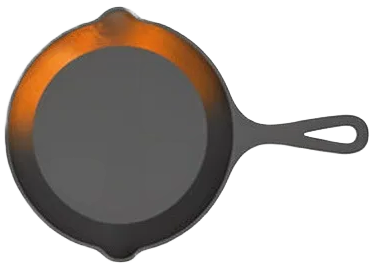
How Do You Clean Stubborn, Burnt Food from Cast Iron?
Seeing a layer of blackened, stuck-on food caked onto your favorite skillet can make you panic. You might worry that cleaning it will ruin your hard-earned seasoning.
Modern cleaning won’t hurt a well-seasoned pan, and attacking that mess properly is better for your cookware than letting it sit. This guide gives you a clear plan for getting your pan back to cooking condition, covering the methods I use in my own kitchen.
- The simple mistake that makes stuck-on food worse.
- Gentle, effective cleaning for most messes.
- A step-by-step method for the toughest, burnt-on layers.
- What to do with your pan immediately after cleaning.
How Bad Is the Mess? Assessing Your Cast Iron’s Condition
First, take a breath and look at your pan closely. The cleaning method you choose depends entirely on what you’re looking at. Think of it like dirt on a car: you wouldn’t power wash a dusty windshield, and you wouldn’t just wipe caked-on mud with a feather duster.
Here’s how to tell what you’re dealing with:
- Light Gunk & Fresh Residue: This is a thin, greasy film or bits of soft food from your last meal. It wipes away easily with a paper towel, or lifts with a bit of warm water. Your seasoning underneath feels smooth.
- Stuck-On Food: This is the common culprit. You’ll see definite, hardened bits of food fused to the surface, often around the cooking area. They might be dark brown or black. Scrubbing with a fingernail doesn’t budge them. This is what a good chainmail scrubber or coarse salt is made for.
- Heavy Carbon Crust (The “Crud”): This is a thick, black, flaky, or crusty layer that has built up over many cooks without proper cleaning. It sits on top of your good seasoning and feels rough or bumpy. Sometimes it’s almost like a scale. This requires a more aggressive, scraping approach.
I have an old Dutch oven lid that developed this carbon crust from years of slow-cooked stews. It looked terrible, but the iron underneath was perfect. Nearly every mess, short of a crack in the iron itself, is completely fixable with patience and the right tool.
The Right Tools for the Job: Building Your Cast Iron Cleaning Kit
You don’t need a cabinet full of gadgets. A few key cast iron cleaning tools handle 99% of jobs. Using the wrong tool can make your work harder or even damage your seasoning.
The Essential Core Kit
- Stiff Nylon Brush: Your go-to for daily, light cleaning. The stiff bristles get into the pores of the iron without being abrasive. It’s perfect for scrubbing out that light gunk after scrambled eggs or a seared steak.
- Chainmail Scrubber: This is the MVP for stuck-on food. The flexible metal rings are tough enough to scrape off burnt bits but smooth enough to protect your polymerized seasoning layer. It works with just water and elbow grease.
- Plastic or Wooden Scraper: This is your tool for the heavy carbon crust. The firm, flat edge allows you to apply focused pressure to literally scrape thick layers of crud away. I keep a cheap plastic dough scraper in my kit for this exact purpose.
- Coarse Kosher Salt: A natural, mild abrasive. Sprinkle it in a damp pan and use a paper towel or the cut side of a potato to scrub. It’s excellent for tackling light to moderate stuck-on spots and polishing the surface without harsh chemicals.
Choosing Your Weapon: A Simple Comparison
Knowing which tool to grab saves time and effort.
- Use the nylon brush for dust (light, fresh residue).
- Use the chainmail scrubber for mud (common stuck-on food).
- Use the plastic scraper for concrete (thick carbon crust).
You would never use the scraper on a lightly dirty pan, and the nylon brush will just frustrate you on a pan with burnt cheese.
Optional (But Handy) Upgrades
If you want a dedicated setup, you can find a pre-assembled cast iron cleaning kit online or in kitchen stores. These often bundle a chainmail scrubber, a stiff brush, and a scraper in one package. A dedicated cast iron cleaning brush with sturdy, food-safe bristles is also a great single-tool purchase.
You can find these tools at most hardware stores, kitchen supply shops, or online retailers. The goal is to have the right tool within arm’s reach so cleaning never feels like a chore.
The Daily Clean: How to Clean a Cast Iron Skillet After Normal Use
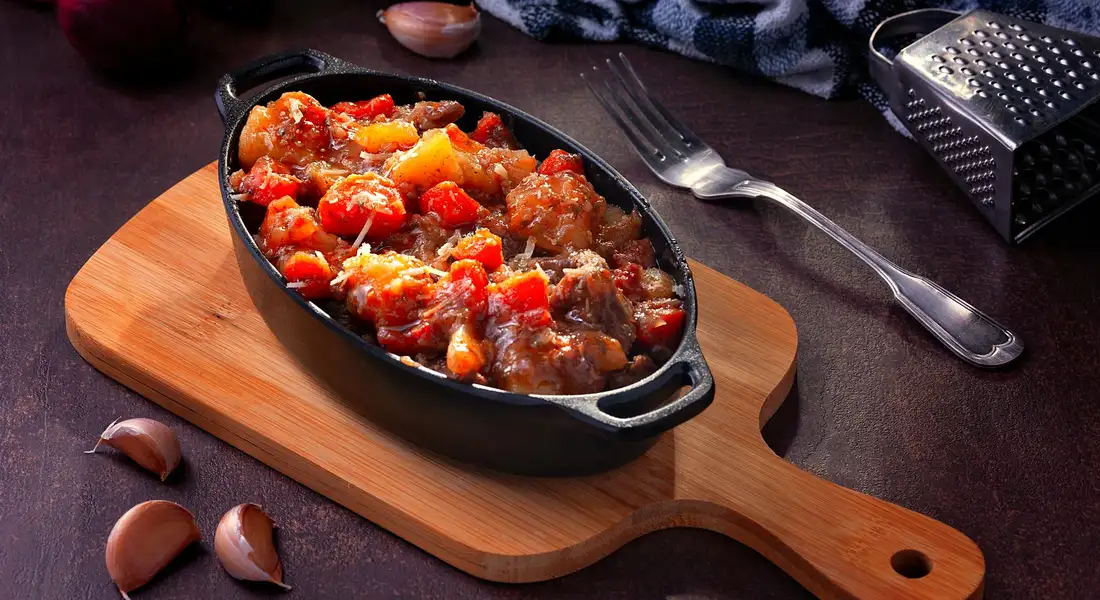
If your pan performed well during dinner, the clean-up should be simple and quick.
The best method for daily cleaning is a hot water scrub, immediate drying, and a tiny drop of oil. This routine maintains your seasoning without any drama.
The Simple, Go-To Method
Start this process while your pan is still warm from the stove, but not scalding hot.
- Fill the warm skillet with a couple inches of hot tap water.
- Use a non-metal brush or scraper to gently scrub the cooking surface, loosening any food bits.
- Pour out the dirty water. For any persistent spots, use a paste of coarse salt and a drop of water with a cloth or your fingers to scrub gently.
- Rinse the pan thoroughly under hot running water.
Dry It. Now.
This is the most critical step to stop rust from ever starting.
First, dry your pan completely with a towel. Then, place it back on a stovetop burner over low to medium heat for about five minutes. Applying gentle heat after towel-drying guarantees all hidden moisture evaporates, leaving the iron completely dry and safe. I do this with my own daily driver skillet every single time, especially after cleaning it following the post-use cleaning routine.
The Soap Question, Answered
You can use a small amount of modern dish soap. The old rule about never using soap comes from a time when soaps contained lye, which would strip seasoning.
Today’s mild dish detergents are not the same. They cut grease to clean your pan but won’t damage the polymerized seasoning layer you’ve built up. If you’ve cooked something greasy or fragrant, a dot of soap on your brush is a safe and effective way to get your pan truly clean. Just rinse well afterward and follow the dry-heat step.
This daily routine solves most cleaning needs and keeps your pan in perfect shape for the next meal.
Tackling Stuck-On Bits: Methods for Moderate, Burned-On Food
Finding a layer of food welded to your skillet after dinner is a common frustration. It feels like a setback, but it’s just part of the journey. I’ve faced this with my own daily driver skillets more times than I can count. The key is using a method that lifts the gunk without damaging your hard-earned seasoning.
Method 1: The Deglazing Technique
This is my first move for fresh, sticky residues like cheese, eggs, or starchy sauces. It uses the pan’s own heat and a little water to release the food, mimicking how you’d make a pan sauce.
- Place the dirty pan back on a warm burner (low to medium heat).
- Pour in about a half cup of hot tap water. It will sizzle and steam.
- Use a flat-edged metal spatula or a wooden spoon to gently scrape the bottom of the pan. The hot water loosens the food, letting you scrape it up easily.
- Pour out the messy water, then wash the pan normally with a small drop of soap and a soft brush or sponge.
- Dry it thoroughly on the stove, and apply a whisper-thin layer of oil to protect it.
Deglazing works quickly because the thermal shock from the hot water breaks the bond between the food and the seasoning, letting you clean without harsh scrubbing. Never use cold water in a hot pan, as the sudden temperature change can crack the iron.
Method 2: The Salt Scrub
When food has dried into a more stubborn layer, think of salt as your gentle, natural sandpaper. I keep a container of coarse kosher salt just for this purpose.
- While the pan is still slightly warm (not scalding hot), pour a generous tablespoon of cooking oil into it.
- Add two to three tablespoons of coarse salt (kosher or sea salt). Table salt is too fine and will dissolve.
- Use a folded paper towel or a cloth to grind the salt-and-oil mixture into the pan’s surface, applying firm pressure in a circular motion. The salt crystals act as tiny scrubbers.
- Dump out the now-dirty salt and wipe the pan clean with a fresh paper towel. For really tough spots, you may repeat the process.
- Give the pan a quick rinse with hot water, dry it completely, and apply a thin coat of oil.
A salt scrub provides physical abrasion that dislodges food particles without being harsh enough to strip away your polymerized seasoning layer. It’s perfect for that ring of baked-on cornbread or the crust from a seared piece of fish.
Method 3: The Baking Soda Paste
For truly baked-on, carbonized messes that salt can’t handle, a baking soda paste is your next best friend. It’s a mild alkaline that helps break down the stubborn grime. I used this on an old skillet I found with what looked like fossilized sauce in the corners.
- Make a thick paste by mixing baking soda with a small amount of water. You want the consistency of spreadable frosting.
- Apply the paste directly to the stuck-on areas. Let it sit for 15-20 minutes. You might see it start to dry and darken.
- Use a non-scratch scrubbing pad (like a blue Scotch-Brite) to work the paste into the spots. The paste provides gentle grit and chemical action.
- Rinse the pan thoroughly. You may need to wipe it out a few times to remove all the baking soda residue.
- Dry the pan meticulously on the stove. The surface may look a little dull after this; a light coating of oil and warming it until it smokes will restore the finish.
Baking soda lifts burnt-on residue through a gentle chemical reaction, softening it so you can scrub it away without resorting to metal scrapers or power tools. It’s a safe, effective step before considering more intensive restoration.
How to Choose the Right Cleaning Method
Picking the right tool saves you time and protects your pan. Think about what you cooked and how it’s stuck. Here’s a simple guide I follow.
| Food Type & Situation | Recommended Method | Why It Works Best |
|---|---|---|
| Fresh, sticky residues (cheese, sauce, eggs) | Deglazing with Hot Water | Heat and steam loosen the bonds instantly, making cleanup fast and preserving your seasoning. |
| Dried, crusty, or moderately stuck-on bits | Coarse Salt Scrub | The abrasive salt crystals scrub away debris while the oil provides lubrication, creating a polishing effect. |
| Burned, carbonized, or polymerized food layers | Baking Soda Paste | The mild alkaline paste breaks down the toughest, most baked-on grime that physical scrubbing alone can’t fix. |
Start with the gentlest method that seems right. If deglazing doesn’t work, move to the salt scrub. Save the baking soda paste for the most stubborn challenges. This approach keeps your seasoning intact while getting your pan back to cooking condition.
Dealing with a Carbon-Crusted Pan: Heavy-Duty Cleaning Methods
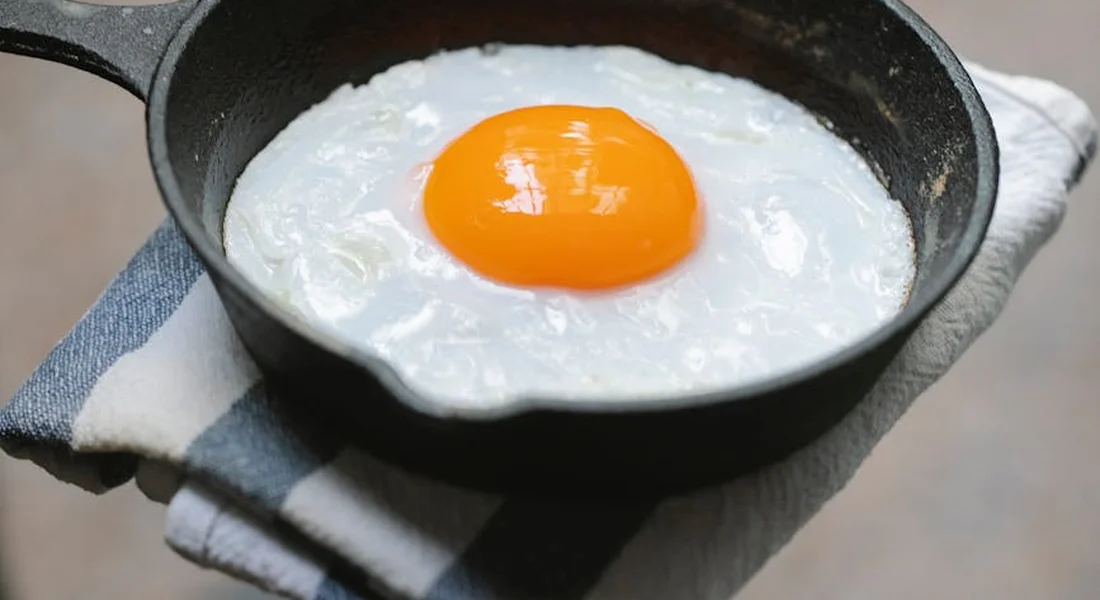
Sometimes, burnt food isn’t just stuck. It’s fossilized. You’re not scrubbing a stain, you’re chiseling away a layer of black, crusty carbon that feels like cement. This happens over years of high heat cooking or when a pan is repeatedly put away without a proper clean. Your regular chainmail scrubber won’t make a dent. This is when you need to move beyond maintenance and into restoration.
When you face a pan this dirty, you are not cleaning it, you are completely stripping it back to bare metal to give it a new life.
Method 1: The Oven Cleaner Method
This is the most accessible and effective method for home restorers. It uses a lye based oven cleaner to chemically break down both the burnt carbon and the polymerized seasoning (your pan’s non stick coating) underneath it. I’ve used this on skillets I’ve found with half an inch of crust. It works.
You must use an oven cleaner where the active ingredient is sodium hydroxide (lye). Check the label. The common “fume free” varieties often do not contain lye and will not work for this purpose.
Safety and Setup First
Lye is caustic. It can cause serious chemical burns. Treat it with respect.
- Work in a well ventilated area, like a garage or outdoors.
- Wear protective gloves and safety glasses.
- Lay down a large, heavy duty trash bag inside a plastic storage tub. This is your workspace.
The Step by Step Process
- Place your pan in the center of the trash bag.
- Shake the oven cleaner can well and spray a thick, even coat over the entire pan, inside and out. You want to completely cover the surface.
- Carefully gather the edges of the trash bag and wrap them around the pan, creating a sealed environment. Place the lid on the storage tub.
- Let it sit for 12 24 hours. The lye needs time to work.
- With gloves and glasses on, open the tub and bag. You will see a black, sludgy mess. Use a plastic scraper or brush to remove the sludge. Rinse the pan thoroughly with a garden hose or in a utility sink.
- Immediately dry the pan and apply a very thin coat of any cooking oil to prevent flash rust. You are now ready to re season from scratch.
The oven cleaner method dissolves the problem without any physical scrubbing, leaving you with gray, bare iron that’s ready for a fresh start.
Method 2: The Electrolysis Tank
This is the method preferred by serious collectors and restorers. It uses a low voltage electrical current in a water and washing soda solution to literally pull the rust and crud off the iron. It’s fascinating to watch.
I reserve this for antique pieces with valuable markings I don’t want to risk damaging with abrasives. It’s more of a project. You’ll need a plastic tank, a manual battery charger, a piece of sacrificial steel (like rebar), washing soda (not baking soda), and safety gear.
The process is safe for the iron and incredibly thorough, but it requires more equipment, space, and knowledge to set up safely. It’s the best way to clean a heavily crusted pan without touching its surface at all. Unlike cleaning with vinegar, which can be risky if not used properly.
Choosing Your Method: A Simple Comparison
| Method | Best For | Effort & Cost | End Result |
|---|---|---|---|
| Oven Cleaner | Most home users, single pans, severe carbon buildup. | Low cost, minimal equipment. Effort is in the setup and safe handling. | Completely stripped, bare iron. All markings and surface texture preserved. |
| Electrolysis | Hobbyists, multiple pans, antique restoration, removing heavy rust under carbon. | Higher initial setup cost and time. Requires learning electrical safety. | The cleanest possible bare metal. Even pulls rust out of pits. Zero surface wear. |
For one forgotten, crusted skillet in your kitchen cabinet, the oven cleaner method is almost always the right answer. It’s the practical path to a clean slate.
The Critical Step After Cleaning: Drying and Protecting Your Pan
You’ve just battled through that crusty, burnt-on mess. Now, the real test begins. If you do not dry your cast iron pan thoroughly, it will rust, no matter how well you cleaned it. I learned this the hard way with a vintage skillet I rescued, only to find spots after one careless night.
Cast iron is porous, and water loves to hide in microscopic spots your towel misses. Moisture matters—tiny water traces can start rust even in hidden spots. Rust forms fast. Understanding how moisture affects cast iron helps you keep the pan bone-dry, then shield it.
The Towel-Dry and Heat-Dry Method
Never rely on air drying or a quick towel wipe. You need both steps. Here is exactly what I do with every pan I clean.
- Towel-dry the pan completely right after rinsing. Use a clean, absorbent towel and wipe the entire surface, inside and out. Pay extra attention to the rim and the bottom where water pools.
- Use heat to drive off every last bit of moisture. Place the pan on a stovetop burner over medium heat for about two minutes. You will see any leftover water sizzle and disappear. No stove? Put the pan in a 300°F oven for 10 minutes instead.
The heat step is non-negotiable. It is the only way to be sure. My go-to daily pan gets this treatment every time, and it has never shown a speck of rust.
Adding a Micro-Thin Oil Coat for Storage
Once the pan is dry and has cooled slightly, you need to protect it. Applying a whisper-thin layer of oil after drying is what keeps your seasoning safe and prevents rust while the pan sits in your cupboard. Think of it like putting on a raincoat, not taking a bath in oil.
Here is my process.
- Put a small amount of a neutral, high-smoke-point oil (like canola or grapeseed oil) on a folded paper towel.
- Wipe the oil onto the entire pan, inside and out. Cover every surface.
- Now, take a fresh, dry paper towel and wipe the pan again. Buff it hard. You are trying to remove almost all the oil you just put on.
The pan should look satiny, not greasy. If it feels oily to the touch, you used too much. I keep a dedicated “cast iron” towel for this final buff, and it works perfectly. Your pan is now clean, dry, and protected, ready for its next use.
Why Re-Seasoning Is Often Necessary After a Deep Clean

You just worked hard to scrub off that baked-on mess. Your pan is clean, but it might look a little different. The surface may appear dull, gray, or patchy. This is completely normal.
Aggressive cleaning methods, by design, can strip away some of the polymerized oil layers that make up your seasoning.
Your Seasoning is a Protective Coat
Think of your pan’s seasoning like layers of tough, clear paint. Gentle washing with a soft sponge is like dusting that painted surface. Using coarse salt or a chainmail scrubber for stuck-on bits is like using a light scouring pad. It might leave a few fine scratches, but the coat remains largely intact.
But when you tackle truly stubborn, carbonized food, you often need to escalate. Simmering water, baking soda pastes, or careful scraping with a metal spatula are more powerful. They act like sandpaper, removing the burnt gunk and the top layers of seasoning bonded to it. You trade a little seasoning to save the pan.
The Simple Process of Re-Applying Oven Seasoning
Restoring that protective layer is straightforward. You’re not starting from scratch, just applying a fresh “coat.” One or two rounds in the oven is usually plenty.
- Wash and Dry: Give the pan a final rinse and dry it completely with a towel.
- Apply Oil: Put a few drops of a high-smoke-point oil (like grapeseed, canola, or refined coconut) on a paper towel. Wipe it over the entire pan, inside and out.
- Wipe it Off: This is the key step. Take a clean, dry paper towel and buff the pan as if you’re trying to remove all the oil. You want the thinnest, most even film possible. Any excess will become sticky.
- Bake: Place the pan upside-down in a cold oven. Set the temperature to about 450-500°F (or just above your oil’s smoke point). Bake for one hour, then turn the oven off and let the pan cool inside.
That thin, properly baked layer of oil will polymerize into a hard, slick surface, seamlessly blending with your existing seasoning.
This is Normal Maintenance, Not a Failure
I’ve had to do this to my own favorite skillet more times than I can count. A perfect, jet-black mirror finish is beautiful, but it’s not the goal for a working pan. The goal is a durable, non-stick cooking surface that you can maintain for life.
Re-seasoning after a tough clean isn’t a sign you ruined your pan. It’s a sign you’re taking proper care of it. Cast iron is resilient. Its value comes from this cycle of use, cleaning, and occasional re-seasoning, building up its character and performance over decades. A simple routine—clean, season, and maintain your cast iron skillet—helps keep it at its best. Follow that cadence consistently, and its seasoning and reliability will endure for years.
Each time you re-season, you’re not erasing history, you’re adding another chapter to your pan’s story.
Common Cleaning Mistakes That Can Hurt Your Cast Iron
Even with the best intentions, it’s easy to use methods that seem logical but work against your pan. Let’s go through the most frequent missteps I see, so you can avoid them.
Letting Your Pan Soak in the Sink
It’s tempting to let a dirty pan soak to loosen food. For cast iron, this is an invitation for trouble. Prolonged soaking allows water to penetrate the microscopic pores of the iron and the polymerized oil layer we call seasoning. This process literally begins to dissolve your hard-earned seasoning, exposing the raw iron underneath to rust. I’ve seen pans left overnight that needed a full re-seasoning. A quick rinse is fine, but treat a soak like leaving your favorite leather boots in a puddle.
Running It Through the Dishwasher
This is the single fastest way to damage a cast iron skillet. The combination of harsh detergent, extremely hot water, and a long drying cycle is catastrophic. Modern dishwasher detergents are designed to strip food and oil, which is exactly what your seasoning is-a layer of polymerized oil. The dishwasher will aggressively strip that protective layer, leaving your pan bare, dull, and vulnerable to instant rust. The heat cycle can also promote warping over time. Your dishwasher is for glass and ceramic, not for cast iron. If you’re asking whether it’s ever safe to put cast iron in the dishwasher, the definitive answer is no. Hand washing with warm, soapy water preserves the seasoning and protects against rust.
Reaching for Steel Wool First
Steel wool is a powerful tool for stripping rust or old seasoning during a restoration project. For routine cleaning of burnt-on food, it’s often overkill. The coarse metal strands can scratch and scour the cooking surface. While these tiny scratches won’t ruin your pan, they create texture for food to grab onto during your next cook, making your cleaning job harder over time. Save the steel wool for major rehab. For daily cleaning, a chainmail scrubber or stiff nylon brush provides plenty of abrasion without being overly destructive.
Using Non-Stick Cooking Spray
This mistake happens during cooking, not cleaning, but it directly causes a stubborn, gummy cleaning problem. Many aerosol cooking sprays contain emulsifiers like lecithin and propellants that don’t polymerize properly with heat. Instead of baking into a smooth layer, they leave a tacky, varnish-like residue. This sticky film then acts like glue, trapping food particles and creating a mess that’s difficult to remove without also damaging the good seasoning underneath it. For oiling your pan, a simple cloth and a drop of regular vegetable, canola, or flaxseed oil works perfectly.
When All Else Fails: Considering Professional Cast Iron Cleaning
Sometimes, a skillet can be in such rough shape that even the most dedicated DIY approach feels overwhelming. You might find yourself searching for a “cast iron cleaning service near me.” Let’s talk honestly about what that means—especially when it comes to assessing and repairing damage to your cast iron skillet.
Finding a true local specialist can be surprisingly difficult. Most general kitchen repair shops don’t handle cast iron restoration. You’re usually looking for a specific craftsman or a dedicated business.
The real value of a professional service isn’t just cleaning; it’s a complete factory-reset for your pan.
What Does a Professional Cast Iron Restoration Service Actually Do?
They handle the messy, intensive steps that you might want to avoid at home. A full professional restoration typically involves two major phases.
First, they completely strip the pan. This isn’t just scrubbing. They use industrial methods to remove every trace of old seasoning, rust, and carbonized gunk.
- Chemical Stripping: This often means a lye bath or electrolysis tank. These methods safely dissolve organic material (the old seasoning and food) without damaging the underlying iron.
- Media Blasting: Some use very fine media like crushed glass or baking soda in a blast cabinet. This is excellent for removing heavy rust, but it must be done by someone who knows cast iron to avoid pitting the surface.
Second, they apply a new, foundational seasoning. A pro won’t just wipe on one coat of oil. They build multiple, even layers in a controlled environment.
- The bare iron is meticulously cleaned and dried after stripping.
- They apply a thin, precise layer of a high-smoke-point oil.
- The pan is baked for a set time and temperature, often for multiple cycles, to polymerize the oil into a durable, non-stick base.
The result you get back is a pan that looks and performs like it just came from the foundry, ready for you to build its cooking history anew.
Is Your Pan a Candidate for Professional Help?
Not every dirty pan needs to go to a pro. Use this guide to decide.
You can almost certainly handle it yourself if: the issue is surface-level burnt-on food, slight stickiness, or light, superficial rust. The methods we’ve discussed in other parts of this article-like salt scrubs, boiling water, or careful chainmail use-will solve it.
Consider professional restoration when you see:
- Extreme, flaking layers of old seasoning that feel like thick, brittle paint.
- Deep, pitted rust that covers a large portion of the cooking surface.
- A warped cooking surface (though no one can fix a true warp).
- You’ve inherited a family heirloom covered in decades of unknown gunk and you want it done perfectly.
- You simply don’t have the space, time, or desire to deal with lye or electrolysis yourself.
Looking Beyond “Near Me”: Mail-In Restoration Services
Your best option might not be in your town. Several well-regarded cast iron specialists operate primarily through mail-in services.
You ship your pan to them, they restore it, and ship it back. This expands your options significantly and often connects you with true experts.
The main considerations with mail-in services are the cost of shipping heavy iron and ensuring the pan is packaged securely to prevent damage in transit. These services provide specific packing instructions. I’ve sent a few sentimental pieces out this way, and the peace of mind was worth the extra effort.
Common Questions
Is a pre-made cast iron cleaning kit from the store worth it?
A dedicated kit can be convenient, but it’s not essential. You can assemble a more effective toolkit by individually selecting a stiff nylon brush, a quality chainmail scrubber, and a plastic scraper. The value is in having the right tools, not necessarily in them coming in one box.
What’s the one cast iron cleaning tool you shouldn’t skimp on?
Invest in a good chainmail scrubber. It provides the perfect balance of aggression for stuck-on food and gentleness on your seasoning. A well-made one will last for decades, making it the cornerstone of practical, daily maintenance.
When does it make financial sense to use a cast iron cleaning service?
Consider a professional service only for a severely damaged or valuable heirloom piece where the restoration cost is less than the pan’s replacement or sentimental value. For typical burnt-on food, the DIY methods outlined here are more cost-effective and build your own care skills.
Preserving Your Pan’s Patina
For any stubborn mess, always begin with the mildest approach-a hot water soak and a soft brush-to protect your seasoning from damage. Right after cleaning, make it a rule to heat-dry the pan and apply a whisper-thin layer of oil; this simple step maintains its non-stick surface and prevents rust. Learning to season a new pan or restore a rusty one naturally follows from here.
Joseph Gerald
A material science expert by profession, Joseph is also an avid cook. He combines his 10+ years expertise in material science and metallurgy with his passion for cast iron cookware to bring you best hands on advice. His expertise ranges from types of cast iron cookware to best seasoning tips as well as restoration of vintage cast iron utensils. Joe is here to help you solve all your cast iron cookware queries and questions.