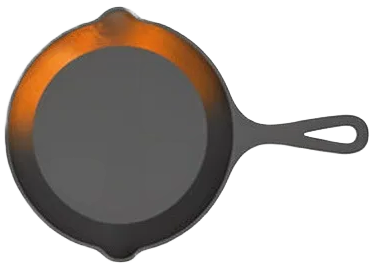
How Do You Remove Rust from Cast Iron Without Damaging It?
Finding rust on your favorite skillet can feel like a setback. Seeing a few spots of orange doesn’t mean your pan is ruined it just means it needs a little extra care. Rust is common, and fixing it is a normal part of cast iron ownership.
This guide walks you through the entire process, safely and effectively. You will learn how to:
- Correctly identify rust versus harmless discoloration or old seasoning.
- Choose the right cleaning method for the job, from a simple scrub to a full strip.
- Prepare the bare metal properly to ensure your new seasoning sticks perfectly.
- Re-season your pan with confidence, restoring its non-stick surface.
A Quick Snapshot: Choosing Your Rust Removal Method
Before you start scrubbing, figure out which tool is right for the job. Here’s a quick look at your main options.
| Method Name | Best For | Effort Level | Key Tools Needed |
|---|---|---|---|
| Scrubbing & Abrasives | Light, surface-level rust or spots | Low to Medium | Steel wool, scouring pads, salt as an abrasive |
| Vinegar Soak | Moderate, flaky rust covering large areas | Medium | White vinegar, water, tub for soaking, scouring tools |
| Electrolysis | Heavy, caked-on rust without damaging the base metal | High (setup required) | Battery charger, washing soda, sacrificial steel, plastic tub |
| Lye Bath (for non-rust gunk) | Not for rust. Use for stripping thick, baked-on carbon and grease. | High (safety focus) | 100% lye, cold water, heavy-duty plastic container, safety gear |
I keep a dedicated steel wool pad and a box of kosher salt under my sink for quick spot treatments. For the really tough projects, my garage holds the electrolysis tank.
What Causes Cast Iron to Rust, and Can It Be Fixed?
Rust is just iron oxide. It’s the simple result of iron meeting water and oxygen. Think of it like a cut apple turning brown, but much slower.
It usually happens for a few common reasons:
- Putting the pan away while it’s still damp, even from a “quick rinse.”
- Storing it in a humid place like under a sink or in a basement.
- A chip or scratch in the seasoning layer, exposing the bare metal underneath.
So, can rust be removed from cast iron? Absolutely, yes. In nearly every case, rust is a surface problem you can fix.
The pan itself is not ruined. You are not washing away the metal, just cleaning off the corrosion that formed on top of it.
I’ve brought back pieces that were completely orange and flaky. Once you remove the rust and re-season, it’s the same durable pan. Your job is to strip back to bare, gray iron and build your protective seasoning layer again, like repainting a fence after scraping off the old, peeling paint.
What You’ll Need: Your Rust-Busting Toolkit
Think of this as gathering your ingredients before you cook. Having everything ready makes the process smoother and less messy. I keep a dedicated “restoration box” in my workshop with these items.
The Essentials: For Most Rust Jobs
For light surface rust or a heavy patina, this basic kit will get the job done. You likely have most of it at home already.
- White Vinegar: This is your chemical weapon. Its mild acidity breaks down rust without harming the iron underneath. Always dilute it 1:1 with water for soaking.
- Baking Soda or Coarse Salt: These act as gentle, abrasive scrubbers. Salt is fantastic for scrubbing out a pan with a little oil. Baking soda is my go-to for making a pasty scrub or for neutralizing vinegar at the end of a soak.
- Scrub Brushes: Get a stiff-bristled brush for general work and a detailed brush (like a toothbrush or brass-bristle brush) for getting into corners, logos, and around handles.
- Steel Wool: Start with a less abrasive grade like #1 or #0 for light rust. For heavier scaling, you can move to #00 or #0000 (the finest). I avoid coarse steel wool (#3 or higher) as it can leave deep scratches.
- Disposable Gloves: Protect your hands from vinegar, rust, and grease. Nitrile or latex work fine.
This essential toolkit handles about 90% of the rust issues you’ll encounter on vintage finds or neglected pans.
Optional & Pro-Level Tools
If you’re dealing with extreme, crusty rust or you just love tools, these methods are highly effective. They require more setup and safety precautions.
- Electrolysis Setup: This is the museum-grade restoration method. It uses a low-voltage electrical current in a bath to literally pull rust off the iron. It requires a battery charger, a tub, washing soda, and a sacrificial steel anode. It’s incredibly effective and non-damaging, but it’s a project in itself.
- Angle Grinder with Wire Wheel: For fast, aggressive removal of thick, flaky rust on the exterior of a pan or on a completely bare griddle. Use a knot-style wire wheel, not a grinding disc. This creates a huge mess and should only be done outdoors with serious protective gear.
- Evapo-Rust: A commercially available, water-based, reusable rust remover. It’s non-toxic and very effective for soaking smaller, heavily rusted items like waffle irons or trivets. It’s more expensive than vinegar but less smelly and very easy to use.
Safety Gear: Non-Negotiable for Aggressive Methods
When you step up to power tools or chemicals, your basic gloves aren’t enough. I learned this the hard way when a tiny piece of rust flew into my eye.
- Safety Glasses or Goggles: Essential for any method that involves scraping, grinding, or brushing where particles can fly. Always wear them with an angle grinder.
- A Respirator or Dust Mask: Crucial for sanding, grinding, or using a wire wheel. Inhaling iron oxide dust is bad for your lungs.
- Heavy-Duty Gloves: When handling sharp, rusty edges or using power tools, a sturdy pair of work gloves protects against cuts.
Never skip safety gear to save a few minutes; a trip to the clinic will cost you more time than the entire restoration.
How to Clean Rust Off a Cast Iron Skillet: The Universal First Steps
Before you reach for any special products, start here. Think of this as diagnosing the problem. A quick assessment tells you which tool to grab first.
Look closely at the rust. Is it a light, dusty orange film you can almost wipe off with your thumb? That’s surface rust. Is it crusty, raised, or creating rough, crater-like pits in the metal? That’s deep pitting. Surface rust is a weekend project. Heavy pitting is more involved, but still fixable.
Your first move is a simple wash. Use hot, soapy water and a stiff brush or non-scratch scrubber. This isn’t to remove the rust yet. It’s to clear away any loose rust flakes, old grease, or kitchen gunk sitting on top. You want to see the bare metal problem. That inspection helps you identify, prevent, and remove rust on cast iron in the next steps.
Drying the pan completely is the most critical step to stop rust from immediately coming back. Water is the enemy. After toweling it off, place the skillet over a low to medium flame on your stovetop for 2-3 minutes. You’ll see any last bits of moisture steam away. This heat drying is non-negotiable.
This initial clean answers the basic question: yes, you can absolutely clean a rusted cast iron skillet. What you do next depends on what you saw after that first wash (and whether it’s safe to cook with it).
Method 1: The Vinegar Bath for Widespread Rust
This is your go-to for a skillet covered in a uniform layer of rust. The mild acid in vinegar dissolves the rust, making it easy to scrub off. I use this on pieces I find at flea markets that look more orange than black.
Mix equal parts white vinegar and water in a tub or your sink. A 50/50 solution is strong enough to work but safe for the iron. Fully submerge the pan. Set a timer. Soak it for no more than one hour. Longer soaks can start to etch or dull the iron’s surface.
When the time is up, take the pan out and scrub it vigorously with coarse steel wool or a stainless steel scrubber. You’ll see the rust slurry right off. Rinse, then dry immediately and thoroughly on the stove. Your efforts for removing rust should give your pan a new lease on life.
The vinegar bath method is a classic for a reason, directly answering common searches for ‘cast iron rust removal vinegar’ with a safe, proven technique. You may need to repeat a short soak and scrub for stubborn spots, but always let the pan dry completely between rounds. Curious whether vinegar can damage cast iron or if it’s safe to use? Used properly—briefly and diluted—it cleans effectively without harming the metal, though long soaks or undiluted vinegar can strip seasoning.
Method 2: The Baking Soda or Salt Scrub for Light, Spotty Rust
Found a few rust spots in the corner of your otherwise well-seasoned pan? This gentle abrasive method is perfect. It targets specific areas without a full soak—ideal for addressing rust on regularly used pans.
For a baking soda scrub, make a thick paste with baking soda and a little water. For a salt scrub, just use a handful of coarse kosher salt. Apply your chosen abrasive to the rust spot.
Use a cut potato, a damp rag, or your fingers to grind the paste or salt into the rust in a circular motion. The abrasion lifts the rust while the potato’s oxalic acid (or the salt’s grit) helps break it down. It’s a chemical and mechanical clean in one.
This spot-treatment is brilliant for maintenance. It’s the go-to hack you’ll see in forum answers to ‘cast iron rust removal reddit baking soda’ threads because it’s simple, cheap, and uses items you already have.
Method 3: Mechanically Scrubbing with Abrasive Tools
Sometimes, you just need some good old-fashioned elbow grease. This method is about direct physical removal.
Your tool choice depends on the job. For moderate, flaky rust, #0 or #00 fine steel wool is excellent. For lighter surface rust, a stiff brass brush or a Dobie-type scrubbing pad often does the trick. Brass is softer than iron, so it’s less likely to scratch the underlying good metal.
Steel wool is your best all-around tool for cutting through rust, while brass brushes are kinder to a pan’s remaining good seasoning.
A word of strong caution: avoid using power sanders, grinders, or harsh sandpaper, especially on vintage skillets. These tools can aggressively remove metal, destroying the pan’s original machining marks (called the “mill finish”) and its value. I only use hand tools. The goal is to remove the rust, not reshape the pan.
How to Restore a Heavily Rusted or Pitted Cast Iron Pan
Let’s talk about the real troublemakers. Heavy rust isn’t a light dusting you can wipe off. It’s thick, flaky, and layered like peeling paint. The surface will look crusty with deep orange or reddish-brown patches. The real sign of trouble is pitting, which are tiny craters or divots in the iron’s surface where the rust has eaten into the metal itself.
This level of damage requires more aggressive cleaning methods, and you must be prepared to build your seasoning from absolute scratch, which will take several dedicated rounds in the oven. Think of it like repairing a damaged wall, you have to strip it back to bare material before you can apply a smooth, new finish.
You might wonder, can you burn rust off cast iron in a bonfire or with a torch? Technically, yes, the intense heat can convert rust back to a more stable form of iron. But the risk is enormous. Direct, uneven high heat is the fastest way to warp a pan or, worse, cause a thermal crack you can’t fix. I’ve seen it happen. It turns a restorable piece into scrap metal. We have much safer and more controlled ways to tackle the problem.
Using Electrolysis for Deep, Thorough Restoration
For the most thorough and gentle removal of heavy rust, electrolysis is the gold standard. It’s a science project that works. The basic principle is simple, you use a low-voltage electrical current in a water bath to force the rust (iron oxide) to convert back into bare metal. It literally pulls the rust off the pan and onto a sacrificial piece of steel.
The process is safe for the iron and can even clean out the bottom of deep pits without removing more good metal. You will need a few specific components to set up a tank.
- A plastic or non-conductive container (like a large storage bin).
- A battery charger or dedicated DC power supply.
- Washing soda (sodium carbonate), not baking soda, to make the electrolyte solution.
- Sacrificial steel anodes (rebar works well).
- Safety gear like goggles and gloves.
Electrolysis is a fantastic method, but it requires careful setup and respect for electricity. If searching for “cast iron rust removal electrolysis” feels overwhelming, that’s okay. For many, the best answer to “cast iron rust removal electrolysis near me” is to seek out a professional metal restoration or antique restoration service. They have the setup and expertise to do it safely and efficiently.
When Abrasive Blasting or Grinding Makes Sense
Sometimes, you need to meet aggression with aggression. For pieces with a crust so thick it’s like a barnacle, or for modern, rough-textured pans where the original factory finish isn’t historically valuable, mechanical stripping can be the most practical path.
This involves using a wire wheel attachment on a power drill or, for a more uniform finish, media blasting with materials like baking soda or fine glass beads. This method physically abrades the rust and old seasoning away.
I consider this a last-resort option, best for modern Lodge skillets or completely unknown, crust-covered pieces where the goal is simply a functional user, not a collector’s showpiece. It strips everything away instantly, so you have a perfectly blank, slightly rough canvas for your new seasoning layers. Just go slow, wear serious eye and lung protection, and never use this method on a thin, vintage gem you hope to preserve.
How to Stop Rust from Coming Back: Drying and Oiling
Getting the rust off is a huge win, but it’s only half the battle. You’ve just exposed fresh, bare iron, and it’s eager to rust again the moment it meets moisture in the air. Your job now is to protect it, and you need to move quickly.
Think of it like this: you’ve just sanded a piece of wood down to its raw grain. If you leave it, it will warp and stain. You need to seal it. For cast iron, that seal is a thin layer of oil, applied immediately after a bone-dry finish.
The Non-Negotiable Dry
You cannot skip this step. A damp towel is not enough. Surface moisture is the enemy.
- Towel Dry: Dry the pan vigorously with a clean, absorbent towel. Get into every corner and the entire cooking surface.
- Apply Heat: Place the pan on a stovetop burner over medium heat or in a 200°F oven. Let it warm for 5-10 minutes. You’re not seasoning it yet, just evaporating every last molecule of water. You’ll see any leftover moisture steam away.
The pan should be so dry it feels warm and completely moisture-free to the touch. This heat step is what prevents the instant, faint blush of “flash rust” that can form in minutes on a merely towel-dried pan.
The Critical “Flash Coat”
Now, while the pan is still warm from drying, you apply what I call a “flash coat.” This is not your main seasoning layer. It’s a thin, protective barrier to hold you over until you can do the full oven seasoning.
Here’s how it works:
- Put a few drops of your seasoning oil (like grapeseed or flaxseed) on a paper towel.
- Wipe a microscopically thin layer over the entire pan, inside and out, including the handle.
- Now, take a fresh, clean paper towel and wipe it all off again. Yes, wipe it all off. You want to leave only the oil that the iron has absorbed; any visible wetness will become sticky.
This flash coat acts like a primer, sealing the pores of the bare iron and buying you time before the main seasoning session. With this coat, your pan is safe. You can set it aside for a few hours or even overnight if you need to before moving on to the full re-seasoning process. Without it, you might be starting over tomorrow.
Re-Seasoning Your Restored Cast Iron Cookware
Once you’ve scrubbed away the last of the rust and the bare metal is clean and dry, it’s time for the most satisfying part: building a new protective finish. Think of this initial seasoning session as the foundation for your cookware’s future.
The Step-by-Step Re-Seasoning Process
Follow these steps carefully. Rushing this part can lead to a sticky or uneven finish that doesn’t protect properly.
- Preheat your oven to 450°F. This high heat is necessary for the oil to polymerize.
- Apply a tiny amount of your chosen oil (like refined avocado, grapeseed, or shortening) to the entire piece, inside and out. Use a paper towel to rub it in, then use a fresh, clean paper towel to wipe it off thoroughly. Your goal is to make it look like you made a mistake and wiped all the oil away.
- Place the cookware upside down on the middle rack of your preheated oven, with a sheet of foil or a baking sheet on the rack below to catch any drips.
- Bake it for one hour. After the hour, turn the oven off and let the pan cool completely inside the oven. This slow cooling helps prevent warping.
Why Thin Layers Beat One Thick Coat
This is the most common mistake I see. A thick layer of oil will not polymerize evenly. Instead, it bakes into a sticky, gummy mess that can flake off during cooking.
Imagine you’re applying a thin coat of varnish to wood. You wouldn’t pour it on. You’d apply a little, spread it evenly, let it cure, then add another layer if needed. Seasoning works the same way. Each thin, properly baked layer bonds directly to the iron, creating a harder, more durable barrier than a single thick, soft layer ever could.
For a pan fresh from rust removal, I always apply at least two, and often three, of these ultra-thin layers back-to-back. Just repeat the “wipe on, wipe off, bake, cool” cycle.
The Final Step of Restoration
Re-seasoning isn’t just a separate task. It’s the essential last act of the rust removal process. You’ve stripped the old, compromised protection away. Now, you are building a new one from scratch.
This new polymerized coating is what stops rust from returning. It seals the microscopic pores in the iron and creates the non-stick surface you’ll cook on for years. Once this base layer is set, your regular cooking and maintenance will continue to build and strengthen it over time.
Tips for Other Cast Iron Items: Griddles, Dutch Ovens, and Lids
The core steps for removing rust are the same for every piece. Scrub, dry, and oil. But the unique shapes of these items demand a more thoughtful approach.
You need to adapt your technique to reach every nook and cranny. I have restored dozens of pieces, and the geometry is often the biggest challenge.
Let’s start with Dutch ovens. These are workhorses, but their design creates hidden traps for moisture. Pay extra attention to the lid’s underside and the rim where the lid sits on the pot. Steam from braising or baking condenses here, leading to rust rings. I use a firm-bristled brush to scrub this channel thoroughly on my own Dutch oven.
Griddles present a different puzzle. Their large, flat surface is easy to clean, but the edges and features are not. You must ensure the entire cooking surface is reached, with special care for the pour spouts. These small openings collect oil and debris, which can hold moisture against the iron. For my rectangular griddle, I wrap a thin cloth around a chopstick to polish inside the spouts.
Finally, do not forget the lids. They are the most neglected part of any set. Lids frequently develop condensation-related rust on the underside, so check them regularly. I once found a lid with spotty rust simply from being stored while slightly damp. Now, I always dry my lids on a warm burner after washing.
When to Seek Professional Cast Iron Restoration Help
You can handle most rust removal at home. Sometimes, though, calling in a pro is the wisest move for your pan’s long-term health. It’s not a sign of failure. It’s a smart conservation choice.
Severe Structural Pitting
Surface rust is one thing. Deep, cavernous pitting is another. If the rust has eaten into the iron so deeply that the metal feels spongy or you can see clear holes, the pan’s structure is compromised.
A pan with deep structural pitting can be thin and weak where it matters most, like the cooking surface or the base, leading to potential cracking during heating. A professional can assess whether the piece is salvageable or if the damage is too great.
A Cherished Antique or Family Heirloom
I have my great-grandmother’s skillet. The first time it needed serious work, I was too nervous to touch it. That’s a normal feeling.
If a piece has significant sentimental or monetary value, the risk of a DIY mistake feels much higher. A professional restorer has the experience and tools, like precision-controlled electrolysis tanks, to remove rust and gunk without damaging the vintage iron underneath. They preserve the piece’s history while giving it a new life.
Lack of Tools, Space, or Confidence for Electrolysis
Electrolysis is the gold standard for rust removal. It’s also a project. You need a power supply, a large non-conductive tub, washing soda, and safe outdoor or garage space to set it up for 24-48 hours.
Not everyone has the room or wants to manage that process. If the setup feels daunting or unsafe to you, outsourcing the job is a perfectly valid and practical decision. Your goal is a rust-free pan, not becoming a weekend electrochemist.
Finding and Choosing a Professional Service
Searching “cast iron restoration near me” or “electrolysis restoration service” is a good start. Many skilled individuals and small businesses operate through online marketplaces or social media.
When you find a candidate, ask questions:
- What is your process for rust removal (electrolysis, vinegar bath, etc.)?
- Do you re-season the piece after cleaning?
- Can you provide before-and-after photos of past work?
For a sentimental piece, the cost of professional restoration is often a worthwhile investment to preserve a family artifact for another generation. You’re paying for expertise, time, and the right equipment.
Getting help means you value the cookware enough to ensure it’s done right. Whether it’s a rare find or you simply don’t have the bandwidth for a big project, a good restorer can bring your pan back to its full potential.
Your Post-Restoration Cast Iron Care Plan

Your pan is rust-free and freshly seasoned. The real work is done, but the right daily habits keep it in perfect shape for decades. Think of this not as a chore, but as a quick two-minute ritual — especially for rust prevention on cast iron bakeware.
Simple Daily Care: The Three-Step Cleanup
After cooking, let the pan cool until it’s warm to the touch, not nuclear hot. This prevents thermal shock and makes handling safer.
Clean it with hot water and a small drop of dish soap. I use a soft brush or a dedicated chainmail scrubber for stuck-on bits. The old rule about never using soap is a myth; modern soaps won’t strip your well-built seasoning. Rinse thoroughly.
Here is the non-negotiable step: drying. Towel-drying alone isn’t enough. You must use heat.
- Place the clean, rinsed pan on a stove burner over low to medium heat.
- Let it sit for 2-3 minutes until all visible water evaporates and the metal feels completely dry and warm.
- Turn off the heat and let the pan cool for a minute. Then, with a paper towel, apply the tiniest amount of oil (canola, grapeseed, or your seasoning oil) to the entire cooking surface.
Wipe off as much oil as you just put on. You’re aiming for a barely-there, almost dry film. This micro-coating maintains the seasoning between uses.
Proper Storage Prevents Future Problems
Where and how you store your cast iron is just as important as how you wash it. Moisture is the enemy.
Always store your pans in a dry, airy place. Never put a slightly damp pan in a sealed cupboard or, worse, seal it inside a plastic bag. That traps humidity and is a direct invitation for rust to return.
If you need to stack your pans, place a paper towel or a clean, dry cloth between them. This simple buffer absorbs any incidental moisture and prevents scratches from metal-on-metal contact. Some folks like to store their daily driver on the stovetop, which works great if your kitchen isn’t too humid.
The Long-Term Reward
A cast iron pan you’ve personally rescued and maintained becomes more than just a tool. It becomes a record of every meal you’ve cooked. With this straightforward care plan-clean, heat-dry, lightly oil, and store smartly-your restored pan will only get better. The seasoning will darken and strengthen with each use. A well-cared-for cast iron skillet doesn’t just last a lifetime; with minimal respect, it can easily outlast its owner, becoming a legacy piece for the next generation.
Quick Answers
What’s the one tool I absolutely need for rust removal?
For most jobs, a pad of fine (#0 or #00) steel wool is indispensable. It provides the abrasive power to cut through rust without the deep scratches of coarser alternatives. Pair it with white vinegar for a soak, or use it dry for spot scrubbing.
I see “electrolysis” recommended everywhere. Is it worth the setup for one pan?
For a single, moderately rusted modern skillet, a thorough vinegar soak and scrub is usually sufficient. Reserve electrolysis for multiple pieces, severe rust with pitting, or valuable vintage iron where you need the most gentle, thorough clean possible. These steps align with the broader goal of cleaning and restoring rust from cast iron cookware. You may see deeper restoration methods linked in the next steps.
My pan feels sticky after a baking soda scrub and re-oiling. What went wrong?
Stickiness means too much oil was left on before heating. After applying any oil, you must wipe it off again as if you’re trying to remove it all. The polymerized layer should be microscopic; visible residue bakes into a gummy film, not a hard seasoning.
Ensuring Your Cast Iron Stays Rust-Free
After removing rust, immediately re-season your pan to protect the exposed iron. This creates a durable, non-stick surface that resists moisture and future rust. For lasting results, pair this with mastering initial seasoning and daily maintenance practices.
References & External Links
- r/castiron on Reddit: The rust never comes off completely
- How to Restore and Season a Rusty Cast Iron Skillet – Lodge Cast Iron
- What methods have worked best for removing rust from …
Joseph Gerald
A material science expert by profession, Joseph is also an avid cook. He combines his 10+ years expertise in material science and metallurgy with his passion for cast iron cookware to bring you best hands on advice. His expertise ranges from types of cast iron cookware to best seasoning tips as well as restoration of vintage cast iron utensils. Joe is here to help you solve all your cast iron cookware queries and questions.