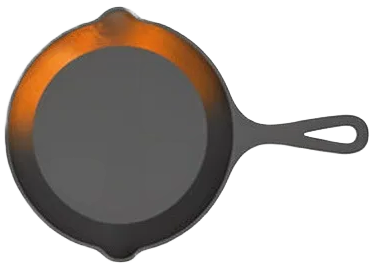
How Do You Season Cast Iron in the Oven?
If you’re staring at a dull or sticky pan, wondering how to fix it with your oven, you’re in the right place. Seasoning cast iron in the oven is a reliable method I’ve used for years to restore and maintain my own collection.
This guide will cover the practical details you need:
- The specific oven temperature that creates a perfect polymerized layer.
- How long to bake your pan for a durable, non-stick finish.
- The complete, start-to-finish process I follow in my workshop.
What Is Seasoning, Really?
Seasoning is not just oil baked onto your pan. Think of it as a hard, slick coat of paint. A proper seasoning layer is a bonded polymer that protects the iron and creates a natural non-stick surface.
A greasy, sticky pan means the oil didn’t fully polymerize. It’s like the difference between a wet stain on wood and a durable, cured coat of varnish. The goal is to transform liquid oil into a solid, bonded layer through heat.
This chemical process is called polymerization. When you heat certain oils past their smoke point, their molecules link together into chains, creating a tough plastic-like coating right on the metal. I’ve found that flaxseed oil creates a very hard, glassy finish, while common kitchen oils like canola or vegetable oil build a more flexible and durable layer over time.
How to Know Your Pan Needs a Fresh Start
Your pan will tell you when it’s time for a fresh oven seasoning. Look for these clues before you start cooking.
- Sticky or Tacky Residue: This is the most common sign. Run your fingers over the surface. If it feels gummy or leaves a greasy smear, the seasoning is incomplete.
- Rust Spots: Any orange or red specks mean the bare iron is exposed to moisture and needs protection.
- Dull Gray Patches: These areas have lost their dark, seasoned coating and are vulnerable.
- Flaking or Peeling: If the black coating is chipping off like old paint, it needs to be stripped and re-applied.
Perform this simple test. Take a dry, white paper towel and wipe the entire cooking surface. If the towel comes away with black smudges or orange rust dust, your pan needs attention. A well-seasoned pan should leave the towel nearly clean.
Seeing these issues on a favorite skillet used to worry me. Now I see them as a normal part of maintenance. Every single one is completely fixable with the oven method we’ll cover next.
What You’ll Need to Get Started
Gathering your supplies before you start makes the whole process smoother. You don’t need anything fancy, just a few key items.
- Your Cast Iron: This is the star of the show. A freshly cleaned and bone-dry pan is non-negotiable. Any surface moisture will turn to steam in the oven and prevent proper bonding.
- A High-Smoke Point Oil: This is your seasoning polymer. My go-tos are grapeseed, canola, or refined avocado oil. They create a tough, durable finish. I steer clear of flaxseed oil; it makes a beautiful initial coat but is notoriously brittle and prone to flaking over time.
- Clean, Dry Cloths or Paper Towels: You’ll need these for applying the oil and, most importantly, for wiping it off. I keep a stack of old, lint-free cotton t-shirt rags in my workshop. They are more sustainable and don’t leave fuzz behind like some paper towels can.
- Your Oven: A standard kitchen oven is perfect. Consistency is key, so an oven thermometer is a wise investment to verify the true temperature.
- A Baking Sheet or Aluminum Foil: Place this on the rack below your pan. It catches any microscopic droplets of oil that might drip during the heating process, saving you from a smoky oven and a messy cleanup.
- Oven Mitts: Your pan will get extremely hot. A good pair of insulated mitts is a must for safe handling.
When comparing cloths, I find paper towels are convenient but can sometimes shred or leave lint, while a dedicated lint-free rag gives you more control for that crucial final wipe-down. For the oil application step, I often use a paper towel to get an even coat, then switch to a clean, dry cotton cloth for the aggressive buffing. The goal is to make the pan look like you made a mistake and wiped all the oil off. That thin, almost invisible layer is what polymerizes into a hard, slick surface.
Choosing the Right Oil for Oven Seasoning
You can’t talk about seasoning without talking about oil. It’s not just a coating, it’s the raw material that heat transforms into your pan’s protective finish. The most important factor is the oil’s smoke point.
Think of seasoning like baking a cake: if the oven is too hot for the ingredients, you’ll burn it; if it’s too cool, it won’t set properly. You need an oil that will polymerize-that’s the chemical process that turns liquid oil into a hard, slick coating-at your chosen oven temperature without smoking excessively and creating a sticky, brittle layer.
Understanding Smoke Point
Every fat has a temperature where it starts to break down and smoke. For oven seasoning, you want an oil with a smoke point at or slightly above your target oven temperature (typically 450°F to 500°F). This lets the oil polymerize completely without burning.
Oils with very low smoke points, like extra virgin olive oil, will burn and create a weak, gummy layer. Oils with very high smoke points, like avocado oil, can work, but sometimes polymerize less effectively at standard seasoning temps. You’re looking for the sweet spot.
| Oil | Approx. Smoke Point | Best For |
| Crisco (Vegetable Shortening) | ~440°F | A classic, accessible choice. Works well at 450°F. |
| Grapeseed Oil | ~420°F | A good neutral option. Reliable for most home ovens. |
| Avocado Oil (Refined) | ~520°F | High smoke point. May require a hotter oven for best results. |
| Flaxseed Oil | ~225°F (unrefined) | Often debated. Can create a beautiful hard finish but is notoriously prone to flaking. |
Can You Use Crisco to Season Cast Iron?
Absolutely. Crisco, or plain vegetable shortening, is a time-tested choice that has seasoned millions of pans. I’ve used it on many of my own restoration projects.
Its pros are significant. It’s inexpensive, available everywhere, and has a smoke point perfect for a 450°F oven. It’s also solid at room temperature, which makes it easier to apply a perfectly thin, even coat without over-oiling.
It does have a potential con. Some find that a Crisco seasoning layer can be slightly softer or more satin than the glass-like finish from some liquid oils. This isn’t a performance issue-it still provides superb non-stick protection and rust prevention-but it’s a visual and textural difference some enthusiasts note.
If you have Crisco in your pantry, it is a completely valid and effective oil for seasoning your cast iron. For more on choosing the best oil for seasoning cast iron, check out our ultimate guide. It helps you compare options like smoke points and durability to pick the right oil for your setup.
A Personal, Reliable Recommendation
After testing nearly every oil on my shelf, my consistent go-to is refined grapeseed oil. It hits the reliability trifecta for me.
- Its smoke point (around 420°F) aligns perfectly with a 450°F oven cycle, promoting excellent polymerization.
- It’s a liquid, so it’s easy to work with, but not so runny that it pools.
- It creates a remarkably durable, slick layer that darkens beautifully over time. The 12-inch skillet I use almost daily was seasoned with grapeseed oil years ago, and its base coat is still going strong.
For a beginner or a seasoned pro, grapeseed oil offers a foolproof balance of performance and ease, leading to a tough, reliable finish. The best oil is often the one you use correctly. Focus on applying a microscopically thin layer, and you’ll get great results with Crisco, grapeseed, or other oils in that mid-range smoke point category.
The Step-by-Step Oven Seasoning Process
This method gives you the most even, controlled heat for building strong seasoning. Think of each round in the oven like applying a thin, tough coat of paint. One coat is good, but several make it last.
For a standard seasoning session, set your oven to 450°F (232°C) and plan for about 60 minutes of baking time, plus cooling. The key is patience and a very, very thin layer of oil.
Step 1: The Absolute Clean Start
You cannot build good seasoning on a dirty or rusty foundation. Every bit of old food, flaky seasoning, or rust must go.
- Wash the pan with warm water and a small amount of dish soap, scrubbing with a brush or scrubber sponge. This is safe and effective.
- If the pan has rust or thick, gummy old seasoning, you may need to strip it. For light rust, a paste of baking soda and water or a salt scrub often works. For a full strip, the yellow-cap oven cleaner method is my go-to for total reset.
The single most important part of this step is getting the metal bone-dry. Any water left will turn to steam under the oil and ruin the bond. Dry it aggressively with a towel, then place it on a medium stovetop burner for 2-3 minutes, or in a 200°F (93°C) oven for 10 minutes, to evaporate every last bit of moisture.
Step 2: Applying the Oil Coat
This is where most people go wrong by using too much oil. A sticky, blotchy finish is the direct result.
- Choose your oil. I prefer grapeseed or avocado oil for their high smoke points and hard finish, but plain vegetable or canola oil works perfectly.
- Pour about a teaspoon of oil into the warm, dry pan. Using a folded paper towel, rub it over every surface: inside, outside, and handle.
- Now, take a clean, dry paper towel. Your mission is to wipe off all the oil you just put on, as if you made a mistake and are trying to erase it. Buff the pan vigorously until it looks almost dry, with only a faint, satiny sheen. If it looks wet or shiny, you used too much oil. Wipe more off.
Your goal is an impossibly thin, even film. The iron should look only slightly darker, not glossy.
Step 3: The Bake: Temperature and Time
Now we turn that thin oil film into a hard, polymerized layer-your seasoning.
- Preheat your oven to 450°F (232°C). This temperature is critical because it must exceed the smoke point of your oil, triggering the chemical change that turns it from a liquid into a solid coating.
- While the oven heats, place your oiled pan upside down on the middle rack. Place a sheet of aluminum foil or a baking sheet on the rack below to catch any potential drips. Upside-down baking prevents pooling and ensures an even coat.
- Bake the pan for 20 minutes at 450°F. This initial heat will cause any microscopic excess oil to bead up on the surface.
- Carefully remove the pan (use good oven mitts-the handle will be hot). With a fresh dry paper towel, give the hot interior one quick, light wipe. This removes those tiny beads of excess oil that surfaced. This is the “second wipe” step that prevents sticky spots.
- Place the pan back in the oven, upside down, for another 40 minutes at the same temperature. This is the final polymerization bake.
- When the timer goes off, turn the oven off. Let the pan cool completely inside the turned-off oven. Do not open the door. A slow, gradual cooldown is gentler on the iron and the new seasoning layer than a sudden temperature change.
When the pan is room temperature, it’s ready. The surface should be dry, smooth, and matte to semi-gloss. For a robust finish, I repeat this entire 3-step process 2 to 3 times.
Fixing Common Oven Seasoning Problems
Even with the best instructions, things don’t always go perfectly. This is normal. I’ve pulled pans from the oven that looked less than ideal, and fixing them is almost always straightforward. Here are the three most common issues and exactly how to handle them.
Sticky or Tacky Seasoning
This is the number one issue. You pull your pan from the oven, and instead of a smooth, dry surface, it feels gummy or leaves a residue on your finger. Sticky seasoning happens for one reason: using too much oil before the pan went into the oven. The excess oil couldn’t fully polymerize and just baked on as a thick, sticky layer.
Don’t worry, you don’t have to strip the whole pan. The fix is simple.
- Place the pan back in a cold oven.
- Set the oven to 450°F (232°C) and let the pan heat for an hour. This extra heat cycle will often finish polymerizing that excess oil.
- Let the pan cool in the oven. If it’s still sticky, you’ll need to remove that layer.
To remove it, scrub the pan aggressively with coarse salt and a dry paper towel, or use a chainmail scrubber. This will abrade the gunk off without harming the good seasoning underneath. Wipe it clean, apply the thinnest possible layer of fresh oil, and run it through the seasoning process once more.
Patchy or Flaking Seasoning
Your new seasoning layer looks thin in spots, or you see small flakes coming off. This usually points to one of two problems: inadequate cleaning before you started, or applying seasoning over existing rust.
Seasoning bonds to bare, clean iron, not to dirt, old carbonized food, or rust. If the surface wasn’t perfectly clean, the new oil layer has nothing solid to grab onto and will flake away. This is because cast iron seasoning relies on chemical bonding through polymerization.
First, assess the damage. If it’s a small patch, you can often just keep cooking. Fats from your food will slowly build up in that spot. For larger areas, you need a fresh start on that section.
- Use your chainmail scrubber or a stainless steel scouring pad to gently remove the flaky, loose seasoning.
- Dry the pan immediately and thoroughly.
- Apply a thin coat of oil and season just the affected area on your stovetop, or put the whole pan through another oven cycle. It may take 2-3 focused layers to even things out.
An Uneven Sheen or Color
This is the most common worry I see in questions like “cast iron oven seasoning uneven.” Your pan might have light and dark blotches or a rainbow-like sheen. Minor unevenness in color and sheen is completely normal and does not affect performance. Polymerized oil can look different depending on microscopic variations in the iron’s texture and heat distribution in your oven.
My oldest skillet has a beautiful, blotchy patina from years of use. It cooks perfectly. Focus on how the surface feels (smooth and dry) rather than how it looks.
If the unevenness bothers you, a more consistent look comes from two things: ultra-thin oil application and patience. Each time you add a new layer, you even out the finish. Over many uses and occasional stovetop seasoning touches, it will become more uniform. Avoid the urge to apply thicker oil to “fix” the look, as that will lead back to sticky residue.
How to Keep Your New Seasoning Strong

Your pan just came out of the oven with a beautiful new layer of seasoning. This fresh layer is like a new coat of paint that hasn’t fully cured. It’s bonded, but it’s still a bit vulnerable for the first few uses. Treating it right from the start makes all the difference.
Gentle Cleaning After the First Few Cooks
For the first few meals, stick to simple, low-stick foods like scrambled eggs with extra fat or sautéed vegetables. Avoid acidic tomato sauces or long braises right away.
When you clean it, use gentler methods than you might later on. I use a soft brush and hot water for the first week. If food sticks, a paste of coarse salt and a drop of water works wonders as a mild abrasive.
It’s perfectly fine to use a small amount of modern dish soap; it won’t strip your well-bonded seasoning, it will just cut through the grease. The old “no soap” rule applied to lye-based soaps, which are long gone from most kitchens. It’s a widespread misconception.
The Non-Negotiable Step: Immediate, Thorough Drying
This is the single most important habit for preventing rust. Water is the enemy of your iron pan’s surface.
Always dry your pan completely right after washing. Here is my routine:
- Rinse or wash with hot water.
- Dry it aggressively with a towel.
- Place it on a stovetop burner over low heat for 3-5 minutes.
- The pan is dry when it feels warm to the touch all over and any visual moisture is gone.
That stovetop heat drives off every last bit of invisible moisture that a towel can’t reach. I do this with every single one of my pans, every single time.
Maintenance vs. Full Re-Seasoning
You do not need to put your pan back in the oven after every use. Oven seasoning is for building or repairing the base polymerized layers. Stovetop maintenance is for upkeep.
Think of it like this: oven seasoning is a full paint job, stovetop maintenance is a quick buff and polish. After drying your pan on the stove, here is a simple upkeep ritual:
- While the pan is still warm (not piping hot), add ½ teaspoon of your seasoning oil to it.
- Use a paper towel to spread the oil over every surface, inside and out.
- Then, take a clean, dry paper towel and buff hard as if you’re trying to remove all the oil. You’ll leave behind a microscopically thin, even coat.
- Turn the heat off and let the pan cool on the burner.
This occasional thin coating will polymerize from the pan’s residual heat and fortify your existing seasoning with regular use. I do this maybe once a month on my daily driver, or anytime the cooking surface starts to look a little dry.
Simple Storage for Long-Term Health
How you store your pan affects its longevity. The goal is to keep air and moisture away from the iron.
Never store a pan while it’s damp or with a lid on it. This traps humidity and guarantees rust. I leave my well-oiled pans on the stovetop. If you need to stack them in a cupboard, place a paper towel or a cloth napkin between them. This cushions the surfaces and absorbs any ambient moisture.
If you live in a very humid climate or are storing a pan for a long time, a very light coat of food-safe mineral oil (not cooking oil) can be a good rust inhibitor, as it doesn’t go rancid. Just remember to wash the pan well before you use it again. This is one of many methods to prevent rust on cast iron.
Common Mistakes and How to Avoid Them
Seasoning a pan in the oven seems simple. Heat, oil, time. I’ve found that the mistakes people make are almost always the same. The good news is they are easy to spot and even easier to fix. Let’s walk through the most common pitfalls so your next seasoning session goes smoothly. For a deeper dive, our complete guide to seasoning cast iron pans and Dutch ovens covers every step.
Using Too Much Oil
This is the number one error. You want to protect your pan, so you pour on a generous amount of oil. I’ve done it myself. The result is a sticky, tacky, or even gummy surface that never fully polymerizes.
The key is to wipe the oil on, then wipe almost all of it back off as if you made a mistake and are trying to remove it. Use a fresh, lint-free cloth for the final wipe. The pan should look nearly dry, with just a faint, even sheen. Any visible pools or droplets will bake into sticky spots.
Seasoning Over Rust or Food Grit
Seasoning bonds to the iron itself. From a chemistry standpoint, seasoning is thought to form via polymerization of the oils into a durable, adherent layer on the iron. People often ask: does seasoning actually bond cast iron, or is it just a slick surface that wears off? If you try to bond it to rust, old carbonized food, or even dust, the new layer will be weak and flaky. It will chip off the first time you use a metal spatula.
Always start with bare, clean, dry iron. Scrub off any rust with steel wool or a chainmail scrubber. Remove all old seasoning and food residue if you’re starting fresh. After washing and drying, I always put the pan on a stovetop burner for a minute to evaporate every last bit of hidden moisture. A completely clean, dry slate is non-negotiable. Keep it clean with a thin oil coating and proper seasoning. Regular cleaning, seasoning, and maintenance ensure a clean, dry, seasoned skillet that keeps your cast iron nonstick and ready.
Using the Wrong Oven Temperature
Temperature matters. Too low, and the oil won’t fully polymerize, leaving it soft. Too high, and you risk burning the oil, which creates a brittle, sooty layer that can flake.
For most common oils like flaxseed, grapeseed, or canola, a steady temperature between 450°F and 500°F (230°C to 260°C) is the sweet spot. Always preheat your oven fully. The one-hour timer starts once the oven has reached your target temperature, not when you put the pan in. An oven thermometer is a cheap tool that guarantees accuracy.
Impatience with the Process
Great seasoning is built in thin, bonded layers. One trip through the oven is not enough to create a durable, non-stick surface. Rushing the cooling process can also cause problems.
Plan for at least three rounds of seasoning for a new or stripped pan. After each oven cycle, let the pan cool completely inside the turned-off oven. This slow cooling prevents thermal shock and lets the polymerization finish setting. Building a good foundation takes an afternoon, but that pan will last for decades.
If you recognize yourself in any of these mistakes, don’t worry. My best-performing skillet has been through every one of these errors. Each sticky patch or flaky spot taught me what not to do next time. The process is forgiving, and iron is incredibly durable. Clean it up, apply what you’ve learned, and try again. Your perfect patina is waiting.
Common Questions
My pan came out of the oven sticky. What now?
Sticky means too much oil. Simply put the pan back in a cold oven, heat it to 450°F for an hour, then let it cool inside. This extra cycle often finishes polymerizing the excess. If it remains tacky, scrub it with coarse salt before applying a whisper-thin new coat and reseasoning.
Why is my new seasoning patchy or uneven?
Minor color variations are normal and don’t affect performance. True patchiness-where seasoning flakes or looks thin in spots-means the initial surface wasn’t perfectly clean and dry. Strip the weak areas back to bare iron, ensure it’s bone-dry, and apply your thin oil layers again.
What is 450°F in Celsius?
450°F converts to approximately 232°C. This temperature is the sweet spot for polymerizing common oils like grapeseed or canola. Always use an oven thermometer to verify your oven’s true temperature for a reliable result.
Keeping Your Seasoning Strong
The most reliable oven seasoning comes from a whisper-thin layer of oil and consistent, sustained heat. If you remember to wipe the pan like you’re trying to remove all the oil you just put on it, you’re already on the right track. For more on maintaining that hard-earned finish, our guides on fixing sticky seasoning and preventing rust are great next steps.
Relevant Resources for Further Exploration
- r/castiron on Reddit: A reliable guide to seasoning your skillet properly
- How to Season a Cast Iron Pan (It’s Easier Than You Think!)
- Cast iron Seasoning | Cast Iron Collector Forums
- How to Season – Lodge Cast Iron
Joseph Gerald
A material science expert by profession, Joseph is also an avid cook. He combines his 10+ years expertise in material science and metallurgy with his passion for cast iron cookware to bring you best hands on advice. His expertise ranges from types of cast iron cookware to best seasoning tips as well as restoration of vintage cast iron utensils. Joe is here to help you solve all your cast iron cookware queries and questions.