How Do You Preheat and Season Cast Iron for Perfect, No-Stick Results?
Do you worry about food sticking or your seasoning flaking off when you cook? Getting consistent, non-stick performance from cast iron isn’t magic-it’s about controlling heat and building layers correctly. I learned this through trial and error with my own daily-driver skillet.
This guide will walk you through the straightforward steps I use. You’ll cover:
- Why a slow preheat is non-negotiable for even cooking and pan longevity.
- How to heat your pan properly on gas, electric, or induction stovetops.
- The simple method for applying a strong, new seasoning layer in your oven.
What Your Cast Iron Needs Before You Start
Every great seasoning job starts with the same thing, a perfectly clean and dry pan. You cannot build a durable layer on top of rust, old food gunk, or loose, flaky seasoning. Think of it like painting a wall. You wouldn’t paint over dirt or peeling old paint. The new coat needs a solid foundation to stick to.
First, give your pan a quick inspection.
- Look for any reddish-brown spots, which is rust.
- Check for any black, crusty bits of old food.
- Run your fingernail over the cooking surface. Does any seasoning flake off or feel sticky? That old layer needs to go.
The cleaning steps depend on what you find.
For a brand-new, pre-seasoned pan, a simple wash with warm, soapy water and a non-abrasive scrubber is all you need. This removes any factory dust or protective coatings. For a used pan with stuck-on bits or a patchy surface, you’ll need to be more thorough. A paste of coarse salt and a little water makes a great abrasive scrub. For tougher jobs, a chainmail scrubber or a flat metal scraper works wonders to lift off that old, failing seasoning.
Once it’s clean, drying is the most critical step. Water is the enemy of bare iron.
- Towel-dry the pan immediately and aggressively.
- Place it on a stovetop burner over low to medium heat for 3-5 minutes. You’ll see any last bits of moisture steam away.
- Alternatively, put it in a 200°F (95°C) oven for 10-15 minutes.
Your pan should feel warm and completely dry to the touch. If you see any tiny water droplets, keep heating. A truly bone-dry surface is non-negotiable for oil to bond correctly.
The Right Oil Makes All the Difference
You’ll see endless debate online about the best “cast iron seasoning oil.” The right choice isn’t magic, it’s chemistry. You need an oil that will polymerize, which is a fancy word for turning from a liquid into a hard, plastic-like coating when heated.
For this to happen reliably, you want an oil with a high smoke point. Oils like vegetable, canola, grapeseed, and safflower are excellent, accessible choices. The smoke point is the temperature where the oil starts to break down and polymerize, so a higher smoke point gives you a wider, safer margin for error during the seasoning process.
Traditional solid fats like Crisco (a vegetable shortening) are also fantastic. They’re easy to apply a thin layer with. If you look up “cast iron seasoning Crisco temperature,” you’ll find it works well in the standard 450°F to 500°F (230°C to 260°C) range. For convenience, modern “cast iron seasoning compound” like pre-made sticks or pastes are formulated specifically for this job and take the guesswork out of application.
I advise avoiding certain oils. Extra virgin olive oil has a low smoke point and can leave a sticky residue. Flaxseed oil was once trendy but often creates a beautifully dark yet brittle layer that chips easily. For a daily driver skillet you want toughness, not just a pretty color.
Finally, how you apply it matters almost as much as what you apply. You want the thinnest layer possible. I keep a dedicated, lint-free cloth rag in my kitchen just for oiling pans. A paper towel works, but it can sometimes leave little fibers behind. Some people like a “cast iron seasoning spray” for even coverage, but you must still wipe it aggressively with a towel afterward. If the surface looks wet or shiny, you have used too much oil and it will become sticky. The goal is to make the metal look like it has changed color slightly, not like it’s been painted.
How to Preheat Cast Iron the Right Way (Every Time)
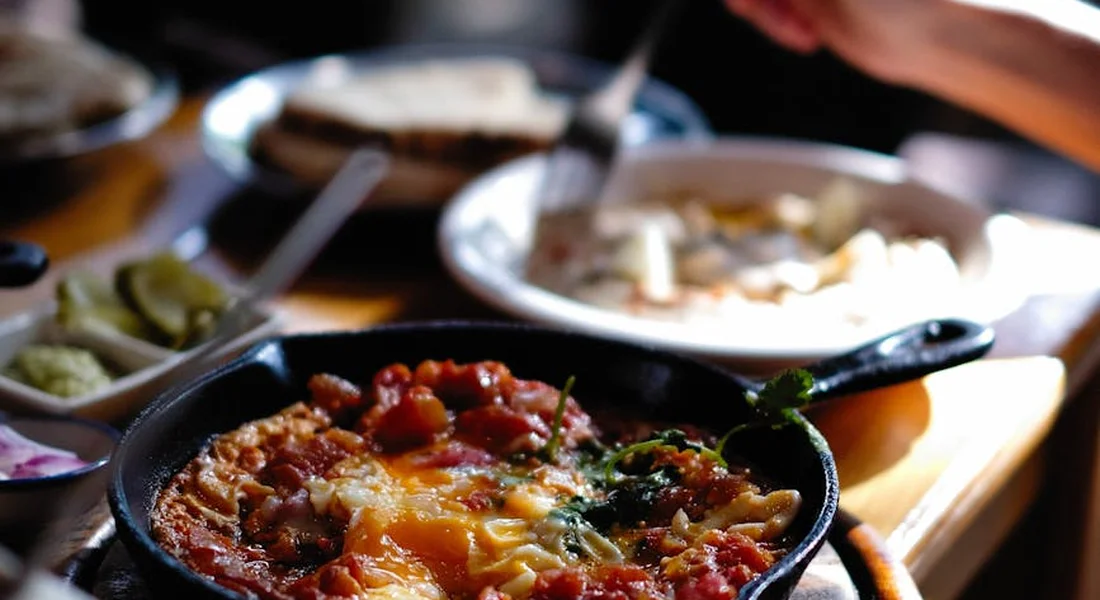
Think of preheating as warming up the engine of your car. You wouldn’t floor the gas pedal from a cold start, and you shouldn’t blast a cold cast iron pan. This step is the single biggest factor in achieving that legendary non-stick surface and avoiding heartbreak at the dinner table.
Rushing this step is the most common mistake I see. A cold pan sends a shock through the metal, creating uneven hot spots that cause food to fuse to one area while other parts remain raw. Taking just five to ten minutes to preheat properly creates a stable, even cooking surface that food releases from beautifully.
The Stovetop Method: For Daily Cooking
For 90% of your cooking, this is your go-to method. The key is patience and gradual increase.
- Place your dry, seasoned skillet on a cold burner.
- Set the heat to the lowest setting for 2-3 minutes. This lets the entire pan, including the handle, begin to warm gently.
- Increase the heat to medium or medium-low. Let the pan continue to heat for another 5-7 minutes. You’re aiming for a consistent temperature, not a raging inferno.
How do you know it’s ready? Use the water droplet test. Flick a few drops of water onto the pan’s surface. If they sizzle and evaporate instantly, it’s not hot enough. If the beads skitter and dance around the pan like tiny mercury marbles without immediately vanishing, your pan is perfectly preheated. This “Leidenfrost effect” means the surface is hot enough to create a vapor barrier under the water.
The Oven Method: For Ultimate Evenness
Your stovetop heats from the bottom up. Your oven heats from all sides. For tasks like baking cornbread, searing a large roast, or when you need absolute even heat, use your oven.
- Place your skillet in a cold oven.
- Set the oven to your desired cooking temperature, usually between 350°F and 450°F (175°C – 230°C).
- Let the pan heat with the oven. This takes 15-20 minutes, but it guarantees no hot spots.
I use this method for my 12-inch skillet when I’m making a large frittata. The even heat means the edges don’t set before the center has a chance to cook.
Oil: When and Where to Add It
This answers two big questions. Can you cook in cast iron without oil? Technically, yes, but I don’t recommend it for almost any food. Your seasoning is a polymerized oil layer, not a non-stick coating. A small amount of fat is the final ingredient for release. That’s why cast iron seasoning matters: it builds a durable layer that aids release and protects the pan. Proper seasoning helps you get reliable performance and longevity from your skillet.
Can you cook with oil in a cast iron skillet? Absolutely, but timing is everything. Always add your cooking oil or fat to the pan after it is fully preheated, just moments before adding your food. Adding oil to a cold pan and heating them together can cause the oil to break down and become sticky. A hot pan ensures the oil heats almost immediately, creating a better barrier. Whether you’re deep frying or quick stir-frying, cast iron excels at high-heat cooking. A well-seasoned skillet handles these oil-based methods well, delivering crisp texture and steady heat.
If you rush preheating, you risk three things: localized hot spots that burn food, thermal shock that can warp the pan over time, and a surface that isn’t hot enough to properly interact with your oil. That combination is a guaranteed recipe for stuck-on messes. A little patience here saves you a lot of scrubbing later.
The Heart of the Process: How to Season Cast Iron in the Oven
This method is my workshop standard for a reason. It gives you even, consistent heat from all sides, creating a durable polymerized layer that becomes your pan’s non-stick skin. Think of it like baking on a perfect, protective coat of paint.
What You’ll Need
Gathering the right items before you start makes everything smoother. You do not need specialty products.
- Your Cast Iron: Clean, dry, and ready. If it’s brand new or freshly stripped, wash it with soap and water first.
- High-Smoke Point Oil: Crisco shortening, grapeseed, canola, or refined flaxseed oil are all excellent. I keep a jar of Crisco just for this job.
- Lint-Free Cloths: Paper towels, an old cotton t-shirt, or shop towels. You’ll need a few.
- Your Oven: It will get smoky. Run your hood vent and crack a window.
- Aluminum Foil or an Oven Rack: To catch any potential drips.
The Step-by-Step Protocol
Follow these steps in order, and you cannot fail. The most common mistake is using too much oil, so we will eliminate that risk right away.
-
Prepare Your Oven. Place a sheet of aluminum foil on the bottom rack to catch any drips. Move your main oven rack to the middle position. Preheat your oven to 450°F. This is the sweet spot for most oils, including Crisco. It’s hot enough to polymerize the oil without burning it.
-
Apply a Microscopic Layer of Oil. With your pan at room temperature, put a small amount of oil (about a teaspoon for a 10-inch skillet) on a cloth. Wipe it over the entire piece-the cooking surface, the walls, the handle, and the bottom. Every bit of bare iron should get a sheen.
-
Wipe It All Off Like You Made a Mistake. This is the most critical step. Take fresh, clean cloths and wipe the pan again. Wipe it like you are trying to remove every last trace of oil. When you think you’ve wiped off enough, wipe it one more time. The pan should look matte and nearly dry, not glossy or wet. Any oil left will become sticky and blotchy.
-
Bake It Upside-Down. Place your pan upside-down on the middle oven rack. Baking it inverted prevents oil from pooling in the bottom. Close the oven and set a timer for 1 hour.
-
Let It Cool Completely. After the hour, turn the oven off. Do not open the door. Let the pan cool all the way down inside the oven, which will take a few hours. This slow cooling helps the seasoning layer set properly.
Why This Method Works
That 450°F temperature is the key. It safely exceeds the smoke point of your oil, triggering polymerization. The oil molecules break down and reform into a hard, plastic-like layer bonded to the iron.
One perfect, thin coat is better than one thick, tacky one. For a new or restored pan, I always apply at least three of these thin coats, letting the pan cool completely between each round in the oven. This builds a robust foundation much more effectively than a single heavy application ever could.
Can You Season Cast Iron on the Stovetop or a Wood Stove?

Yes, you can absolutely use a stovetop for seasoning cast iron. You can even use a wood stove if that’s what you have available. I reach for the stovetop method often when I notice a small, dull spot on my daily driver skillet that needs a quick touch-up.
Think of stovetop seasoning as a spot repair, not a full repaint. It’s perfect for maintaining an already solid layer of seasoning or fixing a small patch where food stuck. For building a brand-new, even base coat from bare metal, your oven is still the champion.
The Stovetop Seasoning Method
This process is all about control and patience. The goal is to polymerize a microscopically thin layer of oil, not to fry the pan in it.
- Start with a completely clean and dry pan. Any moisture or debris will bake into the finish.
- Apply a few drops of a high-smoke-point oil (like grapeseed, canola, or avocado) to the cooking surface.
- Using a folded paper towel, wipe the oil over the entire interior, including up the sides. Then, take a fresh, clean paper towel and wipe it all out again. Your pan should look almost dry, with just a faint, shiny trace of oil.
- Place the pan on a burner set to medium or medium-low heat. Let it warm up slowly until the oil starts to smoke lightly. This usually takes 3-5 minutes.
- Once smoking, let it continue for another 1-2 minutes, then turn off the heat. Let the pan cool down completely on the burner.
- Repeat this process 2-3 times for a durable patch. Always let the pan cool between cycles.
What About a Wood Stove?
Using a wood-burning stove follows the same principle as your gas or electric stovetop. It’s a valid heat source for seasoning, especially in a cabin or situation where an oven isn’t practical.
You just face two main challenges: temperature control and smoke. A wood stove’s surface temperature can vary wildly, making it easy to overheat a small area and burn the oil rather than polymerize it. You also need to be prepared for the smoke it generates, which can be more intense than a kitchen stove vent can handle.
If you’re using a wood stove, treat it like a very powerful, uneven burner. Keep the pan moving to distribute heat, watch for smoke carefully, and have good ventilation. It works well for maintenance, but getting a perfectly even coat is difficult.
Whether you use a modern stovetop or a classic wood stove, these methods are great for upkeep. For creating that initial, tough, and uniform layer of seasoning that makes your pan non-stick for years, the controlled, surrounding heat of an oven is unmatched.
Fixing and Refreshing Your Seasoning
Even the most trusted skillet in your kitchen can run into trouble. The seasoning might get damaged, or a mistake during maintenance can leave it sticky. The good news is you can almost always fix it. Think of seasoning like the paint on a well-used door. It doesn’t need a full repaint every year, but the occasional scuff needs touching up, and sometimes a whole new coat is the best solution.
When Your Pan Needs a Fresh Start
You don’t need to re-season your pan after every use. In fact, frequent cooking with fats is the best maintenance. Re-seasoning is a corrective process for specific issues.
- After Stripping Rust: If you’ve had to scrub away rust down to bare metal, you must apply a fresh, full base layer of seasoning to protect the iron.
- Constant Food Sticking: If food starts sticking in a well-cleaned pan that didn’t stick before, your seasoning layer is likely worn thin or damaged in that spot.
- A Patchy, Flaking Finish: When the black seasoning looks blotchy, dull, or is physically peeling off, it’s time to strip and re-season. Cooking on flaking seasoning is unpleasant.
A full re-seasoning is a reset button for your pan, giving you a smooth, uniform, and non-stick surface to build upon again with regular cooking.
How to Fix a Sticky, Gummy Skillet
A sticky pan is the most common seasoning mistake, and I’ve done it myself. It happens when too much oil is left on the pan before it goes into the oven. The oil pools, doesn’t fully polymerize, and turns tacky. Here’s how to fix it.
- Scrub the pan thoroughly with warm, soapy water and a stiff brush or scrubber. Your goal is to remove that sticky, uncured oil layer.
- Dry the pan completely on the stovetop over low heat.
- Apply a microscopically thin layer of your seasoning oil. This is the key. Wipe it on, then use a clean paper towel to wipe it all off, as if you made a mistake and are trying to remove every trace.
- Place the pan upside-down in a cold oven, set it to 450°F, and bake for one hour. Let it cool in the oven.
This single, correct oven cycle will polymerize that whisper-thin layer and should solve the stickiness. If your pan feels sticky, you almost certainly used too much oil; the fix is to remove the excess and bake it on properly.
Can You Over Season Cast Iron?
Yes, absolutely. This is what causes a sticky skillet, but it can go further. If you repeatedly add thick layers of oil without proper polymerization, you build up a coating that is soft, gummy, and prone to flaking. It’s like applying a new coat of paint over another coat that never fully dried. The layers won’t bond properly to the iron or to each other.
Proper seasoning bonds to the iron. Over-seasoning just sits on top of it. A well-seasoned pan should feel smooth and dry, not thick or tacky. Maintaining your cast iron cookware will ensure it stays in good condition.
How Often Should I Season My Cast Iron?
Season only as needed, not on a schedule. I season my daily driver skillets maybe once or twice a year, and only if I notice a spot looking dull or a slight increase in sticking. Your pan will tell you when it needs help. For a pan in regular use, the act of cooking with oils is your ongoing seasoning process. The intense, dedicated oven seasoning is for repair and restoration.
Chasing a perfectly black pan with weekly seasoning sessions is unnecessary and often leads to over-seasoning. Focus on how your pan performs, not just how it looks. My favorite pan isn’t jet-black. It’s a deep brown with a slight sheen, and nothing sticks to it. That’s the real goal.
Daily Care: What to Do After You Cook
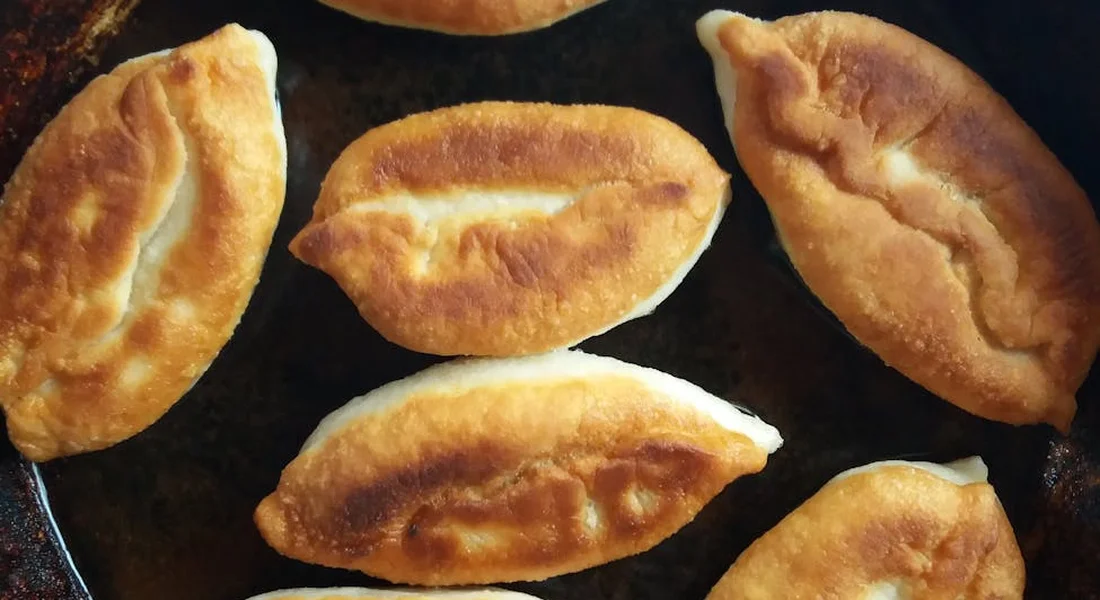
Think of your pan’s seasoning like the finish on a well-loved wooden workbench. You wouldn’t leave wood glue and sawdust caked on it. You’d wipe it clean and maybe give it a light touch-up with oil. Your cast iron needs the same simple, consistent attention after every meal.
That consistent care is what builds an incredible, non-stick layer over months and years. Neglect is what leads to rust and frustration.
The Safe Clean-Up Method
Forget the old myth about never using soap. Modern dish soap is mild and will not harm your well-bonded seasoning. Here is the process I use for my own daily driver skillet.
- Let the pan cool until it’s warm to the touch, not scalding hot.
- Rinse it with warm water and add a drop of mild dish soap.
- Use a scrub brush, chainmail scrubber, or a non-scratch sponge to clean off all food residue. For stubborn bits, a sprinkle of coarse salt makes a great gentle abrasive.
- Rinse completely with warm water.
The single most important step is drying the pan completely, right away. Any lingering water is an invitation for rust.
I always towel-dry my pan, then put it on a stovetop burner over low heat for 2-3 minutes. This drives off every last bit of moisture you can’t see. You’ll know it’s done when the entire surface feels evenly warm to your hand.
Should You Leave Grease in the Pan?
You might see advice to just wipe out your pan and leave the cooking fat for next time. I strongly advise against this.
Leftover fats and food particles can turn rancid, creating off-flavors. More importantly, that old grease is not seasoning. Seasoning is a thin, polymerized layer bonded to the iron. Leaving sticky, unpolymerized oil on the surface just creates a gummy mess that can trap moisture and weaken your good seasoning underneath.
Always clean your pan after use; a clean foundation is what allows a strong, new seasoning layer to build properly over time.
The Final, Protective Step
Once your pan is completely dry and still slightly warm from the stove, it’s time for a micro-maintenance oiling. This is your best defense against rust on cast iron cookware.
- Put a tiny amount of oil (like grapeseed or canola) on a paper towel.
- Wipe the entire pan’s surface, inside and out, with the oil.
- Then, take a clean, dry paper towel and buff the pan aggressively. Wipe until it looks dry and matte, with no visible oil streaks or pools.
You are not re-seasoning the pan here. You are applying a vanishingly thin protective coat. If the pan looks or feels oily, you used too much. This quick ritual takes less than a minute and is the secret to a rust-free, always-ready skillet.
Common Seasoning Mistakes and How to Avoid Them
Getting that perfect, non-stick finish on your cast iron is a straightforward process, but a few common errors can trip you up. These are the mistakes I see most often in my own workshop and the ones that frustrate new collectors the most.
Mistake 1: Using Too Much Oil
This is the number one reason a pan comes out of the oven sticky, blotchy, or gummy. The goal of seasoning is to create a thin, hard, polymerized layer of oil. Think of it like applying a thin coat of paint, not soaking the pan in it.
Apply a very small amount of your chosen fat with a paper towel, then take a second, clean towel and wipe it all off as if you made a terrible mistake. When you think you have wiped off all the oil, wipe it off one more time. The pan should look virtually dry. The microscopic layer that remains is what you want to polymerize into a strong coating.
Mistake 2: Not Preheating the Pan
Adding cold food to a cold pan is a surefire way to make it stick. The pores of the metal need to heat up and expand, creating a smooth, hot surface for your food to glide on.
I always start my pan on low to medium-low heat for about five minutes before turning it up to my cooking temperature. A good test is to flick a few drops of water into the pan. If they bead up and dance, the pan is properly preheated. If they sizzle and evaporate immediately, it needs more time.
Mistake 3: Putting Away a Wet Pan
This is the fastest way to get rust. Water is the enemy of bare iron. Even a pan with great seasoning can rust at the rim or on the bottom if it’s stored damp.
After washing, dry it immediately and thoroughly with a towel. Then, place it on a warm stovetop burner for a minute or two to evaporate any lingering moisture you can’t see. This quick, extra step is the best rust insurance you have. My daily driver skillet lives on my stovetop because I use it so often, which keeps it perfectly dry.
Mistake 4: Over-Scouring a Seasoned Pan
A well-seasoned pan doesn’t need to be scrubbed back to bare, shiny metal after every use. Using steel wool or abrasive scrub pads on a good patina is like using sandpaper on a finished wood table. You’re removing the protective layer you worked so hard to build.
For most cleanups, use hot water, a dab of dish soap, and a soft brush or non-scratch scrubby. For stubborn bits, use coarse salt as a gentle abrasive or a chainmail scrubber designed for cast iron, which knocks off food without harming the seasoning.
Mistake 5: Stacking Pans Without Protection
Cast iron is tough, but it’s not immune to scratches and dings. Storing your pans piled directly on top of each other can scrape the seasoning off the cooking surface of one pan and damage the exterior finish of another.
If you must stack them for space, place a soft barrier between each piece. A simple paper towel, a clean cloth, or even one of those felt pan protectors you can buy will keep your hard-earned patina safe from nicks and scrapes. I keep a stack of old flour-sack towels in my cabinet just for this purpose.
Your Seasoning Toolkit: A Quick Guide
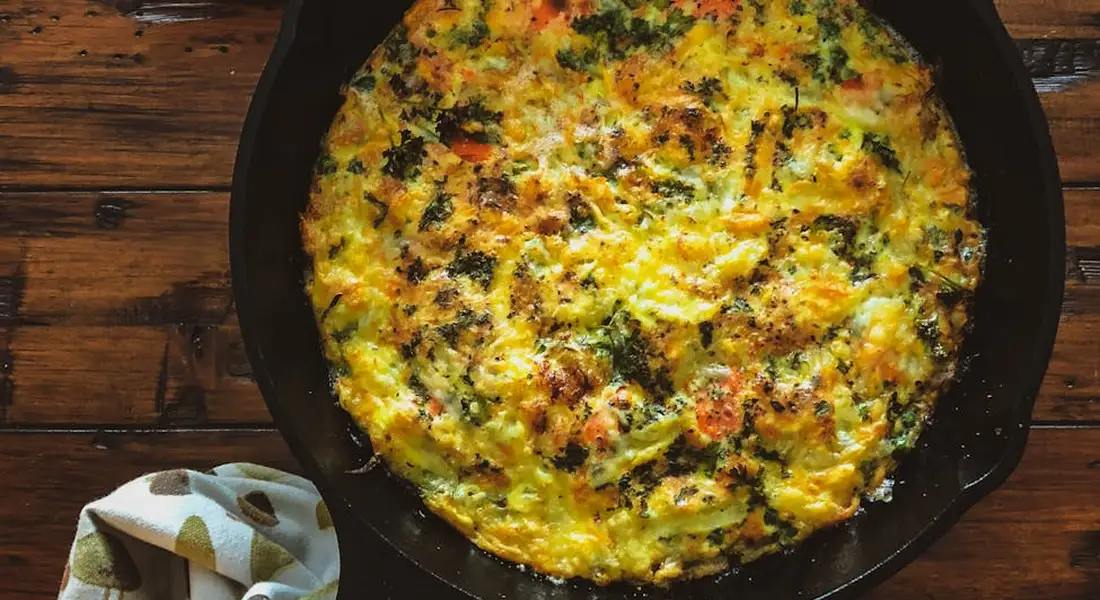
Think of seasoning as building a protective, non-stick finish one incredibly thin layer at a time. The products you choose are your building materials, and your technique is the craftsmanship. Behind the scenes, this layering is a kind of polymerization that forms a non-stick surface. In science terms, each coat bonds to build a slick, durable release layer.
Oils, Waxes, Sticks, and Sprays: A Side-by-Side Look
You have more options than ever. I’ve tried most of them in my own workshop. Here’s a straightforward comparison to help you decide.
| Type | Best For | My Notes & Comparison |
|---|---|---|
| Traditional Oils (Canola, Grapeseed, Sunflower) | Beginners & reliable maintenance. | This is my daily driver. They’re affordable, available everywhere, and polymerize reliably. Canola is my top pick for its balance of performance and price. Compared to trendy oils, these are the dependable workhorses. |
| Specialty Oils (Flaxseed, Avocado) | Experienced users seeking a hard, glossy finish. | Flaxseed gives a beautiful, hard coat but can be brittle and chip over time. Avocado oil has a very high smoke point, which is great, but it can be pricey. I find them less forgiving than the standards. |
| Seasoning Waxes & Compounds | Restoration, storage, and DIY enthusiasts. | These are blends of oils and waxes (like beeswax) designed for easy application and long shelf life. A homemade cast iron seasoning wax recipe is a fantastic project if you enjoy DIY. They’re excellent for putting a protective coat on a pan you plan to store. |
| Seasoning Sticks & Sprays | Convenience and ultra-thin application. | Sprays can help achieve a very thin layer, but you must wipe them down just like liquid oil to avoid gumminess. Sticks are neat and portable. They are great tools, but the core principle remains: you must buff them to a near-dry finish before heating. |
The Right Tools for the Job
Good tools make the process easier and your results better. You don’t need much.
- Chainmail Scrubber: Perfect for cleaning off stubborn, stuck-on food after cooking, without harming your seasoning. Don’t use it to scrub off old seasoning during a strip.
- Stiff Nylon Brush or Scrub Brush: My go-to for quick cleans with hot water. It gets into the pores of the iron without being abrasive.
- Lint-Free Cloths (like blue shop towels): This is non-negotiable. Paper towels can leave fibers, and old t-shirts can have lint. A lint-free cloth ensures no debris gets baked into your new layer.
Applying your oil with a lint-free cloth you’ve dedicated to the task is the single easiest way to improve the smoothness of your seasoning layers.
The Unbreakable Rule: Thin, Hot, and Patient
No matter which product you pick from the list above, this rule applies.
- Thin Layers: After applying oil, pretend you made a mistake and try to wipe it all off. The microscopic layer that remains is perfect. A thick layer will turn sticky or blotchy.
- High Heat: You must heat the oil past its smoke point to polymerize it. This means your oven needs to be at least 25°F hotter than your oil’s smoke point for 45-60 minutes.
- Patience: One perfect layer is better than three rushed, thick ones. Let the pan cool completely in the oven between coats. Rushing creates weak spots.
Seasoning is not about one heroic session, it’s about the repeated, careful application of thin, cooked-on layers of oil.
The goal isn’t a flawless, jet-black mirror. My most trusted skillet is covered in subtle swirls and has a slightly mottled base from years of searing. It slides eggs like a dream. A well-cared-for, functional pan that you cook with regularly is the true mark of success.
Common Questions
Is there a difference between a seasoning stick, spray, and compound, or are they all the same?
They are different formats for the same job, each with a slight advantage. Sticks and pastes offer neat, controlled application, while sprays can help achieve a very thin initial coat-but you must still wipe them down aggressively. The best one is the product that encourages you to apply the thinnest possible layer before baking.
Should I make my own seasoning paste or wax, or just buy a pre-made product?
Pre-made products are formulated for consistency and convenience, making them ideal for most users. A DIY cast iron seasoning wax recipe, often a blend of oil and beeswax, is an excellent project if you enjoy crafting your own supplies and want a compound that solidifies for easy storage. For sheer reliability and simplicity, a standard bottle of grapeseed oil is hard to beat.
When would I choose a seasoning compound over simple oil?
Choose a specialized seasoning compound for long-term storage or restoration of a completely bare pan, as many are blended with waxes for a harder, more protective barrier. For routine maintenance and touch-ups, a simple, high-smoke-point oil is perfectly effective and often more economical. The compound’s primary benefit is its shelf-stable, no-drip formulation, which can be handy.
Your Cast Iron, Well-Heated and Well-Seasoned
For flawless results every time, make slow, even preheating your non-negotiable first step. This patience protects your pan from stress and allows a hard, slick seasoning to form. When you’re ready to learn more, topics like stripping old seasoning or choosing a finish for daily use are great next steps.
Sources and Additional Information
- How to Season a Cast Iron Pan (It’s Easier Than You Think!)
- r/castiron on Reddit: How to season your skillet: A detailed guide
- How to Season – Lodge Cast Iron
Joseph Gerald
A material science expert by profession, Joseph is also an avid cook. He combines his 10+ years expertise in material science and metallurgy with his passion for cast iron cookware to bring you best hands on advice. His expertise ranges from types of cast iron cookware to best seasoning tips as well as restoration of vintage cast iron utensils. Joe is here to help you solve all your cast iron cookware queries and questions.