How Often Should You Season Cast Iron?
If you’re wondering whether you’re seasoning your skillet too much or too little, you’re not alone. The good news is that seasoning isn’t a frequent chore you need to schedule, but a natural part of caring for a tool you use.
In this guide, I’ll use my own decades-old skillets as examples to explain the real-world signs that tell you when to act. We’ll cover:
- The simple sign that means your pan just needs a quick touch-up.
- How to tell the difference between normal cooking patina and a pan that needs a deep restore.
- A practical maintenance routine that prevents guesswork and keeps your iron in top shape.
Key Takeaways: Your Quick-Start Guide
Before we get into the details, here are the core facts you need to know right now.
- You do not need to season your cast iron after every use. Doing so can lead to a thick, gummy, or flaky layer.
- Think of seasoning as long-term maintenance, like changing the oil in your car, not like washing dishes after dinner.
- Your daily ritual should be a proper clean, a thorough dry, and a quick, thin stovetop oil rub. That’s it.
- A well-maintained pan only needs a full re-seasoning in the oven a few times a year, if that.
- If food sticks or you see dull, grey, or rusty spots, that’s your signal to do a full seasoning session.
What Is Seasoning, Really? It’s Not a Coat of Paint
Many people imagine seasoning as a layer you add, like painting a wall. This thinking leads to over-seasoning. Seasoning is better understood as a transformation.
When you apply a very thin layer of oil and heat it past its smoke point, a chemical change happens. The oil breaks down and bonds to the iron’s pores, forming a hard, slick polymer. This isn’t a coating that sits on top. It becomes part of the pan’s surface.
Unlike paint, which can chip off, polymerized seasoning is a bonded, non-stick skin that protects the iron from rust and improves with gentle use.
Look at a new, unseasoned cast iron skillet. It’s a flat, matte grey. Now look at your favorite old workhorse. That deep black, sometimes shiny, sometimes matte finish is decades of this polymerized oil built up in microscopic layers. It’s alive. It changes. It can wear down in spots and be built back up. Understanding this stops you from trying to “paint” your pan into non-stick submission every single week.
The Simple Answer to “How Often?” It Depends on Your Pan’s Life
Do you have to season cast iron after every use? No, absolutely not. That would be exhausting and completely unnecessary. We’ve also put together an easy-to-follow guide on how to season pre-seasoned cast iron cookware and why you should do it.
Think of it like maintaining a car. You don’t rebuild the engine every time you drive. You check the oil, you fill the gas, and you give it a wash. A full engine rebuild is for major overhauls. Your cast iron care works the same way, with three main tiers of attention.
- Daily Upkeep: The simple clean, dry, and thin oil rub you do after cooking.
- Periodic Refreshing: A stovetop seasoning or occasional oven round to tackle wear.
- Full Restoration: Stripping and re-building seasoning from scratch for damaged pans.
Your pan will give you clear signs when it needs more than just daily upkeep. Learning to read those signs is the real secret to knowing “how often.”
For a Brand New or Stripped Pan: Building the Foundation
This is the only time you follow a strict, multi-step process. You’re creating the base polymerized oil layers that everything else will build upon.
For a pan that is down to bare, gray iron (like a newly stripped vintage find or some unseasoned modern pieces), you need a solid foundation. I always apply 3 to 5 thin layers of seasoning in the oven for a bare pan. Each layer bakes on, creating a durable, non-stick base. It’s like applying several thin, perfect coats of paint instead of one thick, gloppy one.
Most new pans you buy today are “pre-seasoned.” This means the factory applied one or two base layers for you. You can cook on a pre-seasoned pan right away, but adding 1 or 2 of your own oven seasoning layers makes it significantly better from day one. It reinforces that factory coat and gives you a head start on building your own cooking history into the surface. My daily driver skillet started this way, and it was non-stick from its very first egg.
For a Well-Loved, Established Pan: The Maintenance Rhythm
This is where you live 99% of the time. Your pan has a good foundation, and your job is to maintain and gently build upon it with every use.
After cleaning your pan, the “dry and oil” step is a mini seasoning session. Heat the pan on your stovetop until all moisture evaporates. Then, add a few drops of oil, wipe it all over the interior, and continue heating for a minute or two until it just starts to smoke. Wipe out any remaining excess oil. This process polymerizes a microscopic layer of oil, protecting the pan and slowly thickening your seasoning over time.
A full oven reseasoning is for when you notice issues. If your seasoning looks patchy, feels rough, or food starts sticking more, a single oven layer can smooth and reinforce it. For a pan you use several times a week, this might be needed once or twice a year. My go-to Dutch oven might get an oven round every fall before stew season if it’s looking dull.
There is no set calendar for cast iron seasoning frequency. It’s not a weekly chore. You season based on the condition of your pan’s surface, not the date on your phone. Watch for sticking, look for dry or metallic spots, and feel for roughness. Those are your cues to act, not an arbitrary schedule.
How to Tell When Your Cast Iron *Actually* Needs Reseasoning
Forget the calendar. The best way to know when to season your pan is to ask the pan itself. I treat my cookware like a patient I’m checking on, looking for clear symptoms instead of following a rigid schedule.
Your skillet will give you clear signals when its protective layer is compromised, and learning to read them takes the guesswork out of maintenance.
The Visual Check: Looking for Trouble
Hold your clean, dry pan under a good light and tilt it slowly. You’re looking for changes in the color and texture of the seasoning layer, which should be a consistent, dark black or brown.
Dull, grey, or metallic-looking spots are a sure sign the seasoning has worn thin, often from scrubbing or cooking acidic foods. These areas are vulnerable.
It’s critical to distinguish a rust spot from baked-on carbon, as the treatments are opposites: you remove rust but preserve good carbon buildup. For cast iron, identify rust early, prevent it with proper seasoning, and remove rust spots promptly.
- Rust is orangey-red, powdery, and will often leave a stain on your finger if you rub it. It forms in patches where bare iron is exposed to moisture.
- Baked-on food carbon is matte black, often lumpy or crusty, and feels hard. It’s stuck food, not a damaged pan. You can scrub this off without harming the seasoning underneath.
The Touch Test: How Your Pan Should Feel
The look tells one story, but the feel tells the whole truth. Run your fingertips lightly across the cooking surface, both when the pan is cool and when it’s warm (not hot).
A well-seasoned pan feels smooth and slick, almost like polished stone. My most-used skillet feels this way, and eggs slide right out.
Any texture that catches on your skin is a problem that needs to be addressed before your next cook.
- A sticky or tacky feel means the oil wasn’t fully polymerized during the last seasoning. It hasn’t cured into a hard layer.
- A rough or sandy texture, like dry sandpaper, indicates the seasoning is flaking off or has built up unevenly.
- A bone-dry, chalky feel means the surface is thirsty. The pores of the iron aren’t protected by a slick layer of polymerized oil.
The Water Bead Test: A Quick Kitchen Experiment
This is my favorite 10-second check. It shows how water-resistant your seasoning is, which directly relates to how non-stick and rust-proof it is.
First, make sure your pan is completely clean, dry, and warm. Just place it on a burner on low for about 60 seconds to drive off any hidden moisture.
Then, flick a few drops of water onto the cooking surface.
If the water beads up and dances around like mercury on glass, your seasoning is in great shape and wonderfully hydrophobic.
If the water soaks in immediately or sits in a flat, spreading pool, the surface is too porous. It needs a fresh, thin layer of oil to rebuild that protective barrier. Think of it like a waxed car; the water should sheet right off.
The Everyday Ritual That Makes Oven Seasoning Rare
You are not supposed to season your cast iron in the oven after every use. If you did, you’d spend more time seasoning than cooking. The better question is what you should do after each use, and that is where true seasoning happens. Seasoning matters because it protects the pan from moisture and builds a natural nonstick surface over time. Understanding why cast iron seasoning is important helps you get the most from your pan with less effort.
Think of “seasoning” not as a special project, but as simple daily care. This routine protects your pan and builds its patina over time, making those full oven sessions rare.
Here is the three-step ritual I use for every single one of my skillets, from my daily driver to my heirloom piece. It takes three minutes and saves you hours of restoration work later.
Step 1: Clean Gently
Start by cleaning your warm pan with hot water, a brush, and a drop of mild dish soap. The old myth about soap harming seasoning is just that, a myth. Modern soaps do not contain lye.
Soap helps remove oily food residues that can turn sticky and gummy on your pan’s surface. A stiff brush or chainmail scrubber works great for stuck-on bits. A quick, soapy clean ensures you are building seasoning on a clean base, not on top of old grease.
Step 2: Dry Completely
This is the most critical step to stop rust. Do not just towel-dry your pan and put it away. A towel leaves behind microscopic water you cannot see. It’s especially important to fix and prevent rust on cast iron cookware to maintain its longevity.
Place your clean pan on a stovetop burner over low to medium heat for a few minutes. Let the heat chase away every bit of moisture. You will know it is done when the pan is hot to the touch and all visual dampness is gone. Heating the pan to dry it is your best defense against the orange blush of surface rust.
Step 3: The Magic “Dry and Oil” Rub
While the pan is still warm from drying, apply a tiny drop of oil, about the size of a quarter, to a folded paper towel or cloth. I prefer a neutral oil with a high smoke point, like grapeseed or canola.
Rub that oil over the entire pan, inside and out. You are aiming for a thin, even coat. Now, take a fresh, clean cloth or paper towel. Buff the oiled surface vigorously as if you are trying to remove all the oil you just put on.
The goal is to make the pan look and feel dry, not shiny or slick. You are leaving behind a microscopic protective layer. This daily rub maintains the seasoning, fills in micro-scratches, and keeps the iron conditioned. It is like putting a dab of lotion on dry skin. This simple act is your daily seasoning. Do this after every wash, and your pan will rarely need the oven.
What Wears Down Seasoning? Spotting the Culprits
Seasoning is durable, but it’s not invincible. You don’t need to baby your pan, but knowing what stresses the polymerized oil layer helps you predict when it might need a refresh. The main factors are cooking habits, cleaning methods, and simple wear and tear.
Think of your seasoning like the paint on a well-used tool. Normal use leaves minor scuffs, but certain actions can strip it right down to the metal. Spotting these culprits lets you adjust your routine, not fear it.
Cooking with Acid: Tomato Sauce, Wine, and Vinegar
Acidic foods like tomatoes, lemon juice, or wine-based sauces can weaken your pan’s seasoning over time. This doesn’t mean you can’t make a great pasta sauce in cast iron. The key word is time.
Acids react with the iron and the seasoning layer in a slow, gradual process. You won’t see it flake off during one use. Instead, you might notice the pan’s surface looks dull or patchy after several acidic cooks. For occasional acidic dishes, a pan with a strong, well-established seasoning base will hold up just fine. The real damage happens when you simmer a tomato sauce for hours or, worse, store leftovers in the pan, letting acids work uninterrupted.
My advice is to cook your acidic meals, but use a well-loved, darkly seasoned pan for the job. As soon as you’re done eating, transfer the food to another container and wash the pan.
Scraping and Scrubbing: Metal Tools and Abrasive Cleaners
This is where many people get confused. A good metal spatula is actually your seasoning’s friend. Its flat edge helps smooth the seasoning as you cook, like a trowel smoothing cement. The problem isn’t gentle scraping during cooking.
The wear comes from aggressive scrubbing to clean burnt-on messes. Using steel wool, a harsh scrub pad, or a chainmail scrubber applies focused, abrasive force. This is great for removing stubborn carbonized food, but it will also take off seasoning in those specific spots. Use these abrasive tools as a targeted solution for stuck-on food, not for your everyday clean-up.
For most washes, hot water, a brush, or a non-scratch sponge is all you need. Save the chainmail for when you really need it, and your overall seasoning will stay more intact.
High Heat and Stuck-On Food
Two big issues happen with high heat: you can burn your seasoning off, or you can burn your food onto the pan. Both lead to trouble.
Seasoning is a layer of polymerized oil, and just like oil on a grill, it can burn if heated past its smoke point for too long. In chemistry terms, seasoning is the polymerization of oil into a durable, non-stick film. This chemical change is what gives cast iron its smooth, food-release surface. This leaves a dry, ashy, or flaky surface. You rarely need to crank your burner to high with cast iron; medium heat is usually perfect for its excellent heat retention.
The other common problem is food getting stuck and carbonizing because the pan wasn’t properly preheated or because of excess heat. Removing that rock-hard carbon often requires the abrasive scrubbing we just talked about. That scrub takes off the carbon and the seasoning underneath it. Managing your heat prevents the stuck-on messes that force you to scrub seasoning away.
The Step-by-Step Checklist for a Full Oven Reseasoning
A full oven seasoning is a great reset for your pan. You don’t need to do it often, but it’s the right choice when your skillet looks dull and dry, has rust spots, or food sticks constantly. I do this to my own pans maybe once a year, if that. Follow these steps slowly for a perfect, durable finish.
How to Season Your Cast Iron in the Oven
- Clean the pan thoroughly. Scrub it with hot soapy water and a brush or mild abrasive to remove any old, flaky seasoning or food residue. If there’s rust, use steel wool or a chainmail scrubber until you see bare, grayish metal.
- Dry it completely, then heat it. Towel-dry the pan, then place it on a low stovetop burner for a few minutes. This drives off every last bit of moisture. A completely dry pan is the only way to start.
- Apply a microscopically thin layer of oil. This is the most common mistake. Pour a small amount of a high-smoke-point oil (like flaxseed, grapeseed, or canola) onto a paper towel. Wipe the entire pan, inside and out, including the handle. Then, with a fresh, dry paper towel, wipe it all off as if you made a mistake and are trying to remove the oil. What remains is the perfect, almost invisible amount needed for seasoning.
- Bake it upside down. Place the pan upside down on the middle rack of your oven. Put a sheet of aluminum foil on the bottom rack to catch any drips. This position prevents oil from pooling and creating sticky spots.
- Polymerize the oil. Heat your oven to 450-500°F (depending on your oil’s smoke point). Bake the pan for one hour. After the hour, turn the oven off and let the pan cool completely inside. Do not rush this cooling phase.
- Repeat if necessary. One cycle creates one thin, hard layer. For a new or stripped pan, I typically do 2-3 cycles back-to-back for a strong base coat. For maintenance, one cycle is often enough.
You might see some smoke during baking. This is normal, but good ventilation helps. The goal is a smooth, semi-matte black finish. If the surface feels sticky or looks blotchy, it means too much oil was used. Simply put the pan back in the hot oven for another 20-30 minutes to finish curing, and remember the “wipe-it-all-off” trick for next time.
Common Mistakes and How to Avoid Them
Many people ask, “do i have to season my cast iron every time?” That question usually comes from a place of worry. You might think you’re not doing enough, or that one missed step will ruin your pan forever. I felt the same way with my first skillet. The truth is, needing to fully re-season your cookware every single time you use it is a myth. This frantic over-seasoning is often a reaction to other, simpler errors, such as not properly cleaning or maintaining your cast iron skillet.
Frustration with seasoning often stems from a few key mistakes. If you fix these, your pan will become more resilient and your routine much simpler.
Using Too Much Oil (The #1 Mistake)
This is the most common error by far. When you apply oil for seasoning, you are not oiling the pan for cooking. You are applying a microscopic layer meant to polymerize. Imagine you’re applying a coat of varnish, not deep-frying.
If you leave visible oil in the pan, it will bake on as a gummy, tacky film. I’ve seen pans feel sticky even after an hour in a hot oven. The key is to wipe the oil out as if you never meant to put it there in the first place. After applying a few drops of oil, use a clean paper towel to spread it over every surface. Then, take a fresh, dry paper towel and wipe the entire pan again. You should see only a faint, matte sheen, not a wet or glossy look.
Seasoning Over Dirt, Rust, or Old Flaky Layers
Seasoning bonds to clean, bare iron. It does not bond to carbonized food, rust, or seasoning that’s already lifting. Trying to season over these problems is like painting over a rotten wooden fence. It might look okay for a day, but it will fail quickly.
Before you even think about applying new oil, your pan must be completely clean and dry. If you have rust, scrub it off with steel wool. If you have flaky, patchy old seasoning, you may need to strip it completely. Your seasoning is only as strong as the foundation it’s built upon, and that foundation must be solid, clean metal. I always inspect my pan under bright light after washing to ensure no old grease or water spots remain.
Neglecting the Daily Heat-and-Oil Dry
This single habit is the biggest difference between a pan that needs constant babysitting and one that stays in fighting shape. After you wash your pan (yes, with soap), it must be dried immediately and completely. Water is the enemy of iron.
I place my clean 10-inch skillet on a stovetop burner over medium heat for about two minutes. This evaporates every trace of water. Then, while the pan is still warm, I add literally five drops of oil, spread it with a paper towel, and wipe it out thoroughly. This leaves the thinnest possible protective layer. Keeping it clean after cooking is part of the same routine. A quick post-use wipe helps maintain your cast iron and keep seasoning intact. This quick, two-minute ritual after each use fortifies your existing seasoning and is the best way to prevent the need for a full oven re-seasoning. Skip it, and you’ll find yourself dealing with rust spots and weak patches far more often.
Storing Your Cast Iron for Long-Term Health
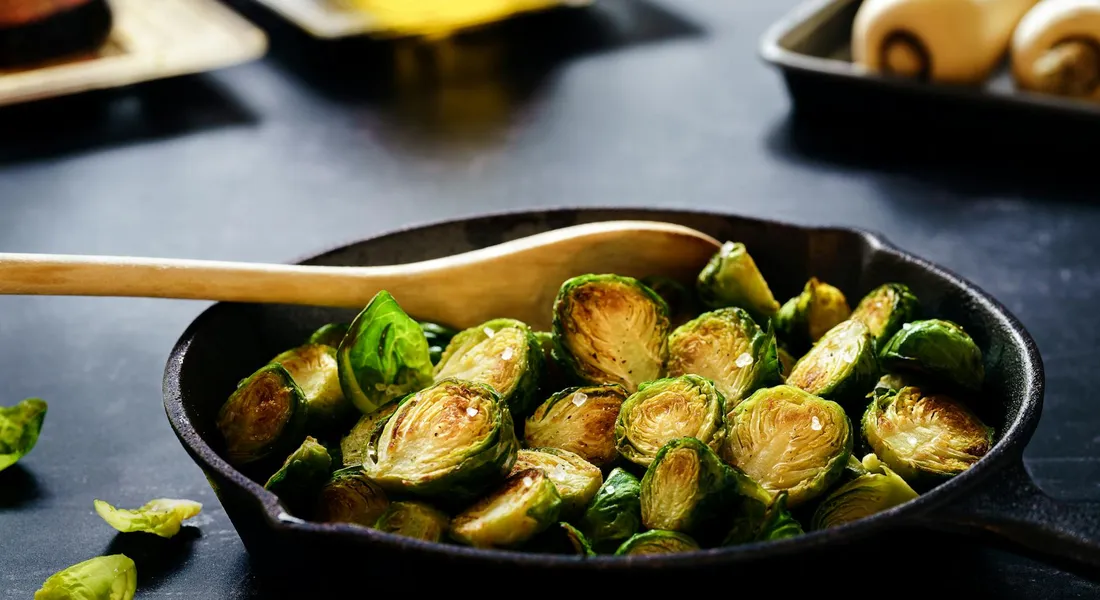
How you put your pan away matters just as much as how you cook with it. Improper storage is the fastest way to undo your hard-earned seasoning and create a new problem that forces you to re-season.
The main enemy is moisture, which leads directly to rust, and rust is what destroys your seasoning layer. By controlling the storage environment, you protect the pan’s surface so it stays ready for your next meal.
This directly answers a common worry: you do not need to re-season a pan just because it has been in storage. If you prepared it correctly before putting it away, it should come out ready to cook.
The Pre-Storage Ritual
Never put a pan away damp. After your final wash and rinse, dry it aggressively.
- Wipe it thoroughly with a dry towel.
- Place it on a low stovetop burner for 2-3 minutes. This drives off every trace of water you can’t see.
- While the pan is still just warm to the touch, apply a microscopically thin layer of oil with a paper towel. Wipe it on, then use a clean towel to wipe it all off again, as if you made a mistake. This leaves only the oil molecules bonded to the iron, not a sticky surface.
Think of this final oil layer as a protective coat of wax on a car, not a new coat of paint. It seals the iron from humidity in the air.
Protecting Your Pans From Each Other
If you stack your cast iron, you must create a barrier. The rough, textured surface of one pan can scrape and damage the seasoning of the pan beneath it.
I keep a stack of cheap, clean flour sack towels in my cabinet just for this. After oiling, I place a single towel between each pan. A folded paper towel works in a pinch. This simple step prevents scratches and gouges that would require spot-reseasoning.
Where to Put It (And Where Not To)
Good air circulation is your friend. Store your pans in a dry kitchen cabinet or on an open rack. Avoid these common traps:
- Airtight containers or plastic bags: These trap any residual moisture and guarantee rust spots.
- Under the sink or in a damp basement: These are high-humidity zones.
- Directly on a cold, concrete floor: Concrete can “sweat” and transfer moisture.
My own daily skillet lives on the stovetop, but my specialty pieces wait in a bottom cabinet with a towel between each. I’ve pulled them out after a year to find them in perfect, rust-free condition, ready for the oven to heat up that thin oil layer and get cooking.
Common Questions
Does cooking with acidic foods like tomatoes mean I have to reseason every time?
No, it does not. A well-established pan can handle an occasional simmer. The key is to never store acidic food in the pan and to wash, dry, and oil it promptly after cooking to protect the surface.
How do I prepare a pan for long storage so it doesn’t need reseasoning later?
After a final wash, heat-dry it thoroughly on the stove. Apply a vanishingly thin coat of oil, then buff it until the surface looks and feels dry. Store it in a dry place with good air circulation, using a cloth between stacked pans to prevent scratches.
My pan feels sticky even after seasoning. What went wrong?
This is a classic sign of using too much oil, which cannot fully polymerize. For your next session, remember to wipe the oil out as if you made a mistake. To fix the current stickiness, simply heat the pan in your oven or on the stove until the excess oil finishes curing.
Trusting Your Pan and Your Routine
The best approach is to season your cast iron only when it shows clear signs it needs help, like persistent sticking or a patchy, dry surface. This practice-first mindset keeps your cookware in fighting shape without unnecessary work. For specific challenges like rust or choosing an oil, our library of care articles has you covered.
Research and Related Sources
- How to Season a Cast Iron Pan (It’s Easier Than You Think!)
- r/Cooking on Reddit: How often should you season a cast iron?
- How to Season – Lodge Cast Iron
- Here’s How Often You Should Re-Season A Cast Iron Pan – Tasting Table
- r/Cooking on Reddit: Cast Iron Seasoning Frequency
- What is the recommended frequency for seasoning a cast iron skillet if it is only used for cooking eggs and steak? How long does the seasoning typically last on a cast iron skillet? – Quora
A material science expert by profession, Joseph is also an avid cook. He combines his 10+ years expertise in material science and metallurgy with his passion for cast iron cookware to bring you best hands on advice. His expertise ranges from types of cast iron cookware to best seasoning tips as well as restoration of vintage cast iron utensils. Joe is here to help you solve all your cast iron cookware queries and questions.