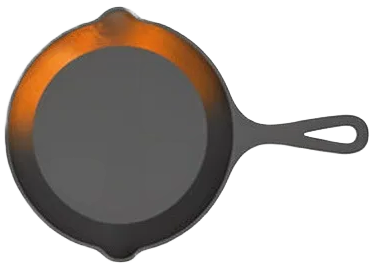
How Do You Restore a Rusty Antique Cast Iron Skillet?
You’re holding an old, crusty cast iron pan and wondering if it’s too far gone to use. With some patience and the right approach, you can almost always restore it to better than new condition.
I’ll guide you through the same hands-on process I use in my own workshop. This article covers:
- How to safely assess your antique piece for hidden damage like cracks or warps.
- The most effective methods for removing heavy rust and old, flaky seasoning.
- My trusted step-by-step process for re-seasoning from bare iron.
- Practical advice for keeping your restored treasure cooking for decades.
Quick Snapshot: Cast Iron Restoration Methods
Before you start scrubbing, you need a plan to remove the rust and old seasoning. Think of this like choosing a tool for a job. A light surface cleaning needs a different approach than a century’s worth of gunk.
This table compares the most common methods to strip your piece back to bare metal.
| Method | Best For | Effort Level | Safety Notes | Time Required |
|---|---|---|---|---|
| Vinegar Soak | Light to moderate surface rust. It’s gentle and cheap. | Medium (passive soaking, active scrubbing) | Use in a well-ventilated area. Wear gloves. Do not soak for more than an hour at a time, as vinegar can etch the iron. | 1-8 hours (in cycles) |
| Oven Cleaner (Lye) | Thick, built-up carbonized grease and old seasoning. It won’t hurt the metal. | Low (spray and bag it) | Wear chemical-resistant gloves and eye protection. Use outdoors or with extreme ventilation. Avoid fumes. | 24-48 hours |
| Electrolysis | Heavy rust and crud without damaging any remaining good iron. It’s the museum-quality standard. | High (setup, monitoring, cleanup) | Deals with electricity and produces flammable hydrogen gas. For experienced DIYers only. Always use safety gear. | 12-36 hours |
| Manual Abrasion | Spot treatment, light rust, or final smoothing after another method. Immediate results. | High (elbow grease) | Wear a dust mask for sanding. Be careful not to gouge the cooking surface with aggressive tools like wire wheels. | 1-3 hours |
I keep a bottle of vinegar and a can of oven cleaner in my workshop. For my daily drivers with moderate crud, the oven cleaner method is my reliable go-to. For a deeply pitted antique I plan to hang on the wall, I’ll set up the electrolysis tank.
Is Your Antique Cast Iron Worth Restoring?
Not every rusty piece is a hidden gem. The first step is a honest assessment. Your goal determines what flaws you can live with.
Surface Rust vs. Deep Pitting
Run your fingers over the rusty areas. Surface rust feels like fine sandpaper. It’s a uniform layer you can often scrub off to reveal solid metal underneath.
Deep pitting feels like craters or a spongy texture, and it means the rust has eaten into the iron itself. A few small pits on the bottom or exterior walls are usually fine. A cooking surface covered in deep pitting, however, will never be smooth and food will constantly stick.
Can You Fix Cracks and Warps?
Let’s answer those big questions directly.
A cracked cast iron skillet cannot be repaired for cooking. Iron is brittle, and household welding (even with specialized nickel rod) creates a stress point that will likely re-crack under heat stress. A cracked piece is best retired to decorative use. In metallurgy terms, cast iron is strong in compression but brittle in tension due to its graphite microstructure, which explains its repair challenges. Understanding its strength and brittleness helps explain when repairs are impractical and replacement is the safer option.
A warped cast iron pan also cannot be fixed. Warping happens from extreme thermal shock. Trying to bend it back will crack it. You can still use a slightly warped pan on a gas stove or over a campfire, but it will spin and make poor contact on a flat electric coil or induction burner.
When to Restore vs. When to Retire
Perfect candidates for DIY restoration have solid metal, even with rust. Look for pieces with intact handles, no cracks, and a cooking surface that isn’t deeply pitted or paper-thin from corrosion.
You should consider an item too far gone if you find:
- A visible crack or hairline fracture (hold it up and tap it with a wooden spoon; a clear “ring” is good, a dull “thud” may indicate a hidden crack).
- Extreme pitting on the cooking surface that resembles a sponge.
- A spot you can see light through, or metal that flexes slightly under pressure.
User for Cooking vs. Decorative Piece
This is the most important filter for your decision. The standards for a pan you’ll cook with are much higher than for a piece you’ll hang on the wall.
For a cooking piece, the interior cooking surface must be smooth and free of deep pits. The pan must sit flat (no warp) and be structurally sound (no cracks, thick walls).
For a decorative piece like a bench leg, stove plate, or wall art, you have more freedom. You can stabilize heavy rust with a conversion coating, fill minor pits with body filler before painting, and ignore a slight warp. The goal shifts from creating a perfect cooking surface to preserving the character and preventing further decay.
I have a gorgeous, ornate gem pan from the 1800s with some deep pitting in a few cups. I’d never bake cornbread in it, but after a careful restoration and seasoning, it looks incredible displayed on my kitchen shelf.
First Steps: Inspection and Assessment
Before you touch a wire brush or a bottle of vinegar, you need to understand what you’re working with. Think of this as a patient intake for your pan. You’re not just looking at it, you’re feeling its history and its current state.
The Visual and Tactile Check
Your eyes can spot rust and grime, but your fingers will tell you the real story. Start by washing your hands to remove any oils, then run your fingertips slowly across the entire cooking surface. You’re feeling for a subtle dip or bulge in the center. A warped pan will often rock or spin on a perfectly flat countertop, which affects cooking performance. Can a warped cast iron skillet be fixed? The honest answer is no, not at home. The metal has been permanently stressed by extreme heat. But don’t despair. With proper care and maintenance of cast iron cookware—skillets, pans, and more—you can keep them in top shape. A few simple steps can extend their life and cooking performance. A slight warp is often still perfectly usable, especially on a gas burner or with a heat diffuser.
Next, tap the surface lightly with your fingernail. A deep, solid “clink” is good. A scratch will feel like a shallow groove you can see and catch your nail on. A hairline crack is different. It often sounds slightly duller when tapped and feels like a fine, sharp line you can barely see. A cracked piece is generally unsafe for cooking, as thermal stress can cause it to fail.
Finally, place the pan on a known flat surface, like a glass stovetop or a granite counter. Press down on opposite sides. Any rocking or wobble confirms a warp or an uneven base.
Making Your Restoration Plan
Your goal for the piece decides everything. A rare collector’s Griswold requires a gentle, preservation-focused approach. A sturdy but crusty daily driver skillet can handle more aggressive cleaning. Be honest about what you want from it.
Here’s a quick guide to match your goal with the right method and space:
- For Light Rust & Quick Use: The vinegar bath method. You need white vinegar, a large plastic tub, patience, and a well-ventilated area like a porch.
- For Heavy, All-Over Rust & Stubborn Gunk: The electrolysis method. This needs a dedicated workspace (a garage is ideal), a battery charger, a plastic tub, washing soda, and safety gear. It’s a project.
- For Thick, Tar-Like Carbon Buildup: The lye method (oven cleaner). This requires heavy-duty rubber gloves, eye protection, and a sealed plastic bag kept well away from kids and pets.
- For Spot Repairs or Non-Cookware: Manual scraping and sanding. Perfect for fixing up a decorative cast iron wood bench leg with surface rust. You’ll need putty knives, wire brushes, and maybe a drill attachment.
How to Strip Rust and Old Seasoning Safely
Now that you have a plan, it’s time for the messy, satisfying work of cleaning. Each method has its place. I’ve used them all in my workshop, and choosing the right one saves time and protects the iron.
The Vinegar Bath Method
This is the most accessible way to restore a cast iron skillet with vinegar. The acid reacts with the iron oxide (rust) and loosens it. The key is control. Use a 50/50 mix of white distilled vinegar and warm water in a plastic or glass container big enough to fully submerge the item. Just be careful not to overdo it; you don’t want to damage the seasoning.
Set a timer for 30 minutes, no more. This is the golden rule. Leaving iron in vinegar for hours will cause the acid to eat into the good metal, creating a pitted, rough surface. After the soak, scrub vigorously with a stainless steel scrubber or brush. You’ll see orange residue coming off. Rinse, dry immediately, and repeat the soak-and-scrub cycle if needed. For severe rust, multiple short soaks are always better than one long one. Be sure to use vinegar carefully, especially on cast iron to avoid damage.
The Electrolysis Method
Electrolysis is a fantastic, non-destructive process to restore a cast iron skillet to bare metal. It uses a simple electrical current to pull rust off. Imagine the rust molecules being plucked away by tiny, invisible hands. You’ll need a few things:
- A manual battery charger (NOT automatic).
- A plastic tub full of water mixed with washing soda (about one tablespoon per gallon).
- A piece of sacrificial steel (rebar, plain steel sheet) as the “anode.”
- Safety glasses and gloves.
Connect the charger’s negative clip (black) to your clean, bare cast iron piece. Connect the positive clip (red) to the sacrificial steel anode. Submerge both in the solution, ensuring they don’t touch. Turn on the charger. Within minutes, you should see tiny bubbles forming on your cast iron, and rust will begin to flake off the anode. The process removes only the rust, leaving the solid iron underneath completely untouched, which is ideal for valuable antique pieces.
Alternative Methods: Lye and Elbow Grease
For pans caked in decades of carbonized grease, a lye-based oven cleaner can work. Spray the item heavily, place it in a sealed black trash bag, and leave it in a warm place for 24-48 hours. Wear gloves and goggles when handling. Lye is caustic and dangerous. Rinse the sludge off completely outdoors or in a utility sink.
For spot jobs or items not used for food, manual work is fine. Use a putty knife to chip off big flakes, then a wire wheel on a drill for stubborn spots. I’ve used this on garden pieces and furniture like a cast iron wood bench. It’s loud, messy, and effective, but it can scratch the surface, so I wouldn’t use it on a prized skillet’s cooking surface.
Addressing Damage: Cracks, Warps, and Broken Parts
This is where we face reality. You’ve stripped the piece bare, and now you see the true condition. Let’s answer the big question: can broken cast iron be repaired? For some things, yes, especially when you know how to assess and repair damage to your cast iron skillet. For others, you learn to adapt.
Can You Fix a Cracked Cast Iron Skillet?
Here is the hard truth. A thermal crack in the cooking surface, especially one that goes all the way through, is almost never fixable for regular stovetop cooking.
You might find a shop that offers cast iron welding. It’s a specialized, high-heat process that often fails on thin cookware. The intense heat can cause more cracking, and the repaired area rarely holds up to repeated heating and cooling cycles. For a skillet you plan to cook with, a crack usually means retirement from active duty.
That doesn’t mean it’s trash. I have a cracked skillet holding spatulas on my counter. A piece with a small, stable crack can still be fantastic for baking bread or as a unique decor item. Give it a good season and use it for a new purpose.
Living with a Warped Pan
A pan that rocks on a flat surface has likely warped from thermal shock. You cannot hammer or heat a warped pan flat at home. Attempting this will likely cause it to crack.
You can still use a slightly warped pan. The key is managing the uneven contact with your heat source. Preheat it slowly in your oven to allow for even expansion before moving it to the burner. You may need to use a bit more cooking fat to account for the uneven surface. Think of it as working with the pan’s new character, not fighting against it.
Repairing Handles and Hardware
This is where repair is most successful and satisfying. Loose or broken handles on Dutch ovens and pots are common fixes.
Often, the issue is a rusted or broken bolt inside the handle attachment point. You can usually drill out the old bolt. A left-handed drill bit can sometimes grab and remove it as you drill. Once the hole is clear, you can source a new stainless steel bolt, nut, and washers to reassemble it tightly.
For vintage pieces, finding original hardware is part of the hunt. Online communities and specialty retailers are great resources for period-correct screws and handles. Reattaching a solid handle can bring a beautiful old pot back to life for another century.
The Final Act: Re-Seasoning Your Restored Piece

This is the rewarding part. Your piece is bare, clean, and ready for its new protective skin. This process is the same whether you restored a gem or are starting with a new pan.
Prepping the Naked Iron
After stripping, you must remove all traces of the cleaning agent. If you used lye or vinegar, rinse the pan thoroughly under hot water. Some folks do a quick scrub with baking soda and water to neutralize any residual acidity, then rinse again.
The single most important step now is to dry the iron completely and instantly. Flash rust can form in minutes. Dry it with towels, then place it in a warm oven (about 200°F) for 10-15 minutes to drive off every bit of moisture. Your pan should be warm, dry, and ready for oil before you season it in the oven.
Building the New Seasoning Layers
Oven seasoning is the best method for an even, controlled base coat. Here is a clear guide.
- Start with your warm, dry pan. Apply a tiny amount of your chosen fat (like flaxseed, grapeseed, or Crisco) with a cloth.
- This is the critical part: wipe it all off. Use a fresh, clean cloth or paper towel and buff the entire surface as if you made a mistake and are trying to remove every drop of oil. The layer you leave should be so thin it looks almost dry. This prevents sticky, blotchy seasoning.
- Place the pan upside down in a cold oven. This catches any potential drips. Set the oven to your oil’s smoke point (typically 450°F to 500°F) and let it bake for one hour.
- Turn the oven off and let the pan cool slowly inside. Repeat this process 2 to 3 more times for a strong base.
Seasoning is not like painting on a thick layer it’s like applying ultra-thin coats of varnish, where each layer cures into a hard, slick shell. That first “wipe it all off” step is what separates a glassy finish from a tacky one.
Preserving History and Value
When you hold an old cast iron piece, you’re holding two things at once. You have a potential cooking tool, and you have a piece of history. The path you choose depends entirely on your goal. Are you aiming for a perfect museum piece, or a daily driver for your kitchen?
The collector’s perspective focuses on preservation. Every factory mark, every swirl from the original sand mold, and even the wear patterns from a century of use tell a story. The user’s perspective focuses on utility and safety. A solid cooking surface, a stable base, and a clean, rust-free pan are the priorities.
Most of us live somewhere in the middle. We want a functional pan that also honors its past. Your approach should match your intention for the piece.
How Restoration Affects Value
Think of restoration like refinishing an antique table. A full, aggressive strip to bare wood (or bare iron) destroys the original finish and patina that collectors value. For a very rare pan, this can significantly lower its monetary worth to a specialist.
If your main goal is to sell a rare piece to a collector, a full strip and reseason is often the wrong move. A light cleaning to stabilize it is usually better. For the vast majority of antique pans found at flea markets or in attics, however, the “value” is in using it. A full restoration brings its utility value back to 100%.
My rule is to look at the markings. I have a waffle iron with a clear, raised logo from a foundry that closed in 1910. For that, I chose conservation. I gently removed loose rust and debris with a soft brush and a little oil, then applied two very thin layers of seasoning to protect the metal without obscuring the details.
For a common unmarked skillet, I wouldn’t hesitate to use the electrolysis tank to strip it completely and build a new seasoning foundation from scratch. You must decide which history you want to preserve: the story of its making, or the story of its second life with you.
Knowing When to Call a Professional
You can handle 95% of antique cast iron restoration at home. Some situations, though, warrant expert help. It protects both you and the artifact.
Consider a professional for these scenarios:
- Extremely rare or historically significant pieces. If you suspect you have a truly one-of-a-kind item, an expert conservator can stabilize it without risk.
- Complex mechanical repairs. This includes re-tinning the cooking surface of a vintage piece, welding a deep crack (not recommended for cookware), or carefully straightening a badly warped lid or handle.
- Severe, layered damage you don’t trust yourself with. Think of a pan that’s both rusted shut, has a broken handle, and heavy carbon buildup all at once.
Finding a reputable service takes a little digging. Look for restorers who specialize in cast iron or antique metalwork, not just general handymen. Ask to see before-and-after photos of their work. A good professional will be happy to discuss their process and will clearly explain what they can and cannot fix. They should understand the difference between a full restoration and a conservation treatment, as outlined in this guide.
There is no shame in calling in a pro for a special piece; it shows you respect the craft and the history you’re trying to save.
Common Questions
The vinegar soak didn’t get all the rust off. What now?
Don’t soak it longer; you’ll risk etching the iron. Scrub the piece vigorously with a stainless steel scrubber after each short soak to loosen the converting rust. For stubborn spots, switch to a more targeted method like manual abrasion with a brass brush, especially if you’re trying to remove rust from cast iron and restore it.
Is electrolysis really worth the setup for one old pan?
For a common daily driver, probably not. For a valuable, pitted antique where you want to preserve every bit of original metal, it is the best method. It lifts rust without abrasion, leaving the solid iron surface perfectly intact for seasoning.
What’s the one mistake people make when seasoning?
They use too much oil, which creates a sticky, blotchy layer. After applying your fat, use a clean cloth to buff the surface until it looks almost dry. A microscopically thin layer polymerizes into a hard, slick coating.
A Skillet for a Lifetime
The most important part of restoring an antique pan is committing to its ongoing care. A robust, well-maintained seasoning layer and gentle cleaning after each use will preserve your work for decades. For more on building that perfect surface, our guides on oven seasoning and daily maintenance are your next logical stop.
Further Reading & Sources
- How to Restore Rusty and Damaged Cast Iron Skillets and Cookware
- r/howto on Reddit: How do I restore this cast iron?
- How to Restore and Season a Rusty Cast Iron Skillet – Lodge Cast Iron
Joseph Gerald
A material science expert by profession, Joseph is also an avid cook. He combines his 10+ years expertise in material science and metallurgy with his passion for cast iron cookware to bring you best hands on advice. His expertise ranges from types of cast iron cookware to best seasoning tips as well as restoration of vintage cast iron utensils. Joe is here to help you solve all your cast iron cookware queries and questions.