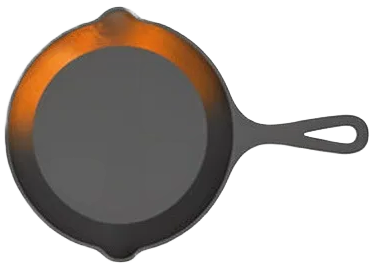
How Do You Pick a Cast Iron Skillet That Lasts Forever?
Choosing a new or vintage cast iron piece can feel overwhelming, and picking the wrong one can lead to a lifetime of frustration with sticking and rust instead of a perfect patina. Getting this first decision right saves you from years of headaches and sets you up for success from the very first cook.
This guide will give you the clear, practical advice you need. You will learn:
- Where to actually find great cast iron, from thrift store bargains to new premium brands.
- What to look for in any skillet or Dutch oven, including weight, finish, and that all-important cooking surface.
- How to decode markings and identify major manufacturers, so you know exactly what you’re buying.
Why Cast Iron is a Lifelong Kitchen Investment
You hear it all the time: cast iron lasts forever. While that’s often true, the real value is in how it performs for you, year after year. A well-maintained piece doesn’t just sit in a cabinet, it becomes a reliable partner for your cooking.
Think of the seasoning on a raw cast iron pan like a custom, non-stick finish you build and repair yourself. With enameled cast iron, that colored coating is glass fused to the metal at the factory. Both are fantastic, but your relationship with them is different.
With raw cast iron, maintenance is an ongoing, simple ritual of cleaning, drying, and occasionally applying a thin layer of oil. If the surface gets scratched or dull, you just re-season it. My favorite daily skillet is covered in a patchwork of my own seasoning layers, each one telling a story of a hundred meals. With enameled cast iron, you must avoid metal utensils and dramatic temperature shocks to prevent chips in that irreparable glass coating. For many, the worry-free, repairable nature of raw iron wins out.
Let’s tackle two big myths head-on. Yes, cast iron is heavy. That heft is what provides unbeatable, even heat retention. You’re not tossing it like a chef in a commercial kitchen, you’re letting it sit steady on your burner to sear a steak perfectly. And no, you don’t avoid soap. Modern dish soaps are mild and won’t harm your seasoning. A quick scrub, a thorough dry, and you’re done.
I still remember my first “real” find at a flea market: a dusty, rust-spotted Wagner skillet from the 1930s. It felt like a brick. But after a weekend of scrubbing and seasoning, it revealed itself as the most beautifully smooth cooking surface I owned. That pan taught me that the value isn’t just in the iron, it’s in the care you put into it.
How to Choose the Right Type and Size for Your Kitchen
Buying cast iron pans starts with knowing what you’ll actually use. Every piece has a purpose, and starting with the right one makes all the difference.
Here are the core types you’ll encounter:
- Skillets & Frying Pans: Your absolute essential. Use them for searing, frying, baking cornbread, and everything in between.
- Dutch Ovens: These heavy pots with lids are for braising, stewing, baking bread, and deep frying. They are incredible heat retainers.
- Griddles & Grill Pans: Flat surfaces for pancakes, grilled cheese, or bacon. Grill pans have ridges for searing marks.
- Specialty Pieces: This includes cornbread molds, cake pans, and waffle irons. These are often second purchases for enthusiasts.
For your first skillet, think about how many you usually cook for. A 10-inch skillet is the undisputed workhorse for most kitchens. It’s large enough to cook a family-sized portion of chicken or a big frittata, but not so huge that it’s cumbersome to store or handle. An 8-inch is perfect for a single serving or a side dish. A 12-inch is ideal for bigger batches or if you regularly cook for a crowd.
When buying a cast iron skillet, pay close attention to the handle design, as it’s critical for safety and comfort. The main handle should feel secure in your grip. Many larger skillets (12-inch and up) feature a small “helper handle” opposite the main one. This isn’t just a nice-to-have; it’s a must for safely moving a heavy, hot, full pan. Also, look at the underside of the handle. Some are smooth, while older or some modern brands have a noticeable ridge or heat ring. A ridged handle can provide a more secure grip, especially with a towel.
Your choice ultimately comes down to your stovetop, your oven, and your own strength. The best pan is the one you’ll use confidently and often.
Where to Buy Cast Iron: New, Vintage, and Unusual Places
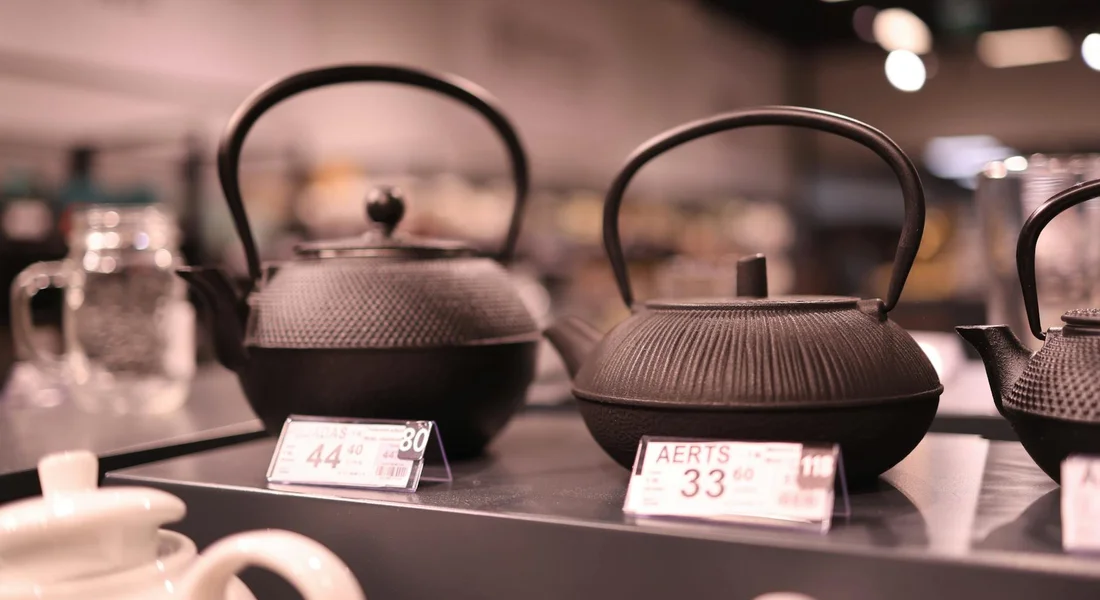
You have two main paths: buying a new, ready-to-use pan or hunting for a vintage piece with history. New iron is predictable and convenient, found in most department stores, kitchen shops, and online. Vintage hunting is a treasure hunt; you’re looking for a piece with a story and often, a superior surface.
For new cast iron, major retailers like Walmart reliably carry Lodge, the most common American brand. Stores like Target, Cabela’s, and even Publix (often with seasonal cookware items) are also good bets. Buying online from a brand’s website or major retailer is straightforward. Yes, you can absolutely buy cast iron pans in California, or anywhere else; it’s sold nationwide without restriction.
Finding vintage iron requires a different approach. My best pieces came from flea markets, estate sales, and online auctions. Here is my practical advice for hunting:
- Bring a small flashlight to inspect for hairline cracks and pitting in dimly lit barns or garages.
- Run your fingers over the cooking surface. You’re feeling for a smooth, machined finish, not deep rust pits.
- Place the pan on a flat, level surface (like a concrete floor) and gently press the rim to check for a tell-tale wobble from warping.
- On auction sites like eBay, scrutinize every photo. Ask the seller direct questions about warping, cracks, and pitting if the photos are unclear.
The Allure and Assessment of Vintage Cast Iron
Vintage pieces from foundries like Griswold, Wagner, and early Lodge are coveted for their glass-smooth cooking surfaces, a result of meticulous machining that is less common in modern mass production. Holding a century-old skillet is a tangible link to cooking history.
Identifying a piece starts with looking at the bottom. You want to find a foundry mark (like the Griswold logo), a pattern number (e.g., “No. 8”), and sometimes a heat ring-a raised circle on the bottom. These markings help authenticate the piece and give it a story, but a smooth cooking surface is the true prize.
While rare, reproductions or fake branded pieces exist. A brand-new “vintage” skillet with overly crisp, deep markings sold for a too-good-to-be-true price is a red flag. Authentic vintage iron shows natural wear on its markings and has a certain heft and proportion that fakes often get wrong. Even if you fall for one, it’s good to know how to spot these fakes.
Evaluating New Cast Iron Brands and Finishes
Modern cast iron is almost always “pre-seasoned,” meaning it has a thin factory-applied layer of oil baked on. This isn’t a finished, durable seasoning; it’s a protective coat for the shelf and a starting point for you. Even pre-seasoned cookware benefits from an extra layer of seasoning.
The biggest difference between budget and premium new pans is surface texture. Inexpensive pans often have a pebbled, textured finish from the sand-casting mold. Premium brands machine or polish the cooking surface smooth. When people say a pan is “hard to season,” they usually mean the oil struggles to polymerize evenly on an overly rough, pebbled surface. A smoother surface allows for a thinner, more even initial seasoning layer.
You don’t need the most expensive pan. A standard Lodge is wonderfully durable and will become smooth with use and proper seasoning over time. A machined skillet simply starts you closer to that glassy finish.
The Hands-On Test: How to Inspect Any Piece Before You Buy
Never buy a piece of cast iron, new or old, without giving it this quick hands-on inspection. It takes 60 seconds and can save you from a flawed pan.
- Look for Cracks: Hold it up to bright light. Examine the rim, handle base, and especially the cooking surface for thin, spider-web lines. A crack is a dealbreaker; it cannot be fixed.
- Test for Warping: Place the pan on a perfectly flat, hard surface like a glass table or store counter. Press down on the rim and give it a gentle spin. If it rocks or wobbles, the pan is warped and will not heat evenly.
- Assess the Rust and Pitting: Surface rust is orange, dusty, and superficial. It wipes off with a finger. Deep pitting looks like small craters or moonscape texture. Surface rust is an easy fix; deep pitting requires significant restoration work to fill.
- Check the Details: Ensure the helper handle (if it has one) is secure. For a Dutch oven, bring the lid (or a known-flat object) to check for a good fit. The bail handle on a camp oven should swing freely.
What to Do With a New Pan Right After Purchase
Even a pre-seasoned pan benefits from one initial seasoning layer in your own oven. This bonds a fresh layer of seasoning to the metal and washes away any warehouse dust, ensuring the factory coating’s durability against rust.
Here is the simple process I use for every new piece:
- Wash the pan with warm, soapy water and a soft sponge to remove any factory residue. Dry it completely with a towel.
- Apply a microscopic layer of a high-smoke-point oil (like crisco, grapeseed, or canola) to the entire pan, inside and out.
- This is the critical step: take a fresh, clean paper towel and wipe the pan as if you made a mistake and are trying to remove all the oil. What remains is the perfect, thin layer for polymerization.
- Place the pan upside-down in a cold oven, bake at 450°F for one hour, and let it cool in the oven. This bakes the oil into a hard, slick seasoning layer.
Common Cast Iron Buying Mistakes and How to Avoid Them

Even with the best intentions, it’s easy to make a costly error when choosing cast iron. I’ve bought pieces I later regretted and learned from each one. Let’s walk through the most common pitfalls so you can shop with confidence.
Buying for Looks Over Function
A shiny, black seasoning or a crisp logo can be tempting. But a beautiful pan that doesn’t cook evenly is just a decorative weight. The most critical thing to check for is warping.
Place the pan on a flat, hard surface like a glass stovetop or a marble counter. Gently press on opposite sides and listen. A perfectly flat pan sits silent. A warped one will rock or spin with a telltale click-clack sound.
A pan that spins easily will have hot spots and poor oil distribution, making it a chore to cook with and season properly.
Also, run your fingers along the cooking surface. It should be relatively smooth. Deep pitting or a pronounced, sandy texture from the casting process can make food stick, no matter how well you season it.
Overpaying for a Common Vintage Piece with Major Flaws
Not all old cast iron is valuable. While a rare Griswold or Wagner in perfect condition commands a high price, common brands with damage do not. Knowing how to identify and date vintage cast iron can help you be more savvy when buying or selling.
Before you pay a premium for “vintage,” inspect it like a restorer. Look for these deal-breakers:
- Cracks or Hairlines: These are fatal flaws. A cracked pan cannot be repaired and will eventually split.
- Deep Pitting on the Cooking Surface: A few small pits are okay. A surface that looks like the moon will never be non-stick.
- Severe Warping: As mentioned, a spinner is a user, not a collector’s item.
- Repaired Handles: A wobbly, re-welded handle is a safety hazard.
A common #8 skillet with a crack isn’t a treasure; it’s scrap iron with a famous name.
Here’s a simple comparison to keep in mind:
| Flaw | Likely Impact | Should You Buy? |
|---|---|---|
| Light Surface Rust | Easily removed | Yes, if priced fairly. |
| Warping (Spins) | Poor cooking performance | Only if it’s practically free. |
| A Visible Crack | Pan will eventually fail | No. Walk away. |
Assuming Heavy Rust Means It’s Ruined
This mistake makes me rescue so many great pans. Rust is iron oxide. It’s a sign of neglect, not a death sentence. Unless the rust has eaten completely through the metal (which is rare), you can almost always save it.
I have a Dutch oven I found under a porch. It was a solid orange lump. After a few days in a lye bath and some scrubbing, it was bare, beautiful iron, ready for a new seasoning life.
Surface rust is a cosmetic issue, not a structural one, and it is completely removable with the right process.
Flaky, heavy rust needs a more aggressive approach than just steel wool. You’ll likely need a chemical strip (like a lye bath or electrolysis tank) to get down to bare metal. Factor that extra work into the price you’re willing to pay. A rusty pan should be very cheap.
Buying a Set When You Only Need One or Two Key Pieces
Boxed sets are marketed for convenience, not utility. You often get pieces you’ll never use, like tiny specialty skillets or a shallow chicken fryer that doesn’t suit your cooking style.
Cast iron is heavy and requires storage space. A closet full of unused iron is a burden.
Instead, build your collection slowly based on what you actually cook. For most people, the perfect start is:
- A 10-inch or 12-inch skillet (your daily workhorse).
- A 5-quart or 7-quart Dutch oven (for braising, baking, and deep frying).
Invest in the single, perfect piece you’ll use weekly, not a box of pieces that will gather dust.
Add a griddle, a grill pan, or a smaller skillet only after you know you need it. Your wallet and your cabinet space will thank you.
Not Having a Restoration Plan Before Buying a Project Piece
Seeing a cheap, crusty pan at a flea market is exciting. The fantasy of bringing it back to life is powerful. But without a plan, that project can sit in your garage for a year, becoming a source of guilt.
Before you hand over cash for a restoration project, ask yourself these questions:
- Do I have a safe, well-ventilated space to work (garage, outdoor area)?
- Do I have the supplies for stripping (lye, vinegar, electrolysis tank materials, heavy-duty gloves, goggles)?
- Do I have the time and patience for the multi-day seasoning process?
Buying a project pan without the means to restore it is just deferred disappointment.
If you’re new to restoration, start with a piece that only has light rust or old seasoning. Tackle the thick, hundred-year-old crud projects only after you’ve successfully restored a simpler piece. Know your process before you buy the problem.
Common Questions
I made a mistake and my seasoning is sticky or patchy. How do I fix it?
Sticky seasoning means you used too much oil. Scrub the pan with coarse salt and a dry brush to remove the gumminess. Then, heat it on the stovetop until it smokes lightly to polymerize the remaining thin layer properly.
When I find two good vintage skillets, how do I choose the best one?
Always prioritize the cooking surface. The smoother, more even, and free of pitting it is, the better it will perform. Second, ensure the handle is solid with no cracks at the base and that the pan sits flat without wobbling.
I see a lot of conflicting care advice online. What’s the one rule I should always follow?
Your own results are the ultimate guide. Master the foundational ritual: clean it while warm, dry it thoroughly, and apply a microscopically thin coat of oil after use. If your pan performs well and doesn’t rust, your method is correct.
Choosing and Cherishing Your Cast Iron
When you pick out a new piece, always check for a smooth, flaw-free cooking surface and feel its weight for solid, even construction. That careful selection is the first step toward a lifetime of dependable cooking and easy seasoning. With the right pan in your kitchen, learning the rhythms of regular oiling and gentle cleaning becomes a simple, rewarding habit.
Sources and Additional Information
- The Truth About Cast Iron Pans: 7 Myths That Need To Go Away
- Your Cast-Iron Skillet Can (and Should!) Last Forever-Here’s How to Care for It
- 15 Myths About Cast Iron Skillets, Debunked – Chowhound
- How to Spot High-Quality Cast Iron Cookware
- Classic Cast Iron Skillet | Shop All Sizes Online | Lodge Cast Iron
Joseph Gerald
A material science expert by profession, Joseph is also an avid cook. He combines his 10+ years expertise in material science and metallurgy with his passion for cast iron cookware to bring you best hands on advice. His expertise ranges from types of cast iron cookware to best seasoning tips as well as restoration of vintage cast iron utensils. Joe is here to help you solve all your cast iron cookware queries and questions.