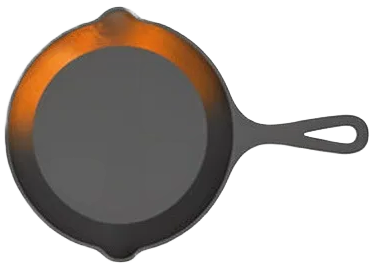
How Do You Fix and Prevent Rust on Cast Iron?
Opening your cabinet to find a rusty cast iron skillet can be a real gut punch. I’ve been there with my own pieces, and I can tell you that rust is almost always reversible with a straightforward process.
This guide will cover everything I do in my own kitchen to tackle rust, from assessment to prevention. You’ll get clear advice on:
- Identifying harmless surface rust versus deep damage
- Removing rust completely without harsh chemicals
- Rebuilding a strong seasoning layer after cleaning
- Simple storage and drying habits that prevent rust for good
Key Takeaways: Your Rust Action Plan
Before we get into the details, here is your quick reference guide for dealing with rust.
- Your pan’s seasoning is a protective, non-stick layer. Rust forms when that layer is compromised and bare iron is exposed.
- Never, ever soak your cast iron cookware in water. It’s the fastest way to invite rust.
- Drying your pan completely after every single use is non-negotiable. Towel drying is not enough.
- Fixing light surface rust is a straightforward process of scrubbing and re-seasoning. You are not ruining your pan.
Seeing rust can be unsettling, but repairing it is almost always simpler than you imagine.
Why Does Cast Iron Rust? (It’s Just Chemistry)
Rust is not a sign you’ve failed. It’s just science. The metal in your pan wants to react with oxygen in the air. This is called oxidation.
Water acts as a catalyst, speeding up that reaction. The result is iron oxide, which we call rust.
Your Seasoning is the Force Field
Think of a well-seasoned pan like a car with a perfect paint job. The paint seals the metal body from rain and air. On your cast iron, the seasoning is that paint. This is why seasoning matters. It protects the pan from rust and helps foods release more easily.
Seasoning is a layer of polymerized oil. When you heat oil past its smoke point, it bonds to the iron and transforms into a hard, slick coating. This coating seals the porous iron surface from moisture and air.
A small scratch or thin spot in your seasoning is like a chip in your car’s paint; it’s the spot where rust will begin if moisture gets in.
How the Force Field Gets Breached
Rust doesn’t appear out of nowhere. It needs an entry point. Here are the most common ways your seasoning protection fails:
- Prolonged Moisture: Leaving the pan wet in the sink or storing it with any dampness.
- Improper Drying: Relying only on a towel, which leaves microscopic water in the pores of the iron.
- Acidic Foods: Cooking tomatoes, wine, or vinegar in a new or thin seasoning can weaken the polymerized layer over time.
- Abrasive Cleaning: Using steel wool or harsh scouring pads on a regular basis can scrub the seasoning right off.
In my workshop, I see more rust from air-drying pans on a dish rack than from any other single cause. The iron is literally wet and exposed to air, which is the exact recipe for rust we just described.
How to Fix a Rusty Cast Iron Pan: A Step-by-Step Guide

Finding rust on your favorite skillet can feel like a setback, but think of it as a chance for renewal. This is a restorative process, not a punishment. With the right approach, you can bring your pan back to its former glory, often with a better finish than before. For heavy rust removal with tools like wire brushes or drills, always wear safety glasses and sturdy gloves to protect yourself. Remember, there are proven techniques for removing rust from cast iron cookware.
Step 1: Assess the Rust Damage
First, take a close look. Light surface rust looks like a dusty or speckled orange film you can often wipe with a finger. Heavy rust is crusty, flaky, and feels rough or pitted to the touch. I have a campfire skillet that sat outside one season and developed the rough, textured kind.
Both types are completely fixable, but knowing what you’re dealing with tells you which cleaning method to start with. Light rust needs a gentle scrub, while heavy rust requires a more involved soak.
Step 2: Remove the Rust (Choose Your Method)
Always start with the gentlest method that will work. This preserves the iron’s surface. Jumping straight to aggressive tools is rarely necessary.
For Light Surface Rust: The Gentle Scrub
You have a few great options here. My go-to is making a thick paste with coarse kosher salt and a little vegetable oil. The salt acts as a gentle abrasive. Scrub the paste all over the rusty areas with a paper towel or cloth. A chainmail scrubber or a blue non-scratch scouring pad also works perfectly for this light job.
The goal is to scrub until you see the uniform gray or black of the bare metal, not just until the orange color is gone. You might see some darkened residue, which is fine. Rinse the pan with warm water after scrubbing.
For Stubborn or Heavy Rust: The Vinegar Bath
When a simple scrub won’t cut it, a diluted white vinegar bath is your best friend. In a tub or your sink, mix one part white vinegar with one part water. Submerge the pan completely. Set a timer.
This is critical: never soak the pan for more than 30 minutes at a time. Vinegar is acidic and can start to etch or pit the iron itself if left too long. After 30 minutes, take the pan out and scrub it vigorously with steel wool or a stiff brush. You’ll see the rust slough off. Rinse it well. If rust remains, you can repeat the cycle with a fresh vinegar solution. This raises a common question: does vinegar damage cast iron, and is cleaning with it safe in the long run? We’ll explore safe usage and practical alternatives to protect your pan.
Step 3: Dry and Season Immediately
This is the most important step. Bare iron can develop flash rust in minutes. Dry your pan with a towel, then place it on a stovetop burner over medium heat. Let it warm up for 3-5 minutes until every part is completely dry and warm to the touch. This heat drives off all hidden moisture.
While the pan is still warm, apply a very thin layer of your chosen seasoning oil to the entire surface, inside and out. From a chemistry perspective, seasoning relies on the oil’s polymerization during curing to form a durable, non-stick film. This thin coat protects the metal. Now, you must cure that oil onto the pan through seasoning. This process polymerizes the oil, creating your new, rust-proof surface.
Bringing Your Pan Back: The Re-Seasoning Process
After rust removal, your pan is in a raw state. The old seasoning is gone. Think of this as a clean slate, a chance to build a strong, fresh foundation from scratch.
The Oven Method for a Complete Reset
For a newly derusted pan, the oven method is best. It heats the entire piece evenly, including the handle and bottom, ensuring full protection. Here is the simple process:
- Preheat your oven to 450°F (232°C).
- With your warm, dry pan, apply a tiny amount of oil (like canola, grapeseed, or flaxseed) and rub it over every surface.
- Take a fresh, clean paper towel and vigorously wipe the pan again, as if you’re trying to remove all the oil. What remains is the perfect, microscopically thin layer.
- Place the pan upside-down on the middle rack of your oven. A sheet of foil on the bottom rack can catch any rare drips.
- Bake for 60 minutes, then turn the oven off and let the pan cool completely inside.
That “wiped-away” layer is the secret to a smooth, hard finish instead of a sticky or tacky one. For a pan that just had rust, I always do at least two of these oven cycles back-to-back to build a durable base layer.
Can You Use the Stovetop Method?
The stovetop method is fantastic for quick maintenance or adding a layer after cooking. You heat the pan on the burner, apply a thin coat of oil, and let it smoke until it stops. It’s fast and effective.
For restoring a rusty pan, the oven method is more thorough because it protects the entire piece of iron uniformly. The stovetop method primarily heats the cooking surface, leaving the sides, handle, and bottom less protected and more vulnerable to future rust. Starting with the oven gives your restored pan its best chance for a long, rust-free life.
How Do You Keep Cast Iron Pans From Rusting? (Daily Habits)

Fixing rust is reactive work. Preventing it is proactive peace of mind. The best way to keep cast iron from rusting is to build simple, consistent habits right after you cook. Identify rust early to stop it fast. Prevent it from spreading and remove it from cast iron when needed.
Think of your pan’s seasoning as a protective coat of paint. Water is the enemy of that finish. Your daily routine is all about managing moisture.
Cleaning and Drying: The Golden Rules
The single most important rule is this: never let your cast iron soak in water. Soaking is an open invitation for rust to start forming.
Instead, clean your pan while it’s still warm. Use hot water and a stiff brush or scrubber. For stuck-on bits, a little coarse salt makes a great abrasive. A drop of mild dish soap is perfectly fine if you need it.
Drying is where most mistakes happen. Towel-drying leaves microscopic water in the pan’s pores. Air-drying gives that moisture all the time it needs to attack the iron.
The most reliable method is to dry your pan with heat.
After rinsing, place your clean pan on a stovetop burner over low to medium heat. Let it warm for 2-3 minutes until all traces of water evaporate. You’ll see the pan go from wet, to steamy, to completely dry. This heat drives moisture out of the metal itself, leaving a truly dry surface. I do this with my daily driver skillet every single time I wash it.
The Light Oil Wipe: Your Final Defense
Once your pan is heat-dried and has cooled slightly, add one more protective step. Apply a tiny amount of oil. We’re talking less than half a teaspoon for a large skillet.
Use a paper towel to spread the oil over the entire cooking surface, inside and out. Then, take a fresh, clean paper towel and wipe it all out.
The goal is to leave a microscopic, almost invisible layer of oil, not a glossy coat.
A good way to think of it is to wipe the oil out like you made a mistake putting any in. This ultra-thin layer fills the microscopic pores in the iron and seasoning, sealing it from humid air. This step is especially valuable if you won’t be using the pan again for a few days.
Long-Term Storage: How to Keep Cast Iron from Rusting for Months
Storing cast iron in a cabinet, RV, or seasonal cabin presents a different challenge. Humidity and temperature swings can attack even a well-seasoned pan over months of inactivity, so it’s important to store cast iron properly to ensure its longevity.
Proper storage prep is non-negotiable. Your pan must be perfectly clean, completely heat-dried, and have that final light oil wipe applied. Any food residue or moisture left behind will cause problems.
For extra security, place a folded paper towel inside the pan before you put it away.
This paper towel acts as a moisture wick, absorbing any ambient humidity before it can reach the iron.
Choose a storage spot that is dry and has some air circulation. Avoid sealing your cast iron in an airtight plastic container or a tightly closed cupboard. Trapped, stagnant air can become humid and cause rust, defeating the purpose. To prevent rust damage, store cast iron cookware properly. This simple step helps preserve seasoning and extend its life.
For my own collection, I store lesser-used pieces in a cupboard with the lids off and a paper towel inside. I check on them every few months. A quick visual inspection and a sniff test tell me if the environment is still dry and safe.
Common Questions
What if I see flash rust while cleaning my pan?
Flash rust-a light, dusty orange bloom that appears on bare metal as it dries-is common and not a problem. If you’ve just stripped a pan, identify flash rust early and follow preventive steps to keep it from returning. A quick post-strip check makes future rust less likely. It will scrub off easily with your scouring pad or chainmail scrubber under running water. Immediately dry the pan thoroughly with heat and apply a thin coat of oil to seal the surface.
When is a rusty pan too damaged to save?
A pan is only truly lost if the iron is deeply pitted or structurally compromised, like having a hole rusted through. Surface rust, even if it looks severe, is almost always removable. If the metal feels smooth and solid after rust removal, it is perfectly sound for re-seasoning and decades of continued use.
Will my pan’s seasoning be as good after fixing rust?
Yes, often better. Starting from bare, clean iron allows you to build a fresh, even seasoning foundation. The key is applying multiple thin, baked-on layers of oil after rust removal. This new polymerized layer will be strong and non-stick, fully restoring your pan’s performance.
A Rust-Free Future for Your Cast Iron
The single best thing you can do to prevent rust is to use your skillet regularly. When you do wash it, heat it on the stovetop until it’s completely, utterly dry, every single time. For more on maintaining that protective layer, our guides on deep cleaning and seasoning restoration build perfectly on this foundation.
Relevant Resources for Further Exploration
- How to Restore and Season a Rusty Cast Iron Skillet – Lodge Cast Iron
- How to Remove Rust From Cast Iron (Step-by-Step with Photos) | The Kitchn
- How to Fix Your Rusty Cast Iron – Southern Cast Iron
- How to Restore Rusty and Damaged Cast Iron Skillets and Cookware
- r/Cooking on Reddit: I have a rust-spotted, unused cast iron skillet. I’ve read online about how to season and it was a little complicated. Like, I just decided not to deal for worry of doing it wrong. Then I saw my friend season hers. It seemed easy. Can somebody give me the easy version? Also, what about this rust?
Joseph Gerald
A material science expert by profession, Joseph is also an avid cook. He combines his 10+ years expertise in material science and metallurgy with his passion for cast iron cookware to bring you best hands on advice. His expertise ranges from types of cast iron cookware to best seasoning tips as well as restoration of vintage cast iron utensils. Joe is here to help you solve all your cast iron cookware queries and questions.