How Do You Store Cast Iron Without Hurting It?
You’ve just spent time seasoning your skillet to perfection, and now you need to put it away. Proper storage is what protects that hard-earned seasoning from moisture, rust, and damage between uses.
This guide covers the simple steps to keep your cookware safe. We will look at:
- The best spots in your kitchen to keep pans.
- How to stop moisture from causing rust.
- A safe way to stack pans without scratching.
- How temperature changes can affect your iron.
| Method | Best For | Key Consideration |
|---|---|---|
| Stacking with Paper Towels | Limited Cabinet Space | Prevents metal-on-metal scratches; change towels if humid. |
| Hanging on a Wall or Rack | Display & Easy Access | Ensures maximum air flow; requires secure mounting. |
| Individual Slots on a Shelf | Large Collections | Prevents all contact and weight stress; uses more space. |
| In a Sealed Container with Desiccant | Long-Term/High Humidity Storage | Absolute rust protection for off-season or camping gear. |
The Essential First Step: How Do You Prep Cast Iron for Storage?
Think of getting a pan ready for the cabinet as the final step in cleaning it. It’s not a separate chore. The goal is to put it away in a state that actively fights rust until you need it next.
There are three non-negotiable steps: clean it, dry it completely, and apply a microscopic coat of oil. Miss one, and you might be dealing with rust later.
Drying completely is the step people often get wrong. Towel drying is not enough. Cast iron is porous, and water hides in its microscopic texture. After you towel it off, place the pan on a low stovetop burner for 2-3 minutes. This heat evaporates every last bit of moisture. I do this with every pan, every time, and it’s the single best habit I’ve adopted.
Once the pan is dry and slightly warm, apply your final oil wipe. Use less oil than you think. A few drops on a paper towel is plenty. Wipe the entire cooking surface, inside and out. Then, take a clean, dry paper towel and buff aggressively. You want the surface to look and feel dry to the touch, not glossy or slick. This thin layer is what protects the iron.
If you’ve ever read “lightly oil the cast iron” and wondered what that meant, this buffing-until-dry technique is your answer. It leaves just enough oil to seal the metal without turning sticky or rancid.
What’s the Best Environment for Storing Cast Iron?
Your storage enemy is moisture, not cold. Rust needs water to form, so your focus should be on finding a dry spot.
Many people ask, “Can cast iron go in the fridge?” Technically, yes, but I don’t recommend it. The fridge is a humid box that promotes condensation. Food acids can also interact with the seasoning if stored for long. If you must, let the pan cool completely after cooking, clean and dry it thoroughly on the stove, apply a thin oil coat, and only then put it in the fridge. Take it out as soon as you’re done with the leftovers.
A good storage temperature is simply a stable room temperature. The problem with places like attics, garages, or under-sink cabinets is the wild temperature swings. When warm, humid air hits a cold pan, it creates condensation, which is just invisible water sitting on your seasoning. A dry kitchen cabinet away from the steam of the dishwasher or stove is perfect. A pantry or a wall rack in a climate-controlled room works great too.
Special Case: Storage Ideas for Humid Weather
If you live where the air feels thick, you need extra tactics. Your seasoning is more vulnerable to dulling or speckling with rust.
My first suggestion is to use silica gel desiccant packs. You can toss a few in the back of your cast iron cabinet or even store a pan inside a large zip-top bag with a pack. These packs silently absorb ambient moisture.
Check your stored pans more often, maybe once a month. Look for any loss of sheen or tiny rust specks. Catching it early makes for an easy fix with a quick scrub and re-oil.
In high humidity, avoid stacking pans directly, even with paper towels. The towels can trap dampness between the pieces. If you must stack, use something more absorbent like felt pan protectors or even a sheet of plain cardboard, and check them regularly.
Which Storage Solution Fits Your Kitchen Space?
Storing your cast iron isn’t just about putting it away. It’s about choosing the right tool for your kitchen’s unique layout and your own habits. The best method protects your seasoning and keeps your pans ready for action. Proper storage also prevents rust damage and preserves your seasoning. I’ll walk you through the best ways to store cast iron properly to keep it in peak condition. I’ve tried them all in my own small kitchen and workshop, and each has clear pros and cons.
Storage Solutions for Small Kitchens
When counter and cabinet space is precious, you need to get creative. Stacking is the most common solution, but doing it wrong can scratch your hard-earned seasoning.
Always place a soft barrier between pans. A clean paper towel, a flour sack cloth, or a felt furniture pad works perfectly. This simple step prevents metal-on-metal contact that can mar the surface.
Offset the handles when you nest pans together; this creates a more stable stack and prevents them from sliding around. For a more organized approach, consider a dedicated cast iron storage rack or tower. These fit inside a standard cabinet and let you store pans vertically on their edges, like files in a drawer. It uses the often-wasted vertical space and lets you grab the 10-inch skillet without moving the Dutch oven.
Storage Solutions with Ample Space
If you have the room, displaying and storing your cast iron can be a joy. Hanging your pans from a ceiling-mounted pot rack or wall-mounted hooks is my favorite method for everyday pieces. It keeps them completely dry, shows off their character, and turns them into kitchen art.
Using a dedicated cast iron storage cabinet or a sturdy open shelf is another excellent option. This is how I store my less-frequently used pieces, like specialty cornbread molds. Just ensure the shelf can handle the immense weight.
Don’t forget about lids. Store them separately on a lid holder rack or a small hook on the side of your shelf. This maximizes space and stops them from banging around and chipping.
Alternative Storage: For Camping or Long-Term
Many folks ask me about cast iron storage for camping. The goal here is protection from knocks, dirt, and moisture during transport. A heavy-duty cast iron storage bag or a padded cast iron storage box is the answer. They cushion your pans and keep the rest of your gear clean.
Before sealing any pan away for a long trip or the off-season, it must be bone dry and have a flawless, freshly applied layer of seasoning. Any hint of moisture or a weak spot in the seasoning will lead to rust when sealed up. This same cast iron storage box is perfect for keeping your holiday-themed pans safe and ready for next year.
How Do You Handle Long-Term or Seasonal Storage?
This isn’t everyday storage. Think of long-term storage as putting your pan into a deep sleep. You want to wake it up months later in the same condition. For this, a single quick wipe of oil isn’t enough.
I always give my skillets a full, deliberate oven seasoning cycle before they go into the attic or basement. This bakes on a robust, protective layer that can sit undisturbed. Place the pan upside down on the shelf or rack. This simple trick keeps dust from settling on the precious cooking surface.
Set a calendar reminder to check on your stored pans every three to four months. It takes two minutes and gives you immense peace of mind.
What Should You Look for During a Storage Check?
When you check your pans, look closely at the cooking surface and the underside. You’re scanning for dull, grey patches or tiny reddish speckles. These are signs of early surface rust. If you spot rust on a pan you use regularly, don’t panic—re-season it and keep using it. A quick scrub, light oil, and fresh seasoning will restore the finish so you can continue cooking as usual.
Finding a little rust isn’t a failure. It’s a normal part of cast iron ownership and is very easy to fix. A quick scrub with a paste of coarse salt and water or a mild abrasive will take it right off. Follow that with a light re-oiling, and you’re back in business. Want to push beyond the basics and restore it to like-new condition? Removing rust from cast iron and seasoning properly can get you there.
How badly does cast iron rust? Left in a damp garage, it can rust heavily, but that’s neglect. A well-seasoned pan in proper storage might only ever develop light surface rust, which is a minor, five-minute correction. The seasoning is your shield, and proper storage is its sheath.
Special Scenarios: Storing Food, Fridge to Oven, and Freezing
Your everyday storage is handled. Now let’s tackle those specific, nagging questions about what to do with your pan after you’ve finished cooking. Can you just pop the whole thing in the fridge? The answers require a bit more nuance than a simple yes or no.
Can You Store Food in a Cast Iron Skillet?
The short, honest answer is you shouldn’t make a habit of it. I treat my well-seasoned pans like non-stick cookware, not like Tupperware. For long-term food storage, always transfer leftovers to a glass or ceramic container.
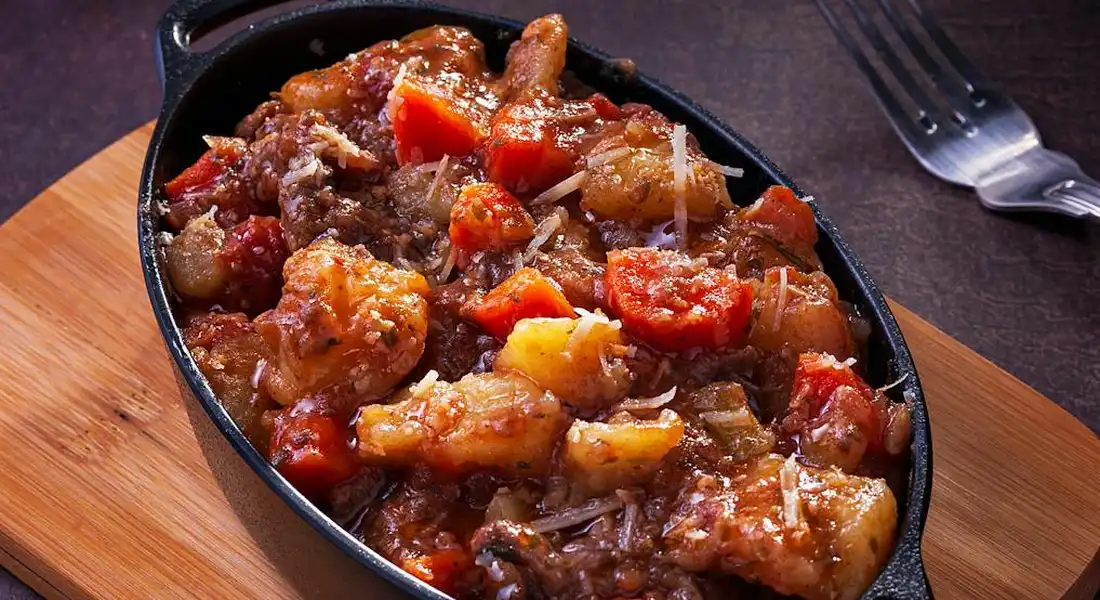
Here’s why. Cast iron seasoning is a polymerized oil layer, not an impermeable ceramic glaze. Prolonged contact, especially with acidic foods like tomato sauce or a wine-braised stew, can start to break that layer down. Even so, you can cook acidic dishes in cast iron without ruining the seasoning by limiting exposure—short simmer times help keep the layer intact. A quick re-season after cooking can restore any minor wear. Moisture from the food also sits against the iron, which is a direct invitation for rust to form, even in your fridge.
If you absolutely must store something in the pan for a few hours, follow these strict rules. First, the pan needs a near-perfect, glossy seasoning. Second, only do it for a very short time. Third, as soon as you empty it, wash, dry, and give it a quick oil rub immediately. Think of it as a temporary holding zone, not a storage solution.
Can Cast Iron Go From Fridge to Oven?
Yes, it physically can. Cast iron is incredibly resistant to thermal shock, unlike glass or ceramic. You won’t crack your pan by putting a cold one into a hot oven. I’ve done this in a pinch with my deep camp oven when reheating a casserole.
The real danger isn’t the pan cracking; it’s you grabbing a blistering hot handle you forgot was in the oven. Always, always use a thick, dry towel or a silicone handle cover the moment you take it out.
While it’s safe, it’s not always ideal for cooking. A pan straight from the fridge is very cold in the center. Plopping it into a hot oven can cause uneven cooking as the outside heats much faster than the chilled food inside. For best results, let it sit on the counter for 20-30 minutes first to take the deep chill off.
Can You Freeze Cast Iron?
Let’s clarify the question. Freezing an empty cast iron pan is pointless. The question is usually about freezing food *inside* the pan. My strong, seasoned advice is to avoid this altogether.
Your freezer is an aggressively dry environment that actively pulls moisture from surfaces, a process called freezer burn. Your seasoning layer is that surface. Freezing food in your cast iron unnecessarily risks drying out and damaging your hard-earned seasoning. It also guarantees a lengthy thawing process where moisture is pressed against the iron for hours.
If you are determined to do it, you must be militant. The pan must be perfectly seasoned. Let the food cool completely in the pan first to avoid steam. Then, wrap the entire pan incredibly tightly with multiple layers of heavy-duty aluminum foil to lock out air. Once thawed, remove the food, clean the pan gently, dry it thoroughly on the stovetop, and apply a thin coat of oil right away to rehab the surface.
Common Questions
Is a dedicated cast iron storage rack or tower worth the investment?
If you own more than three pieces, absolutely. A good rack organizes vertically, protects seasoning from scratches by preventing contact, and maximizes airflow in a cabinet. It turns a jumbled stack into an accessible, damage-free collection.
What’s the safest way to pack cast iron for camping or road trips?
Use a padded cast iron storage bag or box specifically designed for the weight. Ensure each pan is bone-dry and freshly oiled before packing to prevent rust from road trip humidity. Wrap smaller pieces in a towel inside the bag to stop them from clanging and chipping during transport.
Can I store my cast iron in a sealed container or bag all the time?
No, this is only for long-term or transport storage. Sealed containers lack airflow, which can trap residual moisture against the iron and promote rust. For daily kitchen storage, choose a method that allows air circulation, like a rack or open shelf.
Final Seasoning: A Routine of Care
Properly storing your cast iron is as simple as keeping it dry and giving it a light coat of protection. Make this your last step after every wash, and your cookware will be ready for decades of use. For more on building that protective layer, our guides on seasoning and restoring vintage pieces are your next logical step.
Further Reading & Sources
- Lodge Cast Iron | USA Made Cookware, Bakeware, Pans & More
- Cast Iron Skillets | Smooth Vintage-Style Cast Iron Cookware – Field Company
- Cast Iron Cookware: Skillets, Pans, Grills, Cleaning
- Shop – Appalachian Cast Iron
- Fredericksburg Cast Iron Co.
Joseph Gerald
A material science expert by profession, Joseph is also an avid cook. He combines his 10+ years expertise in material science and metallurgy with his passion for cast iron cookware to bring you best hands on advice. His expertise ranges from types of cast iron cookware to best seasoning tips as well as restoration of vintage cast iron utensils. Joe is here to help you solve all your cast iron cookware queries and questions.