Can You Cook Acidic Foods in Cast Iron? The Complete Guide
You’ve heard the warning: don’t let tomatoes or wine touch your prized skillet or you’ll ruin the seasoning. That old advice can make you nervous every time you make a simple pasta sauce. The reality is more forgiving-you absolutely can cook acidic foods in a well-seasoned cast iron pan.
This guide breaks down the science and gives you the practical steps to cook with confidence. We’ll cover:
- The simple chemistry of how acids interact with your pan’s seasoning layer.
- Smart cooking techniques that protect your pan while you cook your favorite dishes.
- What to do if you notice a metallic taste or dull patch on your cookware.
The Straight Answer on Cooking Tomatoes in Cast Iron
Yes, you can cook tomatoes in cast iron, but you need the right pan and the right technique.
This is one of the most common questions I get, right next to “are tomatoes bad for cast iron.” The worry is real, but the answer is simpler than you might think. It all comes down to the type of pan you have and the state of its protective layer, especially when considering cast iron cookware’s safety and health benefits.
First, let’s clear something up. We’re talking about two different materials.
- Bare Cast Iron: This is your classic, black, seasoned skillet. The seasoning is a layer of polymerized oil you’ve built up. Acid can interact with this layer.
- Enameled Cast Iron: This pan has a coating of glass fused to the iron. The cooking surface is completely non-reactive, so acid is never an issue for the pan itself.
For your bare cast iron skillet, the key is knowing when your seasoning is ready for the challenge.
When You Definitely Shouldn’t: Red Flags for Your Pan
Do not cook that tomato sauce tonight if your pan shows any of these signs.
- The seasoning looks thin, patchy, or light in color.
- You see spots of bare, grayish metal peeking through.
- The surface feels rough or grabby, not slick.
With a weak seasoning layer, the acid in tomatoes can start to break it down, potentially leaching a metallic taste into your food. It’s the last thing you want after spending time on a meal.
Think of your seasoning like a coat of paint on a wooden chair. A well-applied, cured coat is durable. A thin, spotty coat will chip and wear easily. Cooking acidic food in a weakly seasoned pan is like using a solvent on that fragile paint. Wait until you have that sturdy raincoat, not a threadbare jacket.
When It’s Perfectly Safe: The Green Light for Your Skillet
Your pan is ready for tomatoes when its seasoning is robust. Here’s what to look for.
- A dark, even black or bronze-colored cooking surface.
- A slick, almost glassy feel when you run a finger over it.
- No visible raw iron or rust.
Enameled cast iron gets an automatic green light. That glass coating is inert, so you can simmer tomato sauce for hours without a second thought.
My most-used 10-inch skillet has a deep black patina. I don’t hesitate to deglaze it with a splash of wine after searing a chop, or to cook down some cherry tomatoes for a five-minute pan sauce. A strong, well-maintained seasoning can handle short, hot encounters with acidic ingredients without trouble. The goal is to build your pan up to that level of confidence.
Why Tomato Sauce Can Be Tough on Your Seasoning
Tomatoes contain citric and malic acid. Over extended periods, these acids can break the bonds in your polymerized oil seasoning.
Imagine your perfect seasoning is several thin, hard layers of oil, baked on. Prolonged contact with a strong acid acts like a mild solvent. It doesn’t strip the pan bare in one go, but it can soften and weaken that top layer over time. This is the core of every “cast iron tomato sauce Reddit” debate.
A single, quick cook with tomatoes is rarely a disaster for a good pan, but making a habit of long simmers can set your maintenance schedule back. You might notice the surface feels a bit less slick afterward, telling you it’s time for a quick stovetop seasoning.
The Difference Between Quick Sautés and Long Simmers
Time and temperature are everything. Contrast these two scenarios.
- Quick Sauté (Lower Risk): Browning diced tomatoes with garlic and oil over medium-high heat for 5-10 minutes. The acidity doesn’t have much time to work, and the high heat helps keep the seasoning stable.
- Long Simmer (Higher Risk): Cooking a pot of marinara or a tomato-based braise for an hour or more on a low simmer. The lengthy, wet, acidic bath is the real test for your seasoning’s durability.
For long-cooked acidic dishes, an enameled Dutch oven is the ideal, worry-free tool. For your trusted skillet, stick to faster tomato applications.
What About Enameled Cast Iron?
Enameled cast iron is a glass coating. Glass is non-reactive, so acids in tomatoes, wine, or citrus cannot damage it.
The enamel itself is completely safe for acidic cooking, making these pots perfect for long-simmered sauces, stews, and braises. Your concern shifts from reactivity to protecting the enamel from physical damage. Use wooden or silicone utensils to prevent chipping, and avoid extreme thermal shock (like placing a hot pot in a cold sink).
How to Cook Acidic Foods in Cast Iron the Right Way
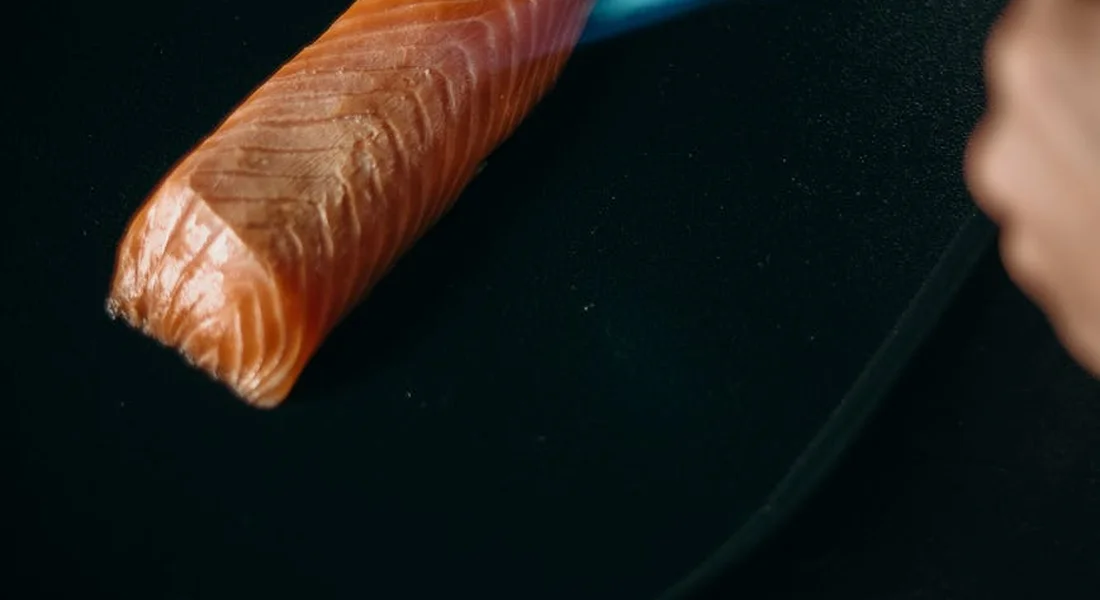
Think of cooking tomatoes, wine, or vinegar in your cast iron like taking your pan on a road trip. You wouldn’t just hop in the car and go. You check the oil, fill the tank, and plan your route. This is your pre-cook ritual. It applies whether you’re roasting cast iron tomatoes in the oven or simmering a rich cast iron tomato soup on the stovetop.
The goal is simple: protect the hard-earned seasoning you’ve built. This method forms a defensive strategy, not a restriction.
Required Materials & Tools
Gathering the right gear sets you up for success. You don’t need anything fancy.
- Your well-seasoned skillet
- High-smoke point cooking oil (avocado or grapeseed oil are my go-tos)
- A reliable heat source (stovetop or oven)
- A flexible metal spatula
Step 1: Pre-Heating and the “Water Test”
Never add cold food to a cold pan. Always pre-heat. Place your dry skillet on a burner set to medium-low. Let it warm up for a good 5 minutes. This allows the entire cooking surface to reach an even temperature.
This slow heating prevents hot spots and thermal shock. To check if your pan is ready and its seasoning is intact, use the water bead test. Flick a few drops of water onto the surface. If they skitter and dance around in little beads, your pan is properly hot and the seasoning is slick. If the water just sizzles and sits flat, give it another minute or two to heat.
A properly pre-heated pan with a good seasoning layer is your first and best defense against acidic ingredients.
Step 2: The Protective Fat Layer
Once your pan is hot, add your cooking oil. Swirl it to coat the entire cooking surface. You want a good, even layer. This isn’t the time to be shy with the oil.
This fat layer is the physical barrier. It sits between the reactive food and the iron of your pan, minimizing direct contact. Think of it like a raincoat for your seasoning. Let the oil get hot and shimmering before you add any food. That ensures it has polymerized slightly, creating a more stable shield.
Step 3: Managing Heat and Time
Acid needs time to work. Limiting that contact time is a powerful tactic. For dishes like a quick sauté of cherry tomatoes or a pan sauce with a splash of wine, just cook as you normally would and get the food out of the pan when it’s done.
For long-cooked dishes, I use a hybrid approach. If a recipe calls for simmering a tomato sauce for an hour, I’ll start it in a stainless steel or enameled pot. I only transfer it to my well-oiled, pre-heated cast iron for the final 15-20 minutes to finish and serve. This gives me that great cast iron sear and heat retention for the table without the prolonged acid bath.
The Non-Negotiable Clean-Up After Acidic Foods
This is where the game is won or lost. Your actions in the 10 minutes after cooking are more important than anything you did before. Yes, you can cook tomato sauce in a cast iron pan, but the mandatory cleanup is the key to keeping that pan in service for decades.
Don’t wait. The moment your food is plated, turn your attention back to the pan.
Don’t Let It Soak: The First Rule
This is non-negotiable. Never, ever leave tomato residue or any acidic food sitting in your cast iron. Not for 10 minutes. Not while you eat dinner. Clean it immediately to prevent damage.
Here’s why it’s so critical. Cook acidic foods correctly in cast iron. The acid in the food is now in direct contact with your pan. If you add water (soaking) or leave moist food in there, you create the perfect environment for the acid to break down the polymerized seasoning layer. This exposes the raw iron, which can then begin to rust. Immediate cleaning stops this chain reaction.
Gentle Cleaning Method
With the pan still warm (not scorching hot), take it to the sink. Use warm water and a soft brush, sponge, or even your fingers. For stubborn bits, a chainmail scrubber works wonders without harming the seasoning.
If you need it, a single drop of mild dish soap is perfectly fine. The old myth about soap harming seasoning is just that-a myth-as long as you’re using modern, gentle soaps. Scrub gently until all food particles are gone. You’re not sanding the pan; you’re wiping it clean.
Drying and the Always-Needed Oil Touch-Up
Rust cannot form without moisture. Your mission is to eliminate every trace of it. Towel-dry the pan thoroughly, then place it back on a warm stovetop burner over low heat for 2-3 minutes. This drives off any hidden water in the pores of the iron. To prevent rust on cast iron cookware, learn how to fix common rust issues.
While the pan is still warm from drying, apply a whisper-thin coat of the same high-smoke point oil you used for cooking. Use a paper towel to rub a tiny amount all over the interior surface, then use a clean towel to buff it like you’re trying to remove all the oil. You just want a microscopic protective layer.
This two-minute ritual of drying and oiling is how you thank your pan for a job well done and guarantee it’s ready for the next meal, acidic or not.
Common Mistakes and How to Sidestep Them
Let’s tackle some of the biggest worries head-on. Online searches for a “cast iron tomato sauce recipe” often lead to horror stories about ruined pans. The real issue usually isn’t the food itself, but the reaction it can cause in a pan that isn’t ready for it. I’m here to tell you those stories often miss the full picture. With the right approach, your pan will be just fine. It’s all about knowing how to cook sauces in cast iron.
Mistake: Assuming One Bad Cook Ruins Everything
You simmer a pot of tomato sauce for an hour. Afterwards, you notice a slightly metallic taste in the food and a dull, dry patch in your pan’s seasoning. It’s easy to think you’ve destroyed your hard work.
This is almost never true. That metallic taste is the acid briefly interacting with the bare iron, and the dull spot is simply a thin, weakened layer of seasoning. The great news is that a single round of stovetop or oven seasoning will typically seal that spot right back up and restore your pan’s non-stick surface.
I once got distracted while reducing a very acidic pan sauce. I came back to a skillet that looked stripped and felt rough. After a calm cleanup and one focused seasoning session with flaxseed oil, it was slicker than before the incident. Your pan is far more resilient than a single cooking session.
Mistake: Using High Acid Too Often on a New Pan
Think of your pan’s seasoning like the sole of a new leather boot. You wouldn’t run a marathon in them on the first day. You’d wear them for short walks to let the leather form to your foot. Your cast iron needs the same thoughtful break-in period.
A fresh or newly restored pan has a thin, fragile layer of polymerized oil. Bombarding it with frequent, long simmers of tomato sauce, wine-based braises, or lemon juice is asking for trouble. Build your foundation first by cooking fatty, neutral, or high-heat foods that actively strengthen the seasoning.
Focus on these types of cooks for the first dozen or so uses:
- Pan-frying potatoes or onions
- Searing meats
- Frying bacon or making cornbread
- Shallow frying (like chicken or fish)
This process builds a durable, dark patina. Once that base is established, your pan can handle occasional acidic dishes with much less fuss.
Mistake: Over-Scrubbing in a Panic After Cooking Tomatoes
You see some reddish residue or a bit of food sticking after cooking something acidic. The instinct is to grab the steel wool or harsh scrub pad and scour until it’s gone. Please resist this.
That aggressive scrubbing can strip away the good seasoning you’re trying to protect, making the problem worse. Gentle cleaning is almost always the correct response, as it preserves the healthy seasoning layers while removing the problematic food residue.
Instead of panicking, follow a simple, gentle routine:
- Let the pan cool slightly, then add warm water.
- Use a soft brush, sponge, or a dedicated chainmail scrubber for stuck bits. The chainmail is excellent because it scours food off without damaging the seasoning.
- For stubborn spots, use coarse salt as a mild abrasive with a paper towel.
- Dry immediately and thoroughly, then apply a whisper-thin layer of oil.
This method cleans the pan without setting back your seasoning progress, keeping it ready for the next meal.
Common Questions
Is it safe to make tomato soup in my seasoned cast iron skillet?
Yes, for a quick, hot preparation. For long simmers, use an enameled pot. Always follow with an immediate, gentle clean and a light oiling to protect your seasoning from prolonged acid exposure.
Can I roast tomatoes in the oven using my cast iron pan?
Absolutely. Oven-roasting at high heat for a limited time is one of the safer methods. Ensure your pan is well-seasoned, pre-heated, and coated with oil first to create a protective barrier during the cook.
I see a lot of debate on forums. Does one tomato sauce cook ruin my pan?
No. A single incident rarely causes permanent damage. You may notice a dull patch or slight metallic taste, indicating weakened seasoning. This is easily remedied with a single stovetop seasoning session to restore the surface.
Your Cast Iron, Your Tomatoes
Your single best move is to use a well-seasoned, preheated pan and keep acidic cooking sessions relatively brief. This approach lets you enjoy the benefits of cast iron for a wide range of dishes while protecting your hard-earned seasoning. A quick note on seasoning, oil, and mindful maintenance—these steps help you keep your cast iron performing at its best for years to come. For recipes that require long simmers, consider a dedicated enameled cast iron pot or learn the straightforward process of re-seasoning a pan. You can find detailed guides on fixing minor rust or building up a base coat of seasoning right here on the site.
Expert Resources and Citations
- r/Cooking on Reddit: Is the claim that acidic ingredients destroy the seasoning on cast iron exaggerated?
- 3 Tips for Cooking Acidic Foods in Cast Iron – Lodge Cast Iron
- 5 Mistakes to Avoid When Cooking With Cast Iron
- Cooking Acidic Ingredients in Cast Iron Cookware – Field Company
- Can You Cook Acidic Ingredients in Cast-Iron Skillets? | America’s Test Kitchen
Joseph Gerald
A material science expert by profession, Joseph is also an avid cook. He combines his 10+ years expertise in material science and metallurgy with his passion for cast iron cookware to bring you best hands on advice. His expertise ranges from types of cast iron cookware to best seasoning tips as well as restoration of vintage cast iron utensils. Joe is here to help you solve all your cast iron cookware queries and questions.