Which Cast Iron Brand Is Right for Your Kitchen?
Choosing a new cast iron skillet or Dutch oven can feel overwhelming with so many brands claiming to be the best. This guide cuts through the marketing to focus on what truly matters for a lifetime of great cooking: the quality of the factory seasoning, the durability of the iron, and how each piece performs in real kitchens.
We’ll compare the major brands by looking at the factors that affect how you cook and care for your pan, not just their price tags. You’ll learn:
- How to evaluate the factory seasoning on a new pan and what to expect from it.
- Why the texture of the cooking surface varies between brands and what that means for you.
- The practical differences in weight, handle design, and overall feel that aren’t in the spec sheet.
What Really Makes a Good Cast Iron Pan?
You can find two pans that look nearly identical but feel completely different in your hand. A good cast iron pan is about more than just a brand name. It comes down to how it’s made and how that translates to your cooking.
Weight and Thickness: The Heat Battery
Cast iron is famous for holding heat. This superpower comes from the mass and thickness of the metal. A thicker, heavier pan acts like a better thermal battery. It heats slowly and evenly, and keeps its temperature when you add food. It’s all about the thermodynamics.
A pan that is too thin can develop hot spots and warp over high heat, while a very thick one provides exceptional, steady heat for searing.
This is a key difference between modern budget pans and lightweight vintage ones. My 1940s Griswold is surprisingly thin and heats fast, while my modern Lodge is a hefty heat sink perfect for a deep crust on a steak.
Surface Texture: Pebbled vs. Glass-Smooth
Run your fingers over the cooking surface. You will feel one of two things. Most new, preseasoned pans have a pebbled or textured finish from the sand-casting mold.
Other pans are machined or polished after casting to be as smooth as glass. This was standard for high-end vintage brands and is now a feature of some modern premium ones.
The texture affects the initial feel, but not the ultimate non-stick performance, which comes from your built-up layers of seasoning.
The pebbled surface gives new seasoning something to grip onto. The glass-smooth surface feels luxurious immediately but may require more careful initial seasoning to get the oil to polymerize evenly. Over years of use, both will become wonderfully slick with proper care.
Thoughtful Design for Daily Use
Look beyond the cooking surface. Small design choices make a big difference when you are using the pan every day.
- Helper Handles: A small second handle opposite the main one is a game-changer for maneuvering a heavy, hot, full pan, especially a large skillet or Dutch oven.
- Pour Spouts: Those notches on the rim aren’t just for looks. They let you drain grease or pour off liquids without dribbles down the side.
- Lid Fit: For Dutch ovens, a heavy, tight-fitting lid is essential for braising. Some brands, like Staub, have self-basting spikes on the underside of the lid to continuously redistribute moisture.
These features are about utility, not decoration. They are what turn a piece of iron into a tool you reach for again and again.
Cast Iron Brand Comparison: A Quick Snapshot
Brands generally fall into a few clear categories based on how they are finished and who they are made for. This table breaks down what you can expect from each type.
| Brand Category | Typical Finish | Weight & Feel | Best For | Maintenance Note |
|---|---|---|---|---|
| Modern Preseasoned (e.g., Lodge) | Textured, pebbled | Heavier, sturdy | Budget-friendly workhorses, beginners | Initial roughness smooths with use and seasoning layers. |
| Machined Modern (e.g., Smithey, Field) | Glass-smooth interior | Refined, still substantial | Enthusiasts wanting a slick surface out-of-box | Smooth surface can be less forgiving for seasoning adhesion initially. |
| Enameled Cast Iron (e.g., Staub, Le Creuset) | Porcelain enamel coating | Heavy, often colorful | Slow cooking, acidic foods; no seasoning required | Care is different: avoid metal utensils and thermal shock. |
| Vintage/Collector (e.g., Griswold, Wagner, BSR) | Often machined smooth, thin walls | Lightweight, elegant | Collectors, those preferring a lighter pan | May require restoration; excellent craftsmanship. |
Remember, a “good” pan is the one that best matches your priorities.
Your budget, your desire for a ready-to-use smooth surface, and whether you value heirloom status over modern convenience will point you to the right category.
A rough Lodge skillet you season yourself for twenty years can become your most prized kitchen possession. A flawless vintage Griswold is a direct link to a different era of manufacturing. Neither is inherently better. They are just different paths to the same goal: a trusted, durable cooking companion.
Are Lodge Cast Iron Pans Good? A Deep Dive on the Classic
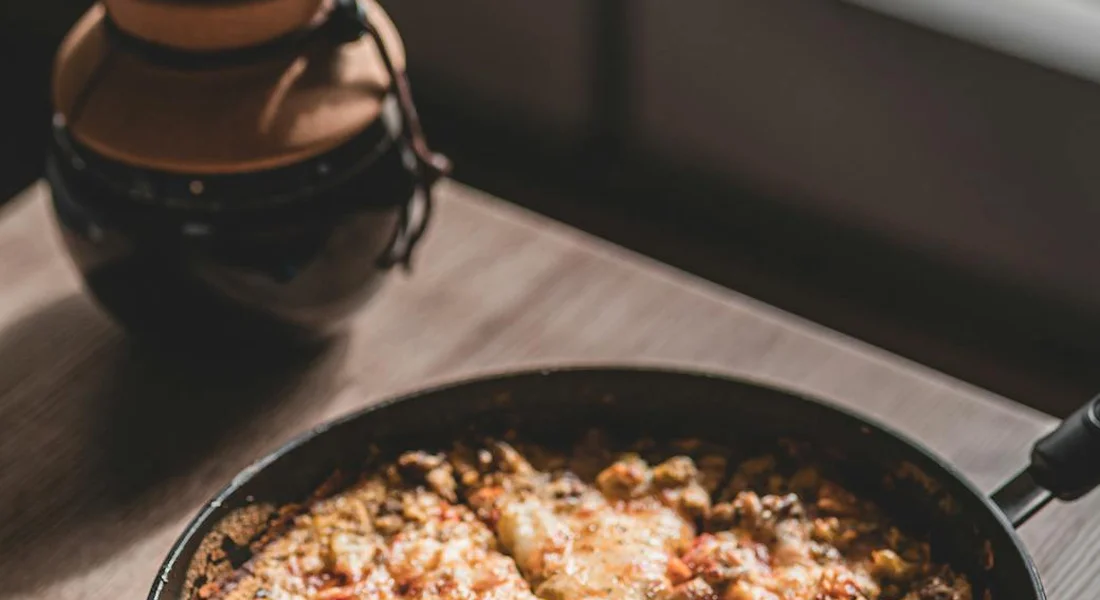
Yes, Lodge cast iron pans are good. In fact, they are the benchmark modern cast iron cookware. When you buy a Lodge, you know exactly what you’re getting: a durable, no-fuss piece of American-made iron that will outlast you if you care for it.
Let’s clear up a common worry. Lodge does not use Teflon or any chemical non-stick coatings. Their “pre-seasoning” is a layer of soybean oil baked onto the iron at the factory. It’s a head start, a foundation you build upon with your own cooking and maintenance.
Beyond their classic skillets, Lodge also produces a full line of enameled cast iron Dutch ovens and casseroles. These are fantastic for slow-cooking acidic foods like tomato sauce, which can interact with bare iron. Think of it as Lodge offering two tools: the bare iron workhorse and the colorful, enameled specialist. Different cast iron Dutch oven types offer distinct uses, from slow simmering to high-heat searing. Knowing how to choose the right one can help you get the most from these versatile tools.
The greatest strength of a Lodge pan is its availability and consistent quality. You can find them at hardware stores, supermarkets, and online. This makes them the perfect “first pan” to learn seasoning on, or a reliable camp pan you won’t cry over if it gets a little roughed up.
New Lodge pans have a distinct pebbled texture. This comes from the modern sand-casting process. Some cooks see this and worry about food sticking. I’ve used my 12-inch Lodge for years. That texture holds seasoning beautifully. With regular use and proper stovetop seasoning, those microscopic peaks fill in, creating a smoother cooking surface over time. You don’t need a mirror finish to get stellar performance.
How Do You Choose Between Vintage and New Cast Iron?
Choosing between vintage and new cast iron boils down to a simple trade-off: the hunt for a specific feel versus the convenience of guaranteed reliability. To navigate that choice, the Lodge vs vintage cast iron buyers comparison guide weighs price, availability, and performance across options. It helps translate the trade-off into concrete criteria you can use in your next kitchen purchase.
Vintage pans, often from brands like Griswold, Wagner, and Birmingham Stove & Range (BSR), were typically cast thinner and milled smooth. This makes them noticeably lighter and gives them that coveted glass-smooth cooking surface right from the start. New pans are generally thicker and have the as-cast texture, making them heavier and sometimes requiring more initial seasoning layers to feel slick.
If you’re drawn to the “cast iron brands made in USA” history, vintage is your path. Collectors look for clear foundry marks, smooth cooking surfaces, and minimal spinning or warping. A Griswold small logo or a Wagner with a stylized handle are classic finds. A quick guide to identify vintage cast iron brand marks can help you decode those logos. It highlights the most common marks you’ll see from Griswold, Wagner, and other USA-made brands.
Searching flea markets, estate sales, and online auctions can be rewarding, but you must inspect carefully. Here is what to avoid:
- Deep, cavernous pitting on the cooking surface
- Hairline cracks, especially near the handle or rim
- Warping (lay the pan on a flat counter to check)
- Thick, flaky rust that might hide damage
I once found a soot-covered #8 skillet at a flea market for a few dollars. After a thorough cleaning in a lye bath, a beautiful BSR “Red Mountain” series mark appeared. Removing decades of carbon and applying fresh seasoning felt like giving history a new purpose. That pan is now one of my lightest and most responsive. The hunt can be part of the joy, but you must be willing to put in the restoration work.
What Cast Iron Brands or Features Should You Be Cautious About?
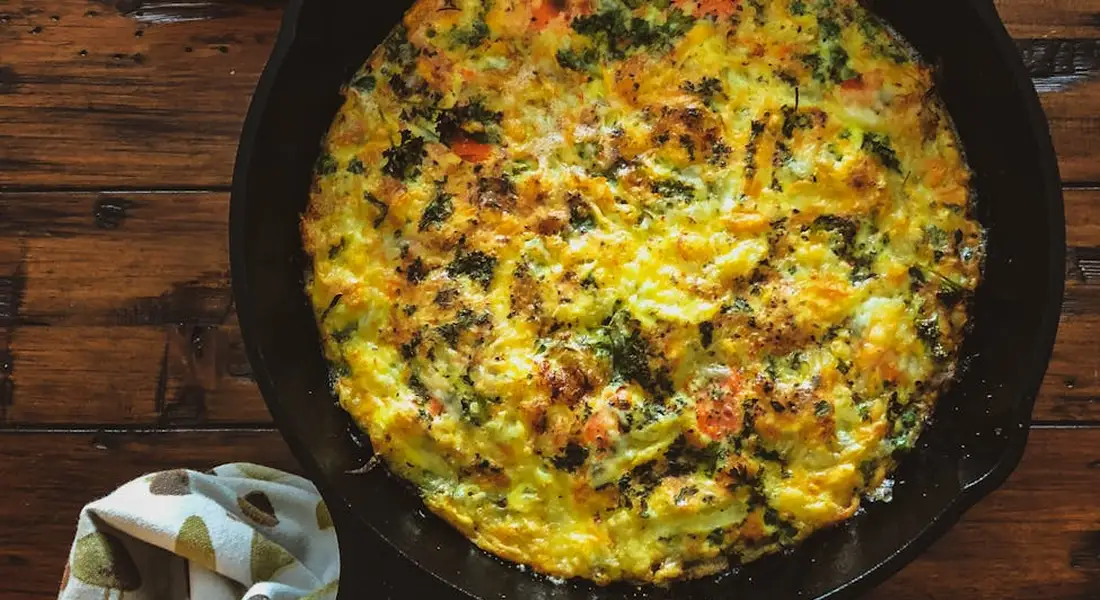
Rather than naming specific “bad” brands, it’s more helpful to know what features can signal trouble. A good pan is defined by its material and construction, not its logo.
Non-Stick Coatings on Cast Iron
This is the biggest red flag. True cast iron develops its own natural non-stick surface through seasoning—unlike synthetic coatings that come factory-bonded to some pans. These coatings defeat the purpose of cast iron, as they will eventually chip and cannot be restored through traditional seasoning. Once damaged, the pan is often no longer safe for cooking.
Extremely Cheap, No-Name Imports
You often find these on mega-online retailers. The iron can be brittle, prone to cracking under sudden temperature changes, or have a rough, sandy texture full of casting pits. While you can season a rough pan, an excessively pitted surface will never achieve a smooth cooking experience and can harbor food and rust. If the price seems too good to be true, it often is.
Decorative “Copper” or Colored Finishes
A shiny copper-colored skillet might look beautiful on your shelf. That color is almost always a paint or powder coat applied only to the exterior. It provides zero cooking benefit and can bubble or burn off if the pan gets too hot on the stovetop or in your oven during seasoning. This finish is purely cosmetic and can complicate the care of the pan’s exterior.
Novelty and Branded Items
Pans shaped like sports team logos or from companies not known for cookware are frequently made to be display pieces. They are often cast very thin to reduce cost and weight, which hurts heat retention and even heating. The cooking surface might be tiny or awkward. These are typically souvenirs first and functional cookware a distant second.
Does the Brand Change How You Season and Maintain the Pan?
The beautiful truth is that the fundamental chemistry of seasoning is universal. Polymerized oil bonds to bare iron, creating a protective layer. That process works the same on a hundred-year-old find and a brand-new skillet.
The Feel of a Smoother Pan
Some high-end brands machine or mill their cooking surfaces to a silky smooth finish. I own one. Applying oil to this surface feels different. The oil might seem to slide off more easily, making it trickier to wipe off the excess before the oven step. The technique, however, remains identical: apply a microscopically thin layer of oil, then aggressively wipe it all off as if you made a mistake. The smooth surface will lead to a very slick finish faster, but the rules don’t change.
The Critical Enamel Exception
This is a major category shift. Enameled cast iron (like Le Creuset or Staub) has a glass coating fused to the iron. You never, ever season an enameled surface. The care is completely different. You use gentle cleaners, avoid metal utensils that can chip the glass, and never heat it while empty. It’s a different tool with different rules.
The Universal Maintenance Rule
Brand prestige doesn’t protect against rust. Your maintenance habits matter far more than the name on the handle. Proper drying is the single most important thing you can do for any bare cast iron pan, regardless of its origin or cost. Heat it on the stove for a minute after washing. Apply a tiny bit of oil after use if you live in a humid climate. This routine keeps every pan in service. If rust shows up, you can fix and prevent rust with simple steps for cast iron. Master these habits to keep rust at bay.
Metal Utensils: The Myth
I use metal fish turners and spatulas on all my bare iron pans, from vintage Wagners to modern Lodges. The idea that metal utensils will ruin your seasoning is a myth that likely started to protect softer non-stick coatings. Debunking this myth shows that metal utensils can be used on cast iron without damage. A well-seasoned pan will tolerate light scrapes and still perform beautifully over time. Quality cast iron is hard. Your metal spatula might leave a light silver scratch in the seasoning, which is just cosmetic and will fill in with your next cook. Don’t be afraid to scrape and flip with confidence.
When to Seek Professional Help for Your Cast Iron
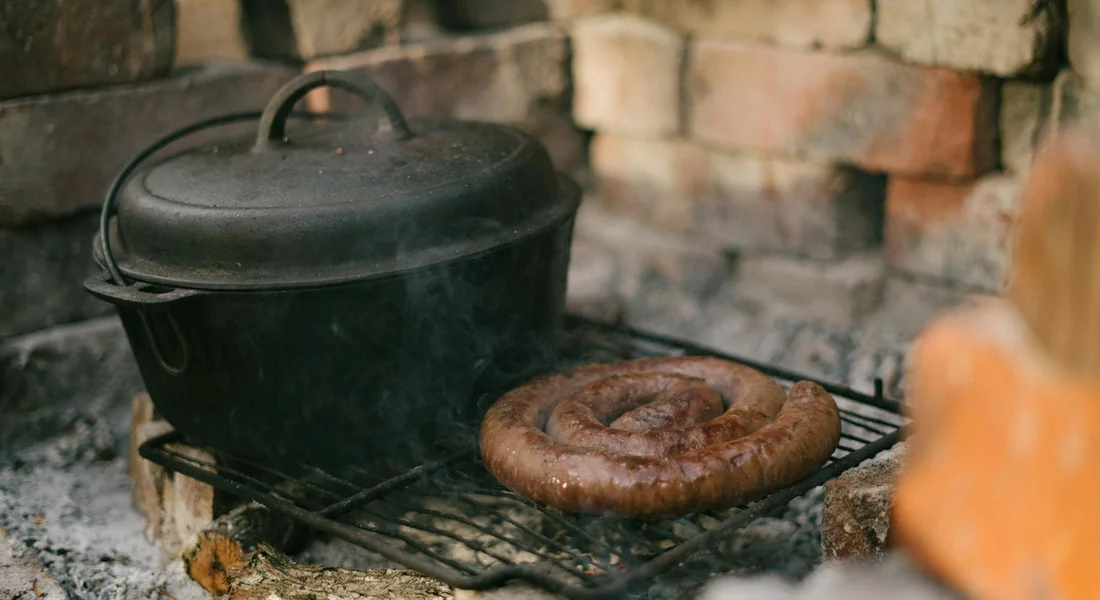
Most cast iron problems can be solved in your own kitchen with some time and elbow grease. I’ve brought back dozens of pans myself. But there are a few situations where the best tool for the job is a professional’s phone number. This isn’t about giving up, it’s about knowing when a repair is beyond simple maintenance for safety and preservation.
Severe, Deep Pitting or a Warped Surface
Light pitting is common on vintage pieces and often fills in with seasoning over time. Severe pitting is different. If the cavities are deep enough to hold water or are widespread across the cooking surface, it compromises the pan’s utility. A DIY grind can make it worse by creating thin, weak spots.
A warped pan that rocks on a flat stove burner is more than an annoyance. It prevents even heat distribution and can be a sign of internal stress from extreme overheating. Trying to flatten it at home is likely to cause a catastrophic failure.
If your pan looks like the surface of the moon or spins like a top, a professional can assess if it’s salvageable and has the tools to machine it safely.
A Suspected Crack or Hairline Fracture
Cracks in cast iron are often subtle. You might see a faint, straight line or hear a slight ping when the pan cools. These fractures are a major safety issue. Under heat and stress, they can suddenly propagate, causing the pan to break apart, possibly with hot food inside.
I learned this the hard way with an old camp oven. I thought the line was a scratch in the seasoning until I held it up to a bright light and saw the tell-tale shimmer of a crack all the way through.
A hairline fracture means the structural integrity of the iron is gone, and no amount of seasoning can fix it. A professional can perform a magnified inspection to confirm it.
Extremely Heavy Rust That Has Compromised Integrity
Surface rust is normal and easy to remove. Extreme corrosion is another story. If the rust layer is thick, flaky, and especially if it’s combined with deep pitting, the iron itself may be degraded. You might be removing so much material that the skillet walls become dangerously thin. Wondering if it’s safe to cook with a rusty skillet? A proper fix can restore safety and cooking performance.
Think of it like the frame of a classic car. Surface rust gets sanded and treated. But if the metal is rusted through, patching it isn’t safe or durable.
For Valuable Antique or Heirloom Pieces
Sentimental and monetary value changes the equation. A Griswold skillet from your grandmother or a rare gate-marked piece deserves specialized care. An aggressive DIY strip or an incorrect grinding technique can permanently damage its collector value and history.
A seasoned restoration specialist knows how to preserve casting marks, factory mill marks, and the original profile of the piece. They balance removing damage with conserving the iron’s character.
For a prized heirloom, investing in a professional conservator is an investment in preserving its story for the next generation.
Finding the Right Professional
You’re not looking for just any welder. Seek out a professional metalworker familiar with cast iron or, ideally, a restoration specialist who focuses on vintage cookware. They will have the right equipment, like sandblasters with fine media, precision surface grinders, and industrial ovens for seasoning.
Ask for examples of their previous work. A true specialist will be proud to show you before-and-after photos of pieces they’ve saved.
- Search for “cast iron restoration” or “vintage cookware restoration” services.
- Check with communities of collectors for trusted recommendations.
- Ask specific questions about their process for assessing damage and their seasoning method.
Knowing when to call a pro is a sign of a thoughtful cast iron owner, not a lack of skill. It protects you, your kitchen, and the iron itself.
Common Questions
How does maintaining vintage cast iron differ from modern brands?
Vintage pans are often thinner and smoother, so heat them gently to prevent warping and focus on thin, even layers when seasoning. Their lightweight design means they respond faster to temperature changes, requiring a watchful eye during preheating. Always inspect for hairline cracks or worn spots that may need professional attention before regular use.
How should I care for cast iron with a copper-colored coating?
That coating is purely cosmetic paint or powder, so never season it-focus only on the interior cooking surface. Avoid high, direct heat on the exterior to prevent bubbling or burning, which can compromise the pan’s look. Clean the exterior with a soft cloth and mild detergent, drying thoroughly to avoid rust under the coating.
What maintenance red flags indicate a low-quality pan?
Deep, widespread pitting that traps moisture and food debris is a sign of poor casting, making consistent seasoning difficult. A pan that warps or spins on a flat burner after minimal use suggests uneven thickness and weak heat retention. If the surface feels excessively sandy or flakes, it may indicate brittle iron prone to cracking and rust.
Choosing and Living With Your Cast Iron
The best brand is the one you’ll actually use and care for over decades. Your consistent maintenance will always matter more than the logo on the handle. For more on that lifelong care, explore our guides on seasoning from scratch and restoring vintage pieces.
Expert Resources and Citations
- The 7 Best Cast Iron Pans of 2025, Tested & Reviewed
- To Find the Best Cast Iron Skillets, I Seared Steaks, Baked Cornbread, and Fried Dozens of Eggs
- Is Lodge Still the King of Cast Iron? We Tested More Than 25 Skillets to Find Out
- The 3 Best Cast-Iron Skillets, Tested And Reviewed
- The 15 Best Cast Iron Brands, Ranked – Tasting Table
Joseph Gerald
A material science expert by profession, Joseph is also an avid cook. He combines his 10+ years expertise in material science and metallurgy with his passion for cast iron cookware to bring you best hands on advice. His expertise ranges from types of cast iron cookware to best seasoning tips as well as restoration of vintage cast iron utensils. Joe is here to help you solve all your cast iron cookware queries and questions.