Can You Safely Use Metal Utensils on Cast Iron? Debunking the Common Fear
If you’re like most cast iron stewards, you’ve probably been told that metal tools will scratch and ruin your precious seasoning. Let me ease your mind: when used correctly, metal utensils won’t damage a well-seasoned pan, and I’ve proven this time and again in my own kitchen.
This article cuts through the noise with practical, experience-based advice. Here’s what we’ll cover:
- What cast iron seasoning actually is-and why it’s more like a cured finish than a fragile coat of paint.
- How a metal spatula interacts with the surface, and why gentle scraping can be beneficial.
- My straightforward guidelines for using metal tools without a second thought, learned from restoring dozens of skillets.
Key Takeaways
- Metal on bare iron is a problem, but metal on a well-built seasoning layer is usually fine.
- The goal of any utensil is to scrape food off, not to scrape your seasoning off.
- Enameled cast iron has completely different rules, and metal utensils are a hard “no.”
- Your technique with the utensil matters far more than the material it’s made from.
Quick Snapshot: Metal Utensils and Cast Iron
This table gives you a fast reference for what to use and what to avoid. The explanations below will tell you why.
| Utensil Material | Safe on Seasoned Cast Iron? | Safe on Enameled Cast Iron? | Primary Risk |
|---|---|---|---|
| Stainless Steel Spoon/Spatula | Yes | No | Chipping enamel |
| Cast Iron Utensils | Yes | No | Chipping enamel, heavy wear |
| Silicone-Coated Utensils | Yes | Yes | High heat damage to coating |
| Nylon or Plastic | Yes (with care) | Yes | Melting, leaving residue |
Breaking Down the Details
Let’s walk through that table row by row, so you know exactly what’s happening in your pan.
Stainless Steel Spoon/Spatula
This is my daily driver for my seasoned skillets. A good stainless steel spatula has a thin, slightly flexible edge that gets under food perfectly. It slides across a robust seasoning layer without digging in, which makes it ideal for releasing those crispy potatoes or a delicate fish filet. For enameled cast iron, however, that same hard metal edge is the enemy. It can scratch and, with enough force, chip the glass-like enamel coating, which is not repairable at home.
Cast Iron Utensils
It seems logical, but it’s a bit overkill. A cast iron utensil is perfectly safe on your seasoned cast iron pan. They won’t react with each other. The risk here is mostly for enameled pans, where the heavy, unyielding iron can be especially brutal on the surface. Think of it like using a hammer to stir a soup in a ceramic pot, the potential for accidental damage is just too high.
Silicone-Coated Utensils
These are the universal diplomats of the kitchen. The soft silicone or rubber tip protects surfaces, making them safe for both seasoned and enameled iron. The catch is the coating itself, which can melt or degrade if left resting on a very hot rim or if you use high-heat broiling. I keep a silicone spatula for my enameled Dutch oven, but I’m careful about where I let it sit.
Nylon or Plastic
These are safe for all surfaces, but they come with major limitations in a cast iron context. Cast iron retains intense, direct heat. A nylon tool left touching the hot surface for too long can melt, leaving you with a mess of plastic welded to your pan’s seasoning. They also lack the firm edge needed to effectively scrape up fond (those tasty browned bits) without flexing. I only use them for low-heat tasks or with non-stick pans, never for serious scraping in a hot cast iron skillet.
What Are You Actually Scraping? Seasoning vs. Iron
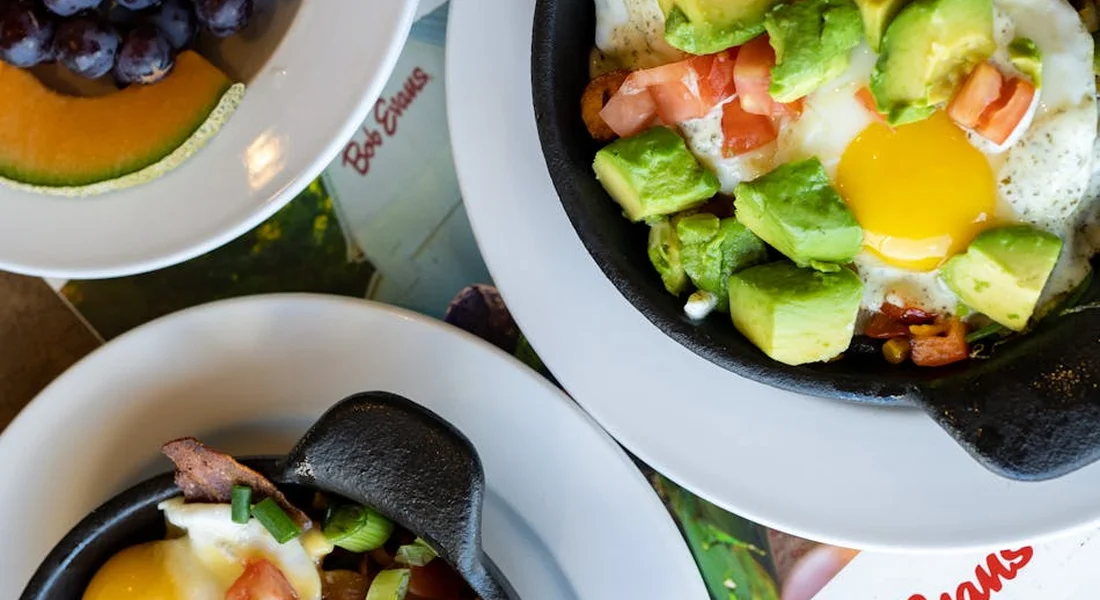
When you look at your black, slick skillet, you’re not looking at raw iron. You’re looking at its armor. This non-stick surface is called seasoning, and it’s a layer of polymerized oil. Think of it like a tough, baked-on coat of paint that has bonded to the metal.
This coating protects the vulnerable iron underneath from moisture and rust. A good seasoning layer is meant to be durable, and it can handle careful scraping from metal tools meant for cooking, not prying or chiseling. You’re working on that resilient coating, not the pan itself.
The Real Role of a Metal Utensil
Here’s the secret: a metal spatula isn’t the enemy of your seasoning. It can be its best friend. The right metal tool gets under food effectively, releasing it from the surface before it has a chance to fuse into a carbonized, sticky mess.
I’ve found that using a soft nylon tool often leaves little bits behind. Those bits then burn onto the pan during your next cook. Scraping with metal as you cook keeps the surface clean, preventing the need for harsh, abrasive scrubbing later, which is far more damaging to your seasoning.
Understanding Cast Iron Tensile Strength
Cast iron is strong under compression (think: pressing down), but it has low tensile strength. This means it’s brittle and doesn’t like being pulled apart or taking sharp, focused impacts. In metallurgy, these traits explain why cast iron often requires specific repair and reinforcement approaches.
This is the real risk with tools, not scratches. The concern is using a tool like a heavy meat mallet or the corner of a cast iron press to chip the thin rim of your skillet or crack a handle. The force required for normal stirring, flipping, or scraping eggs will never come close to this threshold. Your daily cooking is safe.
Choosing Your Weapon: A Guide to Utensil Materials
Your goal is to choose a tool that works with your pan’s seasoning, not against it. The material matters, but intent matters more.
The Case for (Certain) Metal Utensils
My daily driver is a stainless steel spatula with a flat, slightly beveled front edge. It’s stiff enough to release a crispy potato, but the edge is rounded enough that it glides without digging trenches.
Cast iron utensils have benefits, like incredible heat retention and unmatched durability. Over many decades, a heavy cast iron tool can be rougher on the surface of another cast iron pan, potentially wearing down high spots in the seasoning through friction. For most cooks, this is a non-issue. Just avoid using them with excessive, prying force. Choosing and using the right utensils can help preserve your cookware’s seasoning.
I advise against ultra-thin, sharp-edged metal tools, like some fish spatulas. They are designed to slip under delicate food, but that thin edge can sometimes cut into the seasoning layer if you’re not careful.
What About Wood, Silicone, and Nylon?
These are perfectly safe choices. I use a wooden spoon for stirring sauces all the time. They are fantastic for anyone new to cast iron or still building confidence in their seasoning, especially when handling hot liquids in cast iron.
The limitation of softer materials is that they can leave behind stubborn food residue that then requires more aggressive cleaning, which can undermine the non-stick surface you’re trying to build. If you use them, just be extra mindful about cleaning the pan thoroughly right after cooking.
The Special Case of Enameled Cast Iron Utensils
This is the one hard rule. Never use metal utensils on the glossy, colored cooking surface of an enameled Dutch oven or skillet. That surface is a glass-like coating, and metal will scratch and chip it. Likewise, rust prevention matters for cast iron bakeware like dutch ovens, bread pots, and griddles. A proper seasoning and thorough drying after use help keep them resilient.
Once the enamel is chipped, the exposed cast iron underneath can rust, and you can’t re-season it like bare iron. For enameled cast iron, stick with wood, silicone, or high-quality nylon. Using the right utensils helps protect the enamel and ensures safe use of enameled cookware. When you choose utensils designed for enamel, you can cook with enameled cast iron confidently. A typical enameled cast iron utensils set reflects this, including tools like wooden spoons, silicone spatulas, and nylon tongs.
The “How” Matters More Than the “What”
Let’s shift the focus. The biggest factor in preventing damage isn’t the type of metal in your hand, it’s the technique you use with it.
Think of your pan’s seasoning like a tough, baked-on coat of paint. You can scrub it with a stiff brush to clean it, but you wouldn’t take a chisel to it. The same principle applies here.
The key to using any utensil safely is how you apply force to the pan’s surface.
Safe Techniques for Stirring and Scraping
When you’re moving food around, use a gentle, gliding motion. Your goal is to slide under and release what’s cooked, not to chop or gouge at it.
Always lead with the flat front edge of your spatula or turner, not a sharp corner. This spreads out the pressure.
If you hit a spot of serious, stuck-on resistance, don’t fight it. This is a signal.
Stubborn, stuck food usually means your seasoning layer was weak in that spot, not that you need a different utensil.
The fix is better cleaning and a good seasoning session, not more brute force.
What About Using a Knife in the Pan?
I strongly advise against using any knife to cut food inside your cast iron skillet. This is the one rule I never break.
The tip of a knife concentrates all its force into a tiny, pinpoint area. That’s the single easiest way to scratch down through the seasoning and actually mar the iron itself.
You can’t glide or be gentle with a stabbing or slicing motion. The risk is too high.
Your cutting board is the right tool for that job. Just transfer the food there first.
What If You See Scratches?
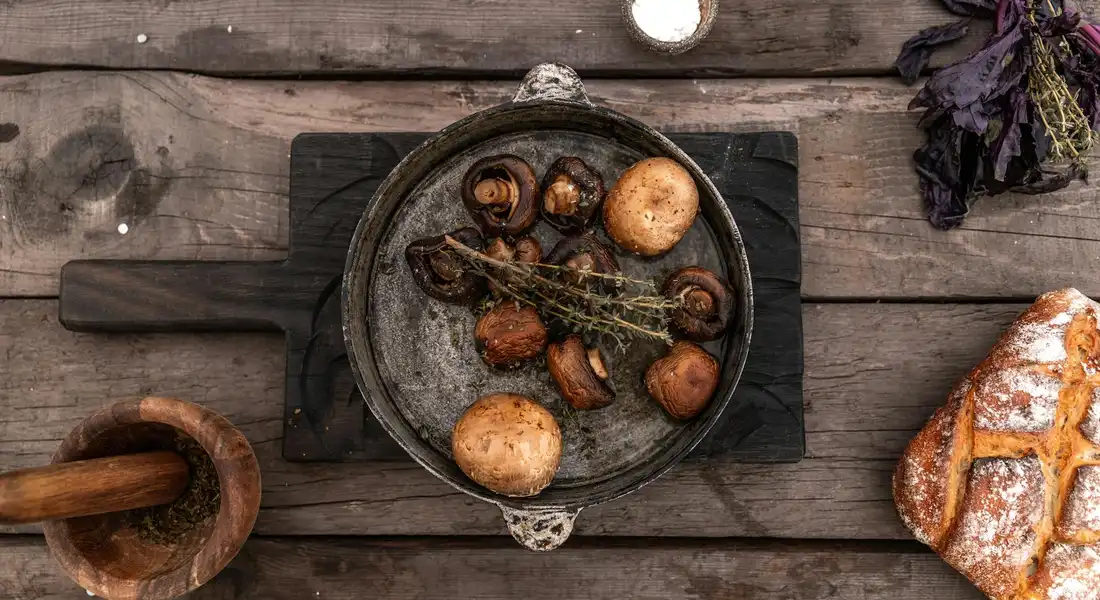
Don’t panic. If you see light, silvery lines on your pan’s cooking surface, you’ve almost certainly just scratched the seasoning.
You haven’t hurt the iron underneath.
These superficial, cosmetic scratches are a normal part of using your cookware, and they will darken and disappear as you continue to cook and new oil layers polymerize over them.
My most used skillets have a web of faint silver lines. They’re just part of the story, and they don’t affect performance at all.
How to Repair Deeper Surface Scratches
How can you tell if a scratch is deeper? A scratch that might have exposed bare metal often looks a dull, matte gray instead of shiny silver, and it may feel rough or textured to the touch.
Here’s a simple, immediate fix you can do right after cleaning:
- Make sure the pan is completely clean and dry.
- Put a tiny dab of oil (like canola or grapeseed) on your fingertip.
- Rub it firmly into just the scratched area.
- Heat the pan on your stovetop over medium heat for 2-3 minutes until it just starts to smoke, then turn it off and let it cool.
This starts a localized “spot repair” by polymerizing a thin layer of oil right in the scratch.
The next time you do a full oven seasoning cycle, that spot repair will blend in seamlessly, making the scratch a distant memory.
Your Cast Iron Utensil Checklist
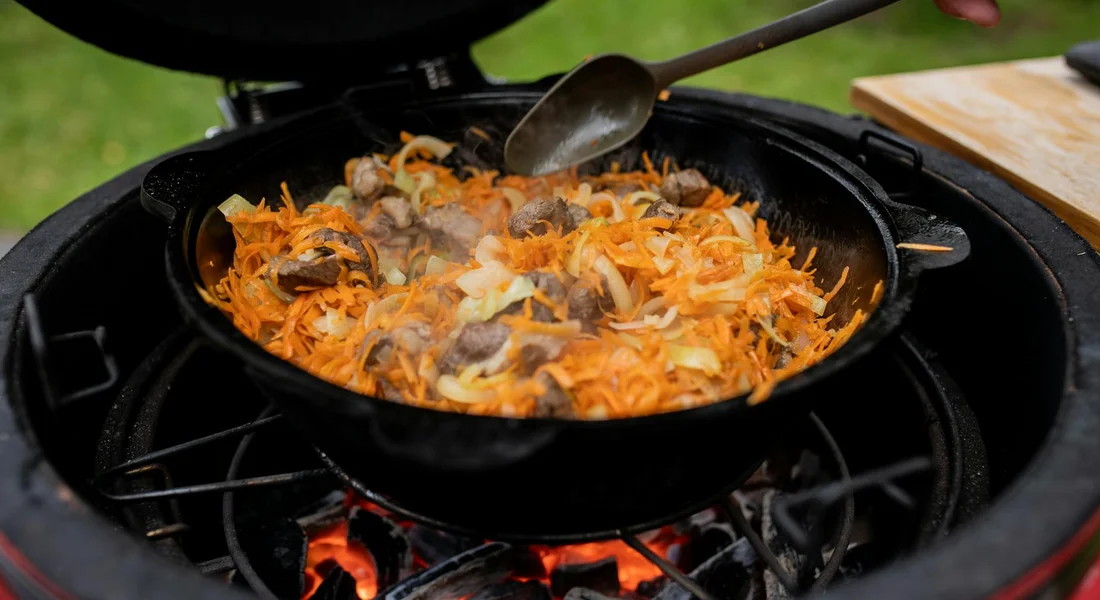
Now that you know the seasoning can take it, here’s how to use metal tools wisely. Think of this as your quick-reference guide for keeping your pan in top shape.
Choose utensils with smooth, rounded edges over sharp, thin ones.
Not all metal utensils are created equal. A thick, rounded fish spatula or a solid spoon is your best friend. I avoid thin, sharp-edged tools like slotted turners. They can dig into the seasoning layer instead of gliding over it. Aim for utensils that feel substantial in your hand; they distribute pressure better and are less likely to gouge.
Use a gliding, scraping motion, not a prying or chopping action.
This is the most important technique to learn. You’re scraping tasty browned bits, not chiseling tile. Slide the utensil under your food. If something is stuck, let the pan’s heat and some fat loosen it. Never wedge a tool under a stuck item and lever it up. That concentrated force is what can chip or crack the iron itself, which is a far bigger problem than a scratch in the seasoning.
Never use metal utensils on enameled cast iron cooking surfaces.
This is the one absolute rule. The glossy, colored interior of an enameled Dutch oven is a glass coating. Metal will scratch and chip that glass, ruining the finish. For those pieces, stick with wood or silicone. Save your metal tools for your traditional bare cast iron.
Never cut food inside your cast iron pan with a knife.
It’s tempting to slice a frittata or chicken right in the pan. Don’t. A sharp knife point concentrates all its force on a tiny area. This can absolutely cut a deep scratch or even a permanent groove into the metal surface. Always transfer food to a cutting board before slicing. Your pan’s smooth cooking surface will thank you.
If you see light scratches, just keep cooking. They will fill in.
After using a metal spatula, you might see fine, silvery lines. Don’t panic. I see them on my own daily driver all the time. This is just a mark on the top layer of your seasoning. The next time you cook with oil, the polymerization process will start to fill those tiny grooves back in. It’s a living surface that repairs itself with use.
For a deeper mark, clean, dry, spot-oil, and heat to patch it.
If you accidentally make a more pronounced scratch that looks dark or feels rough, you can do a quick spot repair. Clean and dry the pan completely. Then, put a tiny drop of oil (like crisco or avocado oil) on a paper towel and rub it just into that scratch. Warm the pan on the stovetop over medium heat for a few minutes until it starts to smoke lightly, then let it cool. This localized heating bonds a fresh layer of seasoning right where you need it.
Common Questions
What are the real benefits of using a cast iron utensil on a cast iron pan?
It’s a logical pairing, but the main benefit is durability, not performance. A cast iron utensil won’t react with your pan and can withstand immense heat. When considering cast iron vs stainless steel durability, they show different wear and longevity profiles. The difference often comes down to heat cycling and surface wear, which can influence long-term performance. However, its weight and rigidity offer no advantage over a good stainless steel spatula for everyday release and scraping.
What should I look for in an enameled cast iron utensils set?
Look exclusively for materials that protect the glass-like coating: solid wood, high-heat silicone, and sturdy nylon. A proper set will have no metal components that contact the cooking surface. The goal is to preserve the enamel, as chips cannot be repaired at home.
How does cast iron’s low tensile strength affect my choice of utensil?
It dictates technique, not material. The brittleness means you must avoid prying or levering with any utensil, as this focused force can crack the pan. Use a gliding motion to spread pressure, and you’ll never approach the force needed to cause structural damage during normal cooking.
Your Cast Iron and Metal Utensils: A Practical Partnership
You can confidently use metal utensils on your cast iron skillet without harming the seasoning, provided you maintain a solid, polymerized oil layer. Focus on gentle scraping during cooking and a quick re-oiling after cleaning to keep that protective finish intact for years. For deeper care, exploring topics like seasoning maintenance or rust prevention can further support your cast iron journey.
Industry References
- 10 Myths About Cast Iron Cookware, Busted! – Lodge Cast Iron
- The Truth About Cast Iron Pans: 7 Myths That Need To Go Away
- Are cast iron pans unsafe? – Examine
Joseph Gerald
A material science expert by profession, Joseph is also an avid cook. He combines his 10+ years expertise in material science and metallurgy with his passion for cast iron cookware to bring you best hands on advice. His expertise ranges from types of cast iron cookware to best seasoning tips as well as restoration of vintage cast iron utensils. Joe is here to help you solve all your cast iron cookware queries and questions.