Can You Use Cast Iron on a Blackstone Griddle? A Practical Guide
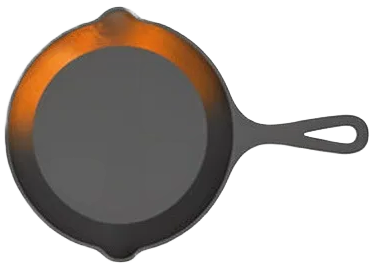
You might worry that putting your treasured cast iron on a Blackstone griddle could scratch the surface or ruin your hard-earned seasoning. I can tell you from my own kitchen that using cast iron on a Blackstone is not only possible, it’s a great way to cook, as long as you follow a few simple rules.
Based on my time restoring pans and cooking outdoors, here’s exactly what we’ll cover:
- Why cast iron and Blackstone griddles get along just fine, explained without the jargon.
- The right way to heat, cook, and clean to protect both your skillet and your griddle top.
- My personal tips for keeping the seasoning on your cast iron strong after griddle use.
The Short Answer: Yes, and Here’s Why It’s a Great Idea
Can you use your cast iron on a Blackstone griddle? Absolutely. I do it all the time.
Think of them as two old friends who speak the same language: the language of high, consistent heat. Your cast iron skillet is famous for holding onto heat, and a flat-top griddle excels at spreading that heat evenly across its entire surface. Science explains this with heat capacity and thermal inertia: cast iron stores energy and releases it slowly. That combination keeps heat steady and lets the griddle distribute it more evenly across the surface. When you put the two together, you get a level of thermal stability that’s hard to beat. You’re not fighting hot spots or uneven cooking.
This partnership completely changes what you can do in a single cooking session. You can sear steaks in a skillet on one side of the griddle while toasting buns directly on the other. You can make a big batch of pancakes on the flat top and keep a pan of sausage gravy warm in a Dutch oven right next to them. I’ve even baked a skillet cornbread on mine, using the griddle like an outdoor oven floor to give the bottom a perfect crust.
The real key to making this combination work is paying attention to your heat and keeping up with your skillet’s seasoning. A griddle gets very hot, very fast, so you need to manage your preheating time carefully. And because you’re cooking at high temps, a well-maintained seasoning layer on your cast iron is non-negotiable for easy release and cleanup. After cooking, give it a quick clean while it’s still warm. Then rub on a thin layer of oil to help maintain that seasoning for the next round.
Material Compatibility: Is a Blackstone Griddle Made of Cast Iron?
This is where things get interesting, and it’s a common point of confusion. The cooking surface on most Blackstone griddles is not cast iron. It’s cold-rolled steel.
What’s cold-rolled steel? Imagine taking a sheet of steel and passing it through rollers at room temperature to compress and smooth it. This process creates a very hard, very flat surface with a fine grain. It’s ideal for a griddle because it heats up quickly and provides that perfectly smooth cooking area for things like eggs and hash browns.
Now, here’s the beautiful part. While the materials are different, their care is almost identical. Both cast iron and cold-rolled steel are bare metal that must be seasoned-that is, coated with a layer of polymerized oil-to create a natural, non-stick surface and to prevent rust. This shared need for seasoning is what creates their fundamental compatibility. You’re already an expert in maintaining one, so maintaining them together is a natural fit. In other words, seasoning is chemistry in action: oil polymerizes on the metal to form a durable, naturally non-stick layer.
You’ll often see people searching for “are Blackstone griddles cast iron or steel,” and now you know the answer. This also explains why accessories like the Blackstone cast iron burger press or a standard cast iron griddle press work so well. They’re made from the same family of ferrous metals, sharing the same heat properties and seasoning requirements. You can use them interchangeably without worry.
How to Use Your Cast Iron on a Griddle: A Step-by-Step Guide
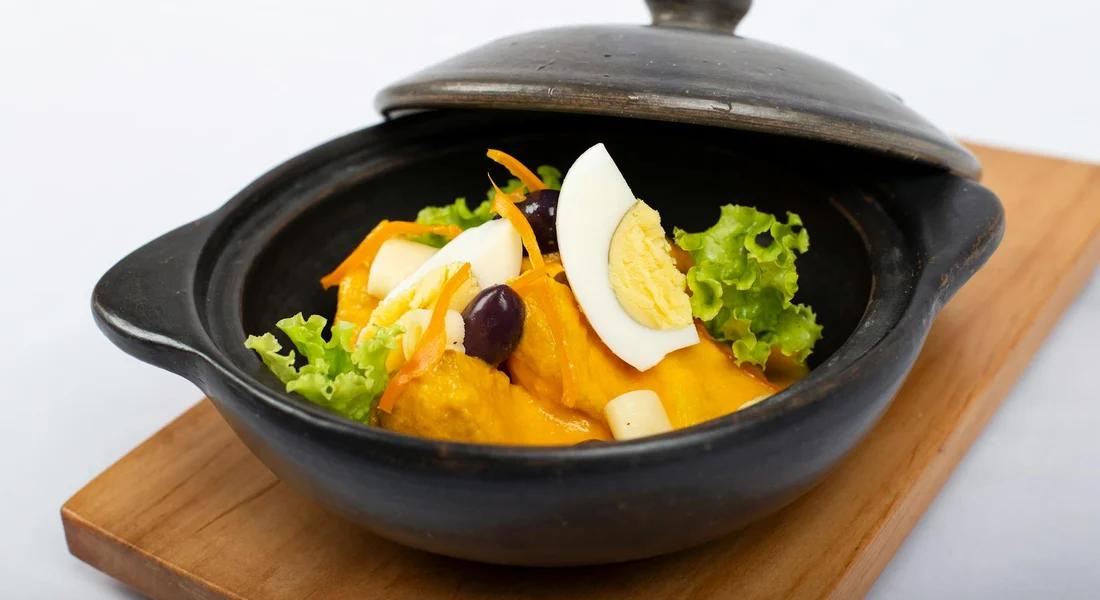
Using your favorite skillet on a griddle surface is simple, but a good process makes everything easier and safer. Follow these steps.
1. Preheat Everything Gradually
Start by turning your Blackstone griddle on to a medium heat. Let it warm up for a good 10-15 minutes. This gives the entire steel plate time to heat evenly. Place your dry, room-temperature cast iron pan right on the griddle surface as it preheats. This allows the pan to come up to temperature slowly and evenly, just like it would on a home stove, which prevents thermal shock.
2. Manage the Heat Zones
Griddles often have hot spots, usually in the center directly over the burners. Think of it like a campfire. You wouldn’t put all your food directly in the flames. Use the hotter center zone for searing and the cooler outer edges for keeping food warm or gentle cooking. Don’t be afraid to slide your pan to a different spot on the griddle to control its temperature.
3. Where to Apply Your Oil
This is a common point of confusion. You only need oil in your cast iron pan. There’s no need to add it to the griddle surface underneath. The griddle’s own seasoning handles that. Add your cooking fat directly to your preheated cast iron skillet, just as you would at home. Let the oil heat for a minute until it shimmers before adding your food.
4. A Critical Safety Note
You will have two incredibly hot surfaces: the griddle and your pan’s handle. Always use a dry handle holder or a thick fold of towels when moving your cast iron. I keep a dedicated, heavy-duty leather holder in my griddle kit because a fabric pot holder can easily brush against the hot griddle surface.
A quick note on “Blackstone cast iron skillets”: These are standard preseasoned cast iron pans. Their main advantage for griddle use is versatility. You can sear a steak on the griddle and then finish it in your home oven, all in the same pan.
Cleaning and Maintenance After Griddle Use
What you do after cooking is more important for your pan’s longevity than anything you do during. Outdoor griddle cooking can be tough on seasoning. Seasoning and maintenance are essential for camping and outdoor adventures with cast iron. A well-kept pan is a trusted companion on the trail.
Your Post-Griddle Cleaning Routine
Act while everything is still warm. Turn off the griddle. Carefully remove your skillet.
- Wipe out any obvious food bits with a paper towel.
- If needed, use a brush and a little hot water to scrub the pan. A bit of coarse salt makes a great, gentle abrasive.
- Rinse briefly with hot water and immediately dry the pan thoroughly with a towel.
To ensure it’s bone-dry, place the clean skillet back on the warm (but turned off) griddle for a few minutes. The residual heat will evaporate every last drop of moisture.
The Essential Final Step: A Thin Coat of Oil
A griddle’s surface, while seasoned, is more abrasive than your glass stovetop or gas burner grates. After every griddle use, apply a microscopically thin fresh coat of oil to your pan’s cooking surface. This simple habit replenishes the seasoning layer and protects against rust. Wipe on the oil, then use a clean towel to wipe it off as if you changed your mind. That’s the perfect amount. That same light oiling ritual is part of seasoning and maintaining your cast iron cookware. With consistent care, you protect the seasoning and extend your pan’s life.
Answering Common Post-Use Questions
People often ask, “how do you clean a Blackstone cast iron skillet?” The answer is the same as above. It’s just cast iron. The brand doesn’t change the fundamental care. Cleaning cast iron properly is essential for maintaining its seasoning and preventing rust.
Another question is, “do you need to re-season after griddle use?” Generally, no. If you clean it gently and apply that thin protective coat of oil, your existing seasoning will remain intact and even strengthen over time. Re-seasoning is only needed if you scrub down to bare metal or notice rust.
One Final Warning
Never leave your clean, dry pan sitting on a cooling griddle outdoors. As the griddle cools overnight, it will draw moisture from the air, creating condensation that can lead to rust spots on the bottom of your pan. Always bring your skillet inside after its post-cook oiling. I learned this the hard way with a favorite Dutch oven.
Recommended Cast Iron Pieces for Griddle Cooking
Not every piece of cast iron is ideal for griddle-top cooking. You want tools that complement the griddle’s wide, flat surface, not fight it. Focus on pieces that add functionality you can’t get from the griddle itself, especially when you learn how to cook perfectly on a cast iron griddle.
The Versatile Workhorse: A Standard Skillet
Your first choice should be a standard 10- or 12-inch skillet. This is my own daily driver on the griddle. Its high walls are perfect for tasks the flat griddle can’t handle, like sautéing vegetables with oil or building a pan sauce right next to your searing steaks. The weight of the cast iron also provides superior heat retention for a consistent sear on smaller items like individual chicken breasts or burger patties.
For Unbeatable Contact: A Cast Iron Press
A flat cast iron grill press or bacon press is a game-changer. It presses food firmly against the hot griddle surface, ensuring an even, full sear. This eliminates steam pockets and gives you those perfect, crispy grill marks on sandwiches or smash burgers. Compared to lighter aluminum presses, a cast iron one holds heat better and applies steady, even pressure.
The Supporting Player: A Small Saucepan or Melter
A small cast iron saucepan or dedicated butter melter is incredibly useful. Use it to gently melt butter for basting, warm up a barbecue sauce, or quickly caramelize onions for toppings. It keeps these smaller, saucy tasks contained and prevents them from burning or running all over your main cooking zone.
Specialty Use: The Pizza Pan Hack
Here’s a clever trick: a cast iron deep dish pizza pan can be used directly on the griddle. Preheat the pan on the griddle, then build your pizza in it. The griddle provides intense, even bottom heat for a crackling-crisp crust that’s hard to achieve in a standard home oven. It turns your outdoor setup into a powerful pizza oven.
Your Pre- and Post-Cook Griddle Cast Iron Checklist
Using cast iron on a griddle adds an extra layer of care. This simple checklist will keep your pieces in top shape and make your cooking sessions smoother. Even if you’re using a seasoned grill or cast iron griddle, regular maintenance is key.
Pre-Cook Protocol
Do these steps before any food hits the surface.
- Check Your Pan’s Seasoning: Give the cooking surface a quick visual and tactile inspection. It should look smooth and feel slick. If it looks dry, patchy, or feels rough, give it a quick stovetop seasoning before griddle use.
- Preheat Both Surfaces Gradually: Never place cold cast iron on a blazing-hot griddle. Start your griddle on medium-low heat. Place your cast iron piece on it empty, letting both come up to temperature together for about 5 minutes. This prevents thermal shock.
- Have Tools Ready: Use long-handled utensils (metal is fine on well-seasoned iron) and keep a dedicated grill spatula nearby for moving your cast iron piece safely.
Post-Cook Care
What you do after cooking is just as important for maintaining your iron.
- Clean While Warm, Not Scorching Hot: Once you’re done, let the cast iron cool on the griddle until it’s warm to the touch. Clean it with hot water and a brush or chainmail scrubber. The gentle residual heat makes cleaning off food residue much easier.
- Dry Thoroughly on Residual Heat: After rinsing, immediately dry the pan with a towel. Then, place it back on the warm (turned off) griddle or on a low stove burner for a minute to evaporate any hidden moisture.
- Apply a Micro-Thin Oil Layer: With the pan still slightly warm, apply a few drops of neutral oil and wipe it over the entire surface with a paper towel. Then, take a fresh, dry paper towel and buff aggressively, as if you’re trying to remove all the oil you just added. This leaves a protective, dry layer.
- Store Properly: Store your cast iron in a dry place. If stacking, place a paper towel or a soft cloth between pieces to protect the seasoning and allow air circulation.
Common Questions
Do I need to season my cast iron differently if I only use it on the griddle?
No. The seasoning process and upkeep are identical. The griddle’s high heat means maintaining a robust, well-polymerized layer is even more critical. Just follow your standard seasoning routine and apply a protective micro-coat of oil after every griddle session.
How can I tell if the griddle’s heat has damaged my pan’s seasoning?
Look for a dry, chalky, or light grey appearance on the cooking surface, which indicates the polymerized oil layer has carbonized and broken down. If food starts sticking persistently where it didn’t before, it’s a clear sign. This is easily fixed by giving the pan a gentle scrub, drying it thoroughly, and applying a fresh round of oven or stovetop seasoning.
What’s the best storage practice for cast iron used on a griddle?
After your post-cook clean, dry, and oiling, always store the pan indoors in a dry place. Never leave it outside on the cooling griddle, as condensation will cause rust. Ensure the pan is completely cool and dry before stacking, and place a paper towel between pieces to protect the seasoning.
Maintaining Your Cast Iron on a Griddle
When using your skillet on a Blackstone, the single best thing you can do is start with low heat and let the pan warm up slowly. Always wipe it completely dry and give it a light coat of oil after cooking to stop rust and keep your seasoning intact. For more details on building that protective layer, our guides on seasoning and rust prevention offer thorough, step-by-step help.
References & External Links
- Griddles – Blackstone Products
- Griddle Upgrade for Blackstone – Steelmade
- r/blackstonegriddle on Reddit: How is a black stone different from using a cast iron griddle on a heat source? (Gas,electric,wood pellets)
Joseph Gerald
A material science expert by profession, Joseph is also an avid cook. He combines his 10+ years expertise in material science and metallurgy with his passion for cast iron cookware to bring you best hands on advice. His expertise ranges from types of cast iron cookware to best seasoning tips as well as restoration of vintage cast iron utensils. Joe is here to help you solve all your cast iron cookware queries and questions.