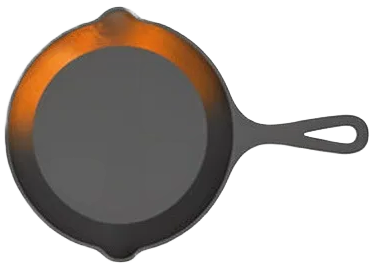
Cast Iron or Enameled Cast Iron: Which Pan Is Right for Your Kitchen?
Deciding between a traditional cast iron skillet and its enameled cousin often boils down to one worry: which one is easier to care for without constant seasoning battles? Having used and restored both for years, I can tell you the best pick hinges on your cooking style and how much maintenance you’re willing to do.
To help you choose, I’ll walk you through the key points I always consider:
- The fundamental build: bare iron you season versus a baked-on glass coating you don’t.
- How heat reacts differently in each pan and what that means for your sear.
- Simple, proven care steps to prevent rust in one and chips in the other.
- The cooking tasks where each type truly outperforms the other.
Key Takeaways: The Short Answer
Here is the quick comparison to help you decide.
- Choose bare cast iron if you value a non-stick surface you build yourself, ultra-high heat searing, and a piece you can restore and maintain for generations.
- Choose enameled cast iron if you prefer a ready-to-use, non-reactive surface perfect for acidic foods (like tomato sauce), and you want to avoid the upkeep of seasoning.
Both types are incredibly durable and excel at holding heat, but how you clean and care for them is completely different.
The Core Difference: Bare Iron vs. A Glass Coating
Think of a traditional cast iron skillet as a single, solid piece of metal. That black, slick cooking surface isn’t the iron itself; it’s a layer of polymerized oil called “seasoning.” I like to compare it to a very thin, hard coat of paint that you apply and maintain. This layer is what provides the non-stick quality and protects the iron from rust.
Enameled cast iron, like the popular colorful Dutch ovens, is different. The iron core is coated at the factory with a layer of porcelain enamel, which is essentially a type of glass that’s fused onto the metal at extremely high temperatures. This glass coating is permanent, non-porous, and means the pan never needs to be seasoned. This distinction sits at the heart of the traditional vs enameled seasoning debate. Some cooks prize the seasoned patina of traditional cast iron, while others prefer the low-maintenance care of enameled Dutch ovens.
Run your fingers over a well-seasoned skillet and it feels smooth, almost waxy. An enameled interior feels slick and glossy, like ceramic or glass. That enamel coating is what lets you simmer wine or tomatoes for hours without a metallic taste, something you have to be more careful about with a newer or less robust seasoning layer on bare iron.
How Do They Handle Heat and Sticking?
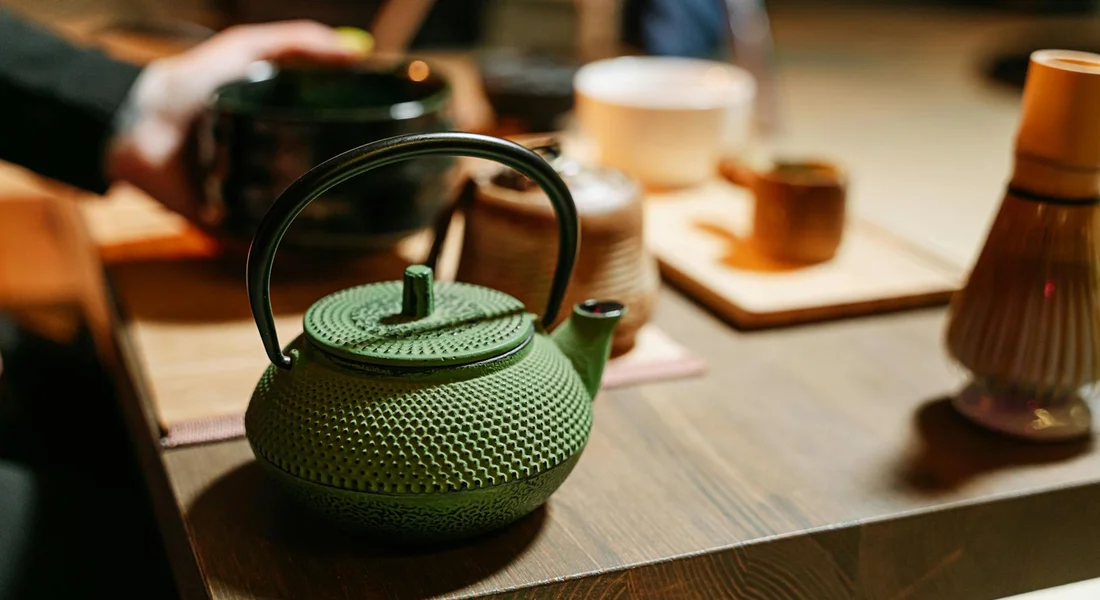
Both types need proper preheating. You should never blast either one on high heat empty. The difference is in the stakes. My bare iron skillet can handle the occasional thermal shock, even if I don’t recommend it. An enameled pot cannot. Drastic, empty heat changes can cause the glass-like enamel to crack or “craze,” creating a network of fine lines. Always start with low to medium heat and let it warm up gradually.
The non-stick property comes from two completely different sources. In a well-seasoned bare pan, it’s a polymerized layer of oil that gets better with use, like a well-worn leather jacket. In an enameled piece, it’s the inherent slick, glassy surface of the coating itself, which stays consistent from day one.
This defines what you cook in each. The slick enamel surface is naturally excellent for simmering tomato sauces, wine reductions, or anything acidic that can break down a young seasoning layer on bare iron. For getting a hard, dark sear on a steak or building those crispy fried potatoes, a well-heated seasoned surface on bare cast iron is still king.
This brings us to common questions. What are the best uses for cast iron cookware? For bare cast iron, focus on searing, frying, baking cornbread, and general stovetop-to-oven cooking. For enameled cast iron cookware sets, lean on them for braising, slow-cooking stews, boiling pasta, and making acidic dishes. Can enameled cast iron go in the oven? Almost always yes, and usually to very high temperatures (often 450°F to 500°F). The limitation is usually the knob on the lid, which may have a lower heat rating, so check your manufacturer’s instructions. When using the oven, always follow safety temperature guidelines and proper preheating practices to protect the cookware and your kitchen. These best practices help ensure even heating and longevity of your cast iron.
Durability: Chips, Cracks, and Rust
Think of durability in terms of different failure modes. Enameled cast iron fears impact. Dropping the lid on a ceramic tile floor or whacking the rim with a metal spoon can chip the coating. Bare cast iron fears moisture. Leaving it wet in the sink or storing it with the lid on while damp invites rust.
The key difference is repairability. A rusted or flaky bare iron pan is a weekend project: scrub off the rust, re-season it, and it’s like new. A badly chipped enamel interior is often a death sentence for the pot. While a tiny chip on the exterior might be cosmetically ignored, a chip on the cooking surface exposes the raw iron beneath, which can rust and may flake more enamel into your food, making it unsafe for cooking.
Bare iron is fundamentally more forgiving of mistakes. You can always sand it down and start over. With enamel, the factory coating is a one-time application you can’t replicate at home, which is especially important when considering cast iron versus enameled cast iron cookware.
The Big One: Daily Care and Cleaning
Your after-dinner routine is where these two worlds truly diverge. For bare cast iron, it’s a quick, hands-on ritual: cleaning and seasoning it properly after cooking.
For enamel, the rule is gentle care. Use soft sponges, nylon brushes, or specific enamel-safe pastes. No metal scouring pads, no abrasive cleansers, and be cautious with metal utensils to prevent scratches. You are cleaning a glass surface, not building up a seasoning layer. Dish soap is not just fine, it’s your best friend for cutting through grease on enamel.
Remember, you cannot build or repair seasoning on an enameled surface. Any “patina” that forms is just cooked-on food carbon, and you should gently clean it off. If you see darkening on light-colored enamel, a soak with a baking soda paste usually takes care of it.
Speaking of maintenance, a frequent question pops up here: How do you remove rust from cast iron? For light surface rust, scrub the area with white vinegar and a scouring pad, rinse, dry immediately, and apply a fresh layer of oil. For heavier rust, you may need to strip and completely re-season the pan, which involves a more thorough process with lye or electrolysis.
What Are the Real-World Trade-Offs?
Choosing between enameled cast iron vs bare cast iron often comes down to your tolerance for maintenance versus your need for versatility. Here’s a straightforward comparison to help you weigh the options.
| Factor | Bare Cast Iron | Enameled Cast Iron |
| Upfront Cost | Generally lower. A great skillet is an affordable lifetime purchase. | Higher. You’re paying for the glass coating process, especially for a full enameled cast iron cookware set. |
| Maintenance Effort | Higher initially (seasoning), then simple but consistent (dry and oil). | Lower daily effort (just wash), but requires more careful handling to avoid chips. |
| Repair Potential | High. Rust and worn seasoning are fully user-repairable. | Very Low. DIY repair is not practical; chips are often permanent. |
| Reactivity with Food | Can react with acidic foods if the seasoning is new or weak. | Non-reactive. Perfect for all acids (tomatoes, wine, vinegar) from day one. |
| Best For | Searing, frying, baking, and developing a custom non-stick surface. | Simmering, braising, boiling, and cooking acidic dishes without worry. |
In my kitchen, I reach for my bare skillet when I want a perfect crust. I grab my enameled Dutch oven when I’m making a long-simmered chili. They are tools with different, complementary jobs.
What Helped Me: A Personal Rule of Thumb
I have two main pieces on my stove right now, my grandmother’s well-seasoned skillet and a cobalt blue enameled Dutch oven. Here’s how I decide without thinking: if the food needs a hard sear or I’m cooking for one, I grab the bare iron. For long, wet cooks with acidic ingredients, the enameled pot comes out.
My bare iron handles the daily grind of searing steaks, frying eggs, and making cornbread, while my enameled piece is reserved for Sunday gravy, coq au vin, and baking no-knead bread. This split keeps both pieces performing at their best for decades.
One of my favorite pro-tips is for reheating. Leftover pizza or fried chicken goes into the bare skillet over medium-low heat. The iron pulls moisture away and gives you back that crisp texture. An enameled surface can steam food more easily in that situation.
How to Choose Based on Your Cooking Style
Your choice really comes down to your kitchen habits. Ask yourself these questions:
- Do you mind a short, warm water scrub and a quick dry on the stovetop after cooking?
- Do you frequently make dishes with tomatoes, wine, or vinegar that simmer for more than 30 minutes?
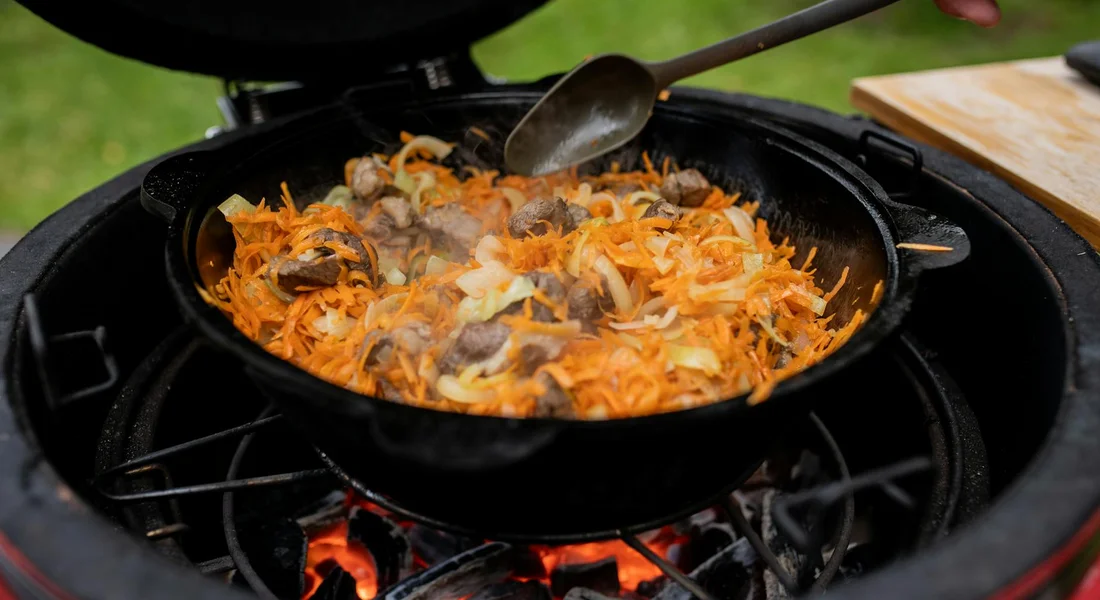
- Is your goal a pan you can use over a campfire or on a grill as easily as on the stove?
If you answered yes to the first and last questions, traditional cast iron is for you. If the second question is a big yes, you need enameled cast iron.
Think of an enameled cast iron Dutch oven as a masterpiece for soups, stews, and artisan bread. Think of a bare cast iron skillet as a tireless workhorse for burgers, pancakes, and searing chops. An enameled cast iron braiser is a brilliant hybrid, offering the enamel’s acidity resistance with a wide, shallow shape perfect for dishes like chicken cacciatore. If you’re exploring an enameled cast iron guide, you’ll learn how composition, coatings, and finishes influence durability and care.
Special Considerations for Specific Pieces
Some cookware shapes are better suited to one style over the other. A grill pan, with all its nooks and crannies, is a challenge to clean when enameled. Food sticks in the ridges and the glossy coating makes scraping difficult. A bare cast iron grill pan seasons in those grooves, making cleanup simpler over time.
Loaf pans are another interesting case. A bare cast iron loaf pan will give you incredible crust on bread. An enameled cast iron loaf pan with a lid is often marketed for its looks and easy cleaning, but the lid is the real benefit, trapping steam for a professional bake.
You’ll also find hybrid designs. It’s common for a company to sell a bare iron pot with an enameled lid. This gives you the versatile cooking surface of raw iron with a lid that won’t rust and is easy to wipe clean.
A Quick Word on Brands and Value
For bare cast iron, don’t overthink it. A modern Lodge skillet is a phenomenal tool that, with care, will perform as well as a costly vintage find. The value is in the material and your maintenance, not a brand name.
With enameled cast iron, price often tells a story. It usually correlates with the durability of the glass coating and the range of colors. A less expensive enameled piece might chip more easily or discolor over high heat, while a pricier one often has a tougher, more resilient finish applied with greater precision.
Don’t choose an enameled pot based solely on a famous name or a beautiful color. The quality and thickness of the enamel coating are what matter most for longevity. When researching enameled cast iron brands, I always suggest looking at long-term owner experiences on forums or communities like Reddit to see how the finish holds up after years of real use.
Common Questions
My enameled pot has a small chip on the cooking surface. Is it ruined?
A chip on the interior cooking surface is a serious flaw. The exposed iron can rust, and further enamel may flake into your food. For safety, that piece should be retired from cooking.
How do I remove stubborn, baked-on food from my enameled Dutch oven without damaging it?
First, fill it with warm water and a drop of dish soap and let it soak. For persistent spots, make a paste of baking soda and water, apply it, let it sit, then gently scrub with a nylon brush or sponge before rinsing.
What’s the single most important thing to do after washing my bare cast iron skillet?
Dry it completely, immediately. Heat it on the stove for a minute to drive off any residual moisture, then apply the lightest, thinnest coat of oil with a towel before storing. This prevents rust and maintains your seasoning.
Choosing Your Kitchen Companion
The best choice always comes down to your cooking style and how much maintenance you enjoy. For direct heat, deep seasoning, and a lifetime project, choose traditional cast iron; for effortless versatility and acidic foods, choose enameled. You might also be interested in guides on building a strong seasoning layer or safely removing rust from older pieces. People also weigh cast iron against stainless steel to see which offers the better seasoning durability. That question often shapes long-term choices for cooks who care about flavor-building and maintenance.
Expert Resources and Citations
- Cast Iron vs. Enameled Cast Iron Skillet: Which Is Better?
- r/AskCulinary on Reddit: Enameled vs Cast Iron
- Cast iron vs enameled cast iron skillet – which is better? | Tom’s Guide
- Seasoned or Enameled: Which Type of Cast Iron Is …
- What is the difference between regular cast iron and …
- Enameled Cast Iron vs. Cast Iron: What’s the Difference? – Made In
Joseph Gerald
A material science expert by profession, Joseph is also an avid cook. He combines his 10+ years expertise in material science and metallurgy with his passion for cast iron cookware to bring you best hands on advice. His expertise ranges from types of cast iron cookware to best seasoning tips as well as restoration of vintage cast iron utensils. Joe is here to help you solve all your cast iron cookware queries and questions.