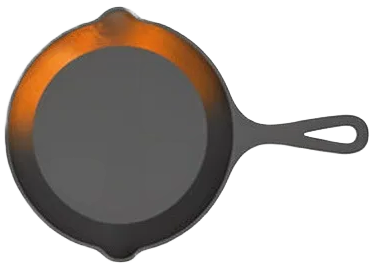
Does Your Cast Iron Pan Really Add Iron to Your Food?
If you’re wondering if your trusted skillet is secretly seasoning your meals with metal, you’ve come to the right place. After years of restoring and cooking with cast iron, I can tell you the answer isn’t as scary as some myths make it sound.
- How your pan’s seasoning and what you cook affect iron transfer
- The straightforward facts about iron’s impact on your health
- Clearing up common fears about rust and toxicity
- Practical tips for cooking with cast iron confidently
Key Takeaways
Here’s what you need to know right away.
- Iron leaching from your skillet into food is real. This is a chemical fact, not a myth.
- The amount transferred is typically small and can be a helpful dietary boost for many people.
- Your pan’s seasoning layer is your primary control knob for managing this transfer.
- Individuals with hemochromatosis (iron overload disorder) should use caution and likely avoid regular cooking with cast iron.
- Proper maintenance-building and keeping a good seasoning-manages leaching effectively for everyday cooking.
The Simple Truth: Does Cast Iron Really Leach Iron?
Yes. Cast iron does leach iron into your food.
This isn’t a guess or an old wives’ tale. Multiple scientific studies have confirmed it. For example, research published in the Journal of the American Dietetic Association found that cooking in cast iron can significantly increase the iron content of food, especially when cooking acidic items like tomato sauce or apple sauce. Think of it like a very, very slow tea steeping, where the pan is the teabag and your food is the water.
The key takeaway is not that leaching happens, but that the amount is something you can influence and is often nutritionally trivial or even beneficial.
I’ve tasted this effect myself. When I cook a long-simmered tomato sauce in a pan that’s freshly stripped of its seasoning, I sometimes detect a faint, metallic tang I don’t get from my well-blackened daily driver. That’s the iron talking.
What the Research Actually Shows
Studies measure iron transfer in milligrams. The numbers vary widely based on the food, cook time, and the pan’s condition. A classic study found that scrambling eggs in a cast iron skillet added about 1-2 milligrams of iron, while simmering a tomato-based sauce for hours could add over 5 milligrams.
To make sense of those numbers, let’s compare them to the iron already in your food.
- A 3-ounce serving of cooked spinach has about 2.7 mg of iron.
- A 3-ounce beef patty has about 2.1 mg of iron.
A single meal cooked in cast iron might add an amount of iron similar to eating a few extra bites of spinach or meat. For most people, this is a non-issue or a slight nutritional perk, not a concern. Any concerns are primarily related to unmanaged rust patches rather than well-seasoned surfaces.
How Iron Moves from Your Pan to Your Food
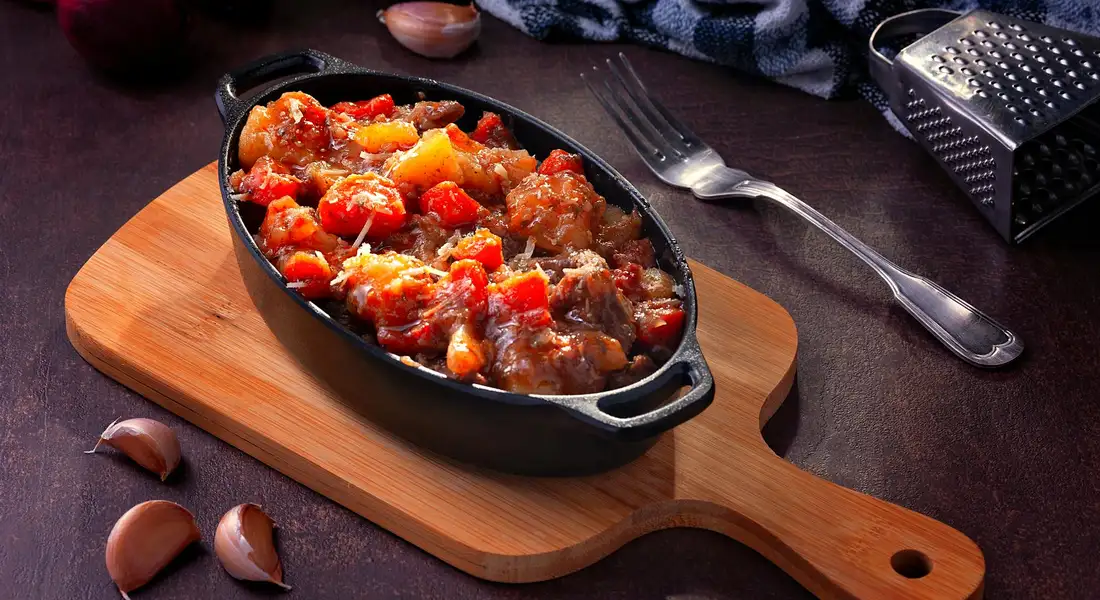
Picture a tea bag steeping in hot water. The tea leaves slowly release flavor and color into the water. Iron leaching works in a similar, gentle way.
Small amounts of iron can dissolve from the pan’s surface and migrate into your food during cooking. This transfer requires two things: the bare iron metal of your pan and moisture or acidity from your food to act as a carrier.
It’s a simple chemical reaction, not a defect. Your pan is doing what iron naturally does when it meets certain conditions in your kitchen.
The Role of Acid and Liquid
Acidic ingredients are the most efficient at pulling iron from the pan. Tomatoes, vinegar, wine, and citrus juice act like a gentle solvent on the metal surface.
They react with the iron, helping it dissolve into the cooking liquid. Water-based cooking methods, like simmering a stew or boiling a sauce, provide a bath for this to happen. You’ll see more iron transfer in a wet, acidic chili than you will when dry-searing a steak, simply because there’s more liquid to hold the dissolved iron.
Think of it this way: frying an egg in butter exposes the pan to very little free liquid, so leaching is minimal. Boiling a tomato sauce does the opposite.
Why a Well-Seasoned Pan is Different
A well-seasoned pan has a layer of polymerized oil bonded to the iron. In my workshop, I describe this layer as a pan’s raincoat.
This dark, slick coating sits between the raw metal and your food. It acts as a physical barrier. A thick, stable seasoning layer significantly reduces iron transfer by shielding the bare metal from direct contact with acids and moisture.
It doesn’t create a perfect, impermeable seal. Some microscopic exchange can still occur, especially over time. But a well-maintained seasoning is your first and best line of defense.
What Increases or Decreases Iron Leaching?
You are in the driver’s seat. By understanding a few key factors, you can directly influence how much iron moves into your meals. Here is a straightforward comparison: do this for more iron, do that for less.
Factors That Boost Iron Transfer
If you want to maximize the iron content of your food, these practices will help:
- Cook highly acidic foods frequently, such as tomato-based sauces or dishes with a lot of vinegar or wine.
- Use a brand new pan or one that has been completely stripped back to bare metal, as there is no seasoning barrier.
- Opt for long, slow cooking methods like simmering or braising, which give iron more time to dissolve.
- Stir aggressively with metal utensils, which can microscopically scratch the surface and expose fresh iron.
High cooking temperature by itself is not a major leaching factor; the real issue is cooking acidic foods for a prolonged time. A quick, hot sear is different from a two-hour simmer of marinara.
Factors That Minimize Iron Transfer
To reduce the amount of iron that leaches into your food, focus on these techniques:
- Maintain a thick, glossy seasoning layer through proper cleaning and occasional oven seasoning.
- Build your pan’s seasoning by cooking neutral or fatty foods like cornbread, fried potatoes, or bacon before regularly using it for acidic dishes.
- Always pre-heat your cooking oil in the pan before adding food; this helps polymerize a thin protective layer on the fly.
- Avoid storing acidic leftovers in the pan. Transfer them to a container once cooking is done.
The ingredients and methods you choose for a meal directly control the leaching process, so your recipe selection has a real impact. Cooking a creamy pasta sauce will result in less iron transfer than a long-simmered red wine reduction.
Health Impacts: Is This Iron Good or Bad for You?
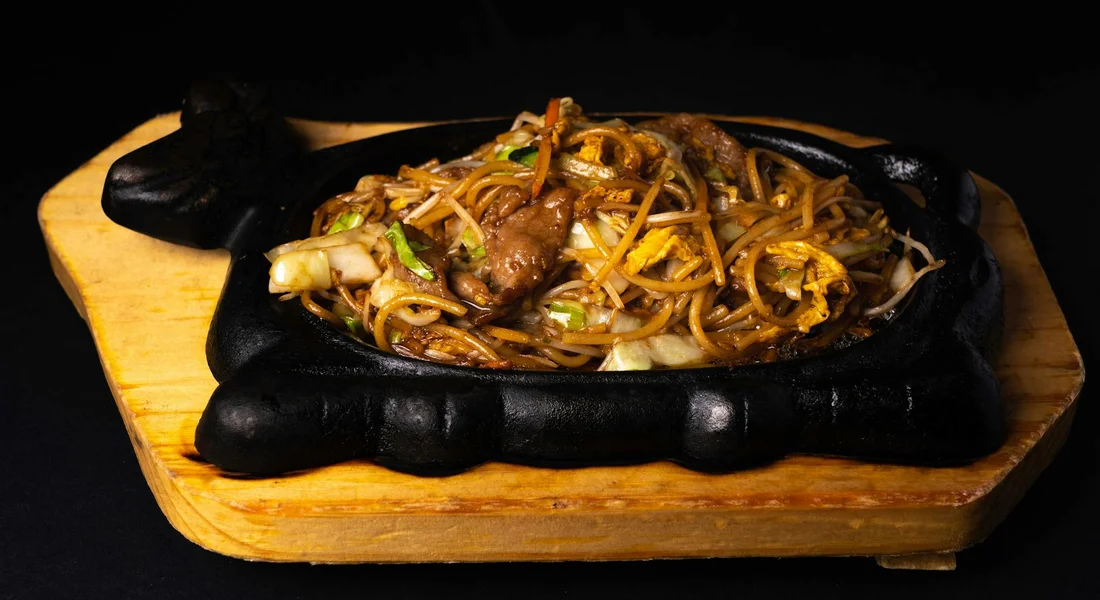
Let’s get to the heart of the matter. The iron that transfers from your pan into your food is a form of dietary iron. Whether this is good, bad, or neutral depends entirely on your personal health.
For most people, it’s a non-issue or even a small benefit. The key is to move past fear and look at the facts about your own body.
The iron from your cookware is safe for the vast majority of home cooks, and for some, it can be a helpful dietary supplement.
When Extra Iron is a Helpful Boost
The iron from cast iron is called non-heme iron. It’s the same type found in plants like spinach and legumes. Your body absorbs it differently than the heme iron from meat.
For individuals with low iron levels or iron-deficiency anemia, cooking with cast iron can be a simple, passive way to increase intake. I’ve known folks who, on their doctor’s advice, started using their skillet more often to support their levels. Some readers may wonder whether cooking with cast iron actually adds iron to your food. The answer depends on factors like cooking time and acidity, but many find it a practical way to nudge daily iron intake.
- Non-heme iron: This is the type that transfers. It’s less readily absorbed than iron from meat, which helps prevent overload.
- Intentional use: If you need more iron, cooking moist, acidic foods (like tomato sauce or chili) in a well-seasoned pan for short periods can slightly increase the amount that leaches in a beneficial way.
Think of your cast iron as a potential tool for dietary support, not a source of contamination.
Understanding the Risk of Too Much Iron
The main concern for iron overload is a genetic condition called hemochromatosis, where the body stores too much iron. If you have this condition, you should absolutely consult your doctor about cookware use.
For the general population without this condition, getting too much iron from cast iron cookware is highly unlikely. Your body has a natural regulatory system for non-heme iron.
When people search “cast iron leaching iron into food dangerous,” they’re often imagining a toxic, immediate threat. That’s not the reality.
The medical reality is that iron overload from daily cast iron use is a specific concern for a small percentage of people with certain health conditions, not the general public.
Debunking Common Cast Iron and Iron Myths
Online forums are full of strong opinions. Let’s clear the air on a few persistent myths you’ve probably seen debated.
Myth: Cast Iron Makes Food Taste Metallic and Unsafe
A metallic taste is your pan talking to you. It’s almost never a sign of poisoning. It’s a sign that your seasoning layer is thin, new, or worn in spots, allowing more direct contact between the iron and your food.
My oldest skillet has never given my food a metallic taste because its seasoning is built up and stable. A newer or recently stripped pan might, until that layer develops.
A metallic taste is a maintenance signal, not a safety alarm. It often means your pan could use another layer of seasoning.
Myth: A Perfectly Seasoned Pan Blocks All Iron
Seasoning is a polymerized oil coating. It’s fantastic at creating a non-stick surface and drastically reducing the amount of iron transfer, but it’s not a perfect, impermeable seal. People often wonder: does this polymerized coating actually bond to cast iron, or is it just a surface layer? The answer lies in the chemistry of polymerization and adhesion, which we can explore further.
Think of a well-seasoned pan like a well-painted wooden fence. The paint protects the wood from the rain and sun, but over a very long time, tiny amounts of the wood still interact with the environment. A minimal, safe exchange can still happen.
Seasoning is your primary defense, reducing transfer to negligible levels for most, but it doesn’t create a 100% iron-proof barrier-and that’s perfectly okay.
Myth: You Should Never Cook Acidic Foods in Cast Iron
This is an absolutist rule that causes unnecessary anxiety. You can cook acidic foods like tomato sauce, wine pan sauces, or lemon-butter in a well-seasoned pan.
The acidity can draw out more iron (which, as we discussed, can be good or neutral) and may slightly weaken the seasoning layer, requiring a quick stovetop re-seasoning afterward. I make a quick chili in my Dutch oven all the time. I just give it a light oil rub and heat on the stove after cleaning.
- Short periods are fine: A 20-minute simmer is different from storing tomato sauce in the pan overnight.
- Maintenance follow-up: If your seasoning feels rough or sticky after cooking something acidic, a quick oven or stovetop seasoning session will restore it.
Cooking acidic foods is acceptable with proper pan care, debunking the common online fear that it will ruin your pan or make food unsafe.
Smart Maintenance to Manage Iron Leaching
The health talk is interesting, but your daily care is what truly controls your pan. Think of your maintenance routine as the dial for iron transfer. With the right habits, you decide how much, or how little, iron moves from pan to plate.
You are in charge. A well-cared-for pan is predictable, which is exactly what you want.
How Building Your Seasoning Controls Leaching
Your seasoning isn’t just for non-stick cooking. It’s your primary shield. Each time you bake on a thin layer of oil, you’re not just adding a coat. You are polymerizing it, transforming it into a hard, slick barrier bonded to the iron.
Every new layer makes this barrier thicker and more resilient. A thick, stable seasoning is like several coats of tough paint on a metal fence. It dramatically reduces the bare iron surface area that acidic foods can interact with.
More robust seasoning means less direct contact between your food and the raw iron, which is the main path for leaching.
After cooking something acidic, like tomato sauce, a quick maintenance wipe makes a big difference. Once the pan has cooled slightly, give it a wash, dry it completely, and apply the thinnest possible coat of oil with a paper towel. This simple act helps repair any micro-abrasions and keeps your protective layer strong for next time.
Care Tips to Minimize Unwanted Iron Transfer
Your daily handling determines your pan’s long-term behavior. Follow these steps to keep your seasoning intact and leaching minimal.
- Dry your pan thoroughly after every wash. I always put mine on a low stove burner for a few minutes to evaporate all water. Any leftover moisture leads to rust, and rust is bare, reactive iron you don’t want in your food.
- Use gentle cleaning tools. Opt for a brush, chainmail scrubber (used gently), or non-metal scraper. Avoid harsh steel wool or abrasive pads that can strip your hard-earned seasoning away.
- Store your pan in a dry place. A humid cabinet can promote surface rust. If you stack pans, place a paper towel or a cloth between them to prevent scratches.
These habits are not just about preserving your pan; they are the daily practices that ensure consistent, controlled cooking performance.
When You Might Want a Little More Iron
For some, a bit of dietary iron from cooking is a benefit. If you fall into this group, you can use your pan with intention. Understanding the healthy truth about iron absorption and safety when cooking with cast iron can guide your approach. It helps you maximize benefits while staying mindful of safety.
The key is to do it knowingly, not by accident. Start with a very well-seasoned pan-one with that classic black, glossy patina. A newer or stripped pan will leach far more iron, and the metallic taste can be overpowering.
You can then occasionally cook acidic dishes in it, like a quick simmer of tomato sauce or a wine pan sauce. Monitor the flavor and your own response. This is a personal choice about your diet, not a standard feature of your cookware.
My own oldest skillet adds a subtle something to a long-simmered chili, but I would never use it for a quick, bright tomato salsa. You learn the rhythm of your own pan through practice.
Common Questions
If a well-seasoned pan is the best barrier, how do I know when my seasoning needs refreshing?
Your pan will tell you. Look for patches that appear dull, gray, or rough instead of glossy and black. If food starts sticking noticeably more or you detect a faint metallic taste, it’s time for a maintenance round of oven seasoning.
I cooked something acidic and my pan’s surface feels rough. Did I ruin the seasoning?
No, you likely just weakened the polymerized layer. Acid can etch the surface. Simply clean the pan, dry it thoroughly, apply a thin coat of oil, and heat it on the stovetop until it just starts to smoke. This will re-polymerize a protective layer.
For minimal iron transfer, what’s the single most important maintenance habit?
Complete drying after every wash. Any residual moisture leads to rust, which is highly reactive bare iron. After cooking, clean and maintain your cast iron skillet to keep its seasoning intact. Always place your cleaned pan on a low burner for a few minutes to evaporate all water before storing it.
Cooking with Confidence and Cast Iron
The single best thing you can do is keep your pan well-seasoned. A strong, polymerized layer of seasoning is what gives you control over your cooking surface and naturally manages any mineral transfer. For more on building that perfect layer, our guides on oven seasoning and fixing sticky seasoning are great next stops.
Related Guides and Information
- How Much Iron Do I Get From a Cast Iron Skillet? | Food Network
- r/castiron on Reddit: Does cast iron actually increase iron?
- Effect of cooking food in iron-containing cookware on increase in blood hemoglobin level and iron content of the food: A systematic review – PMC
- Does Cooking in Cast Iron Add More Iron to Your Diet?
- Iron And Carcinogens In Cast Iron, Whats Cooking America
Joseph Gerald
A material science expert by profession, Joseph is also an avid cook. He combines his 10+ years expertise in material science and metallurgy with his passion for cast iron cookware to bring you best hands on advice. His expertise ranges from types of cast iron cookware to best seasoning tips as well as restoration of vintage cast iron utensils. Joe is here to help you solve all your cast iron cookware queries and questions.