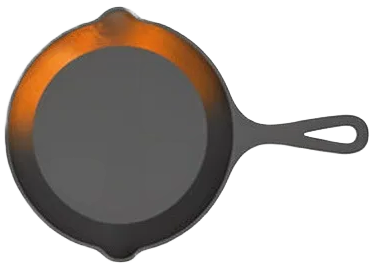
What Makes Griswold Cast Iron So Special to Collectors?
If you’ve ever wondered about the legacy of that smooth, lightweight Griswold pan in your cupboard, you’re not alone. Knowing its full story transforms it from a simple tool into a piece of history you’re helping to preserve.
- We’ll trace Griswold’s journey from its innovative factory beginnings to its coveted status today.
- You’ll learn how to identify genuine Griswold pieces by their distinctive markings and craftsmanship.
- I’ll explain why these pans command such respect and high prices from collectors.
- We’ll cover how this history directly informs the best ways to clean and season your vintage find.
Why Does Griswold Cast Iron Still Matter Today?
You might wonder why a cookware company that closed its doors in 1957 still commands so much attention. The answer lies in a combination of superior craftsmanship and enduring performance that modern foundries often don’t replicate. Griswold set a standard that collectors and cooks still chase.
The two most praised features are its relatively lightweight build and its incredibly smooth cooking surface. Griswold perfected a method of casting their iron thinner and more evenly than most contemporaries. This makes a large Griswold skillet feel surprisingly manageable compared to the thicker, heavier modern lodge skillet sitting in my own cabinet. The reduced weight means better heat control and less arm fatigue, especially when you’re moving a full pan.
That legendary smooth finish wasn’t just for show. At the factory, the cooking surfaces were ground and polished, sometimes by hand. This created a nearly glass-like texture that made seasoning stick more effectively and provided a naturally better non-stick surface from the start. It’s the difference between painting a rough, textured wall and a smooth, sanded one. The seasoning layers bond more evenly to a smooth base. This historical quality directly fuels its collector demand and its reputation as a joy to cook with, even 70 years later.
I can tell you from personal use, the feel is distinct. My go-to No. 8 Griswold has a certain grace to it. The handle is finely detailed, the walls are sloped just right for flipping, and the surface is so smooth my spatula glides almost silently. Picking up a contemporary budget pan right after feels blunt and coarse in comparison. It’s a tangible link to a different standard of manufacturing.
How Do You Identify a Griswold Cast Iron Piece?
Identifying a Griswold piece is like detective work, and the clues are in the markings. The company’s logos and markings evolved over its long history, providing a way to date your find.
The evolution of main logos typically follows this path:
- Early Script (Circa 1865-1906): Look for a fancy cursive script that says “Griswold” on the bottom. Pieces from this very early period are rare.
- The “ERIE” Mark (Circa 1880s-1906): This is one of the most iconic marks. It features the word “ERIE” (for Erie, Pennsylvania) in large, distinct block letters, often with “GRISWOLD’S” in smaller text above it. Not all Erie pans are Griswolds, but all Griswold Erie pans are highly collectible.
- Block Letter Logos (Circa 1906-1957): Later pieces use “GRISWOLD” in all capital block letters, often inside a circle or an arc. The familiar “Large Block” and “Small Block” logos fall into this era.
Beyond the main logo, you need to read the other mold marks. On the bottom of a skillet, you’ll usually find a size number (like 8 for an 8-inch skillet). On the handle’s top side, look for a pattern number. This is a more specific manufacturing code. A “710” pattern number, for example, is a common one for skillets. These numbers help experts pinpoint the exact model and era.
The physical characteristics are just as telling as the markings. Run your fingers across the cooking surface of a true Griswold; it should feel almost polished, with a fine, even grain, not the rough, pebbly texture common on new, unseasoned cast iron. The interior walls are often finely finished and the overall casting has a refined, precise look with minimal flashing (the rough, thin edges of excess iron from the mold). This level of finish mirrors the complete manufacturing process behind cast iron cookware. A full breakdown covers alloy selection, molding, finishing, seasoning, and quality checks.
Use this simple checklist when you examine a piece:
- Check the bottom for a clear Griswold logo (Script, ERIE, or Block).
- Find the size number on the bottom (center or near the handle).
- Locate the pattern number on the top of the handle.
- Feel the cooking surface. Is it smooth or rough-textured?
- Assess the weight. Does it feel lighter than a modern pan of similar size?
- Look for casting flaws. True Griswolds have very few.
Quick Snapshot: Griswold vs. Modern Cast Iron
This comparison isn’t about declaring one “better,” but about understanding their differences in your hand and on your stove. Think of it as the difference between a hand-tailored suit and a durable work jacket both have their place.
| Feature | Vintage Griswold | Typical Modern Cast Iron |
|---|---|---|
| Weight | Lighter, thinner casting | Heavier, thicker casting |
| Surface Finish | Polished smooth, great seasoning base | Rough, pebbly texture (pre-seasoned) |
| Handle Design | Detailed, often with a hanging hole, ergonomic | Utilitarian, simpler design |
| Collectible Value | High, varies by age and rarity | Low, generally utilitarian value |
For cooking feel, the Griswold’s smooth surface can mean less sticking during the initial seasoning period. Its lighter weight makes it more responsive to changes in burner temperature. For maintenance, that smooth surface is also easier to clean with gentle scrubbing, as food has fewer tiny crevices to grip onto. A modern pan is incredibly durable and often less expensive, but it requires more initial work to build a smooth seasoning layer over its rough texture.
How Can You Date Your Griswold Cookware?
Dating a Griswold piece is a bit like detective work. You look for the clues they left behind in the iron. The most reliable clues are the logos and markings on the bottom of the pan. These changed over time, creating a clear timeline.
The Story in the Logo
Griswold’s markings evolved in distinct phases. Think of it like fashion trends for cast iron.
- Circa 1884-1909: The “ERIE, PA” Era. The earliest pieces are marked with a simple, elegant script that says “ERIE, PA.” They often lack a size number. Finding one of these is a real treasure, like the first edition of a classic book.
- Circa 1909-1939: The Large Block Logo. This is the iconic Griswold look collectors love. You’ll see “GRISWOLD” in large block letters arched over “ERIE, PA.” The size number sits inside a heat ring at the 12 o’clock position. This era produced some of the brand’s most sought-after skillets and gem pans.
- Circa 1940-1957: The Small Logo. Later pieces feature a smaller, simplified block logo. The “ERIE, PA” marking is dropped, leaving just “ERIE.” The iron often feels slightly lighter, and the casting may be a bit rougher. This was Griswold’s look during the war years and up until the Wagner buyout.
The change from “ERIE, PA” to just “ERIE” is one of the simplest ways to tell if your piece is pre-1940 or post-1940.
The Wagner Chapter and Final Clues
In 1957, the Wagner Manufacturing Company purchased Griswold. For a short time, some pieces were marked with both “GRISWOLD” and “WAGNER.” By the 1960s, new production simply used the Wagner name. This marks the end of true Griswold manufacturing.
A word of caution. Some modern foundries make reproductions or “re-casts” of old Griswold pans. These new casts often have blurry lettering, odd proportions, and a feel that’s just not right to an experienced hand. If the price seems too good to be true, or the markings look muddy, double-check with the collector community before you buy.
What Is a Griswold Cast Iron Price Guide?
A price guide isn’t a single number. It’s a framework for understanding value based on several key factors. Whether you’re buying to use or to collect, these elements determine what a piece is worth.
What Drives the Price?
- Rarity: Common pieces like a #8 skillet are plentiful. A #1 skillet or a specific gem pan shape is not. Rarity always wins.
- Size and Model: Extremely small or large skillets, Dutch ovens with ornate legs, and specialty items like muffin pans (gem pans) or waffle irons often command higher values than standard skillets.
- Condition: This is everything. A pan with a perfectly smooth cooking surface, no pitting, and an intact original handle is worth far more than one with cracks, deep rust, or a wobbly bottom.
- Original Packaging: Finding a Griswold in its original cardboard box is the holy grail for collectors. It sends the value into a completely different tier.
You must separate “user” price from “collector” price. A collector pays a premium for mint, untouched condition. A user, like me, might pay less for a piece with great structure but needing a full restoration. Both are valid, but the prices are different.
How to Research Real Prices
Forget old printed books. Values change. To see what people are actually paying right now, you need to look at completed auction listings on sites like eBay. Filter your search to show “Sold” items. This shows the final price, not just what someone is asking.
Online collector forums are also invaluable. Enthusiasts there discuss recent finds and fair market values daily. Spend time there learning the language and looking at photos before you make a significant purchase. It’s the best way to avoid overpaying for a common piece or missing a great deal on a rare one.
How Do You Bring a Griswold Back to Life?
Finding a Griswold covered in rust and old grease is exciting. You see the potential. Restoring it is different from cleaning a modern pan. These old pieces are thinner and their smooth finish is part of their magic. You must be gentle when cleaning and restoring vintage cast iron skillets.
The goal is to strip it back to bare, gray iron without damaging the metal itself. For decades of built-up carbonized gunk, you have two main choices.
- A lye bath: This is a plastic tub filled with water and a lye-based product like oven cleaner. It safely dissolves organic crud without hurting the iron. Your pan soaks for a few days.
- Electrolysis: This setup uses a battery charger and a washing soda solution to pull rust and crud off through a chemical reaction. It’s very effective for heavy rust.
After the crud is gone, you often find rust. For this, a short vinegar bath works. Mix one part white vinegar with one part water. Submerge the pan for only 30 minutes. Any longer risks etching the metal. Scrub with steel wool, rinse, and dry immediately. Before disposal, consider removing the rust to improve recyclability and reduce waste. This prep step can make it easier to follow local disposal guidelines and keep metal out of landfills.
Scrubbing a Griswold requires a lighter touch than a modern lodge pan. Avoid aggressive power tools or harsh sandpaper discs. You can easily wear down the precious smooth surface. Use Scotch-Brite pads, stainless steel wool, or a copper chore brush. Your hands will tell you when it’s smooth.
Tailored Seasoning for Antique Iron
Once your Griswold is bare and dry, it’s time to build a new patina. This process is more involved than maintaining a pre-seasoned modern skillet.
- Warm the pan in a 200°F oven for 15 minutes. This opens the pores of the metal.
- Apply a microscopic layer of a high-smoke point oil (like grapeseed, avocado, or Crisco) with a rag. Then, use a clean, dry rag to wipe it off as if you made a mistake. What remains is the perfect thin layer.
- Place the pan upside-down in a 450°F oven for one hour. This bakes the oil into a hard polymer layer.
- Let it cool in the oven. Repeat this process 3 to 5 times.
The first few layers on bare iron are foundational; patience here makes maintenance easy later. I treat my 1920s Griswold #8 like this, and its jet-black finish is now completely non-stick.
Contrast this with a modern preseasoned pan. That pan already has 1-2 factory layers. Your job is just to cook with it, using a little fat, and maybe add a stovetop seasoning layer occasionally. Restoring a vintage piece is a project. Maintaining a modern one is routine care.
When to Seek Professional Help for Griswold Restoration
Most crusty pans can be saved at home. But some damage is a red flag. If you see any of these, stop and consider a pro.
- Severe, deep pitting across the cooking surface. A few small pits are normal history. A surface that looks like the moon can affect cooking.
- Hairline cracks, especially near the handle or sidewalls. These can spread with heat stress.
- A warped or spinner pan. Set it on a flat countertop and press the center. If it rocks or spins, it’s warped.
A rare logo, a family heirloom, or a piece you’re emotionally invested in is worth the cost of professional restoration. An expert has the tools and experience to assess and fix issues safely.
To find a good restorer, look within the cast iron collector community. Online forums and social media groups are full of enthusiasts who can recommend trusted individuals. Ask to see before-and-after photos of their work on antique iron specifically, especially cast iron pans or similar items.
What Are the Alternatives to Collecting Griswold?
Griswold is the star, but it’s not the only vintage brand with that legendary smooth finish and light weight. If you love the qualities but not the prices, look for these.
Early Wagner Ware pieces, especially those made before the 1960s, are excellent. They used similar patterns and finishing techniques. A Wagner from the 1930s cooks nearly identically to a Griswold from the same era. Favorite Piqua, Wapak, and Martin are other older American brands held in high regard by collectors. To help readers identify the date of vintage pieces, consult a concise identify-date vintage cast iron guide that covers Griswold, Wagner, and more. These resources break down marks, logos, and finishes that reveal when a pan was made.
Excellent modern cast iron is available if your main goal is cooking, not collecting. Brands like Stargazer, Field Company, and Butter Pat are machined smooth and are fantastic daily drivers. They lack the history but perform superbly. These brands are reviewed and compared in detail to help you choose the best cookware for your kitchen.
Your best pan is the one you use. It might be a hundred-year-old Griswold you restored, a $30 lodge you keep well-seasoned, or a modern smooth-skillett. Choose what fits your budget and goals, then focus on the care that makes any cast iron last a lifetime. Think about how it will perform in your kitchen. This helps you evaluate quality and choose the right cast iron cookware for your needs.
Common Questions
My Griswold’s surface is so smooth. Does it need different care than a modern rough-textured pan?
Yes, treat it more gently. Its polished finish has fewer grooves for food to stick in, so harsh abrasives like steel wool or chainmail scrubbers can scratch it unnecessarily. For cleaning, use hot water, a stiff nylon brush, or a paste of coarse salt and oil for stubborn bits.
How do I maintain the seasoning on my vintage Griswold after I’ve restored it?
Maintenance is simpler than the initial restoration. After each use, clean it gently, dry it thoroughly on the stovetop, and apply a whisper-thin layer of oil while it’s warm. The key is consistency-this routine protects the patina between cooks far better than occasional intensive re-seasoning. That philosophy mirrors the clean-season-maintain approach to caring for cast iron. Following clean, season, and maintain routines keeps your skillet ready for the next cook.
Is it safe to use my antique Griswold on a modern induction cooktop?
Only if a magnet sticks firmly to the entire cooking surface. Some very early or exotic pieces may not be fully magnetic. If it passes the magnet test, start on a medium-low heat setting to avoid thermal shock, as the thinner iron heats faster than modern pans.
Honoring Griswold Cast Iron Through Care
The best way to respect a Griswold piece’s history is to keep its cooking surface protected with a good layer of seasoning. Treating it with regular, thin coats of oil preserves both its utility as a pan and its legacy as a collectible. You might also find value in topics like evaluating vintage iron or the science behind polymerized oil.
Deep Dive: Further Reading
- Evolution of the Griswold Trademark – The Cast Iron Collector: Information for The Vintage Cookware Enthusiast
- Welcome! – Griswold Cookware
- Griswold Collectible Cast Iron Cookware for sale | eBay
- Griswold Cast Iron – Cast & Clara Bell
A material science expert by profession, Joseph is also an avid cook. He combines his 10+ years expertise in material science and metallurgy with his passion for cast iron cookware to bring you best hands on advice. His expertise ranges from types of cast iron cookware to best seasoning tips as well as restoration of vintage cast iron utensils. Joe is here to help you solve all your cast iron cookware queries and questions.