How Does Cast Iron Heat Retention Affect Your Cooking?
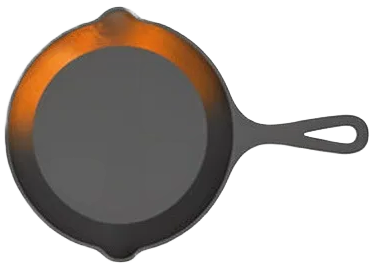
If your cast iron sometimes cooks food unevenly or leaves you guessing about the right heat level, the pan’s incredible ability to hold heat is likely the reason. Grasping how cast iron stores and releases thermal energy is the first step to using it confidently and keeping your seasoning in top shape.
Here’s what we’ll cover to help you cook smarter:
- The simple science behind why cast iron holds heat longer than other pans.
- How this steady heat transforms searing and prevents temperature swings.
- My go-to method for preheating to avoid hot spots and burnt seasoning.
- Why this thermal mass makes cast iron ideal for finishing dishes in the oven.
The Simple Science of Heat in Your Skillet
Think of your cast iron skillet as a heat battery. A thin, lightweight pan is like a small battery. It charges up (heats up) quickly, but it also drains (cools down) fast. Your heavy cast iron pan is a massive, industrial-sized battery. It takes a while to charge fully, but once it’s charged, it holds that energy for a long, long time.
This is the difference between heat absorption and heat retention. Absorption is how fast a pan soaks up heat from your burner. Retention is how well it holds onto that heat once it has it. Cast iron is famously slow at the first one and incredibly good at the second. That’s its superpower.
This thermal mass comes from the pan’s thick, dense metal. Your seasoning layer sits on top of this. A good seasoning makes the surface slick and helps with browning, but it doesn’t change the pan’s core ability to store heat. It’s like the paint on a brick wall. The paint changes the surface feel, but the bricks are what provide the real strength and insulation.
Cast Iron vs. Other Pans: A Heat Comparison
To see this in action, let’s compare. A stainless steel pan heats up faster than cast iron. It’s responsive. But the moment you drop a cold steak onto it, the pan’s temperature plummets because the thin metal can’t hold the heat. You have to wait for the burner to re-heat the pan—unlike cast iron, which retains heat much better.
My old aluminum non-stick skillet was even faster to heat, but the heat spread unevenly, creating hot spots that burned my grilled cheese in one spot while leaving another pale.
Cast iron behaves differently. When you add that cold steak to a properly preheated cast iron skillet, the pan’s stored thermal energy acts as a buffer, preventing a dramatic temperature crash and maintaining a strong sear. This is a glimpse into the science of heat transfer. Cast iron’s high thermal mass and dense walls mean it stores more energy and distributes it more evenly than thinner pans.
Enameled cast iron, like a Dutch oven, has this same heavy iron core. It absorbs and retains heat identically. The only difference is the glass-like enamel coating, which means you’re cooking on a slick porcelain surface instead of a seasoned metal one.
How Heat Retention Changes Your Cooking Results
Once you understand that your skillet is a steady, reliable source of heat, you can start using it as a precision tool. You’re not fighting a pan that cools down too fast or heats up unevenly. You’re working with a consistent thermal mass.
Why Cast Iron is a Searing Powerhouse
This is where cast iron truly shines. A proper sear requires sustained, high heat to trigger the Maillard reaction (that’s the fancy term for delicious browning). Because the pan’s temperature stays steady when food hits it, you get a better, faster crust.
The practical benefit is huge. With my 12-inch skillet, I can sear two or three steaks in a row. The pan stays hot enough for the second and third steak because the first one didn’t drain all its energy. You just add a touch more fat between batches. A thinner pan would need time to reheat fully.
Getting Even, Golden Browns in the Oven
This same principle works for baking. When you pour cornbread batter or pizza dough into a preheated cast iron pan, the hot metal provides steady, radiant heat from the bottom and sides. This promotes an incredibly even bake and a spectacularly crisp crust.
You often need to reduce oven temperature or baking time by about 25 degrees or 5 minutes because the pan continues to cook from its own retained heat even after you take it out of the oven. It’s a small adjustment that prevents over-browning on the bottom.
Using Your Pan as a Slow Cooker and Food Warmer
Your skillet’s ability to hold heat isn’t just for high-heat tasks. On a low burner, it provides gentle, even warmth perfect for slowly caramelizing a big batch of onions without scorching. You have incredible control.
After cooking, turn the burner off. The pan will keep your food warm at the table for far longer than a regular serving dish. I use my skillet to keep fajita vegetables and chicken warm while we assemble our plates. A thin pan would turn lukewarm in minutes, but cast iron keeps everything pleasantly hot. It’s like having a built-in warmer.
Common Mistakes with Cast Iron Heat (And How to Fix Them)
Many cooks get frustrated with cast iron, blaming the pan for sticky food or uneven browning. The truth is, the pan is fine. The error is usually in how we manage its unique heating personality. Let’s fix the problems that make people think their skillet is “bad.”
Rushing the Preheat (The #1 Error)
Putting food into a cold or lukewarm pan is the most common mistake. It misuses the very property you bought it for, its heat retention. A cold cast iron skillet acts like a heat sink, sucking energy away from your food instead of searing it. This leads to sticking and steaming. After cooking, clean and dry it well to preserve the seasoning. A light oil rub helps maintain your skillet for the next round of searing.
Give your pan time. I preheat my 12-inch skillet for a full 5 minutes on a medium-low burner. How do you know it’s ready? Try the water droplet test. Flick a few drops of water onto the surface. If they sizzle and evaporate, it’s not ready. If they dance and skitter around like beads of mercury, the pan is properly preheated. You can also hold your hand a few inches above the pan’s center; you should feel a consistent, radiating warmth.
A properly preheated pan doesn’t just cook food; it creates a non-stick surface through instant searing.
Fighting the Burner Instead of the Pan’s Memory
When a pan heats slowly, the instinct is to crank the dial to high. With cast iron, this backfires. The burner’s intense flame creates a small, super-hot spot directly above it. The heavy metal then slowly, stubbornly spreads that heat outward. You end up with a small area that’s scorching hot and outer edges that are still cool.
You are fighting the pan’s thermal mass, or its “heat memory.” It wants to heat evenly, but it needs time to do so. The fix is to use a medium heat and be patient from the start. Let the pan’s mass equalize at a manageable temperature. This gives you a larger, more consistent cooking surface and prevents those dreaded tiny, burned spots in the center of your pancake.
Assuming “Even Heating” Means “Instant Even Heating”
Cast iron is praised for heating evenly, but that’s the final result, not the journey. During warm-up, it absolutely can have hot spots. The key is to let it come to a full, complete heat before you start cooking (why cast iron excels at heat retention and distribution).
To visualize this, try a simple test. After a 5-minute preheat on medium, place a few small pieces of potato skin or a slice of bread in the pan. Don’t add any oil. The areas that brown first show you where your burner’s heat is concentrated. This isn’t a flaw; it’s a map. Let the pan heat for another 2-3 minutes, and you’ll see the browning become much more uniform. Now you know it’s truly ready.
Cast iron’s even heating is a reward for your patience during the preheat.
When to Choose a Different Pan (The Honest Alternatives)
I love my cast iron, but I reach for other pans several times a week. Acknowledging this doesn’t weaken cast iron’s value; it makes you a smarter, more versatile cook. Using the right tool for the job is a sign of experience. When you compare cast iron vs non-stick pans, you’ll see that home cooking benefits from knowing when each wins the day. The key is choosing the tool that best fits the dish and your technique.
Tasks Where a Lighter Pan Shines
Cast iron’s greatest strength, its heat retention, is its weakness for tasks needing quick temperature changes. For dishes where you need to rapidly shift from high heat to low, a clad stainless steel or aluminum pan is superior.
- Quick Sautés: Wilted spinach or tender asparagus need a pan that responds instantly when you turn down the heat. Cast iron’s stored energy will keep cooking them aggressively.
- Pan Sauces: After searing a steak, you often deglaze with wine or broth and then swirl in butter. This process requires fast reduction and immediate cooling to emulsify the fat. A lighter stainless steel pan gives you that precise control.
Also, if your cast iron seasoning is new or still building, a trusted non-stick pan is the better choice for delicate items like a flaky white fish fillet or a thin egg crepe. It prevents a frustrating mess that could discourage you. Think of it as training wheels while your skillet’s seasoning matures into its own reliable non-stick surface.
Having a good clad stainless steel pan alongside your cast iron isn’t a replacement; it’s the perfect companion for a complete kitchen.
Your Checklist for Mastering Cast Iron Heat
Think of this as your quick-reference guide for getting predictable, professional results every time you cook. Follow these steps to work with your pan’s natural properties, not against them.
Step 1: Match Your Pan Size to Your Burner
This is the most common mistake I see. Using a small burner under a large pan creates a hot spot right in the center, leaving the outer edges cooler. Conversely, a large burner under a small skillet wastes energy and can overheat the sides of the pan.
Your goal is to have the flame or electric coil cover most of the pan’s bottom. A good rule is to have the pan sit within the outer edge of the burner ring. Matching your pan to your burner is the single biggest factor in achieving even heating from the start. My 10-inch skillet lives on my medium-sized burner, and my large griddle gets used over two burners or on the grill outside.
Step 2: Preheat Low and Slow
You can’t rush this. Cast iron heats unevenly if you crank the heat to high right away. The thick metal needs time for the heat to spread from the center out to the edges.
Here’s my non-negotiable routine:
- Place your pan on a burner set to low.
- Let it warm up for a full 3 minutes.
- Then, turn the dial to your cooking temperature (this is usually medium, not high).
- Wait at least another 2-5 minutes before adding any food or oil.
Giving your pan a full 5 to 8 minutes of gradual preheating ensures the entire cooking surface is ready, which prevents sticking and promotes a perfect sear.
Step 3: Listen and Look for the Right Cues
Your pan will tell you when it’s ready. Don’t just guess based on time. Use these physical signs:
- The Handle is Warm: Carefully touch the handle. If it’s hot, the pan is definitely ready. If it’s still cool, the heat hasn’t traveled that far yet.
- The Surface Shimmers: Look closely at the seasoned surface. You’ll see a slight, barely-there shimmer of heat waves.
- The Water Test: Flick a few drops of water onto the surface. If they bead up and skate around before evaporating, you’re at a good searing temperature. If they sizzle and disappear instantly, the pan might be too hot.
Step 4: Manage Heat with Time, Not Just the Knob
This is where cast iron’s magic really happens. Once the pan is fully hot, it *stays* hot. You don’t need constant high heat to maintain temperature like you do with thin stainless steel.
For searing a steak or cooking pancakes, I often turn the heat down to medium-low right after I add the food. The massive amount of heat already stored in the pan continues to cook the food evenly. With cast iron, you are often reducing the external heat and letting the pan’s retained thermal energy do the steady, consistent work for you. This prevents the scorched centers and raw edges that come from fighting an overpowered burner.
Step 5: Maintain the Surface for Best Performance
Heat retention is about the iron, but heat *transfer* to your food is all about the surface. A smooth, well-seasoned layer is like a superhighway for heat. It conducts energy from the metal directly and evenly to whatever you’re cooking.
A damaged surface creates problems. Flaky carbon crust acts like a little insulator, creating cool spots. Rust pits are valleys where heat transfer is poor and food will stick. Grasping the role carbon plays in rust prevention and understanding your pan’s patina guides smarter care. This knowledge helps tailor cleaning, drying, and oiling for lasting performance. Your maintenance routine-gentle cleaning, thorough drying, and occasional oiling-isn’t just about rust prevention; it’s the key to unlocking your pan’s full cooking potential. A pan with a glassy-smooth patina will always outperform a neglected one, even if they are the same brand and thickness.
Common Questions
How does cast iron’s heat retention influence temperature control?
It shifts control from the burner knob to the pan itself. Once properly preheated, the stored thermal energy provides a steady baseline, so you often reduce the external heat to prevent scorching. This makes it forgiving, but demands patience during the initial warm-up to achieve true evenness.
What are the advantages of cast iron’s heat retention for slow cooking?
The primary advantage is gentle, consistent warmth without hot spots. On a low setting, the heavy mass radiates heat evenly, making it ideal for tasks like caramelizing onions or simmering a sauce without constant stirring. This prevents the scorching that can happen in thinner pans, protecting your seasoning from sudden, high-temperature shocks.
Why is cast iron’s heat retention beneficial for keeping food warm?
The pan acts as a radiant serving dish. After cooking, the residual heat held in the iron will keep food at a perfect serving temperature far longer than a standard platter. To utilize this, simply turn off the burner and let the pan’s mass do the work, which also means less frantic timing when getting a meal to the table.
Working With Cast Iron’s Heat
The best thing you can do is learn to preheat your pan slowly and let its natural heat retention work for you. Once you adjust your timing and temperature, you’ll get superior results you can’t achieve with thinner pans. Mastering this skill goes hand-in-hand with proper cleaning and maintaining your skillet’s seasoning.
Research and Related Sources
- Heat retention myths and facts: Does cast iron hold heat better than clad? Is clad better than disc-base at retaining heat longer?
- r/AskCulinary on Reddit: What do people mean when they say “Cast iron stores more heat”?
- The Science of Cast Iron: Why It’s the Best Cookware for Heat Retention and Even Cooking
- How to Use Cast Iron Over Any Heat Source – Lodge Cast Iron
Joseph Gerald
A material science expert by profession, Joseph is also an avid cook. He combines his 10+ years expertise in material science and metallurgy with his passion for cast iron cookware to bring you best hands on advice. His expertise ranges from types of cast iron cookware to best seasoning tips as well as restoration of vintage cast iron utensils. Joe is here to help you solve all your cast iron cookware queries and questions.