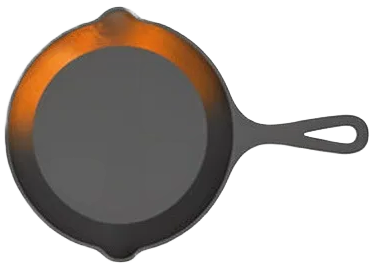
Why Does Cast Iron Excel at Heat Retention and Distribution?
Have you ever worried your cast iron cooks unevenly or cools too fast? Cast iron’s legendary steady heat comes down to a few reliable physical properties you can trust every time you cook.
- The straightforward reason cast iron holds heat so stubbornly long.
- How its dense metal structure naturally spreads heat to prevent hot spots.
- Why your seasoning layer is a silent partner in thermal performance.
- Actionable ways to use this knowledge for superior searing and baking.
Key Takeaways: What Heat Properties Mean for Your Pan
This is not just kitchen trivia. Knowing how your pan behaves with heat is the difference between frustration and flawless cooking. It tells you exactly how to treat your skillet to get the best results and keep it in great shape.
1. Cast Iron Holds Heat Exceptionally Well
Think of your cast iron skillet like a thermal battery. It takes a while to charge up with heat, but once it’s full, it delivers that energy steadily and for a long time. This property is called high thermal mass.
This massive heat retention is why cast iron is legendary for creating a perfect, crusty sear on steaks or achieving a crispy-edged cornbread. The pan doesn’t cool down drastically when you add cold food.
For maintenance, this is your most important rule. That stored heat is a powerful force. Never plunge a screaming-hot pan into a sink of cold water. The extreme, rapid temperature change can cause the iron to contract so quickly it cracks. Let it cool on the stovetop first.
2. It Heats Unevenly at First (And That’s Normal)
If you put your hand over a cold cast iron pan on a high burner, you’ll often feel hot spots right over the flames. Cast iron is not a great conductor of heat. It moves heat from one part of the pan to another relatively slowly compared to metals like aluminum or copper.
The fix for uneven heating is always slow, gentle preheating. I start my pans on low to medium-low for at least 5 minutes, often longer. This gives the heat time to spread out gradually across the entire cooking surface. Rushing this step is the main cause of food sticking in one spot while burning in another.
3. It Needs Slow Preheating and Gradual Cooling
This point ties the first two together. Because it heats slowly and unevenly at first, and because it holds so much heat, you must treat it with patience at both the beginning and end of cooking.
Start low and slow to allow for even heating. When you’re done, let the pan cool down naturally on a cool burner or a trivet. Managing these slow temperature transitions is the secret to preventing warping, cracking, and thermal shock that can damage your pan’s structure. My oldest skillet has lasted decades because I never hurry its heat-up or cool-down.
Quick Snapshot: Cast Iron vs. Other Cookware
| Material | Heats Up | Cools Down | What It Means for You |
|---|---|---|---|
| Cast Iron | Slowly | Slowly | Excellent for searing, terrible for quick temperature changes. |
| Aluminum | Very Quickly | Very Quickly | Reacts fast to burner adjustments but lacks staying power. |
| Stainless Steel | Moderately | Moderately | Often paired with an aluminum core to balance speed and evenness. |
| Copper | Extremely Quickly | Extremely Quickly | The most responsive, but expensive and requires upkeep. |
This table shows why cast iron is in a category of its own. You don’t choose it for speed. You choose it for its steady, unwavering performance once it’s properly heated. That slow cool-down is also why it keeps food warm at the table longer than any other pan in your cupboard.
The Two Superpowers: Thermal Mass and Conductivity
Think of your cast iron skillet as having two distinct superpowers. One is all about holding onto heat, and the other is about moving that heat around. They work together, but they are not the same thing. That’s why understanding why to use a cast iron skillet matters. Our complete guide covers its benefits and advantages.
The first power is thermal mass. This is the pan’s ability to store a large amount of heat energy. Imagine a heavy, spinning flywheel on an old engine. It takes a lot of effort to get it spinning, but once it’s going, it has tremendous momentum and is hard to stop. Your cast iron is that flywheel. Its dense, heavy structure soaks up heat from your burner like a battery, storing it.
The second power is thermal conductivity. This is how quickly heat energy travels through the metal from one spot to another. This is where cast iron shows its unique character. It has moderate conductivity, which is slower than metals like aluminum or copper.
This difference-high mass but moderate conductivity-explains the classic “hot spot” feeling when you first heat a cast iron pan. The area directly over the burner flame gets hot fast, but that heat is slow to spread sideways to the rest of the pan. That polymerized oil finish we call seasoning is your direct interface with these underlying physical properties.
Why “Heat Retention” is Really About Mass
When we praise cast iron for keeping food warm for ages, we are praising its thermal mass. The scientific term underneath this is specific heat capacity. In plain talk, it means cast iron requires a lot of energy (heat) to raise its temperature, and it releases that stored energy just as slowly.
This is why you can sear a steak on the stovetop and then slide the whole pan into the oven to finish cooking. The pan doesn’t cool down dramatically when you add room-temperature food. That same stored heat is why you can bring a pan of cornbread to the table and it stays warm through the entire meal.
This incredible ability to hold heat is also the source of its greatest fragility: thermal shock. Pouring cold water into a scorching hot pan creates a violent temperature difference. The metal tries to contract rapidly in the cooled spot while the rest is still expanding, which can lead to warping or even cracking. The very property that makes it a great heat battery makes it vulnerable to sudden temperature changes.
Why “Heat Distribution” Requires Patience
Because heat moves through cast iron at a measured pace, it spreads across the cooking surface more slowly than it travels up from the burner. The bottom center gets hot first. If you crank the heat to high right away, you create a severe temperature imbalance. This is the science of heat transfer in cast iron—low conductivity and high heat capacity at work. It explains why cast iron retains heat and distributes it differently.
This is not a design flaw. It’s the simple physics behind the most important rule in cast iron cooking. You must always preheat your cast iron low and slow. Giving it five to ten minutes over low to medium-low heat allows that thermal energy to gently diffuse from the hot spot out to the edges and up the walls.
A properly preheated pan doesn’t cook evenly because heat zips across it like on aluminum. It cooks evenly because the entire mass of iron has become one giant, stable reservoir of heat. You are cooking with the pan’s stored energy, not with the direct flame underneath it at that moment.
How Your Seasoning Affects the Heat
Your pan’s seasoning isn’t just for non-stick performance. This thin layer of polymerized oil is the final layer in the heat transfer chain from burner to food, and it changes the surface physics. The science behind this process involves polymerization creating a non-stick surface.
A well-built seasoning layer is smoother than bare, sand-cast iron. This smoothness allows for better microscopic contact with your food. Think of it like two pieces of wood. A rough, splintery piece won’t make full contact with another. A sanded, smooth piece will. Better contact means more efficient conduction of heat from the pan into your food.
Now, contrast that with a patch of bare or flaky seasoning. When food hits that spot, it often sticks. That stuck layer then creates a pocket of steam, which is an excellent insulator. This tiny steam barrier drastically reduces heat transfer right where you need it most, leading to uneven cooking and more sticking.
Caring for your seasoning isn’t just about maintenance for its own sake. Good maintenance directly optimizes the pan’s natural thermal performance by creating a consistent, efficient cooking surface. Your stewardship of the seasoning allows the iron underneath to do its best work.
What “Hot Spots” and “Heat Squares” Really Mean
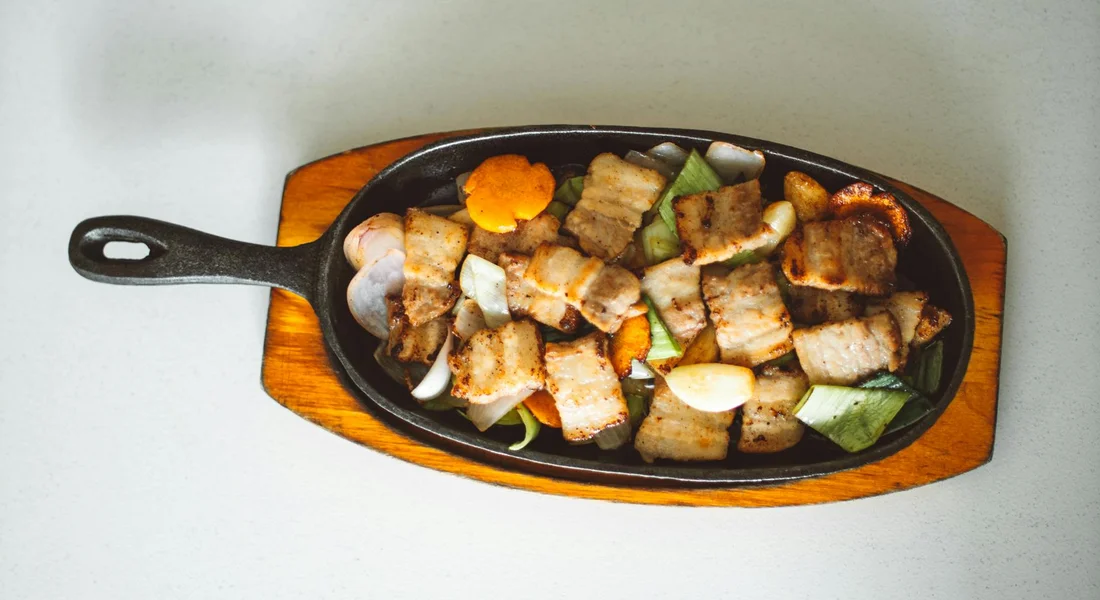
Does cast iron cookware heat evenly? Let’s be honest. No pan heats with perfect uniformity, and cast iron is no exception. Its great strength is not instant, even heat, but its ability to hold and distribute heat steadily once it gets there.
On any stovetop, the area directly over the flame or electric coil gets the most energy. You can think of your burner as a painter with a very focused brush. It starts painting heat onto one spot. Cast iron’s job is to spread that paint across the entire canvas, but it needs time.
If you crank the heat to high, the painter works too fast. The center gets a thick, hot glob of paint while the edges are barely touched. This creates hot spots where food burns, while other areas barely cook.
On an electric coil stove, you might see a perfect imprint of the burner on your pan’s surface-a ring or square of darker seasoning. I call these “heat squares.” They look alarming, but they’re just a map of where the direct heat contacted the iron first.
These patterns are completely normal and will even out as the pan’s thermal mass moves heat laterally from the hot zones to the cooler ones.
The fix is simple but requires a shift in mindset: use a lower heat setting and allow more preheat time. Medium or medium-low is often your new high. Giving the pan five to ten minutes to warm up lets the thermal mass do its fundamental job of balancing temperature across the entire cooking surface.
Using the Science: Better Preheating and Cooling
You can use the principles of thermodynamics to your advantage. Proper heating and cooling protect your pan and give you superior cooking results. Here is a method that works for my vintage skillets and modern pieces alike.
A Thermodynamic Preheating Guide
- Start Low. Place your dry pan on a cold burner. Set the burner to the lowest setting. Let the pan warm gently for 3-5 minutes. This allows the entire iron structure to expand slowly and uniformly.
- Increase Gradually. Turn the burner up to your target cooking temperature, usually medium or medium-low. Let it sit for another 5 minutes. Patience here is what builds an even heat base.
- Perform the Water Test. Flick a few drops of water onto the pan’s surface. If they dance and skitter around before evaporating, the pan is properly and evenly preheated. If they immediately boil away in one spot, it needs more time. If they just sit and sizzle, it’s not hot enough yet.
This gradual method prevents thermal shock, which can cause hairline cracks over time, and it protects your hard-earned seasoning from sudden, extreme stress that leads to flaking.
You’ll find food sears better and sticks less because the entire cooking surface is ready, not just a small, super-hot spot in the center.
How to Cool and Care for a Hot Pan
What you do after cooking is just as critical. Never shock a hot pan. Moving it from a 400-degree burner directly into a sink of cold water is a recipe for disaster. The violent, uneven contraction can warp or even crack the iron.
- Turn off the heat. Let the pan cool down right on the cool burner, or move it to a heat-resistant trivet or your oven’s cold rack.
- Clean while warm. Once the pan is cool enough to handle but still warm to the touch (after 10-20 minutes), clean it. Warm water and a brush loosen food residue much more easily than cold water on a cold, greasy pan.
- Dry and protect. Dry it thoroughly immediately after washing, then give it a very light coat of oil if you store it for more than a day or two.
Letting your pan cool naturally and cleaning it while warm is the single best practice to prevent warping, cracking, and damaging the polymerized seasoning layer.
This simple cooling routine respects the material’s properties, ensuring your pan stays flat, strong, and ready for decades of use.
Caring for Your Pan Based on Its Physics
Knowing how your pan handles heat changes how you treat it. Your maintenance routine should work with the iron’s nature, not against it.
Since cast iron heats slowly, a common mistake is blasting the burner to hurry it up. This doesn’t warm the center of the pan any faster. It just makes the spot directly over the flame dangerously hot, creating a massive temperature difference. This can lead to warping over time or cause your seasoning to crack from thermal shock. I give my main skillet a good ten minutes on a medium-low flame to come up to temp. It’s a lesson in patience that pays off.
The high thermal mass that makes it a great searing tool also makes it a self-cleaning powerhouse.
After cooking, that stored heat is your best friend. For a pan that’s just been used to sear a steak or fry potatoes, I’ll often just pour out the grease, give it a quick scrape with a metal spatula, and call it done. The residual heat polymerizes any tiny bits left, effectively baking them into the seasoning. For stuck-on food, adding a little water to the hot pan creates steam that lifts the residue, making scrubbing easy.
That need for even heating is why a flat cooking surface is non-negotiable. A warped pan that rocks on your stove will have poor contact with the heat source. The heat can’t transfer efficiently, leading to cold spots where food sticks and burns, and hot spots where it scorches. Warping is often caused by rapid temperature changes, like putting a hot pan under cold water. A warped pan still has its thermal mass, but its performance is fundamentally compromised.
Caring for a cast iron pan is different from maintaining a thin, reactive pan like aluminum. Think of cast iron as a thermodynamic workhorse. It needs a stable, protective layer of seasoning to function at its best. Your job is to build and protect that layer. A thin aluminum pan is a sprinter. It reacts instantly to heat changes but has no thermal memory. You don’t season it, you just keep it clean and avoid scratching it.
Choosing the Right Pan for the Thermal Job
Cast iron isn’t the only pan in the kitchen, and it’s not the best tool for every job. Its physics make it ideal for specific tasks, especially when compared to other cookware materials.
You want to reach for your cast iron when you need relentless, steady heat. It excels at:
- Searing: Its high heat capacity lets you get a fantastic crust without the temperature plummeting when you add the food.
- Baking: Think cornbread, dutch baby pancakes, or deep-dish pizza. The even, radiant heat from the sides and bottom creates an perfect oven-like environment.
- Frying: It maintains a stable oil temperature, so your food cooks evenly and absorbs less grease.
- Slow Simmers: Once it’s up to a gentle bubble, it will hold that temperature with very little adjustment to the burner.
There are times when another pan is better. For a quick, delicate pan sauce that requires you to rapidly adjust heat, a tri-ply stainless steel or copper-core pan responds faster. If you’re cooking a piece of delicate fish that needs to come off the heat the instant it’s done, a lighter pan gives you that immediate control.
Enameled cast iron, like a Dutch oven, shares the same thermal core. The thick iron provides fantastic heat retention and distribution. The glass coating changes two things. First, it’s more sensitive to thermal shock, so you should avoid preheating it empty on high heat or putting a hot lid under cold water. Second, you don’t need to build a seasoning layer, so cleaning often involves soap and a non-abrasive scrubber without the worry of damaging a polymerized oil finish. Cleaning is especially straightforward on clean enameled cast iron cookware porcelain-coated surfaces. Just use soap and a non-abrasive scrubber to maintain that durable finish.
When you understand why your pan heats the way it does, the mystery and frustration fade away, and you can just use the superb tool in front of you.
Common Questions
Does overheating my pan during seasoning ruin it?
Yes, excessively high heat burns off seasoning instead of polymerizing it, creating a weak, flaky layer. Always season in a moderate oven (typically 450°F-500°F) for the recommended time. A durable seasoning is built patiently with thin, baked-on layers of oil.
My pan has a dark “heat square” from my electric burner. Is this damaged?
No, this is a normal thermal map, not damage. It shows where heat was applied most directly. To minimize pronounced patterns, always preheat slowly on medium-low to allow the iron’s mass to distribute the heat evenly across the entire surface before cooking.
If my seasoning is visually imperfect, is it still working?
Absolutely. The primary job of seasoning is to protect the iron and provide a smooth, non-stick surface. Seasoning your cast iron properly helps ensure that the pan is not rusting and food releases easily, making your seasoning functionally sound. Consistent cooking and proper cleaning will continue to maintain and improve its thermal performance over time.
Heat Management for Lifetime Performance
Based on everything we’ve covered, your most important takeaway is to always preheat your cast iron slowly and patiently. This single practice honors the material’s nature, preventing hot spots and ensuring that legendary, even cook you bought it for. For the full picture on maintaining your pan through decades of use, our resources on seasoning chemistry and gentle cleaning methods are a great next step. With that in mind, a quick clean after cooking and a light re-season when needed will keep your skillet performing beautifully. In short, clean, season, and maintain your cast iron skillet for decades of reliable cooking.
Relevant Resources for Further Exploration
- Heat retention myths and facts: Does cast iron hold heat better than clad? Is clad better than disc-base at retaining heat longer?
- r/AskCulinary on Reddit: What do people mean when they say “Cast iron stores more heat”?
- The Science of Cast Iron: Why It’s the Best Cookware for Heat Retention and Even Cooking
- How to Use Cast Iron Over Any Heat Source – Lodge Cast Iron
- Heat distribution | Cast Iron Collector Forums
- Pros & Cons of Cookware: Find Your Perfect Kitchen Fit
Joseph Gerald
A material science expert by profession, Joseph is also an avid cook. He combines his 10+ years expertise in material science and metallurgy with his passion for cast iron cookware to bring you best hands on advice. His expertise ranges from types of cast iron cookware to best seasoning tips as well as restoration of vintage cast iron utensils. Joe is here to help you solve all your cast iron cookware queries and questions.