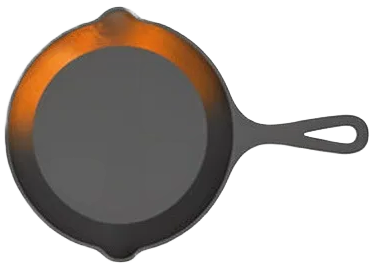
How Do You Cook Acidic Foods in Cast Iron Without Damaging It?
You might avoid making a quick tomato sauce or deglazing with wine in your cast iron, fearing it will ruin the seasoning. I use my own well-seasoned skillets for acidic foods regularly, and with a few mindful practices, you can do the same without harming your pan.
This guide will walk you through the practical steps I rely on. Here are the key points we’ll cover:
- The simple science behind why acidic foods can be tricky and how a good seasoning layer acts as your first defense.
- My go-to methods for cooking acidic dishes that minimize risk and preserve your pan’s finish.
- What to do immediately after cooking to clean your pan and keep its seasoning strong.
What Happens When Acid Meets Iron?
Think of your pan’s seasoning as a hard, slick shell that sits on top of the raw iron. When you introduce an acidic ingredient, it’s like pouring a mild solvent on that shell.
The Science Made Simple
The seasoning is a layer of polymerized oil, a type of plastic. This polymerization chemistry is what creates the non-stick surface on seasoned cast iron. Proper seasoning builds a durable, slick layer that resists sticking and protects the iron. Most acids are weak, but they can slowly break down that plastic layer over time, especially during long cooking. If the acid gets through to the bare iron beneath, a chemical reaction happens. This can pull tiny amounts of iron into your food and start breaking down the iron itself, leading to rust.
This reaction is why you might taste metal or see a dull, grayish patch on your cooking surface after making a long-simmered tomato sauce.
Everyday Acidic Foods to Know
You don’t need to avoid these foods, but you should cook them with awareness. The big ones are:
- Tomatoes (sauces, salsas, diced)
- Wine (used for deglazing or in sauces)
- Vinegar (pan sauces, dressings)
- Citrus Juices (lemon, lime)
- Some fruits like pineapples and berries
The main factor is time. A quick splash of wine to deglaze a pan is very different from simmering a chili for two hours. For the FAQ on “acidic foods cast iron avoid,” the answer isn’t to avoid them entirely. The caution is needed for prolonged, wet cooking. A short cook time is usually fine for a well-protected pan.
Building a Bulletproof Seasoning for Acidic Cooking
A “well-seasoned” pan for acidic cooking isn’t just about being non-stick. It’s about having a thick, durable barrier. I compare it to the difference between a thin coat of paint and several baked-on, ceramic-like layers. The goal is a deep, polymerized finish that acids can’t easily penetrate.
Why a Thick, Polymerized Layer Matters
That black, glossy surface on a vintage skillet? That’s decades of thin, polymerized oil layers fused together. This creates a much more chemically resistant surface than the thin factory seasoning on a new pan. It’s less porous and far more durable. This built-up patina is your best defense against acidic ingredients, acting like a non-reactive cooking surface similar to enamel or stainless steel.
How to Test Your Pan’s Seasoning Health
Before you cook anything acidic, do a quick check. Here’s how I test my own skillets:
- Wash and completely dry the pan.
- Add about a tablespoon of water to the cooking surface.
- Tilt the pan. If the water beads up and slides around freely like mercury, your seasoning is in great shape. If it spreads out and sits flat, soaking into the surface, the seasoning is thin or compromised.
If your pan fails the bead test, it’s not ready for a long simmer with tomatoes. Focus on building up that base first.
Quick Maintenance Seasoning Tips
You build a bulletproof seasoning through regular use and care, not one marathon session. After cooking anything, especially something acidic, this is my routine:
- Clean the pan promptly after it cools slightly. Don’t let acidic food sit in it.
- Dry it thoroughly on the stovetop over low heat.
- While it’s warm, add a few drops of oil and wipe it all over with a paper towel.
- Then, take a clean towel and buff it out until it looks dry. This leaves a microscopic layer that will polymerize next time you heat the pan.
This regular habit of a “maintenance coat” is the real secret to integrating the FAQ on acidic foods cast iron seasoning, as it continuously reinforces your protective layer. My most used skillet gets this treatment almost every time I wash it, and it handles weekly pasta sauce without any issue.
How to Cook Acidic Foods Safely in Your Cast Iron
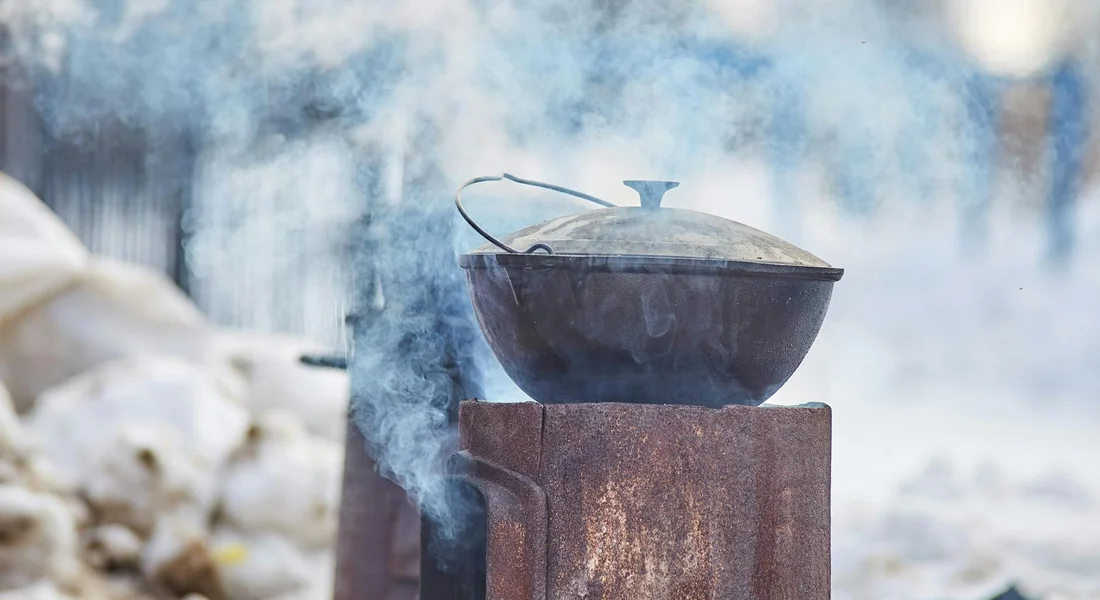
You can absolutely cook with tomatoes, wine, or lemon juice in your cast iron. The trick isn’t avoiding these foods, but managing how they interact with your pan’s seasoning.
Think of your seasoning like a well-worn leather jacket; it’s durable, but you wouldn’t soak it in vinegar. Your goal is to limit the exposure.
Master the Clock: Minimize Simmer Time
Time is the biggest factor. A quick sear of cherry tomatoes is fine. A two-hour simmer of a tomato sauce is a problem. The acid needs time to interact with and break down the polymerized oil layers.
- For dishes that require long cooking, use a different pot for the acidic simmering phase. You can finish the dish in your cast iron for serving.
- If you must simmer in the cast iron, keep it under 30 minutes. I’ve found this to be a safe threshold for my daily driver skillet.
- Plan your cooking steps. Add acidic ingredients like vinegar or wine at the end of cooking to deglaze, not at the beginning to stew.
Control Your Heat: Why Medium is Your Friend
High heat accelerates chemical reactions, including the reaction between acid and iron. Cranking the burner to high doesn’t just risk burning your food, it makes the acid more aggressive.
Preheat your pan slowly on a medium setting and cook your acidic dish at that same moderate temperature. This gentle heat gives you a wider margin for error.
It also helps you avoid “hot spots,” where the seasoning might be thinner and more vulnerable to being stripped by a bubbling acidic sauce.
Adapting Your Approach for Sauces and More
The strategy changes slightly based on what you’re making. The principle remains: limit contact time and use moderate heat.
- For Pan Sauces: After searing meat, remove it and the pan from the heat. Let the pan cool for a minute, then add your wine or stock to deglaze. You get the flavor without a prolonged, hot acidic bath.
- For Casseroles or Bakes: A well-seasoned pan can handle a brief bake with acidic components. Ensure your seasoning is in good shape beforehand, and avoid letting the finished dish sit in the pan for hours after cooking.
- For Simple Sautés: Cooking sliced onions and peppers before adding canned tomatoes for a 10-minute simmer is perfectly reasonable. Just follow the “clean immediately” rule afterward.
The Right Way to Clean Up After Acidic Dishes
This step is non-negotiable. Letting acidic residue sit is what leads to that metallic taste and a dull, patchy surface on your pan.
Never walk away and leave the empty pan in the sink. Treat cleanup as the final, critical step of the recipe.
Step-by-Step Immediate Cleaning
As soon as the food is out, and while the pan is still warm (not scalding hot), take it to the sink.
- Add a little warm water to the pan. Use a soft brush or non-scratch sponge. A drop of mild dish soap is your friend here.
- Gently scrub to remove all food particles. You might see a slight gray tint on your sponge from tiny iron particles; this is normal after cooking something acidic and is not your seasoning failing.
- Rinse completely with warm water. If any food is stuck, pour in some water, bring it to a brief simmer on the stove, and then scrub again. Avoid abrasive scouring pads.
Drying and Oiling: The Final, Crucial Steps
Water is now your enemy, because a bare spot in your seasoning can rust quickly.
Towel-dry the pan thoroughly. Then, place it on a stovetop burner over low to medium heat for 2-3 minutes. This drives off every bit of hidden moisture. You’ll see the pan go from looking wet to completely dry.
Once the pan is dry and just slightly warm, apply a microscopically thin layer of your preferred seasoning oil with a paper towel, then buff it all off like you’re trying to polish the pan. This protects the iron until its next use.
This whole routine takes five minutes. It’s the single best thing you can do to maintain your pan’s integrity after cooking with tomatoes, citrus, or wine. It turns a potentially damaging event into a non-issue.
How to Repair Seasoning Damage from Acid
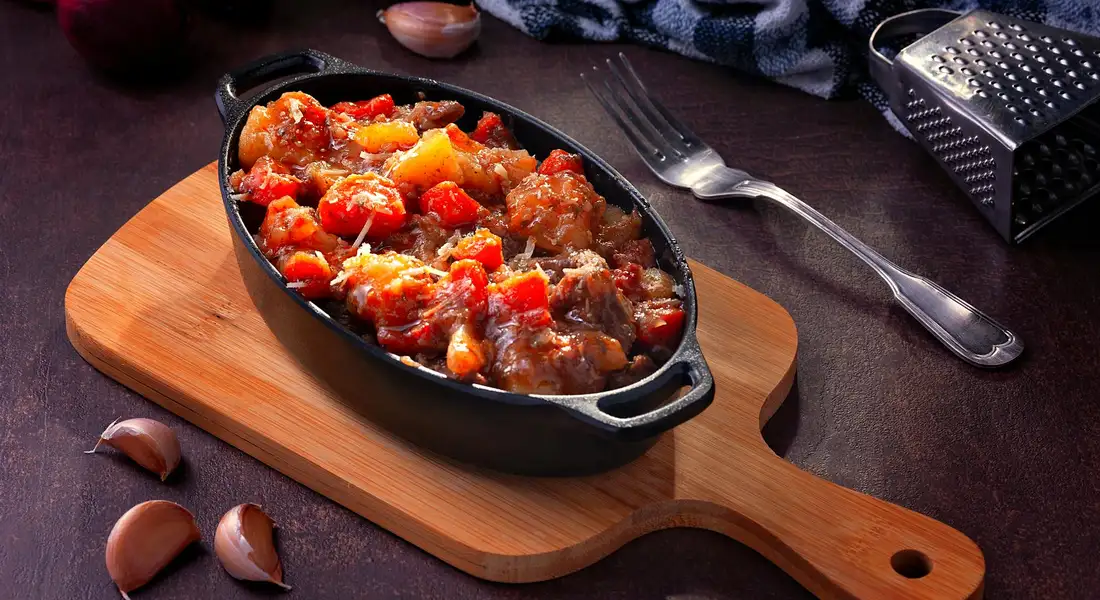
Let’s say you simmered a tomato sauce a bit too long and now your pan looks a little off. Don’t worry. A little damage from acidic food is a normal part of a cast iron pan’s life. It’s rarely a disaster, just a sign that your pan’s protective layer needs a touch-up. You can clean your cast iron properly to help maintain it.
Signs Your Pan Needs Help
You don’t need a magnifying glass. Look for visual clues first. After cooking something acidic, you might see dull, grayish patches where the dark, glossy seasoning was. The surface might feel rough or dry to the touch in those spots. Sometimes, the food itself can pick up a faint metallic taste. These are all clear signals that the acidic food has begun to break down the polymerized oil layer, exposing the bare iron underneath.
The Quick Fix: A Single Re-Seasoning Layer
For minor dull spots or a slightly rough patch, a single round of oven seasoning is your best friend. This isn’t a full restoration, it’s just patching a small hole in a fence. Here’s how to do it.
- Wash the pan with warm water and a soft brush or cloth. Dry it completely on the stovetop.
- Apply a microscopic layer of your preferred seasoning oil (like Crisco, grapeseed, or canola) with a paper towel. Then, use a fresh, dry paper towel to wipe it all off, as if you made a mistake. This leaves the perfect, thin film.
- Place the pan upside-down in a cold oven. Set the oven to 450°F (232°C) and let it bake for one hour. Turn the oven off and let the pan cool inside.
That single layer will polymerize over the weak spot, bonding with the existing seasoning and sealing the iron from rust. I do this to my daily driver skillet every few months, and it keeps it in fighting shape. If you’re interested in the science behind it, you can check out how seasoning actually bonds to cast iron.
When to Start Over: Stripping and Rebuilding
If the damage is widespread, flaky, or you see active rust, a quick patch job won’t stick. You need a clean slate. This is for when the seasoning is deeply compromised, not just superficially scratched. The process is more involved, but it’s not complicated. This is the kind of restoration you’ll find in a complete guide to cleaning, seasoning, and repairing rusty cast iron cookware. You’ll find everything from stripping to re-seasoning in that guide.
- To strip old seasoning, the safest home method is using a lye-based oven cleaner or an electrolysis tank. The oven cleaner method involves spraying the pan, sealing it in a plastic bag for a day or two, then scrubbing off the sludge.
- Once you’re down to bare, gray iron, you must immediately dry it and begin the seasoning process from scratch. This means applying 3 to 5 thin layers of oil using the oven method described above, with a round of heating and cooling for each layer.
Starting over can feel daunting, but it’s a guaranteed fix that gives you a pan that’s good as new, with a fresh, strong foundation you built yourself.
Bare Iron vs. Enameled: Which is Best for Acidic Foods?
If you regularly cook with wine, tomatoes, or vinegar, you have a choice to make. Do you work with traditional bare cast iron and its maintenance, or do you opt for an enameled version? The right answer depends entirely on how you like to cook and care for your tools. A quick comparison of safety and use between enameled and bare cast iron can show how each handles acidic ingredients and cleaning. This helps you choose the option that best fits your cooking style and care routine.
Understanding Enameled Cast Iron
Enameled cast iron, like the famous colorful Dutch ovens, has a layer of glass fused to the iron at extremely high temperatures. This creates a completely non-reactive, non-porous cooking surface. The enamel acts as a permanent, impervious barrier, making it completely safe for long-simmered acidic dishes with zero risk to your pan’s finish. Understanding the enameled cast iron composition, coatings, and finishes can help you make the most of your cookware. You can deglaze with wine or cook a three-hour tomato ragú without a second thought. The trade-off is that the enamel can chip if struck hard, and you should avoid metal utensils and extreme thermal shock.
Quick Snapshot: Comparison Table
| Feature | Bare Cast Iron | Enameled Cast Iron |
| Surface Care | Requires periodic seasoning; avoid harsh detergents. | No seasoning needed; easy to clean with soap. |
| Risk from Acid | High. Can degrade seasoning, leading to metallic taste or rust. | None. The glass coating is non-reactive. |
| Best For Acidic Foods | Quick, high-heat cooking (e.g., a fast pan sauce). | Long simmers, braises, and stews. |
| Utensil Use | Safe for metal (can scratch seasoning but not the iron). | Use wood or silicone to prevent chipping the glass. |
| Maintenance Mindset | Hands-on, part of the cooking ritual. | Low-fuss, more like a standard pot. |
Making the Choice for Your Kitchen
Think about your habits. If you enjoy the ritual of maintaining your cookware and typically use acidic ingredients for quick pan sauces you make in minutes, a well-seasoned bare iron skillet is a fantastic tool. You get incredible searing power and just need to do a quick re-season now and then. If you’d rather not think about it and want to freely make coq au vin or chili, an enameled Dutch oven is the worry-free workhorse you need. Many enthusiasts, myself included, own and use both for their different strengths.
Quick Answers
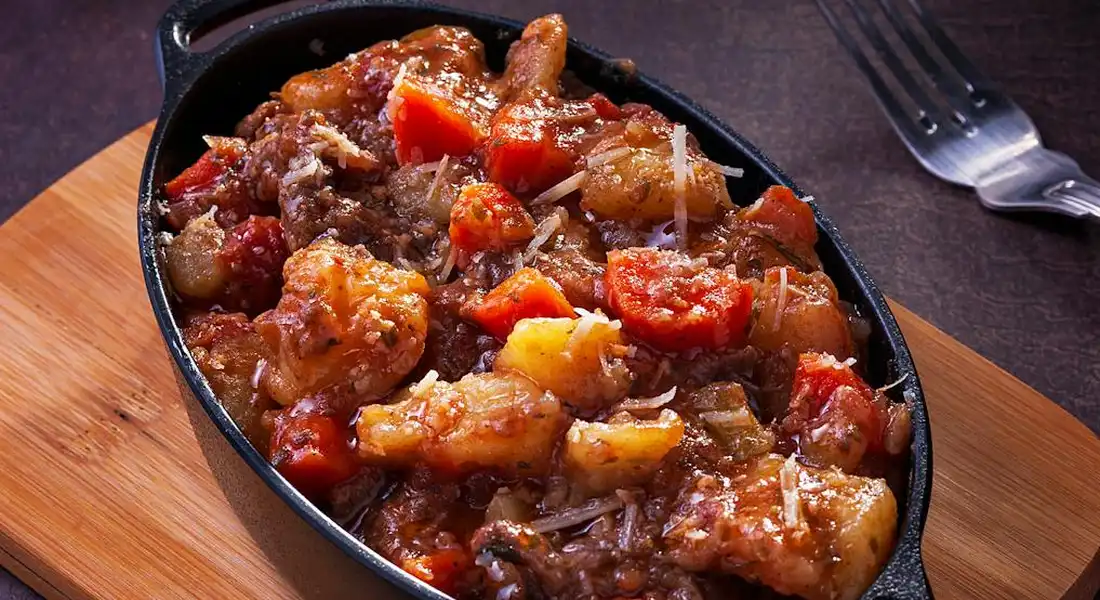
Should I just avoid cooking acidic foods in cast iron altogether?
No. Avoidance is unnecessary with proper technique. The goal is to manage exposure by minimizing simmer time, using moderate heat, and ensuring your seasoning is robust before you begin.
My pan failed the water bead test. What should I do before cooking with tomatoes?
Focus on building your base layer first. Cook other foods and apply maintenance oil coats after each use. Perform a few rounds of oven seasoning to strengthen the polymerized barrier before attempting a long, acidic simmer.
I see debates on Reddit about a metallic taste. Is that the pan or the food?
It’s the pan. That taste means acid has interacted with exposed iron. It’s a sign to shorten cooking time next use and to apply a maintenance or repair seasoning layer immediately after cleaning to seal the surface.
Guarding Your Seasoning with Acidic Ingredients
My best advice is to always use a robustly seasoned pan and cook acidic foods quickly, never letting them simmer for extended periods. This simple practice drastically reduces the chance of acid pulling flavor or damaging your skillet’s hard-earned patina. If you want to build a stronger foundation, our articles on oven seasoning and daily maintenance offer detailed next steps.
Citations and Authoritative Sources
- r/Cooking on Reddit: Is the claim that acidic ingredients destroy the seasoning on cast iron exaggerated?
- 3 Tips for Cooking Acidic Foods in Cast Iron – Lodge Cast Iron
- 5 Mistakes to Avoid When Cooking With Cast Iron
- Cooking Acidic Ingredients in Cast Iron Cookware – Field Company
- Can You Cook Acidic Ingredients in Cast-Iron Skillets? | America’s Test Kitchen
- Virginia Tech food scientist dispels the myths behind cast iron pan use | Virginia Tech News | Virginia Tech
Joseph Gerald
A material science expert by profession, Joseph is also an avid cook. He combines his 10+ years expertise in material science and metallurgy with his passion for cast iron cookware to bring you best hands on advice. His expertise ranges from types of cast iron cookware to best seasoning tips as well as restoration of vintage cast iron utensils. Joe is here to help you solve all your cast iron cookware queries and questions.