Can You Use Olive Oil on Cast Iron? Your Practical Guide to Oils
You might be tempted to grab that olive oil for your cast iron, but is it the right move? Having seasoned my own collection for years, I’ve learned that oil choice makes all the difference in building a trusty, non-stick surface.
In this article, I’ll walk you through the key points to keep your skillet in prime condition:
- Why olive oil’s low smoke point can lead to sticky seasoning and what to use instead.
- How to compare oils like avocado, grapeseed, and traditional lard for the best results.
- Simple steps for applying oil during seasoning and everyday care to avoid rust.
- My personal favorites from restoring countless pans, so you can cook with confidence.
Key Takeaways: What You Need to Know First
Yes, you can use olive oil on cast iron. The full answer is more about when and how you use it.
- Olive oil is perfectly fine for everyday cooking and light stove-top maintenance wipes.
- It is not the best choice for building new seasoning layers or doing a full oven seasoning.
- Oils with a higher smoke point, like canola or avocado oil, create a more durable foundation for your pan’s non-stick surface.
- Your goal is a hard, slick layer of polymerized oil, not just a coating of grease.
Keep these points in mind as we look at the reasons why.
Why Oil Choice Matters: The Science of Seasoning
Seasoning is not just oil baked onto iron. It is a chemical transformation. When you heat oil past a certain point, it bonds to the metal and changes into a hard, smooth plastic-like layer. This process is called polymerization.
Think of it like applying a clear, tough varnish to a wooden table. A good varnish cures hard and protects the wood. A poor one stays sticky or cracks. The oil you choose acts as the varnish for your cast iron.
Two main factors determine if an oil makes good “varnish”: its smoke point and its fat composition. For a durable, non-stick finish that lasts, you need an oil that can handle high heat without breaking down into smoke and residue.
What Is Polymerization and How Does Oil Affect It?
Imagine you’re baking cookies. You mix raw dough, put it in the oven, and heat changes it into something entirely new-a crisp, solid cookie. Polymerization is similar. Heat changes liquid oil into a solid, bonded layer on your pan.
Where does olive oil fit in? Extra virgin olive oil has a lower smoke point and contains compounds that can burn before they fully polymerize. This can leave a finish that feels tacky or builds up in a brittle, flaky way over time. Using olive oil for seasoning is like trying to bake those cookies at too low a temperature; you might end up with a soft, underdone mess instead of a crisp result.
For a quick wipe after cooking, this is fine. For building the base layers of your pan’s patina, a more stable oil works better.
Smoke Point: The Most Important Number for Your Pan
The smoke point is the temperature at which an oil starts to burn and smoke. For seasoning, you need to heat the oil slightly past this point to trigger polymerization.
A higher smoke point generally means the oil is more stable. It can reach the polymerization temperature without decomposing as much, leading to a harder, more durable finish. Oils with very low smoke points will burn excessively, creating smoke and a weak, sooty layer.
Here is how common oils compare:
You don’t need the absolute highest smoke point. You need a oil that balances stability, availability, and results. For most home cooks, a neutral oil like canola or grapeseed oil hits the perfect balance for creating a long-lasting seasoning.
Can You Really Season Cast Iron with Olive Oil?
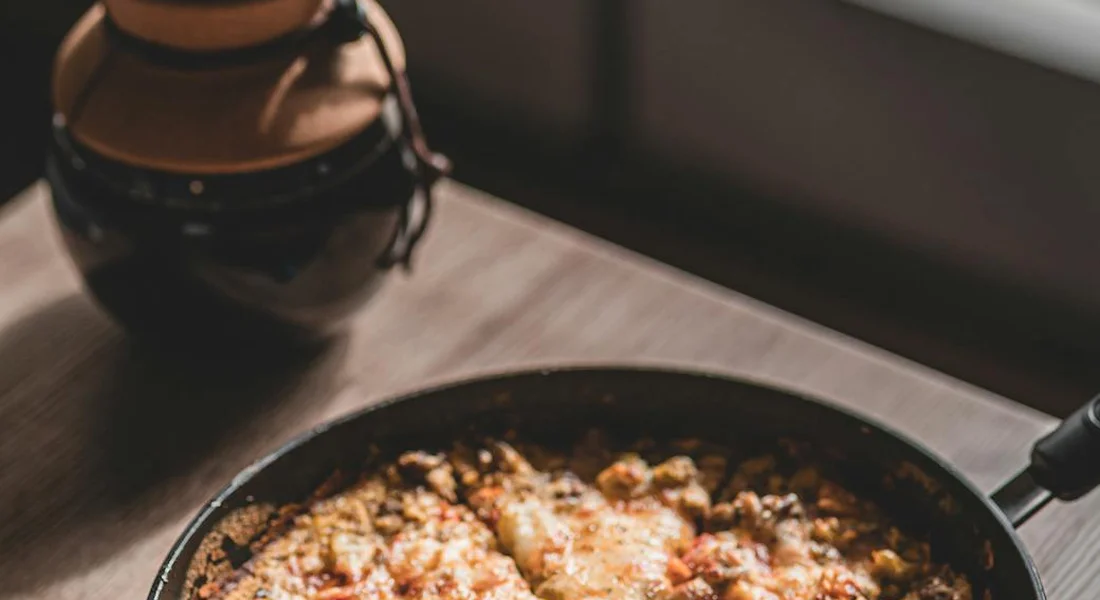
Yes, you can use olive oil for cast iron seasoning, and you can coat your pan with it. Many people do. The real question is whether you should. For a deeper look, the ultimate guide to choosing the best oil for seasoning cast iron breaks down the options. It helps you compare olive oil with other oils to find the best fit for your pan.
My verdict is this: while it’s physically possible, it often leads to a softer, stickier seasoning layer compared to oils with higher smoke points. You’ll find heated debates on Reddit and other forums about olive oil seasoning cast iron. The passionate responses usually come from personal experience, good and bad.
The practical reason behind the debate is chemistry; seasoning is a process of polymerization, where oil transforms into a hard, slick plastic-like layer, and olive oil’s composition makes that transformation less durable.
The Pros and Cons of Using Olive Oil for Seasoning
Let’s break down why you might reach for that bottle, and why you might regret it.
- Advantages: Olive oil is incredibly common. You almost certainly have some in your kitchen. It’s food-safe and natural. In a true pinch, when you have nothing else, it will create a base layer that protects from rust.
- Disadvantages: Its relatively low smoke point (around 375°F to 405°F for extra virgin) means it can smoke heavily at typical seasoning temperatures, setting off alarms. More importantly, it often polymerizes into a layer that feels gummy or tacky, not glassy-smooth.
I learned this the hard way with a small vintage griddle. I used a lovely extra virgin olive oil, applied what I thought was a thin coat, and put it in a 450°F oven. The kitchen filled with smoke. An hour later, the pan had a beautiful dark color but felt distinctly sticky to the touch. It wiped away easily with a paper towel, proving the bond was weak.
Step-by-Step: How to Season with Olive Oil If You Choose To
If you’re determined to try, this method maximizes your chance of success by accounting for olive oil’s quirks.
- Clean and dry your pan completely. Any moisture will interfere.
- Preheat your oven to 375°F. This lower temperature aims to stay just at or above the oil’s smoke point without excessive burning.
- Apply a tiny amount of olive oil (regular, not extra virgin, if you have it) to the pan with a cloth.
- This is the critical part: take a fresh, clean paper towel and wipe the entire pan again. Your goal is to pretend you made a mistake and are trying to wipe all the oil off. The microscopic layer that remains is what you want to polymerize.
- Place the pan upside down in the preheated oven for one hour. Putting it upside down stops any excess oil from pooling on the cooking surface.
- Turn off the oven and let the pan cool completely inside it. Rushing this can stress the new layer.
- Repeat this process 2-3 times to build a more resilient finish.
Cooking with Olive Oil: Daily Use and Care
You can absolutely cook with olive oil in cast iron. This is where olive oil shines. The goal here isn’t to build primary seasoning layers but to maintain and enhance your existing finish through regular, gentle use of olive oil for seasoning.
Cooking is different from deliberate seasoning because the food, moisture, and lower temperatures create a milder polymerization effect that slowly reinforces your pan’s patina over years.
For tasks like searing an olive oil cast iron steak or cooking olive oil cast iron chicken, the key is temperature control. Let your pan preheat over medium heat for several minutes before adding the oil, then immediately add your food. This prevents the oil from sitting on super-hot iron and breaking down too quickly.
Tips for Sautéing and Frying with Olive Oil
Stick to medium heat. High heat will cause extra virgin olive oil to smoke and can impart a bitter flavor to your food. Using it over moderate heat for sautéing vegetables or frying eggs is perfect.
This kind of daily use does contribute to maintenance. Each time you cook, you’re depositing tiny, hard-to-see layers of polymerized oil. It’s the slow-and-steady path to a great finish.
Cleaning After Cooking with Olive Oil
Proper cleaning prevents the sticky residue that gives olive oil a bad name. While the pan is still warm (not scalding hot), wipe it out with a dry paper towel or a stiff brush to remove large food bits.
If needed, wash it with a small drop of dish soap and warm water, scrubbing with a non-metal brush or sponge. Clean it carefully after cooking to maintain the seasoning. Dry it immediately and thoroughly with a towel, then place it on a warm stove burner for a minute to evaporate any last moisture. This routine keeps your seasoning hard and your pan ready for next time.
The Best Oils for Cast Iron Maintenance and Why
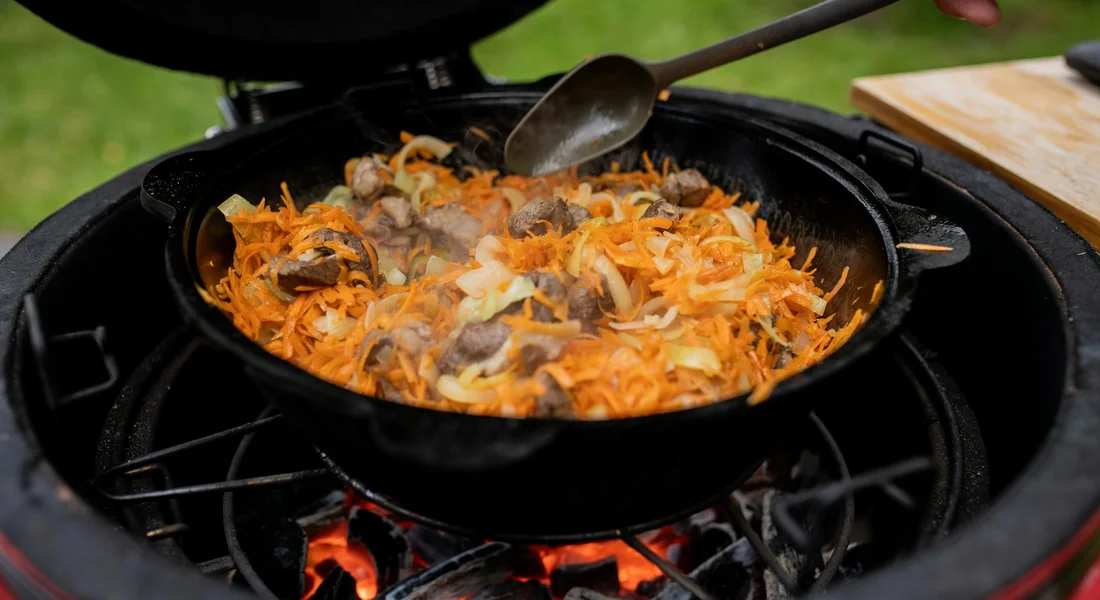
For maintaining your skillet’s seasoning after cooking, you need an oil that can handle heat without a fuss. Olive oil is fine for cooking, but it’s not the best tool for this specific job. Maintenance seasoning requires an oil that polymerizes reliably into a hard, slick layer when you apply a microscopically thin coat and heat it. A clean surface sets the stage for durable seasoning. Clean, season, and maintain your cast iron skillet for long-lasting performance.
Olive oil has a lower smoke point and a less stable fat profile. This often leads to a tacky or blotchy finish when used for seasoning. For building and maintaining your pan’s protective layer, you want a neutral oil with a high smoke point.
My top recommendations for maintenance are simple, affordable, and effective:
- Grapeseed Oil: This is my personal favorite. It has a very high smoke point (around 420°F) and creates an incredibly hard, durable finish. A bottle lasts forever since you use so little.
- Canola or Vegetable Oil: These are kitchen staples for a reason. Readily available and with smoke points over 400°F, they polymerize well for a reliable season.
- Avocado Oil (Refined): With the highest smoke point of the group (often 520°F), it’s a fantastic choice. Just ensure you get the refined version, as unrefined (virgin) avocado oil smokes at a much lower temperature.
| Oil Type | Approx. Smoke Point | Best For Maintenance? |
|---|---|---|
| Extra Virgin Olive Oil | 325-375°F | Not ideal. Can become sticky. |
| Grapeseed Oil | 420°F | Excellent. Creates a hard, slick finish. |
| Canola/Vegetable Oil | 400°F | Great. Reliable and easy to find. |
| Refined Avocado Oil | 520°F | Excellent. Very high heat tolerance. |
For Dutch Ovens and Specialty Pieces
If you’re searching for “olive oil cast iron dutch oven” advice, the core principles are identical. The oil you choose for maintenance matters more than the piece’s shape. Think about how you use it. A dutch oven used for baking bread sees steady, dry heat, which is forgiving. One used for searing meat on the stovetop needs a tougher seasoning layer, making a high-smoke point oil even more critical. To streamline this topic, our complete guide on seasoning cast iron pans and Dutch ovens walks you through the process end-to-end. It covers oil choices, heat levels, and maintenance routines to keep your cookware performing at its best.
The conversation changes completely if your dutch oven is enameled. Enameled cast iron has a glass coating, so you never season the cooking surface. Using oil to try to “season” enamel is unnecessary and can just create a greasy, baked-on film. For enameled pieces, a simple wash with soap and water is all the maintenance the cooking surface needs. For traditional, bare-iron dutch ovens, seasoning creates a durable nonstick patina, and we’ll compare seasoning traditional vs enameled methods in the next steps. That comparison will help you choose the right approach for your cookware.
The One-Minute Stovetop Seasoning Method
This is the single best habit for keeping a seasoned pan in top shape. After you wash and dry your skillet, do this quick routine. It works with any high-smoke point oil.
- Place your clean, dry pan on a stovetop burner set to medium.
- Let it warm for about 60 seconds until it’s hot to the touch.
- Add ½ teaspoon of your maintenance oil (grapeseed, canola, etc.) to the pan.
- Using a folded paper towel and tongs, wipe the oil over the entire cooking surface, including the sides.
- Now, take a fresh, clean paper towel and buff the pan aggressively. Wipe out every visible trace of oil you can. The pan should look almost dry.
- Let it heat on the burner for another 2-3 minutes until it just starts to smoke lightly, then turn off the heat and let it cool.
This quick heat cycle helps the vanishingly thin layer of oil bond to the existing seasoning, reinforcing your pan’s non-stick patina after every use. It’s far more effective than just wiping on cold oil and putting the pan away.
When Things Go Wrong: Troubleshooting and Professional Help
If you’ve used olive oil for seasoning, you might run into some common issues. A sticky, gummy surface is the usual sign. You might also see blotchy spots or experience more smoking than usual during cooking. Don’t worry, these are easy fixes.
The corrective step is always the same: remove the unstable layer and re-season properly. This isn’t a failure, it’s just part of the learning process. Every collector has had to strip and re-season a pan at some point.
Fixing a Sticky or Gummy Pan
This fix addresses the most common problem from using oils like olive oil that didn’t fully polymerize. You’re basically giving the pan a fresh start.
- Scrub the pan thoroughly with hot water, soap, and a stiff brush or scrub brush. Your goal is to remove all the sticky residue. If it’s very stubborn, a paste of coarse salt and water can act as a gentle abrasive.
- Dry the pan completely on the stovetop.
- Apply a tiny amount of a high-smoke point oil (grapeseed, canola) using the paper towel method, then buff it aggressively until it seems like you’ve wiped it all off.
- Bake it upside-down in a 450°F oven for one hour. Let it cool in the oven.
This process reinforces the golden rule of seasoning: less oil is more. A sticky pan almost always means too much oil was left on the surface before heating.
When to Seek Professional Help for Your Cast Iron
Most cast iron problems can be solved at home. Some damage, however, goes beyond simple seasoning trouble. In these cases, seasoning and restoring neglected cast iron isn’t enough, and seeking a professional restorer is the safest and most practical choice.
Consider professional help for:
- Severe Rust Damage: Surface rust is simple to fix. If rust has deeply pitted the metal or compromised its structural integrity, a pro with electrolysis tanks can assess and salvage it.
- Warping: A severely warped pan that wobbles on a flat burner won’t heat evenly. This damage is permanent and cannot be fixed at home.
- Deep Cracks or Chips: A hairline crack might be stable, but a deep crack in the cooking surface or a chip from the rim will only get worse with heat cycles. It’s a safety risk.
There is no shame in consulting an expert for a cherished heirloom piece, just as there’s no shame in retiring a damaged pan that’s no longer safe to use. A good restorer can give you an honest assessment on whether a piece is worth saving.
Common Questions
I see a lot of debate on Reddit about olive oil cast iron seasoning. What’s the real verdict?
The debate exists because it’s possible but often problematic. For building a durable, primary seasoning, oils with higher smoke points like grapeseed or canola are more reliable. Olive oil can work in a pinch, but it frequently results in a softer, tackier finish that many find unsatisfactory.
Is it okay to cook with olive oil in my cast iron skillet every day?
Yes, daily cooking with olive oil is perfectly fine and contributes to gentle maintenance. The key is temperature control-use medium heat to avoid burning the oil. Just remember that this is different from deliberate seasoning sessions meant to build or repair the pan’s base layer.
My pan feels sticky after I used olive oil. What did I do wrong?
Stickiness means the oil did not fully polymerize, usually because the layer was too thick or the heat was insufficient. To fix it, scrub off the residue and re-season with a high-smoke point oil, applying a microscopically thin coat. This is a common learning moment, not a permanent failure.
Smart Oiling for a Well-Seasoned Skillet
For a reliable, non-stick finish that lasts, your best bet is to season with an oil that has a high smoke point, like grapeseed or avocado oil. You can use olive oil for light cooking, but I save it for that purpose and use a more stable fat when building or maintaining the pan’s seasoning layer. If you want to deepen your care routine, look into topics like stripping old seasoning or the best ways to dry your cast iron after washing. To create and maintain a non-stick surface on cast iron cookware, focus on consistent seasoning and proper drying. This approach complements the tips above for a durable, easy-release pan.
References & External Links
- r/castiron on Reddit: Do you use olive oil in your cast iron?
- What oils should you use for cast iron cooking and seasoning? – Lodge Cast Iron
- Can you use olive oil to season a cast-iron skillet? – Olio Piro.
- Is olive oil bad to use for seasoning cast iron?
- Can I use olive oil to season a cast iron skillet? – Quora
A material science expert by profession, Joseph is also an avid cook. He combines his 10+ years expertise in material science and metallurgy with his passion for cast iron cookware to bring you best hands on advice. His expertise ranges from types of cast iron cookware to best seasoning tips as well as restoration of vintage cast iron utensils. Joe is here to help you solve all your cast iron cookware queries and questions.