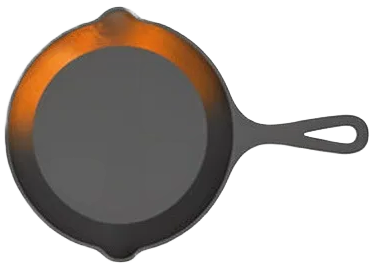
What Is Carbon Steel Cookware and How Does It Fit in Your Kitchen?
If you love your cast iron but sometimes wish it were lighter and heated faster, you’ve already met the perfect reason to explore carbon steel. Carbon steel acts like cast iron’s more nimble cousin, requiring the same type of seasoning and care you already know.
This guide is for cast iron stewards looking to expand their kitchen tools. Here’s what we’ll cover:
- What carbon steel is and why its seasoning works just like your cast iron’s.
- The straightforward care routine: daily cleaning, occasional re-seasoning, and rust prevention.
- A clear comparison of how it stacks up against your cast iron and common stainless steel pans.
Key Takeaways for Cast Iron Users
If you already care for a cast iron skillet, you already know 90% of what it takes to care for carbon steel. The seasoning process, the daily cleaning, and the non-stick philosophy are nearly identical.
The biggest difference you will notice is in your wrist: carbon steel is dramatically lighter than cast iron and responds to heat changes much faster. Think of it as your cast iron’s agile cousin. It shares the family’s durability and need for a protective patina, but it’s built for speed and ease of handling. Want to see how this stacks up against other materials? Our complete cast iron vs other cookware materials comparison guide covers stainless steel, aluminum, and nonstick options.
For a cook who loves their cast iron skillet, a carbon steel pan is a logical next piece. It offers that same rewarding, long-term relationship with a tool, just optimized for different tasks like quick sautés, delicate fish, or dishes where you need more immediate control over the heat.
What is Carbon Steel Cookware? The Simple Explanation
Carbon steel is, at its heart, mostly iron with a pinch of carbon added. We’re talking about 1% carbon or less. Cast iron, by comparison, contains about 3% carbon. That small change in recipe makes a huge difference in the final product.
This lower carbon content creates a material that is incredibly strong and hard, yet less brittle than cast iron. You can forge it, stamp it, and roll it thin. This is why carbon steel pans are smooth, often with gently sloped sides, and feel substantial but not back-breaking. Cast iron is poured as a liquid into a mold, which gives it that classic rough, pebbled texture. Carbon steel is typically stamped from a sheet of metal, resulting in a sleek, smooth cooking surface.
In your hands, carbon steel feels like a professional kitchen tool-light, fast, and precise where cast iron feels like a steadfast, heat-holding hearth.
Does More Carbon Make it Stronger? The Material Science
Adding carbon to iron is like tempering steel. It increases hardness and tensile strength, but only up to a point. Beyond that, the material becomes more brittle. This is the key difference between the two metals.
Carbon steel sits in that sweet spot of hardness and malleability. Its ~1% carbon makes it tough enough to resist denting and perfect for withstanding high heat and metal utensils. Cast iron’s higher ~3% carbon gives it phenomenal heat retention but also makes it more prone to cracking from a sharp impact or rapid temperature shock.
The lower carbon content is why a carbon steel pan can be made thinner and lighter while still being exceptionally durable. It’s a different kind of strength, one built for responsiveness.
Pre-Seasoning and Initial Finish
When you buy a new carbon steel pan, it rarely arrives ready to cook on. Most brands apply a very thin, waxy factory seasoning purely for rust protection during shipping. This coating must be scrubbed off. Some pans come with a “blued” finish, a heat-treated layer that offers minor rust resistance and provides a great dark base for your new seasoning.
Just like with a new cast iron piece, your first job is to strip this factory layer and build your own base of home-applied seasoning. The process is the same: clean, dry, apply a thin layer of oil, and bake. I always do at least two rounds of seasoning on a new carbon steel pan before I even think about cooking an egg. This initial investment is what builds your foundation for a lifetime of non-stick cooking. Whether you’re starting from bare metal or a pre-seasoned piece, a quick refresh matters. That’s why you should season pre-seasoned cast iron cookware—to keep the non-stick patina developing and to guard against rust.
Carbon Steel vs. Cast Iron: A Side-by-Side Look
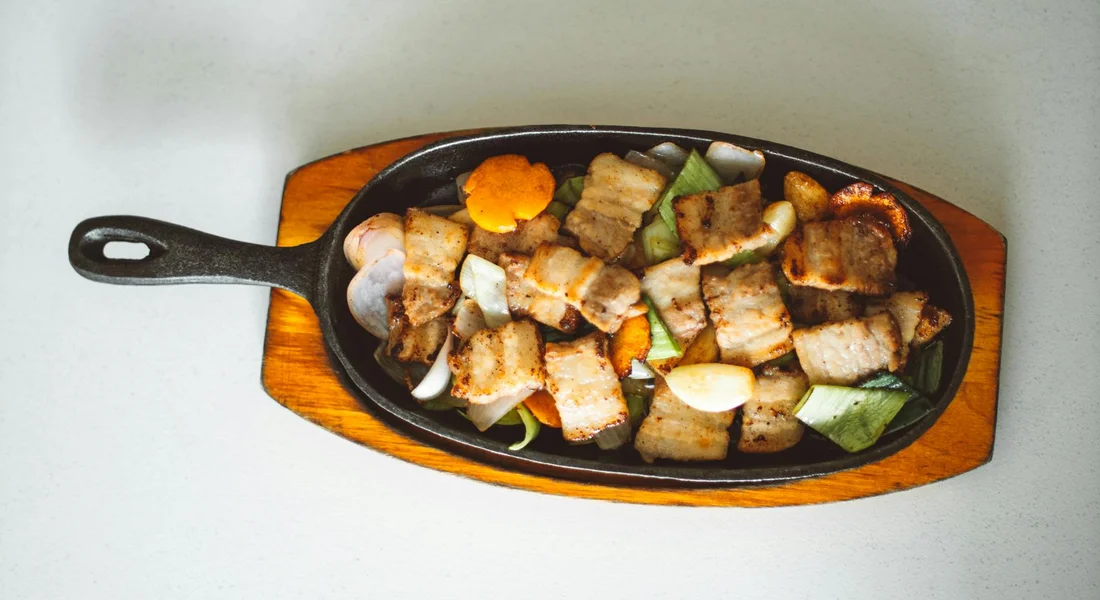
If you’re comfortable with cast iron, you already understand the most important part of carbon steel. Think of it as cast iron’s more agile cousin. They share a family resemblance in how they perform and how you care for them, but with key differences that change how they feel in your hand on the stove. Especially when it comes to cleaning and maintenance.
Weight and Handling
A carbon steel skillet is about half the weight of a similar sized cast iron one. Pick one up and the difference is immediate, especially when compared to cast iron skillets.
This lighter weight changes everything about handling. Flipping a pancake or sautéing vegetables becomes a one-handed operation, not a two-arm workout. You’ll notice less wrist fatigue during long cooking sessions. For daily use, especially if you’re moving the pan on and off the heat frequently, carbon steel feels more like a standard pan you can maneuver with ease.
The lighter build makes carbon steel a favorite for tasks where control and speed matter, like tossing stir-fry or searing individual servings.
Heat Response and Retention
This is where their personalities truly diverge. Carbon steel heats up remarkably fast, almost as quickly as stainless steel or aluminum. It also reacts quickly when you adjust the burner.
Cast iron is the opposite. It heats slowly and evenly, and once hot, it holds onto that temperature stubbornly. It’s less responsive to knob turns.
Your best use for each depends on this property. Reach for carbon steel when you need quick, high heat and fine control, like searing a steak or frying an egg. Your cast iron is the champion for tasks that benefit from steady, even, retained heat, like baking cornbread, deep-dish pizza, or keeping a batch of hash warm at the table. However, when choosing between them, it’s also important to consider maintenance and care.
Carbon steel reacts to you; cast iron asks you to plan ahead for its thermal rhythm.
The Seasoning Process: Same Goal, Slightly Different Feel
Yes, you season carbon steel exactly like cast iron. You are building the same polymerized oil patina for non-stick performance and rust protection. The process of oven seasoning or stovetop seasoning is identical.
The difference is in the starting surface. Carbon steel pans are rolled smooth, while cast iron has a textured, pebbled finish from the sand casting. These key differences influence the best uses for each pan in the kitchen.
That smooth surface often means your first few layers of seasoning bond more evenly. Many users find carbon steel develops that coveted slick, glassy cooking surface a bit faster than a fresh cast iron pan. The goal and the technique, however, are comfortingly familiar.
If you know how to season a cast iron skillet, you already know how to season carbon steel. The pan just gets slicker, quicker.
Carbon Steel vs. Stainless Steel: Understanding the Choices
This comparison is about two different philosophies. Stainless steel is a “no-seasoning” metal. It’s non-reactive, meaning you can cook tomato sauce in it for hours with no metallic taste. Carbon steel sits in the middle, offering some of cast iron’s high-heat performance but requiring the attentive care that stainless steel does not.
Maintenance and Reactivity
Stainless steel maintenance is simple: wash it with soap, dry it, and put it away. You can scrub it with abrasive pads, run it through the dishwasher, and not think twice.
Carbon steel needs the same care as your cast iron. You wash it gently, dry it thoroughly (I always give mine a minute on the burner), and often give it a tiny wipe of oil before storage. Neglect this, and it will rust.
Also like cast iron, a new or thin layer of seasoning on carbon steel can react with very acidic foods. A quick splash of wine for deglazing is usually fine, but simmering a long Bolognese might strip the young seasoning and impart a slight metallic flavor. Stainless steel has no such concern.
Stainless steel is forgettable; carbon steel, like cast iron, is a relationship that rewards consistent, simple care.
Best Uses in the Kitchen
Their different natures make them ideal for different jobs. Carbon steel excels where you need blazing heat and a naturally non-stick surface.
- Searing steaks and chops
- Stir-frying and frying
- Making crepes or omelets
- Any task where you want fond for a pan sauce (and your seasoning is well-established)
Stainless steel is your go-to for tasks where its inert nature and fond-building ability are key.
- Long-simmered acidic sauces, stews, or braises
- Boiling water for pasta
- Deglazing to make a pan sauce (especially with wine or vinegar)
- Any cooking where you plan to use aggressive scrubbing or dishwasher cleanup
Choose carbon steel for high-heat, non-stick cooking with care. Choose stainless steel for chemical stability and cleaning convenience.
The Advantages and Challenges of Carbon Steel
Carbon steel sits in a fascinating spot between cast iron and stainless steel. It shares a lot of DNA with cast iron, especially when it comes to that all important seasoning, but it behaves differently on the stove. Getting a clear picture of its strengths and weaknesses helps you know exactly what you’re bringing into your kitchen. That blend of seasoning, heat responsiveness, and durability is exactly why professional chefs choose carbon steel. Understanding its weight, value, and on-stove performance helps explain what makes it a favorite in busy kitchens.
Pros: Why You Might Love It
The first thing you’ll notice is the weight. A carbon steel skillet has the rugged feel of cast iron but is significantly lighter and easier to handle. I can easily flip food in my 12-inch carbon steel pan with one wrist, which is much harder with my same-sized cast iron.
This lighter build doesn’t sacrifice durability; these pans are incredibly tough and distribute heat far more evenly and quickly than traditional cast iron. You get responsive heat control that’s closer to stainless steel, which is perfect for tasks like searing a steak or getting a quick, crisp finish on vegetables.
Just like cast iron, a carbon steel pan develops a superb natural non stick surface through seasoning. This polymerized oil layer gets better and more resilient the more you use it. Because this is your created coating and not a factory applied one, it’s completely free of PTFE (Teflon) or other synthetic materials.
This makes it a genuinely non toxic option; your cooking surface is just hardened oil and steel, so there’s no risk of chemical flaking or fumes.
Cons: What to Watch For
The main trade off for that superb performance is maintenance. Carbon steel is just as prone to rust as cast iron if neglected. You must dry it thoroughly after every wash and keep it lightly oiled. There’s no skipping these steps.
There can be a learning curve with heat management. Because it heats so efficiently, it’s easier to overshoot your desired temperature compared to slower heating cast iron. You might also see some initial discoloration or experience slight hot spots as the seasoning layers build up unevenly at first. This is normal and evens out over time.
Some people ask about health risks from cooking on carbon steel. The pan itself is inert and safe. The only thing it may contribute to your food is a small, beneficial amount of dietary iron, similar to cooking with cast iron. There are no toxins or heavy metals to worry about from a quality carbon steel pan.
Caring for Carbon Steel: Lessons from Cast Iron
If you already care for cast iron, you’re 90% of the way to being a carbon steel expert. The mindset and rituals are nearly identical. This isn’t a fragile item; it’s a tool that gets better with proper, consistent care.
Daily Cleaning and Drying
Clean your pan while it’s still warm (not scalding hot) for the easiest cleanup. Use warm water and a stiff brush or non abrasive scrubber. A small drop of mild dish soap is perfectly fine and won’t hurt your seasoning. What will hurt it is laziness.
Never, ever let it soak in the sink or put it in the dishwasher, as this guarantees rust will form. After washing, dry it immediately and completely with a towel.
Then, take an extra 60 seconds to place it on a warm stovetop burner to evaporate any last trace of moisture. For stubborn, stuck on food, you can use a chainmail scrubber or even steel wool. Using steel wool is acceptable for stubborn bits because it means you’re committing to re oil and re season that spot afterwards, which is part of regular upkeep, especially when cleaning burnt and stuck on food.
Seasoning and Re-seasoning
The initial factory coating on most carbon steel pans is not a true seasoning. It’s a thin layer to prevent rust in shipping. You’ll want to scrub it off and build your own. The process is just like cast iron.
- Apply the tiniest amount of a high smoke point oil (like grapeseed, avocado, or refined coconut) to the entire pan.
- Use a clean paper towel to wipe it all off, as if you made a mistake and are trying to remove every drop. The thin film that remains is what you want.
- Place the pan upside down in a 450°F to 500°F oven for one hour. Let it cool in the oven.
You can also do this on a stovetop, heating the pan and applying thin coats of oil until it smokes, then wiping and repeating. How do you know when to re season? Your food starts sticking more than usual, or the surface looks patchy, dry, or dull instead of slick and dark. A well seasoned pan isn’t sticky or tacky; it feels smooth and looks dark with a semi matte or satin sheen.
What Helped Me: The Break-In Period
My first carbon steel pan looked terrible after a few cooks. The seasoning was blotchy and eggs stuck to it. I almost gave up. Instead, I leaned on a classic trick: cooking forgiving, oily foods. I cooked a few batches of sliced onions with a good amount of oil, then some pan fried potatoes.
Cooking a few batches of onions or potatoes is a pro tip because the starch and oils help lay down an initial, functional seasoning layer quickly. It won’t be perfect or beautiful right away. Be patient. The non stick properties improve dramatically with consistent use and proper cleaning. That blotchy pan of mine is now my favorite for omelets.
Storing Your Pan to Prevent Rust
Always store your pan completely dry. If you use it frequently, you can simply hang it or place it in a cupboard after the stovetop drying step. For long term storage, or if you live in a humid climate, give it a microscopic coat of oil after drying.
The goal for storage is to avoid trapping moisture, so don’t stack other pans or items directly inside it where condensation can form. A wall hook or a pan rack is an ideal storage solution that also keeps your kitchen looking great.
Your Step-by-Step Carbon Steel Maintenance Checklist
Think of maintaining carbon steel like caring for a prized cast iron skillet. The principles are identical. You build a protective, non-stick layer of polymerized oil called seasoning through use and care. This checklist turns that care into a quick, foolproof routine.
Follow this simple list after every use to keep your pan in top shape.
After Cooking Checklist
This is your daily driver routine. It takes less than five minutes and is the single best thing you can do for your pan’s longevity.
Let the pan cool slightly, then wash with warm water and a soft scrubber. You can use a drop of mild dish soap. I do. The old myth about soap harming seasoning hasn’t been true for decades. Just avoid harsh scrubbers like steel wool that can scrape your hard-earned seasoning away.
Dry it completely with a towel, then heat it on the stove for a minute to evaporate any leftover moisture. Towel drying often leaves a film of water you can’t see. A quick blast of heat guarantees the pan is bone-dry, which stops rust before it can even think about starting.
Apply a tiny amount of oil with a paper towel while the pan is still warm. We’re talking a half-teaspoon for a 12-inch pan. Wipe it all over the interior and exterior surface.
Here’s the critical part: take a fresh, clean paper towel and wipe out all the excess oil. You want the pan to look practically dry. Any thick, sticky oil left behind will gum up instead of polymerizing into a smooth layer.
Store it in a dry location. I keep my carbon steel skillet on the stovetop, but a dry cupboard works too. Just avoid stacking it wet or trapping moisture.
Monthly or As-Needed Check
Even with perfect daily care, give your pan a closer look once in a while. This is like a quick health check-up.
Inspect the cooking surface for dull, grayish spots or any hints of orange rust. Light surface rust is no cause for alarm. You can scrub it off with a paste of vinegar and salt or a gentle scouring pad like the blue Scotch-Brite. Just reseason that spot afterward.
If the surface looks patchy or food starts sticking more than usual, it might need a refresh. Give it a fresh round of oven seasoning. This involves coating the pan thinly with oil and baking it upside-down in a hot oven for an hour. It bonds a new, even layer of seasoning to the entire pan.
Many people ask how long it takes for a new carbon steel pan to become reliably non-stick. With regular cooking and consistent after-care, you’ll notice a big improvement within a few weeks. The non-stick surface develops gradually, much like on cast iron, as you build up thin, durable layers of seasoning over time. Be patient. That slick, black patina is worth the wait.
Common Questions
I know cast iron care. Is maintaining carbon steel really the same?
The mindset and core principles are identical: build a seasoning layer, clean gently, dry thoroughly, and oil lightly. Your daily cast iron ritual transfers directly. The only practical difference is carbon steel’s lighter weight, making the physical act of washing and drying a bit easier on your wrists.
Will my cast iron seasoning techniques work on carbon steel?
Absolutely. Use the same high-smoke point oil and the same thin-coat application method, whether in the oven or on the stovetop. The smooth surface of carbon steel often accepts and builds this initial patina faster and more evenly than a new, pebbled cast iron skillet.
Is the “no soap” rule the same for both types of cookware?
Yes. Modern, mild dish soap will not harm the bonded seasoning on either material. The real enemies are the same: prolonged soaking, abrasive scouring pads used carelessly, and-most critically-trapped moisture, which leads to rust.
Carbon Steel in a Cast Iron Kitchen
Treat your carbon steel pan like a slightly more delicate cousin of your cast iron-focus on building and maintaining that thin, layered seasoning with every use. That consistent, post-cook oil and heat ritual is what transforms it from a simple tool into a lifelong, non-stick partner. If you enjoy the hands-on care of carbon steel, our deep dives on cast iron restoration and oven seasoning will feel very familiar.
Related Guides and Information
- Carbon Steel – Smithey Ironware
- Carbon Steel Cookware| de Buyer USA
- The Cookware Company (USA), LLC | Carbon Steel
- Carbon Steel Cookware – Made In
A material science expert by profession, Joseph is also an avid cook. He combines his 10+ years expertise in material science and metallurgy with his passion for cast iron cookware to bring you best hands on advice. His expertise ranges from types of cast iron cookware to best seasoning tips as well as restoration of vintage cast iron utensils. Joe is here to help you solve all your cast iron cookware queries and questions.