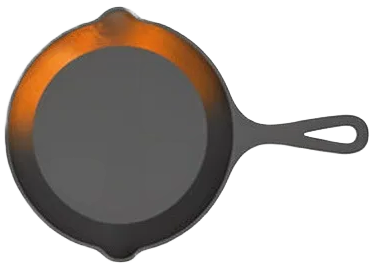
Cast Iron vs. Carbon Steel: Which Pan Is Right for Your Kitchen?
If you love your cast iron, you’ve probably seen a carbon steel pan and wondered if you’re missing out. They look similar and both need seasoning, so what’s the real difference?
- How the weight, feel, and daily handling of each pan compare.
- The true story on seasoning and maintenance-where they align and where they diverge.
- How each material responds to heat for different cooking tasks.
- A practical look at durability, reactivity, and what that means for your routine.
- The deciding factors to help you pick one (or justify owning both).
Key Takeaways
| Aspect | Cast Iron | Carbon Steel |
| Heat Profile | Heats slowly, holds heat exceptionally well. | Heats very quickly, responds fast to burner changes. |
| Weight | Very heavy (a 12″ skillet is often 8+ lbs). | Relatively light (a 12″ skillet is often 4-5 lbs). |
| Maintenance | Robust seasoning, can be more forgiving of minor rust. | Thinner seasoning, requires a bit more immediate care after washing. |
| Best For | Searing, baking, braising, slow-cooking, campfire use. | Stir-frying, sautéing, omelets, any technique needing quick heat adjustment. |
This choice is not about finding the one “best” pan. It is about matching the tool to your cooking style and your willingness to care for it.
My goal is to give you the facts about how these pans perform and maintain, so you can pick the one that fits your life.
What They’re Made Of and How They Heat
Think of cast iron as a thick, porous pour of metal. It is made by melting iron and a mix of other elements, then pouring it into a sand mold. Carbon steel is a thin, rolled sheet. It starts as a slab of steel that gets pressed and rolled thin, much like sheet metal for a car.
This fundamental difference in how they are born dictates how they live in your kitchen. Cast iron is a heat battery, while carbon steel is a heat sprint. Understanding these differences can help you choose the right cookware for your needs, especially when comparing carbon steel to cast iron.
Imagine putting a large, flat river stone on a campfire. It takes a long time to get hot, but once it does, it stays hot for ages, radiating steady warmth. That is your cast iron skillet. Now imagine a thin sheet of steel over that same fire. It gets hot almost immediately, and if you move it off the flame, it cools down fast. That is your carbon steel pan.
The Nature of the Metals
Both are mostly iron, but their carbon content changes everything. Cast iron contains 2% to 4% carbon. That higher carbon makes it more brittle (which is why it is poured thick) and gives it a slightly rough, grainy texture straight from the factory. Carbon steel has less than 2% carbon. This lower carbon content allows it to be rolled thin while remaining strong, and it gives it a much smoother, almost silky surface from the start. This naturally leads to a common question: what’s the difference between cast iron and carbon steel? Understanding how carbon content drives their distinct properties helps explain why they’re used so differently.
The factory texture is why a new cast iron skillet often feels coarse, while a new carbon steel pan feels sleek. That smooth carbon steel surface is why many people find it easier to get a slick, non-stick seasoning layer started.
How Heat Behaves in Each Pan
Cast iron’s thickness and density make it a champion of heat retention. Once it is hot, it stays hot. This is why it is perfect for getting a dark, crusty sear on a steak without the temperature plummeting when the cold meat hits the pan. It also heats very evenly across its surface over time, which is ideal for baking cornbread or a Dutch baby pancake.
Carbon steel is all about speed and response. It heats up in a fraction of the time. If your stir-fry is cooking too fast, you can lower the burner and the pan will react quickly. This instant control makes it a favorite for techniques where heat management is key.
Both pans can handle the blistering high heat needed for proper searing, but they apply that heat in different ways. My heavy Lodge skillet is my go-to for searing thick pork chops, because its stored heat power doesn’t flinch. My carbon steel wok is what I grab for a fast vegetable stir-fry, because I can make second-by-second adjustments.
Cooking with Each: Versatility and Limitations

Both pans are champions of high-heat cooking, but they handle it differently. Think of cast iron like a steady, reliable oven. Once it gets hot, it stays hot, distributing that heat evenly across its surface. Carbon steel is more like a responsive gas burner. It heats up and cools down quickly, letting you change the temperature on a dime. However, when considering maintenance, they each come with their own set of requirements.
For a hard sear on a steak or a deep, crunchy crust on fried chicken, the intense, steady heat of cast iron is unmatched. It’s also a natural in the oven for baking cornbread or finishing a frittata. Carbon steel shines where speed and control matter. Its agility makes it perfect for a fast stir-fry, a delicate omelet that needs to slide right out, or sautéing vegetables to a perfect crisp-tender finish.
The care needed for both materials is very similar, but carbon steel often forgives mistakes a bit faster due to its smoother surface.
A common worry is cooking acidic foods like tomato sauce. The truth is, both bare metals can react with acid, potentially giving food a metallic taste and damaging a weak seasoning layer. The solution is the same for both pans: a robust, well-built seasoning layer acts as a protective barrier. In my own kitchen, I’ll cook a quick pan sauce in either without worry, but for a long-simmered tomato ragu, I reach for my enameled Dutch oven instead.
Best Kitchen Tasks for Cast Iron
Cast iron excels when you need consistent, radiant heat that doesn’t fade.
- Searing thick steaks or chops to a perfect crust.
- Baking cornbread, Dutch babies, or skillet cookies.
- Deep or shallow frying for ultra-crispy chicken or potatoes.
- Making a crispy-bottomed pizza or focaccia.
- Any task that starts on the stovetop and finishes in the oven.
Best Kitchen Tasks for Carbon Steel
Carbon steel is your go-to for fast, precise cooking.
- High-heat stir-fries and quick sautéing.
- Making tender omelets, crepes, or scrambled eggs.
- Pan-searing delicate fish filets or skin-on poultry.
- Tossing vegetables that need to stay bright and crisp.
- Any technique where you need to adjust the heat level rapidly.
The Care and Keeping of Your Pan
This is where the two materials truly become family. The core ritual of seasoning and maintenance is nearly identical for both. If you know how to care for one, you know 95% of how to care for the other.
The process starts the same way for a new or stripped pan.
- Wash it with warm, soapy water to remove any factory coatings or oils.
- Dry it completely, using low heat on the stovetop to banish all moisture.
- Apply a microscopically thin layer of a high-smoke-point oil (like grapeseed or avocado).
- Bake it upside-down in a hot oven for about an hour, then let it cool in the oven.
The key difference is that carbon steel’s smoother, less porous surface often builds a slick, non-stick seasoning layer more quickly than the textured surface of raw cast iron. A few rounds of stovetop seasoning on carbon steel can yield a fantastic cooking surface, while cast iron might need a few more oven sessions to feel just as slick. For readers weighing cast iron versus stainless steel, seasoning durability is a central consideration. Cast iron typically offers a more durable, long-lasting seasoning; stainless steel doesn’t season in the same way.
Seasoning: A Side-by-Side Walkthrough
Follow these steps to season either a cast iron or carbon steel pan. The main visual difference is in the color change. Carbon steel will transform from shiny silver to golden bronze, then to a deep black. Cast iron starts gray or black, and its seasoning builds as a deeper, richer patina that can look glossy.
- Preheat your oven to 450°F (232°C).
- Wash your pan with soap and water, then dry it thoroughly.
- Place the pan on a stovetop burner over low heat for 2-3 minutes to ensure it’s bone-dry and slightly warm.
- Apply ½ teaspoon of oil to the pan, inside and out. Use a paper towel to rub it over every surface.
- Take a fresh, clean paper towel and aggressively wipe the pan again. Your goal is to buff off all visible oil, as if you made a mistake and are trying to remove it. What remains is the perfect, thin layer for polymerization.
- Place the pan upside-down on the middle rack of your preheated oven. Put a sheet of foil on the bottom rack to catch any potential drips.
- Bake for 60 minutes, then turn the oven off and let the pan cool completely inside.
- Repeat this process 2-3 times for a strong foundational layer.
Daily Cleaning and Rust Prevention
Your daily routine should be the same for both pans. After cooking, let the pan cool slightly. Wash it with warm water and a small amount of mild dish soap, using a soft brush or sponge. The old myth about never using soap is just that-a myth. Modern soaps won’t hurt your seasoning.
Dry the pan immediately and completely with a towel. Then, place it back on a warm stovetop burner for a minute to evaporate any last bit of water. While it’s still warm, apply a tiny drop of oil to the cooking surface and rub it in with a paper towel. This is your rust-prevention insurance policy. Should rust appear, re-season the pan and continue using it regularly to maintain the seasoning.
Rust is the common enemy of both cast iron and carbon steel, and the prevention method is identical: keep it dry and give it a light coat of oil after each use and wash. If you see a spot of rust, don’t panic. Follow these steps to remove it, wash the area, dry it, and apply a fresh layer of seasoning to that spot.
Weight, Feel, and Everyday Handling
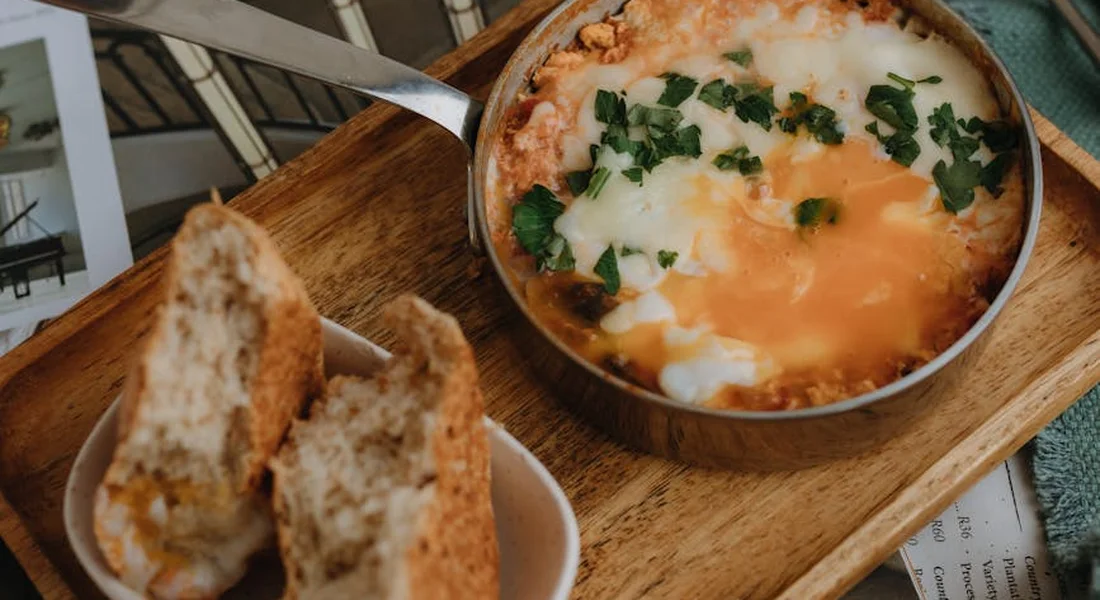
The difference is obvious the moment you pick them up. My 12-inch cast iron skillet is a solid 7.5 pounds. My 12-inch carbon steel skillet weighs just over 4 pounds. That’s nearly half the weight.
This isn’t just about numbers. It’s about how your wrist feels when you flip a potato or how confidently you can move a hot, full pan from the stove to the table.
Heft Versus Handiness
For daily maneuvering, carbon steel wins. Its lighter weight makes tossing vegetables or quickly shifting the pan on the burner much easier. Storage is simpler too. I can hang my carbon steel pan on a wall hook without worrying about the stud pulling out.
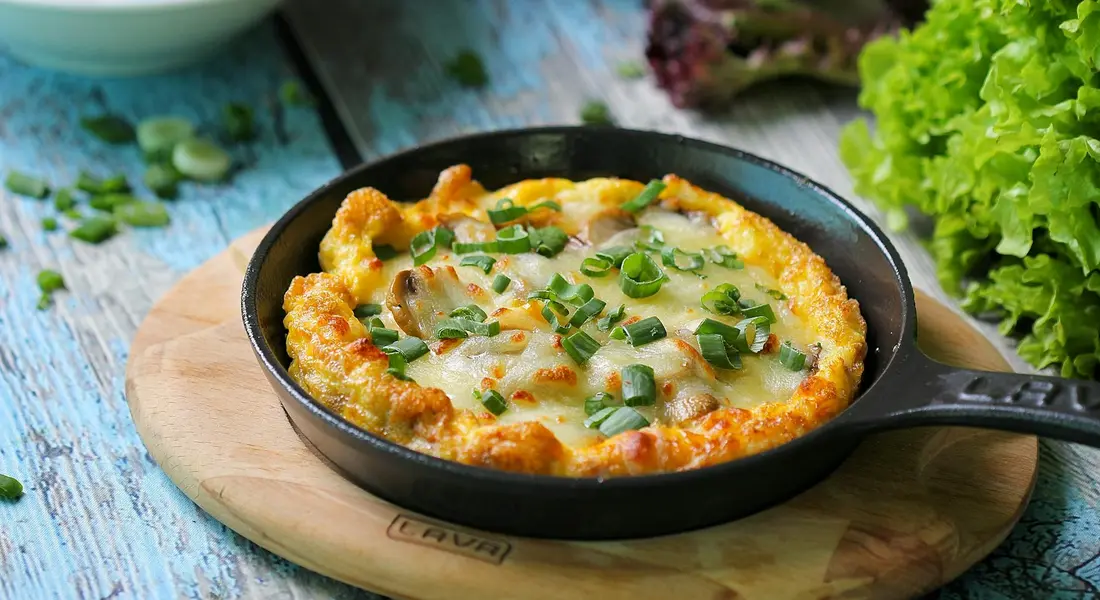
Cast iron’s weight is a tool, not just a burden. That mass provides phenomenal, even heat retention that’s perfect for a steady, deep sear. If you frequently cook dishes that start on the stovetop and finish in the oven, like a frittata, the cast iron’s stubby handle is less likely to bump the oven walls, but you’ll absolutely need a helper handle or a good oven mitt. Carbon steel pans typically have a longer, more angled handle that stays cooler and offers better leverage, but it can make oven use tricky in smaller ovens.
For many people, weight alone decides this battle. If you have concerns about wrist strength or simply prefer a nimble pan, carbon steel is the clear choice for everyday use.
Built to Last a Lifetime
Let’s be clear: both are family heirlooms in the making. With the most basic care, a quality skillet from either material will outlive you. This is not where you choose one over the other.
Their failure modes differ slightly. Cast iron is brittle. Plunging a scorching hot pan into cold water can cause it to crack, a casualty of thermal shock. Carbon steel is more malleable. Extreme, uneven heat can cause it to warp, especially on thinner models or electric coil burners, leading to an annoying wobble.
You are far more likely to find a vintage cast iron skillet at a flea market, a testament to its decades of survival, but a rusted-out carbon steel pan can be restored to glory with the same stripping and re-seasoning process.
Cost, Value, and Getting Started
You can spend a little or a lot on either. Generally, a good carbon steel skillet is slightly less expensive than a premium cast iron skillet. You might pay $50 to $80 for a reputable carbon steel pan, while a comparable high-end cast iron piece can run from $70 to over $100.
But think in cost-per-decade. At even $100, a pan you use for 30 years costs about $3.33 per year. Both materials offer staggering long-term value that makes the initial price almost irrelevant.
Your First Pan: A Practical Choice
So, which is easier for a beginner? I often steer people toward carbon steel if they’re intimidated by cast iron’s reputation. It’s lighter, often develops a slick seasoning faster, and feels more familiar to someone used to stainless steel. The maintenance rituals for both are nearly identical: clean, dry, oil, heat.
The myth that cast iron is fussy scares people away, but with straightforward guidance, both types are simple to care for. Ask yourself a few questions:
- Do you have a wrist you need to baby, or do you crave a lighter pan for quick cooking?
- Is your primary stove top electric coils, which can hotspot and are less forgiving of warping?
- Do you dream of baking deep-dish pizza or cornbread in the pan itself?
Your answers paint a profile. The carbon steel fan values speed, lightness, and a quick-response pan for searing and sautéing. The cast iron devotee prizes unparalleled heat retention, a rock-steady cooking surface, and a pan that doubles as a bakeware piece. You can’t make a wrong choice, only the right one for your kitchen today.
Common Questions
How do I know when my cast iron seasoning is properly set?
A well-set seasoning is dark, semi-glossy, and smooth to the touch-not sticky. It should repel water, causing droplets to bead up on the surface. This built-up patina is your non-stick shield and primary defense against rust.
Can I really not cook acidic foods in cast iron?
With a strong, mature seasoning layer, cooking a quick acidic dish like a pan sauce is fine. However, prolonged simmering of tomatoes or wine can break down the seasoning and impart a metallic taste. For long braises, use your enameled Dutch oven instead.
Is cast iron’s weight a drawback for maintenance?
The weight can make washing and drying at the sink more awkward. The solution is to clean it while it’s warm on the stovetop. Dry it thoroughly over a low burner, then apply a whisper-thin coat of oil-this routine keeps it protected without heavy lifting.
Building a Relationship with Your Iron
The best skillet for you is the one you will use and care for. Choose cast iron for its forgiving, durable nature and its ability to hold heat steadily for generations. Let the cookware’s inherent characteristics guide your choice, not a temporary trend. For more on nurturing your pan, explore our guides on seasoning from scratch or restoring vintage pieces.
My own daily driver is a simple cast iron skillet I’ve maintained for years. Its performance is a direct result of consistent, simple care. That reliable relationship is what makes it right for my kitchen.
Research and Related Sources
- r/Cooking on Reddit: Cast iron vs carbon steel vs stainless steel
- Carbon Steel vs. Cast Iron: Which One Should You Buy?
- Carbon Steel or Cast Iron? Your FAQs Answered – Smithey Ironware
- Carbon Steel: How Does It Compare To Cast Iron? – The Stone Soup Cook
A material science expert by profession, Joseph is also an avid cook. He combines his 10+ years expertise in material science and metallurgy with his passion for cast iron cookware to bring you best hands on advice. His expertise ranges from types of cast iron cookware to best seasoning tips as well as restoration of vintage cast iron utensils. Joe is here to help you solve all your cast iron cookware queries and questions.