Cast Iron or Stainless Steel: Which Pan Is Right for You?
Choosing between cast iron and stainless steel often feels like picking a favorite child-it’s a tough call filled with strong opinions and confusing advice. The truth is, neither material is universally better; your ideal pan depends entirely on how you cook and what you’re willing to maintain.
In this article, I’ll cut through the noise and compare them side-by-side based on real kitchen use. Here’s what we’ll look at:
- The real differences in maintenance and seasoning requirements.
- How each material handles and distributes heat for different cooking tasks.
- Durability, reactivity, and how they develop character over decades.
- A practical cost comparison beyond the initial price tag.
Key Takeaways: The Simple Truth
If you’re standing in a store feeling overwhelmed, this simple breakdown is for you. Forget the technical jargon for a moment and focus on what you need the pan to do for you, right now.
Choose Cast Iron if you want superior heat retention for a perfect sear, a natural non-stick surface that improves with time, and a piece of cookware that becomes a true kitchen heirloom. It’s superior to synthetic non-stick options for both health and performance.
- You want that legendary, restaurant-quality crust on steaks and chops.
- You don’t mind a little hands-on care (seasoning) to build a slick surface.
- You value cookware that gets better with decades of use.
- You often cook one-pan meals that start on the stovetop and finish in the oven.
Choose Stainless Steel if you need a pan that works with every type of food instantly, cleans up with zero fuss, and responds the second you adjust the burner.
- You frequently cook with wine, tomatoes, or lemon juice.
- You want to deglaze a pan to make a pan sauce right after cooking.
- You need a pan you can scrub with any tool or put in the dishwasher.
- Your cooking style requires you to change temperatures quickly.
| Feature | Cast Iron | Stainless Steel |
| Non-Stick Surface | Develops over time through seasoning; becomes excellent. | None by itself; food will stick unless you use proper technique and fat. |
| Heat Control | Heats slowly, holds heat incredibly well, distributes it evenly. | Heats and cools quickly, great for precise, immediate adjustments. |
| Maintenance | Requires seasoning and gentle cleaning to preserve the patina. | Indestructible; can use soap, abrasives, and dishwasher without harm. |
| Best For | Searing, frying, baking, cornbread, dutch oven cooking. | Sauces, searing (with technique), boiling, acidic dishes. |
How They’re Made: A Tale of Two Metals
To understand why these pans behave so differently, you need to start at the beginning. One is a solid chunk of a single element. The other is a sophisticated alloy engineered for a specific job.
Cast Iron: The Solid Pour
Imagine taking molten iron and pouring it directly into a sand mold shaped like a skillet. That’s essentially how cast iron cookware is born. It cools into one solid, unlayered piece.
This single-pour method is why cast iron is so thick, heavy, and slightly porous at a microscopic level. That porosity is the entire reason seasoning exists. The polymerized oil fills those microscopic pores and valleys, creating your cooking surface. It’s like how a primer coat seals porous drywall before you paint. The polymerization process is what actually bonds the seasoning to the cast iron.
This construction makes it exceptionally durable under steady, high heat, but brittle against sudden impacts. A dropped cast iron skillet can crack or chip, the same way a thick ceramic mug can. Its strength is in its mass and heat capacity, not its flexibility.
Stainless Steel: The Engineered Sandwich
Stainless steel cookware is more like a club sandwich. It’s made of layers. The core is usually a great heat conductor, like aluminum. That core is then clad between two outer layers of stainless steel alloy.
That “stainless” quality comes from chromium (and often nickel) in the alloy, which reacts with oxygen to form an invisible, inert layer on the surface. This is passivation.
This inert surface is why stainless steel is called “non-reactive” it won’t interact with acidic foods, and it has no pores for seasoning to bond to. Its strength is different, too. It might dent if you hit it hard, but it won’t shatter. It’s tough and resilient, designed to resist physical and chemical abuse.
Head-to-Head in the Kitchen: Heat and Performance
Mastering the Heat: Retention vs. Response
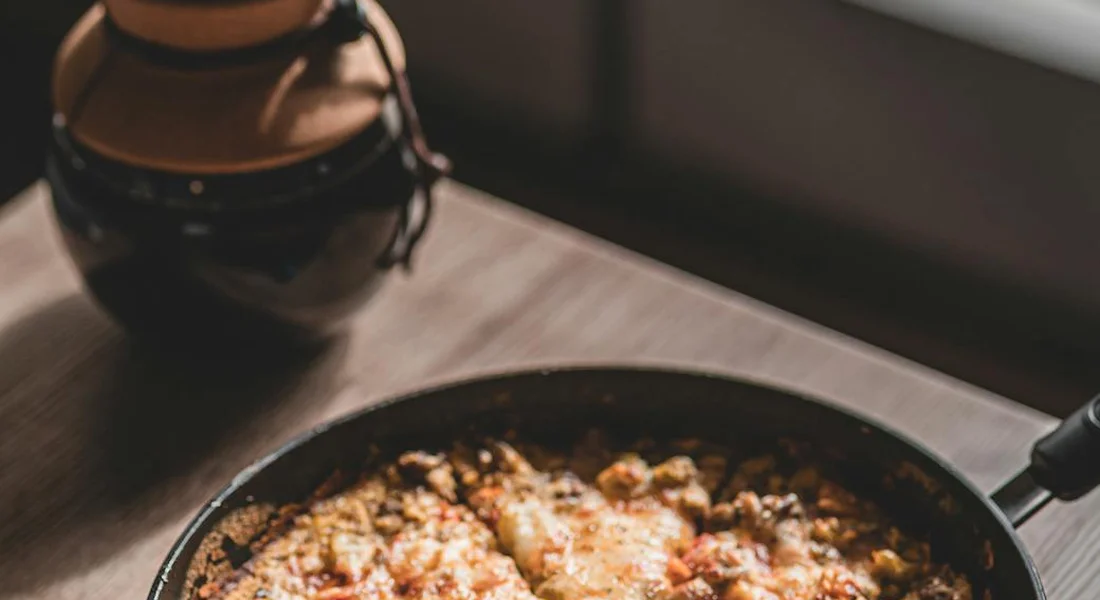
Think of your cast iron skillet like a thermal battery. It takes a bit to charge up, but once it’s hot, it holds that energy steady and spreads it evenly across its surface. This is why it won’t get a cold spot if you add a cold steak. My favorite vintage 10-inch skillet is my go-to for this very reason. It heats slowly but cooks with incredible consistency.
Stainless steel is the opposite. It heats up quickly and reacts instantly when you adjust the burner. This responsiveness is perfect for tasks where you need to change temperature fast.
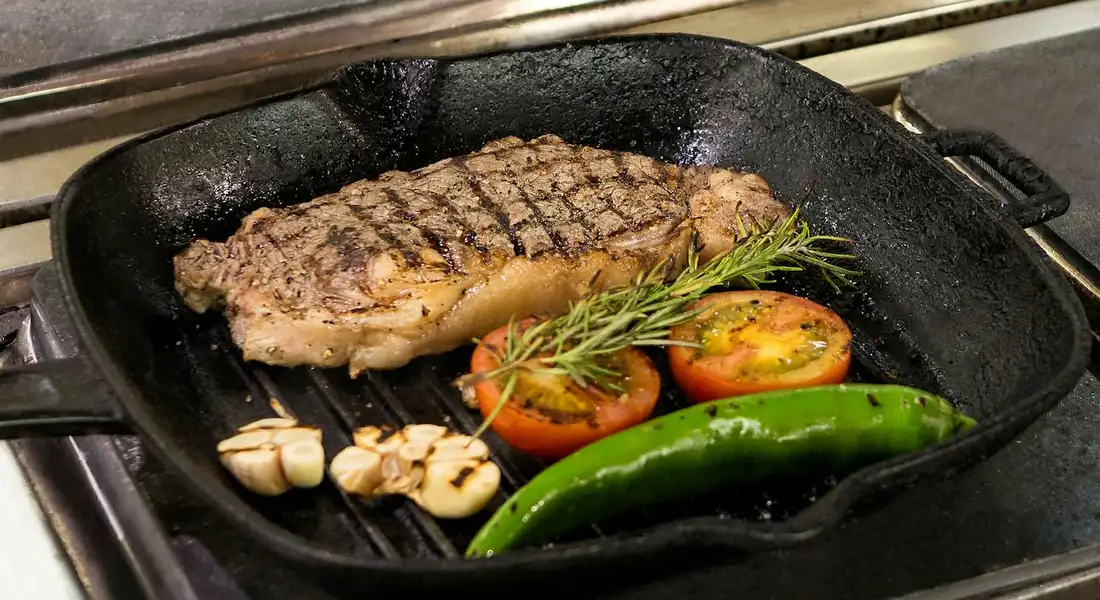
Cast iron’s steady, even heat makes it the champion for creating a perfect crust on a steak or achieving crispy roasted potatoes. Stainless steel’s quick reflexes are better for making a pan sauce, where you need to go from a sizzle to a simmer in seconds.
The Non-Stick Factor: Built-Up vs. Built-In
This is the biggest mental shift between the two materials. A non-stick cast iron surface isn’t something you buy. It’s something you build and maintain through seasoning. That slick black coating is layers of polymerized oil bonded to the iron, much like a durable, thin coat of paint.
Stainless steel has no such layer. You cook directly on the hard, bare metal. This is not a flaw. It’s a different design that offers superior fond development for sauces.
A well-seasoned cast iron skillet becomes naturally non-stick over time, while stainless steel relies entirely on proper pre-heating and a layer of fat to create a temporary non-stick effect. With stainless, if your food sticks, the pan likely wasn’t hot enough or you didn’t use enough oil at the start.
What You Can (and Shouldn’t) Cook in Each
Choose your pan like you’d choose a tool from a workshop. Each has its ideal job.
Your cast iron skillet excels at:
- Searing meats to a deep brown crust.
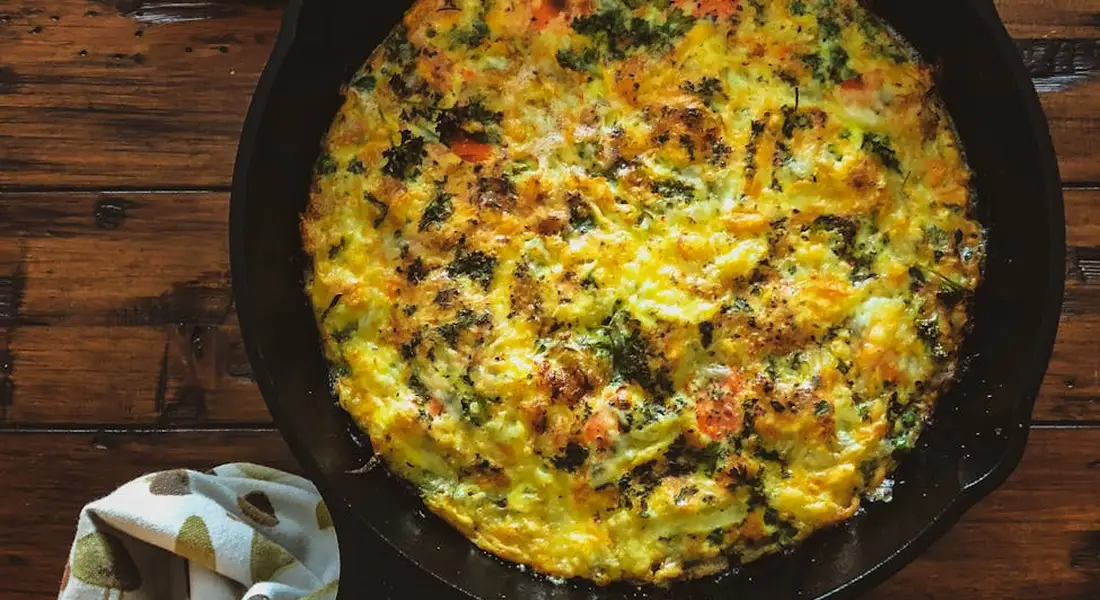
- Baking cornbread or frittatas.
- Shallow or deep frying.
- Any long, slow simmer where steady heat is key.
Your stainless steel pan is better for:
- Boiling water for pasta.
- Steaming vegetables.
- Making pan sauces and deglazing.
- Cooking very acidic foods like tomato sauce, wine-based dishes, or lemon butter.
That last point about acidic foods is a common question. You should avoid long simmers of acidic food in cast iron. The acid can break down your hard-earned seasoning layer, pulling small amounts of iron into the food and sometimes giving it a metallic taste. A quick splash of vinegar or wine to deglaze is fine, but for a 45-minute marinara, use stainless steel. If you want to cook acidic dishes in cast iron without damaging the seasoning, there are practical approaches and tips that can help, which we’ll cover next.
The Weight of the Matter: Feel and Function
Pick up a 12-inch cast iron skillet. Now, pick up a similar-sized stainless steel one. The difference is immediate and significant. Even when set alongside a stainless steel skillet, you’ll notice the distinct feel and weightiness of cast iron.
Cast iron is heavy. That heft gives it a solid, anchored feel on the stovetop. Its mass is the secret to its heat retention. That same weight makes it harder to lift, especially when it’s full of food. You won’t be doing fancy chef-style flips with it.
Stainless steel is comparatively light and nimble. It’s designed for movement, making it the better choice for sauteing vegetables or easily pouring out a finished sauce.
This weight versus strength trade-off is a fundamental principle in materials, similar to the choice between a solid cast iron brake rotor and a lighter, slotted stainless steel one, or the rugged heft of an iron power cage versus a lighter steel frame. Cast iron’s weight is its superpower for cooking, but it demands respect for your wrists.
The Care and Keeping: A Lifetime Commitment vs. Low-Upkeep
Caring for Your Cast Iron: It’s a Relationship
You don’t just own a cast iron pan. You build a relationship with it. The care is a simple, ongoing ritual.
After cooking, let it cool a bit. Then use hot water and a mild scrubber. I use a little dish soap with no worries. Dry it immediately with a towel. Your final step is always to gently warm the pan on the stove to evaporate every last trace of water, which stops rust before it can start.
Occasionally, you’ll apply a whisper-thin layer of oil. This isn’t a chore. It’s how you maintain its protective patina. Think of seasoning like layers of paint on a well-loved barn. One coat is fine, but dozens of thin, baked-on coats create a resilient, non-stick barrier that gets better every time you use it.
If you see a spot of rust, don’t panic. It’s a simple fix, not a death sentence. Scrub it off with steel wool, wash the pan, dry it thoroughly, and apply a fresh layer of oil. The pan is back in business. Rust on a seasoned pan is not the end of the world when you take care of it properly.
Caring for Your Stainless Steel: Simple and Straightforward
Stainless steel is the low-upkeep friend. Its care is about cleaning, not protecting a delicate surface.
You can use any scrubber, any soap, and even your dishwasher. There’s no seasoning to harm. The goal is simply to remove food. For tough, baked-on messes, deglazing with a little water while the pan is still hot lifts the residue right off. Its non-porous surface is impervious to soap and scrubbing, making cleanup purely functional.
Durability and Value: The Hundred-Year Pan
Both materials are famously durable, but they have different weaknesses.
Cast iron is incredibly hard, but it’s also brittle. Dropping a heavy skillet on a hard floor can cause it to crack. Stainless steel, especially multi-ply clad versions, is more ductile. Its risk is warping if subjected to extreme, rapid temperature changes, like going from a blazing broiler directly into an ice bath.
When you look at price, cast iron often wins on upfront cost. A classic, no-frills skillet is very affordable. A high-quality clad stainless steel pan with an aluminum or copper core for even heating typically costs more. When you compare cast iron to stainless steel, safety and durability are important factors to consider. Each offers distinct benefits that can suit different cooking styles. The value is in the longevity; with proper care, both types of pans can easily outlive you.
I have my great-grandmother’s cast iron griddle. It’s over eighty years old, slightly warped from a coal stove, but its seasoning is glassy and perfect. It reminds me that we’re not just buying a tool. We’re becoming the next steward of an object that can serve for generations, whether it’s made of iron or steel.
Making Your Choice: So, Which One is For You?
You don’t have to pick a side. The most versatile kitchens use both materials for their different strengths. Think of it like having both a sturdy chef’s knife and a delicate paring knife. My own kitchen has a stainless steel stockpot for boiling pasta and a cast iron skillet that makes the best cornbread. They work together.
Start With a Cast Iron Skillet If…
Your primary goals are building flavor, creating a nonstick surface through seasoning, and owning a piece that lasts generations. Cast iron is your tool.
- You love searing steaks or making a crispy-skinned fish.
- You want a naturally nonstick surface for eggs, pancakes, and grilled cheese without using Teflon.
- You bake often, from cornbread to deep-dish pizza.
- You enjoy the ritual of care and don’t mind the simple maintenance.
- You want a pan you can use on the stove, in the oven, and over a campfire.
Choose cast iron when you want a workhorse pan that improves with age and use.
Start With a Stainless Steel Saucepan If…
Your main needs involve quick, low-fuss cooking with precise heat control and easy cleaning. Stainless steel excels here.
- You frequently make sauces, boil water, or steam vegetables.
- You cook acidic foods like tomato sauce or lemon butter regularly.
- You want a pan you can scrub with any sponge or cleaner without a second thought.
- You need immediate, responsive temperature changes.
- You prefer a lighter pan for tasks like whisking a roux.
Choose stainless steel when you need a low-maintenance, reactive pan for everyday liquid-based cooking.
Should You Buy a Set?
My advice is to avoid buying a pre-boxed set, especially for cast iron. Sets often include pieces you’ll rarely use. For cast iron, you gain nothing from having matching sizes from the same brand. You are better off collecting individual pieces that fit your actual cooking style.
I started with one 10-inch skillet. Over years, I added a small griddle for toast and a large Dutch oven for braises. Each was bought for a specific need. The same logic applies to stainless steel. A good 3-quart saucepan and a large stockpot will see more action than an 8-piece set with odd-sized pots.
Build your cookware collection slowly, choosing each piece for a specific job it does perfectly.
There is no single “best” material, only the best tool for the meal you’re making today. Your skill with the pan matters more than what it’s made of. Learning to preheat cast iron properly or to get the “mercury ball” test right in stainless steel is part of the craft. Enjoy that process. A well-chosen pan, used with a bit of knowledge, will reward you for decades.
Common Questions
How do I maintain the seasoning on my cast iron skillet?
Maintenance is simple: clean with hot water, dry it immediately and thoroughly, then apply a microscopic layer of oil. The key is to always heat the pan gently on the stove after drying to drive off any residual moisture. This routine, done consistently, builds and protects your patina with every use.
My cast iron has rust spots. Is it ruined?
No, it’s not ruined. Rust is surface-level and can be remedied. Scrub the area vigorously with steel wool or a stiff brush until you see bare, gray metal again. Wash, dry completely, and apply a fresh layer of oil before storing; the pan will be back in service.
Why does my cast iron take so long to heat up, and how can I manage it?
Its mass is its strength for heat retention, but requires patience. Always preheat on low-to-medium heat for at least 5 minutes to allow the heat to spread evenly. This prevents hot spots and ensures consistent cooking performance for a superior sear.
Building a Lasting Kitchen Partnership
Your best kitchen isn’t about choosing one material over the other, but about letting cast iron and stainless steel do the jobs they’re each built for. Knowing when to use each can make all the difference. Use your stainless for quick, acidic sauces and your cast iron for developing deep, non-stick sears that last for generations. For more on maintaining that perfect cooking surface, explore our guides on proper cleaning methods and fixing a damaged seasoning.
Sources and Additional Information
- r/Cooking on Reddit: Stainless steel or cast iron?
- Cast Iron vs. Stainless Steel: What’s the Difference? – Made In
- Cast Iron vs Stainless Steel: Which is Better for Your Kitchen? | Misen
- Choosing Your Champion: Cast Iron vs. Stainless Steel – de Buyer
Joseph Gerald
A material science expert by profession, Joseph is also an avid cook. He combines his 10+ years expertise in material science and metallurgy with his passion for cast iron cookware to bring you best hands on advice. His expertise ranges from types of cast iron cookware to best seasoning tips as well as restoration of vintage cast iron utensils. Joe is here to help you solve all your cast iron cookware queries and questions.