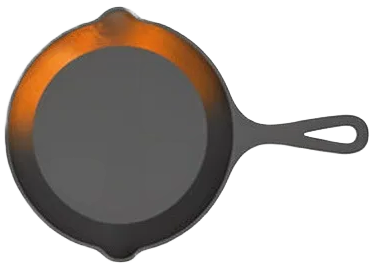
How to Tell if Your Cast Iron Is Actually Seasoned?
You’ve spent time applying layers of oil and baking your pan, but is it really seasoned? It’s a common question, and the answer isn’t always obvious. A properly seasoned pan shouldn’t be sticky or leave a residue on your fingers.
This guide will help you move from guesswork to confidence. You’ll learn the simple ways to check your pan’s seasoning with both your eyes and a few easy kitchen tests. By the end, you’ll know exactly what to look for.
- The visual signs of a well-bonded, durable seasoning layer.
- A simple water test to check for a slick, non-stick surface.
- The egg test: a real-world proof of your seasoning’s performance.
- How to maintain that perfect finish once you’ve confirmed it.
What Seasoning Really Is (And Why It Matters)
Seasoning is not something you add to a pan once. It is not a coat of paint you spray on. Think of it more like building a patina on leather or creating a tough shell with many thin coats of varnish.
Each time you apply a microscopically thin layer of oil and heat it past its smoke point, that oil transforms. It polymerizes, linking its molecules into a hard, slick, plastic-like layer bonded to the iron. You are literally baking on a protective skin, one delicate layer at a time.
This polymerized layer has two vital jobs. First, it seals the porous iron from air and moisture to stop rust in its tracks. Second, it creates the natural non-stick surface you want. When someone says they have a “seasoned cast iron skillet,” they mean this bonded layer is present and doing its job.
Factory pre-seasoning uses a similar process but often with industrial oils and methods. It gives you a solid, rust-proof head start. The seasoning you build at home over years of cooking is what truly personalizes your pan, filling in the gaps and creating that legendary cooking surface. My most trusted daily driver started with a factory coat, but its deep black finish is all from my kitchen.
The Look of a Well-Loved Pan: Visual Signs of Good Seasoning
You can tell a lot about a pan’s health just by looking at it and feeling it. A properly seasoned piece has a distinct, earned beauty.
The Right Color
A well-seasoned pan is rarely shiny or jet-black like a new car. That can mean the oil wasn’t fully polymerized and is still sticky. The ideal color is a deep, semi-gloss black or a rich, bronzed brown.
I compare it to the finish on a well-worn, cared-for leather boot. It’s dark, saturated, and has a soft sheen from use, not a reflective gloss. This deep, even tone is your first visual confirmation that the polymerization process has happened correctly and repeatedly.
The Correct Texture
Run your fingertips lightly across the cooking surface. This is the real test. A pan with good seasoning should feel smooth and dry to the touch, almost like a blackboard. It should feel slick, not rough or gritty.
That grittiness often means carbonized food gunk or flaking seasoning, not the smooth polymer layer you want. If your pan looks evenly dark and feels slick, that’s a strong visual clue the seasoning is good.
Check Every Surface
Don’t just look at the cooking surface. A truly cared-for piece shows seasoning everywhere. Inspect the walls, the handle, the underside, and the bottom.
This is especially important for pieces like a seasoned cast iron dutch oven or a combo cooker. You need to check the interior, the lid, and the exterior base. Consistent color and texture on all surfaces tell you the owner understood that full coverage is what prevents rust. This is a crucial step for rust prevention for cast iron bakeware.
Sometimes you might see bubbles or blisters in the seasoning. This is a visual flaw that usually means oil was applied too thickly during seasoning and it pooled before hardening. We’ll cover how to fix that in the next section on troubleshooting.
Red Flags: How to Spot Poor or Damaged Seasoning

A healthy seasoning layer should look mostly uniform and feel smooth. If you see or feel any of the following, your pan’s protective coating needs attention.
- Patchy or splotchy surfaces: This looks like dark and light areas in a random pattern. It often means the initial layers of seasoning were applied unevenly or stripped in spots.
- Rust spots (red or orange): This is bare iron reacting with oxygen and moisture. Even a tiny speck means the seasoning is gone in that spot and rust is starting.
- A sticky or tacky feel: Run your fingers over the cooking surface. It should feel dry and slick, like a polished stone. If it feels sticky, it’s a classic sign of too much oil left on during the seasoning process. The oil polymerized into a gummy layer instead of a hard one.
- Visible flaking or peeling: You might see small chips or sections where the black seasoning is lifting away, revealing lighter metal underneath. This can happen from thermal shock or a weak bond between layers.
Let’s talk about two specific issues. That sticky feel directly answers the common question about “seasoned cast iron pans coming out sticky.” It happens when you use too much oil. Think of it like painting a wall with a brush that’s dripping wet, you’ll get drips and a messy finish. The same goes for oil in the oven. It’s not just the seasoning; even when cooking food, too much oil can be counterproductive.
Sometimes you might see tiny bubbles under the surface. This is usually moisture trapped under the seasoning layer, often from not drying the pan completely before oiling it and putting it in a hot oven.
Also, look for dull, gray, or metallic-looking areas. A well-seasoned pan has a deep black or dark brown patina. Shiny gray spots mean the seasoning is very thin or completely absent there. The iron is exposed.
A pan with failing seasoning is like a wooden table with cracked, peeling varnish, it’s no longer protected and needs to be refinished. The same goes for cast iron — if the seasoning is compromised, it needs to be repaired.
When Looks Can Deceive: Simple Proofing Tests
Your eyes are a great first check, but they don’t tell the whole story. A pan can look dark and still perform poorly. These quick, safe tests confirm if your seasoning is actually doing its job.
The Water Bead Test
This is my favorite quick check. Start with a pan that’s completely cool and dry. Place it on a burner and set the heat to low for just about 60 seconds. You want it barely warm, not hot.
Sprinkle a few drops of water onto the cooking surface. Watch closely.
- Good sign: The water forms tight, round beads that skate around the pan like tiny marbles.
- Bad sign: The water immediately sizzles, spreads out flat, and evaporates within a second or two.
The beading happens because a properly polymerized seasoning layer is hydrophobic, it repels water. If the water vanishes, the seasoning is too thin or non-existent in that spot, allowing the heat to hit the water directly on the metal.
The Oil Sheen Test
This test checks the smoothness and integrity of your base layer. Make sure your pan is clean, cool, and dry. Put a single drop of your seasoning oil (like flaxseed or grapeseed) on your fingertip and rub it across the cooking surface.
Observe how it behaves.
- Good sign: The oil spreads out into a thin, even, almost transparent film. It leaves a faint, consistent sheen across the whole area.
- Bad sign: The oil pools in little droplets, looks blotchy, or seems to sit on top of the metal in certain spots without spreading evenly.
This test directly relates to the question of how you seal a cast iron skillet, a good seal means the oil bonds to a perfectly smooth surface, it doesn’t just sit on top of imperfections.
The Paper Towel Wipe
Do this test right after the Oil Sheen Test. Take a clean, white paper towel and firmly wipe the entire surface where you just spread the oil.
Look at the towel.
- Good sign: The towel might show a slight, translucent grease stain, but no black or brown grit, dust, or streaks.
- Bad sign: The towel picks up dark residue. This is loose carbon or tiny flakes of unstable seasoning coming off.
This is a critical test for any new cookware, like a “seasoned cast iron 5 piece set.” Factory seasoning can sometimes be fragile or applied over microscopic rust. That’s why seasoning matters: it protects the iron from moisture and rust. A good seasoning also builds a durable, nonstick surface over time. A truly stable seasoning layer is bonded to the iron, it should not wipe off onto a towel.
Keeping It Slick: Basic Care for Your Seasoning
Think of your seasoning like a well-worn leather jacket. You don’t wash it aggressively after every wear, you give it a gentle wipe-down and maybe a little conditioner. Your pan deserves the same thoughtful approach. Adopt a clean, season, maintain rhythm for your skillet. A consistent, simple routine is all it takes.
Your post-cooking ritual should be calm and methodical. Let the pan cool until it’s just warm to the touch.
- Gentle Clean: Use hot water and a soft brush or non-abrasive sponge. For stuck-on bits, use a little kosher salt as a gentle scrubber. Modern dish soap is fine, as long as it’s free of harsh additives like lanolin or extra moisturizers.
- Thorough Dry: This is the most critical step. Dry the pan completely with a towel, then place it on a low stovetop burner for 2-3 minutes. This heat drives off every last bit of moisture you can’t see. Water is seasoning’s enemy.
- Light Oil: While the pan is still warm, apply the tiniest amount of oil with a paper towel. Then, with a fresh towel, buff it like you’re trying to remove all the oil you just put on. You want only a microscopic film left behind.
This routine works for every piece, from your daily 10-inch skillet to a specialty seasoned cast iron baker’s skillet. Consistent, light maintenance builds a stronger, more resilient patina over years of use. After cooking, give it a quick clean and dry thoroughly to lock in the seasoning. Regular post-use maintenance keeps it ready for the next dish.
What to Avoid
Good care is often about what you don’t do. Avoid these common pitfalls that strip your hard work away.
- Don’t let the pan soak in water. This invites rust to form under the seasoning.
- Skip the steel wool and abrasive scrub pads for regular cleaning. They act like sandpaper on your seasoning layer.
- Avoid putting a wet pan away in a closed cabinet. It will rust, guaranteed.
If you’re building a seasoned cast iron care kit, keep it simple: a chainmail scrubber for rare, tough jobs, a soft-bristle brush, a dedicated towel for drying and oiling, and a bottle of your preferred oil (like grapeseed or Crisco). You’ll want to make sure you know how to properly season and maintain your cast iron cookware to keep it in top shape.
When to Seek Professional Help or a Full Re-season
Sometimes, basic care isn’t enough. Damage can go too deep. Knowing when to start over saves you frustration.
You likely need a full strip and re-season if you see any of these three signs:
- Extensive Rust: Not just a tiny spot, but large patches or rust that comes back immediately after cleaning.
- Flaking in Sheets: When the seasoning layer peels off like old paint, exposing bare metal underneath.
- Persistent Stickiness: If the pan feels gummy or tacky even after proper cleaning and heating, the seasoning layer was applied too thick and never fully polymerized.
A full re-season is a project. It involves completely stripping the old seasoning (often with a lye-based method or electrolysis), which can take days, followed by applying 3-5 new oven-baked layers of oil. It requires dedicated oven space, patience, and a full afternoon or evening of your time.
If your pan has physical damage, like a deep crack or noticeable warping that makes it wobble on a flat burner, the issue is beyond seasoning. At that point, it’s best to consult a professional restorer or, realistically, consider retiring the piece.
I recently made the call to fully re-season my favorite vintage single-notch Wagner. Its seasoning was flaking badly near the rim, and no amount of stovetop seasoning would fix it. The process was time-consuming, but now it’s back in daily rotation, better than ever. Knowing when to let go and start fresh is part of the journey.
At a Glance: Quick Snapshot of Seasoning Health

This table gives you a fast way to diagnose the current state of your pan’s seasoning. Use it as your first reference point.
| Category | Visual Appearance | Texture | Result of Water Bead Test | Recommended Action |
| Good Seasoning | Even, dark color (black, deep brown) | Smooth and dry to the touch | Water beads and rolls around like mercury | Keep cooking and maintaining with gentle cleaning and a thin oil wipe after use. |
| Problematic Seasoning | Patchy, gray, silvery, or rusty spots | Sticky, gritty, or flaky | Water sizzles, spreads out, and evaporates quickly | Clean thoroughly to remove unstable layers, then apply a fresh seasoning layer. |
The Visual Signs of a Well-Seasoned Pan
Your eyes are your best first tool. A healthy seasoning layer has a consistent look that deepens over time.
A properly seasoned pan will develop a rich, dark patina that looks almost glassy, not like a layer of paint you can chip off.
Think of it like the finish on a well-worn wooden tool handle. It is deep and saturated, not sitting on top. Color can vary from deep chocolate brown to a classic black. This darkening happens because the oil polymers carbonize over many uses. It is a sign of history and care.
You want an even color across the cooking surface and up the sides. Some slight variation is normal, especially on vintage pieces, but large silver-gray patches indicate bare iron. A blotchy appearance often means the seasoning was applied too thickly and pooled.
My own daily skillet isn’t one perfect shade. It is darker in the center where most cooking happens and lighter near the rim. That is the story of its use, and it performs flawlessly.
Proofing Tests: Beyond the Look
Looks can be part of the story. These simple tests confirm what the seasoning is actually doing.
The Water Bead Test
This is the quickest way to check the non-stick property of your seasoning. A polymerized oil layer is hydrophobic, meaning it repels water. This reflects the chemistry of cast iron seasoning, where polymerization creates a non-stick surface. Understanding this polymerization helps explain why proper seasoning yields a slick finish.
- Ensure your pan is completely clean, dry, and at room temperature. You can warm it slightly on the stove for 30 seconds, just to take the chill off.
- Sprinkle a few drops of water onto the cooking surface.
- Observe what happens.
If the water forms tight, round beads that skate around the pan when you tilt it, your seasoning is in great shape. The surface is smooth and sealed. If the water splats flat, spreads out, and sizzles away rapidly, the surface is porous or sticky. It is grabbing onto the water, which means it will grab onto food. This pan likely needs reseasoning.
The Egg Test (The True Kitchen Proof)
Cooking is the ultimate test. An egg is a great benchmark because it is notoriously sticky.
- Heat your pan over medium-low heat with a small amount of fat (butter or oil).
- Once hot, crack an egg into the center.
- A well-seasoned pan will let the egg release easily when it is ready to flip. You should be able to slide a thin spatula underneath with minimal resistance.
- If the egg violently sticks and tears, leaving behind a cemented layer of protein, your seasoning is not providing an adequate barrier.
Do not be discouraged by a little sticking. Perfect slidey eggs are a viral video feat, not an everyday requirement. Look for easy release, not zero contact. A bit of initial grab that releases cleanly is often the sign of a real, working pan.
Common Questions
My seasoned cast iron pans are coming out sticky. What did I do wrong?
Stickiness means too much oil was used during the seasoning process, preventing full polymerization. To fix it, heat the pan in your oven at 450°F for an hour to bake off the excess, then let it cool completely inside. This hardens the layer, and you can then resume cooking and maintenance.
I see small bubbles in my pan’s seasoning. Is this a problem?
Yes, bubbles or blisters are a visual flaw indicating oil was applied too thickly, causing it to pool before hardening. They can trap moisture and create weak spots. You can gently sand the area smooth with fine steel wool and apply a fresh, very thin layer of oil to re-season.
What should be in a basic seasoned cast iron care kit?
A proper kit is simple: a stiff nylon brush for daily cleaning, a chainmail scrubber for stubborn residues, a dedicated lint-free towel for drying, and a bottle of high-smoke-point oil for maintenance. Avoid harsh soaps and abrasive tools; gentle, consistent care builds the best patina.
Keeping Your Seasoning in Check
Remember, the true test of a great seasoning isn’t just a flawless look, it’s how the pan performs. A perfect-looking skillet that sticks isn’t doing its job, while a dark, splotchy workhorse that cooks like a dream is perfectly seasoned. Use the water bead test and trust your cooking experience over chasing a magazine-cover finish every time. For more on building that layer, you can read about selecting the best oil or how to strip and restart if needed.
References & External Links
- How to Season a Cast Iron Pan (It’s Easier Than You Think!)
- How to Season a Cast Iron Skillet – Field Company
- How to Season – Lodge Cast Iron
A material science expert by profession, Joseph is also an avid cook. He combines his 10+ years expertise in material science and metallurgy with his passion for cast iron cookware to bring you best hands on advice. His expertise ranges from types of cast iron cookware to best seasoning tips as well as restoration of vintage cast iron utensils. Joe is here to help you solve all your cast iron cookware queries and questions.