
What Brand Is Your Cast Iron? How to Clean It Right
You’ve picked up a cast iron piece, but without a clear logo, you’re left guessing how to clean it properly. Identifying its maker is the first step to giving it the specific care it deserves, preventing damage and honoring its history.
This guide will walk you through the practical steps I use in my own workshop. You’ll learn:
- How to spot the key identifiers, from faint markings to distinctive handle designs.
- Why different brand finishes, like Griswold’s smooth surface or Lodge’s textured one, change your approach.
- The tailored cleaning methods that keep each type of pan in top condition for decades.
Where Do You Look for Cast Iron Brand Clues?
Start by getting your hands on the pan. Literally. Turn it over and feel the bottom. Run your fingers over the handle and up the sides. You’re looking for anything that isn’t smooth, flat iron. The best evidence is almost always on the underside, or “bottom,” of the pan.
Focus your search on three key areas.
- The Center of the Cooking Surface: On very old pans (pre-1900s), look for a faint raised line or lines across the middle. This is a “gate mark” from an old casting method. It doesn’t tell you the brand, but it shouts “vintage.”
- The Bottom of the Pan: This is clue central. Look for a logo, like Griswold’s circle and cross, or Wagner’s stylized name. You might find a size number (like “8” or “10”) or a pattern number (like “1053”). The phrase “Made in USA” tells you it was made after the mid-1960s.
- The Handle: Some makers, like Favorite Stove & Range, put their mark or a pattern number on the top of the handle. Others have a distinctive shape, like the downward “hump” on a single-spout Griswold handle.
Sometimes the mark is faint. I have a large griddle that looked completely blank until I held it at an angle under bright light. The shadow revealed a shallow, ghostly “ERIE” marking I had missed for years.
Finding a clear marking is your quickest path to understanding your pan’s history and how to treat it.
Common Markings and What They Tell You
Think of markings like a pan’s fingerprint. The quality and style give away its age and origin. A vintage Griswold or early Wagner logo is often crisp, deep, and elegantly cast into the iron. A modern Lodge skillet will usually have the brand name in a simpler, raised font alongside a pebbly, as-cast cooking surface.
That cooking surface texture is a huge clue. Vintage American pans from the early to mid-20th century were often “milled” or “ground” at the factory. A pan with a glassy-smooth cooking surface is almost certainly vintage and requires a more delicate cleaning approach to preserve that finish. Modern pans have a textured, pebbly surface right from the mold, which is more forgiving with scrubbing.
Not all pans announce their maker. Many, especially from foundries like Birmingham Stove & Range (BSR), have only a pattern number and size. You see a “8 5 8H” or “10 1/2 N” and nothing else. This just means you need a good reference book or online collector resource to solve the puzzle.
What If Your Pan Has No Clear Logo?
Don’t worry. This is incredibly common. Many great pans were made as “contract” pieces for hardware stores or were simply unmarked. I have several fantastic daily drivers in my own kitchen where the maker is a mystery.
When there’s no logo, become a detective. Look at the pan’s overall profile. Compare the shape of the handle, the style of the heat ring (or lack of one), and even its weight to photos of known brands. Online forums and collector guides are invaluable for this side-by-side visual comparison.
An unidentified pan is not a lesser pan. It simply means your care strategy will be based on its physical traits, like surface smoothness and overall heft, rather than a known brand history. You can still build a perfect seasoning layer and cook with it for a lifetime. Knowing the brand is helpful, but caring for the iron in your hand is what truly matters.
How Does Vintage Differ From Modern Cast Iron?
You can’t clean all cast iron the same way because they aren’t all made the same. The main reason your cleaning approach needs to change comes down to the surface finish of the pan itself. Some techniques work better depending on the type of seasoning and texture.
Older foundries put more labor into finishing their pans. After casting, many vintage pieces were polished on a grinding wheel to create a glassy, smooth cooking surface. Modern production skips this costly step. Your new Lodge pan comes straight from the mold with a textured, pebbled finish.
Think of cleaning vintage iron like washing a classic car’s delicate paint job, while cleaning modern iron is more like scouring a rugged truck bed liner. One requires a gentle, preserving touch, while the other can handle more abrasion.
The Delicate Nature of Vintage Surfaces
That beautiful, machined smoothness on a Griswold or old Wagner is its glory and its vulnerability. A surface that smooth has less physical texture for seasoning to grip onto, so the polymerized layers are thinner and more refined.
Harsh steel wool or abrasive cleansers can easily scratch and score that silky finish, damaging both the iron and its delicate seasoning. These pans also often have thinner, lighter walls, a sign of higher quality casting. They conduct heat beautifully but benefit from a lighter touch during cleanup to preserve decades of history and performance.
The Robust Build of Modern Cast Iron
Grab a modern skillet from Lodge. Run your fingers over the interior. That gritty, pebbled texture is intentional. It acts as a perfect anchor for new seasoning to stick to, solving the bonding issue that smooth vintage pans can have. For a full walkthrough, see the season new lodge cast iron skillet complete guide.
That same texture, however, is also a fantastic trap for food particles and carbonized gunk. The good news is the pan is built to take it. The thick walls and rugged as-cast finish can tolerate more aggressive scrubbing when you face a real mess. Even though it’s tough, starting with gentle methods is still the best daily practice to protect your seasoning investment.
How Do You Clean Based on the Brand and Era?
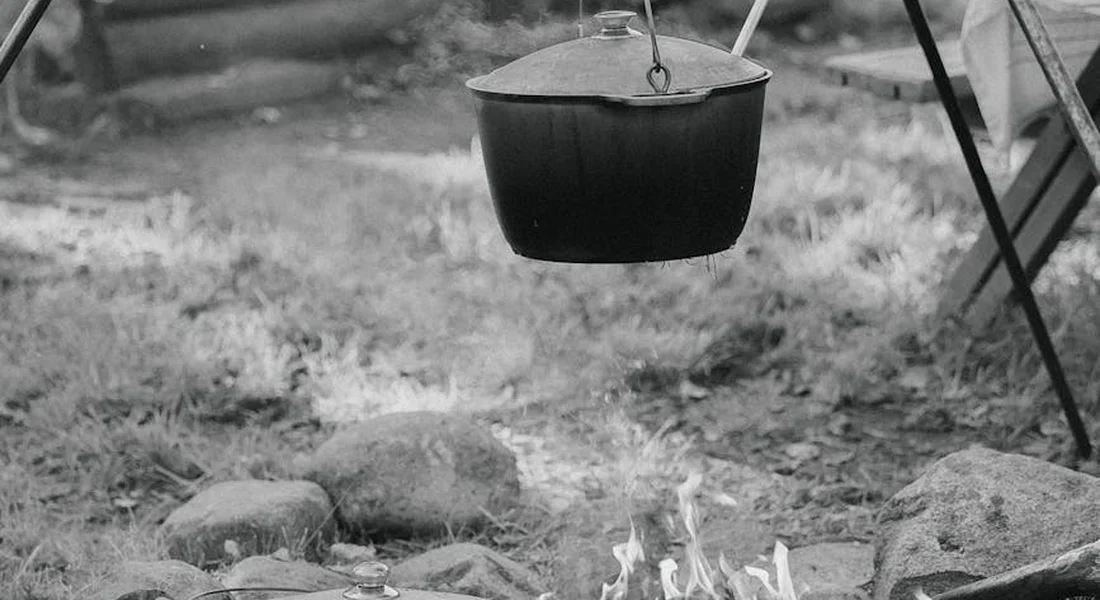
Knowing the “why” behind the differences lets you build a smart cleaning routine. The best approach is tiered. Always start with the gentlest method and only get more intense if the first pass doesn’t work.
Your Gentle, Universal First Steps
This is your baseline clean for every single pan, whether it’s a 1920s find or one you bought last week. It solves 95% of cleaning needs without risk.
- While the pan is still warm (not scorching hot), rinse it with hot water.
- Use a soft nylon brush or sponge with a small drop of modern dish soap. Scrub gently.
- Rinse thoroughly with clean, hot water.
- Dry it immediately and completely with a towel.
- Place it on a low stovetop burner for a few minutes to evaporate any hidden moisture.
- Give the entire surface a microscopic wipe with a thin layer of your preferred oil.
This simple, consistent routine of wash, dry, and oil is the foundation that prevents rust and builds long term seasoning strength on any brand.
Adapting Your Approach for Tough Residue
When you face stuck on food or light carbon buildup, your brand and era guide your next move. Here’s how to handle it.
For modern, textured iron, you can use mechanical abrasion without much fear. The rugged surface is designed for it.
- Sprinkle a handful of coarse kosher salt into the pan. Use a damp paper towel or cloth to scrub the paste around. The salt crystals act as gritty scrubbers that dislodge residue.
- Use a dedicated chainmail scrubber. It’s excellent at scraping off bits without damaging the seasoned surface. I use one on my modern skillets weekly.
For vintage, smooth iron, you need a more finessed approach to avoid scratches.
- A plastic or wooden pan scraper is your best friend. It can gently lift crusted on spots without marring the iron.
- Make a paste with baking soda and a little water. Apply it to the problem spot and use your soft nylon brush to gently work it. The baking soda provides mild abrasion and helps break down grease.
- Avoid metal scrubbers, steel wool, and chainmail on these smooth surfaces. They will leave fine scratches.
Place these methods side by side. For a modern pan, salt or chainmail provides the extra power its texture can handle. For a vintage pan, the scraper or baking soda paste offers the extra cleaning power while protecting its delicate finish.
What Are Special Considerations for Notable Brands?
Not every piece of cast iron needs the same exact care. The brand often gives you the biggest clue. Instead of memorizing dozens of names, you can group them by their most important trait. Knowing how to identify cast iron brands will help you do that.
Your cleaning method should always protect the pan’s defining characteristic, whether that’s a mirror-smooth finish or a nearly indestructible build.
Era-Defining Brands Like Griswold and Wagner
These vintage pans are prized for their incredibly smooth, almost polished cooking surfaces. That smoothness is what you must protect at all costs.
Avoid steel wool or metal scrubbers at all costs. They will scratch that beautiful surface. Instead, use a non-metallic scrubber like a Dobie pad, a blue Scotch-Brite non-scratch sponge, or a stiff nylon brush.
Their old, thin factory seasoning can become brittle and may flake off in small patches. This is normal. When this happens, the solution is a gentle cleaning followed by a fresh layer or two of seasoning, not an aggressive stripping of the entire pan.
Modern Workhorses Like Lodge and Comparable Brands
These pans are built to last. Their pebbly, textured surface is extremely forgiving and holds new seasoning very well. This ruggedness means you can be a bit more direct with cleaning.
Hot water, a bit of soap, and a stiff nylon brush are almost always sufficient. You don’t need to baby them. The texture is the one thing to watch. Those tiny pores can trap tiny food particles.
After scrubbing, give the pan an extra thorough rinse under running water, using your fingers to feel for any grit left behind in the texture.
Enameled Cast Iron (Like Le Creuset or Staub)
This is a completely different category. The cast iron is coated in a durable glass-like enamel. You are now caring for that glass coating, not a seasoned metal surface. In our enameled cast iron guide, you’ll find sections on composition, coatings, and finishes. It explains how the enamel behaves and what care it requires.
Never use abrasive scrubbers, steel wool, or metal utensils. They will permanently scratch and dull the enamel. Think of it like a glass window, you wouldn’t scrub it with steel. For everyday use, opt for wooden, silicone, or nylon utensils that are safe for enameled cast iron. These protect the enamel while you cook.
For stubborn, baked-on food, make a paste of baking soda and water. Spread it on the spot, let it sit for 15 minutes, then gently scrub with a soft sponge. This usually lifts the residue without any damage, especially when used on a cast iron surface.
When Should You Move Beyond Basic Cleaning?
Sometimes, a simple wash isn’t enough. Your pan will tell you when it needs more help. Learning to read these signs saves you time and prevents further damage.
Signs It’s Time for a Full Re-seasoning
Basic cleaning maintains your seasoning. These issues mean your seasoning has failed and needs to be rebuilt.
- Rust: You see reddish-brown spots or dust. This is bare iron exposed to moisture.
- Sticky Spots: The surface feels gummy or tacky, even after warming. This is polymerized oil that didn’t fully cure.
- Patchy, Flaking Seasoning: Large areas where the black coating is peeling up, revealing lighter metal underneath.
When you see these, the protective layer is compromised. You need to remove the damaged seasoning (and any rust) and build a new one from the bare metal up.
Handling Persistent Problems or Unknowns
If you’re unsure about a mark, a sound, or the history of a pan you found, don’t guess. The cast iron community is incredibly helpful—especially when it comes to identifying vintage cast iron skillets, marks, brands, and dating techniques.
Take a clear, well-lit photo of the entire pan, especially any markings on the bottom. Post it in a dedicated forum or group. Explain the specific issue, like “makes a clicking sound when heated” or “has this gray, rough patch.”
With patience and the right method, you can solve nearly any problem, from rust to crud, no matter what name is cast into the bottom.
Common Questions
My pan has no clear logo. How do I decide how to clean it?
Judge it by its surface, not its name. A glassy-smooth cooking surface demands a gentle touch with non-abrasive tools. A pebbly, textured surface can handle more robust scrubbing with salt or a chainmail scrubber.
What if my pan has traits of both vintage and modern iron?
Let the cooking surface be your guide for cleaning. A smooth interior gets delicate care, regardless of the pan’s weight or bottom markings. A textured interior allows for more assertive scrubbing, even on an otherwise old-looking piece.
How can I tell if my cleaning method is too harsh for the brand?
Inspect the pan’s seasoning after cleaning under good light. If you see new, fine scratches on a smooth vintage surface, switch to softer tools. Your method should remove food, not alter the iron’s finish. This is especially important when you clean and restore vintage cast iron skillets.
Your Skillet’s Story Guides Its Care
The single best thing you can do for any piece is to take a moment to identify its brand before you ever touch it with a scrub brush. That simple act of recognition connects you to its manufacturing history and gives you the clear, specific cleaning approach it was built for. From here, you can build on this knowledge with our detailed guides on selecting the right oils for seasoning or safely storing your collection.
Relevant Resources for Further Exploration
- How to Clean and Season Cast-Iron Cookware | Reviews by Wirecutter
- How to Clean – Lodge Cast Iron
- Amazon.com: Cast Iron Scrubber 316 Stainless Steel Skillet Cleaner 8″x6″ Chainmail Scrubber Scraper Chain Mail Link Scrub for Cast Iron Pre-Seasoned Pans, Griddles, BBQ Grills, and Pot Cookware Cleaning : Health & Household
- Seasoned Cast Iron Cleaning & Care – Lodge Cast Iron
Joseph Gerald
A material science expert by profession, Joseph is also an avid cook. He combines his 10+ years expertise in material science and metallurgy with his passion for cast iron cookware to bring you best hands on advice. His expertise ranges from types of cast iron cookware to best seasoning tips as well as restoration of vintage cast iron utensils. Joe is here to help you solve all your cast iron cookware queries and questions.