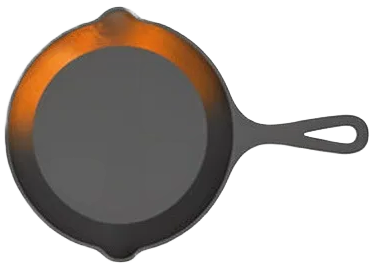
How Do You Reseason Cast Iron Cookware?
Seeing rust or a patchy surface on your cast iron can be discouraging. But with a few simple steps, you can restore its non-stick shine and durability.
In this guide, I’ll walk you through the reseasoning process from my own workshop experience. Here are the key points we’ll cover:
- How to clean and prepare your pan for a fresh start.
- Selecting the best oil and applying it evenly for a smooth finish.
- The exact baking method to build a strong, lasting seasoning layer.
- Simple tips to maintain your pan after reseasoning.
Key Takeaways: What You Need to Know First
Before you heat your oven, understand these three ideas.
- Reseasoning is a repair job. It fixes specific damage like rust, sticky spots, or bare metal. This is not something you do every week.
- Thin layers win. The biggest mistake is using too much oil. You want to wipe it on, then try to wipe it all back off.
- Patience is part of the process. The pan must heat fully to transform the oil, and it must cool completely in the oven to set properly. Rushing leads to a gummy mess.
The oven method gives you the most even, durable results for a full restoration, while the stovetop is best for a quick spot fix on a single layer.
What Is Reseasoning and When Is It Necessary?
Seasoning is a layer of polymerized oil bonded to the iron. Think of it like a tough, non-stick paint. Reseasoning is the process of applying a new coat of that “paint” because the old one has failed.
It is not the same as cleaning your pan after use. Cleaning is like wiping down your kitchen counters. Reseasoning is like sanding down a weathered wooden fence and applying a fresh coat of sealant to protect it from the elements.
You need to reseason when the protective layer is gone or compromised, leaving the raw iron underneath vulnerable, most commonly to rust. This directly answers the common search, “how to reseason cast iron rust.” Rust is iron oxide, and it forms when bare metal meets moisture and air. A full reseason stops rust by sealing the metal away from those elements.
Clear Signs Your Pan Needs Help
Your pan will tell you when it needs work. Look and feel for these signs.
- Rust: Any reddish-brown speckling or patches. This is the clearest signal for a reseason.
- Bare Metal: Silver-gray iron showing through the black seasoning, often in the center of the cook surface or along the rim.
- Stickiness or Gumminess: A tacky feel that never goes away. This is un-polymerized oil. I once found a sticky spot on my #8 skillet after a well-meaning roommate “oiled it for me” without heating it. It had to be stripped and reseasoned.
- Flaking or Blotchiness: Seasoning that is peeling off in chips or looks uneven and splotchy. This layer is no longer stable.
If you see rust or feel stickiness, a full reseasoning process-starting with stripping the old layer-is your best path forward.
How Often You Might Actually Need to Do This
With proper daily care, a full, strip-it-down reseason might be something you do every few years, if ever.
Proper care means cleaning it gently after use, drying it thoroughly with heat, and giving it a microscopically thin coat of oil now and then. This routine maintenance adds tiny, strong layers of seasoning through regular cooking. It is like touching up the paint on a fence every season versus waiting until it’s all peeling and starting over.
A full reseason is for major repair, not maintenance. Your daily cooking is what builds and maintains a great patina over the long term. My most-used daily driver skillet hasn’t needed a full oven reseason in over five years, because the cooking does the work.
Gathering Your Gear: The Reseasoning Toolkit
Yes, you can absolutely reseason a cast iron pan. It’s the process that brings a damaged or rusty piece back to life. If your skillet is rusty, this is how you fix it and make it safe to cook again. Next, we’ll cover how to clean and reseason for safe cooking. Before you start, get these items together.
- Your cast iron piece (skillet, Dutch oven, etc.)
- A high-smoke-point oil or fat
- Clean, lint-free cloths or paper towels
- An oven
- A baking sheet or aluminum foil
Having everything within arm’s reach makes the process smooth and keeps you from touching cabinet handles with oily hands.
Choosing Your Oil: A Simple Comparison
Your oil is what builds the new protective layer. Think of it like choosing a paint for a wood floor. You want something durable that cures hard. Here’s a quick look at common choices.
- Grapeseed Oil: My personal favorite. It has a high smoke point, polymerizes well for a durable finish, and is easy to find.
- Flaxseed Oil: Cures very hard and gives a dark, glossy finish. It can become brittle and chip over time, which I’ve seen on a few of my own pieces.
- Refined Coconut or Avocado Oil: Excellent high smoke points. They are great options, though sometimes pricier.
- Crisco or Lard: The classic, reliable choice. It’s affordable, effective, and has been used for generations.
For a balance of durability, ease, and cost, I consistently reach for grapeseed oil or a simple can of Crisco.
Helpful Extras for Stubborn Cases
For a pan with caked-on gunk or rust, you might need a deeper clean before you can reseason. These tools help you start with a clean slate.
- Coarse salt (for a gentle abrasive scrub)
- Mild steel wool (for scrubbing off surface rust)
- White vinegar (for a 50/50 bath to dissolve rust)
Wear heavy-duty gloves and work in a well-ventilated area if using vinegar. This prep work is only for pieces in rough shape; a well-loved pan may just need a good scrub.
The Foundation Method: How to Reseason Cast Iron in the Oven
This is the most reliable method. The oven provides steady, even heat that bakes the oil into a solid layer. It works perfectly for skillets, Dutch ovens, and even grill grates.
Whether you searched for “reseason cast iron in oven” or “reseason cast iron Dutch oven,” this is the core process you need. It aligns with the oven temperature and bake time needed for seasoning cast iron. This ties into the broader season, temperature, and time process.
Step 1: Strip Old Seasoning and Rust (The Clean Slate)
You only need to strip the pan bare if there’s flaking seasoning, deep rust, or a sticky residue that won’t come off. For minor rust or dull seasoning, a vigorous scrub with hot soapy water and a scrub brush may be enough.
For a full reset, use mild steel wool and soap to scrub off loose material. For rust, soak the piece in a 50/50 mix of white vinegar and water for 30 minutes, then scrub. Never leave cast iron soaking in water or vinegar for hours, as it will promote more rust. Rinse immediately and move to drying. These steps help you cleanly restore rust from cast iron cookware. After drying, season the surface to prevent future rust.
Step 2: Dry It Like You Mean It
This is the step that stops rust before it can start. Air drying is not enough. Water will hide in the pores of the iron.
- Towel-dry the pan thoroughly.
- Place it on a stovetop burner over low heat or in a 200°F oven for about 10 minutes.
- Heat it until all traces of moisture are gone and the pan is warm to the touch.
This heating step is non-negotiable for a good season and for preventing flash rust, which can appear in minutes on a bare, damp pan.
Step 3: Apply the First Oil Layer (The “Wipe On, Wipe Off” Dance)
This is where most people use too much oil. Imagine you’re applying a light hand cream, not pouring on salad dressing.
- Put a few drops of oil on a cloth and rub it over every surface of the warm pan, inside and out.
- Take a fresh, clean cloth and buff the pan aggressively. Wipe away as much oil as you possibly can.
The pan should look only slightly damp or satiny, not wet or glossy. If it looks shiny, you have too much oil on it. A layer that’s too thick will bake into a sticky or blotchy finish instead of a hard, slick coat.
Step 4: Bake, Cool, and Repeat
Now you transform that thin oil film into a new season.
- Place your pan upside down on the middle rack of your oven. Put a sheet of foil or a baking sheet on the rack below to catch any drips.
- Heat the oven to 450°F to 500°F (check your oil’s smoke point). Bake for one hour.
- Turn the oven off and let the pan cool completely inside. This slow cooling helps the layer set.
One cycle creates a base layer. For a strong, durable foundation, I always do 2 to 3 cycles. Each round of baking and cooling polymerizes the oil, building it up like thin, hard coats of plastic paint. When done, your pan should have a darkening, semi-matte finish and feel smooth to the touch.
Alternative Techniques: Stovetop and Spot Repairs

Not every seasoning job requires a full oven session. For quick upkeep of a well-loved pan or fixing a small problem area, these faster methods are perfect tools to have in your kit. If you’ve searched for “reseason cast iron on stove” or “re-season cast iron griddle,” you’re likely looking for these exact solutions to re-season cast iron pans and Dutch ovens.
How to Reseason a Cast Iron Skillet on the Stove
The stovetop method is my go-to for a quick refresh. It’s ideal for maintaining that slick cooking surface on a skillet you use almost daily.
Think of it like giving your pan’s seasoning a quick touch-up coat of paint instead of a full repaint. This technique is excellent for maintenance but can be tricky for large Dutch ovens or intricately shaped pieces, as getting perfectly even heat is harder on a single burner.
Here is the condensed process:
- Place your completely clean, dry skillet over medium heat for 3-5 minutes until it’s warm to the touch.
- Using a folded paper towel, apply a tiny amount of your chosen seasoning oil (like grapeseed or flaxseed) to the entire cooking surface, inside and out. Wipe it all off as if you made a mistake and are trying to remove every last drop.
- Turn the heat to medium-high. You will see wisps of smoke. Let the pan heat until the smoking visibly slows or stops. This usually takes 5-10 minutes.
- Turn off the heat and let the pan cool completely on the burner.
- Repeat steps 2-4 for 2-3 cycles to build a durable layer.
Fixing Localized Rust or Thin Spots
When a small patch of rust appears or the seasoning wears thin in one spot, you don’t need to strip the whole pan. Spot seasoning is the answer.
First, scrub the affected area with a scouring pad or fine steel wool until the rust is gone and you’re back to bare, gray metal. Dry it immediately and thoroughly. That’s the first step in removing rust from cast iron and restoring it to a like-new condition. In the next steps, we’ll cover seasoning and care to seal the surface and prevent future rust.
Next, put a single drop of oil on your fingertip and rub it only onto that bare patch. The key is to use a minuscule amount of oil, targeting just the damaged area to avoid a thick, uneven buildup around it.
Finally, heat the pan on the stovetop over medium heat. Focus the flame under the spot you’re repairing. Heat it until the oil smokes and polymerizes, which may only take a minute or two. I do this all the time to refresh the ridges on my grill pan after a particularly messy cook.
Troubleshooting Common Reseasoning Problems
If your reseasoning effort didn’t turn out picture-perfect, don’t worry. These hiccups are incredibly common on forums and subreddits where people discuss “reseason cast iron reddit” style questions. Every single issue listed here has a straightforward fix.
Sticky or Tacky Seasoning
A sticky pan is the most frequent issue, and it has one simple cause: too much oil was left on the surface before heating. The excess couldn’t fully polymerize and instead became a gummy layer.
The fix is easy-just apply more heat to finish the job. Put the sticky pan back in a 450°F oven for an hour, or use the stovetop method described above. You’re not starting over; you’re just baking that last, thick application of oil until it fully hardens into a proper seasoning layer.
Patchy, Streaky, or Discolored Layers
Does your pan look streaky, have rainbow-colored spots, or show dark blotches? This is almost always a cosmetic issue, not a functional one.
Uneven coloring usually comes from uneven oil application or slight hot spots during heating in the oven. Applying one or two more ultra-thin seasoning layers in the oven will almost always even out the appearance. Those rainbow hues (called “bluing”) and dark spots are just variations in the polymerized oil layer and are completely harmless. They will fade and blend together as you cook with the pan.
Dealing with Smoke and Odors
Some smoke during the seasoning process is normal and a sign the oil is polymerizing. If you’re concerned, make sure your kitchen is well-ventilated. Turn on your hood fan, open a window, or temporarily disable your smoke alarm.
You might also notice a slight oily smell the first time you use a freshly seasoned pan. This is also normal and will disappear after a cook or two. The polymerized seasoning layer is inert and safe, and any residual odors are just part of the process.
Keeping It Seasoned: Care After Reseasoning
You’ve just put in the work to build a beautiful new seasoning layer. The real secret to how you maintain your cast iron skillet is in the daily care that follows. After cooking, take a moment to clean and dry your skillet—the post‑cook care that protects your seasoning. Good habits now will protect your hard work and keep your pan cooking perfectly for a long time.
Cleaning Your Newly Seasoned Pan
Let’s tackle the biggest myth first: you can absolutely use modern dish soap on seasoned cast iron. The old rule came from a time when soap contained lye, which would strip seasoning. Today’s gentle soaps won’t harm your polymerized oil layer. This ties into our broader look at use soap on cast iron and debunking the biggest myth. A detailed breakdown follows in the next steps.
After cooking, let the pan cool slightly. Wash it with warm, soapy water and a soft brush or sponge. Scrub gently to remove food bits. For stubborn residue, use coarse salt as a gentle abrasive.
Always dry your pan completely immediately after washing. I towel-dry mine, then place it on a low stove burner for a minute to evaporate any hidden moisture. Once it’s dry and just warm, apply a whisper-thin coat of your seasoning oil with a paper towel. Wipe it out again as if you made a mistake and are trying to remove all the oil. This leaves the microscopic protective layer you want.
Smart Storage to Lock in Protection
Where and how you store your pan matters. Choose a dry spot, like a kitchen cabinet, not a damp basement or under a sink. Humidity is seasoning’s enemy.
If you need to stack pans, always place a buffer between them. A folded paper towel, a clean cloth napkin, or even a spare dishcloth works perfectly. This simple step prevents the rims and cooking surfaces from scratching or scuffing each other.
For long-term storage, like putting a pan away for a season, a final light oiling after its last cleaning provides extra insurance against ambient moisture.
When to Know It’s Time for Another Round
Even with great care, your pan will sometimes need a touch-up. Listen to what it’s telling you.
If you see a small, dull patch or a tiny spot of surface rust, you don’t need a full oven reseason. Just scrub the spot with steel wool until it’s bare, dry it thoroughly, and apply a few layers of oil using the stovetop method we discussed earlier.
If the cooking surface feels sticky, looks splotchy, or food starts sticking consistently, the base layer is compromised and it’s time for a fresh oven seasoning. Don’t be discouraged. My favorite daily driver gets a full oven refresher once or twice a year. It’s just part of the relationship.
Quick Answers
How do I maintain the seasoning after reseasoning?
Clean with warm, soapy water after use and dry it thoroughly with heat. While still warm, apply a microscopically thin coat of oil and buff it out completely. This routine upkeep builds layers through cooking, preventing the need for frequent full reseasons.
Why did my reseasoned pan turn out sticky?
Stickiness means too much oil was left on the pan before heating. To fix it, simply apply more heat-return the pan to a 450°F oven for an hour-to fully polymerize the excess oil into a hard layer.
Can I use my pan right after reseasoning it in the oven?
Yes, once it has cooled completely in the oven, it is ready to cook with. For the first use, I recommend cooking something simple like onions or cornbread to help set the new layer.
Your Reseasoned Pan, Ready for the Long Haul
Reseasoning succeeds when you bake on the thinnest possible layer of oil, letting the heat transform it into a hard, slick coating. Your goal isn’t a single perfect session, but the consistent building of layers over years of use. Mastering daily care, like gentle cleaning and immediate drying, will protect your work and keep your skillet in service for decades.
Further Reading & Sources
- How to Season a Cast Iron Pan (It’s Easier Than You Think!)
- r/castiron on Reddit: How to season your skillet: A detailed guide
- How to Season – Lodge Cast Iron
- What is the proper way to season cast iron? – Quora
- How to Season Cast Iron + Cast Iron Conditioner Recipe
Joseph Gerald
A material science expert by profession, Joseph is also an avid cook. He combines his 10+ years expertise in material science and metallurgy with his passion for cast iron cookware to bring you best hands on advice. His expertise ranges from types of cast iron cookware to best seasoning tips as well as restoration of vintage cast iron utensils. Joe is here to help you solve all your cast iron cookware queries and questions.