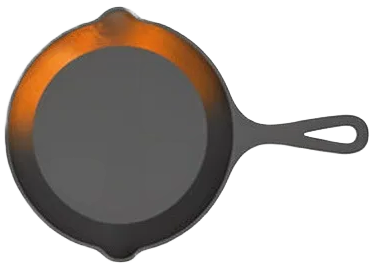
Why Is My Cast Iron Seasoning Patchy or Missing?
You followed all the steps, but your skillet’s finish looks uneven or has bare metal showing through. This “missing data” in your seasoning layer is a common hiccup, not a disaster, and I’ll show you exactly how to fix it.
In this guide, I’ll walk you through the practical fixes I use in my own kitchen:
- Identify why oil pools or flakes instead of bonding properly.
- Repair thin or missing spots without starting over from bare iron.
- Adjust your technique to build a durable, even patina that lasts.
What Causes Those Gaps? Common Cast Iron Care Mistakes
Think of a perfect, slick cooking surface as a complete dataset. Every flaw is a piece of missing information. Your job is to figure out which step in the care log was skipped.
The most common entry error is improper drying. You cannot let cast iron air dry. Water, even a thin film, sits on the iron and starts a chemical reaction. This is the direct cause of surface rust. Treating heat as the final drying step is non-negotiable, just like preheating your oven for baking.
Weak or incomplete seasoning is another major gap. A single thin layer from the factory isn’t a fortress. It’s a foundation. If your seasoning is too thin or not applied properly, food bonds to the iron instead of the polymerized oil layer. This leads to sticking and those stubborn brown stains. Every time you cook, you’re submitting data; a strong, well-built seasoning layer is what processes it cleanly.
Using the wrong cleaners strips away good data. Modern, mild dish soap is fine. But harsh soaps from past decades or abrasive scrubbers can degrade your seasoning. You’re not just cleaning off tonight’s dinner, you’re erasing the cooked-in history that makes your pan non-stick. For the full picture, the complete guide on using dish soap on cast iron explains when soap is safe and how to protect your seasoning while cleaning.
Finally, simple neglect creates gaps. Cast iron likes to be used. A pan left in a damp cabinet, unoiled, is an invitation for moisture to find the microscopic pores in the seasoning. I have a skillet I use less often, and I make a point to give it a warm-up and a tiny oil coat every few weeks just to keep its seasoning intact.
How to Identify Your Specific Problem
Diagnosing your pan is a hands-on process. Start by cleaning it normally with warm water and a soft brush. Dry it completely with heat. Now, look and feel.
- Is it sticky or tacky? This is almost always excess oil that wasn’t polymerized. The oil layer was too thick during seasoning and remained gummy. It feels like a dirty fingerprint.
- Does it feel gritty? Rub your fingers over the surface. A gritty, sandy texture is the hallmark of surface rust. It often looks reddish but can sometimes be subtle.
- Does it look cloudy or have white spots? This is from mineral deposits in your water. If you see this, the missing step was wiping the pan with a towel after heat-drying to buff off any residue.
- Is it discolored but smooth? Brown or grey splotches that are smooth to the touch are typically food stains or thin spots in the seasoning. The pan is clean, but the visual “data” of a uniform layer is missing.
- Is it rough and pitted? A surface that feels cratered or deeply rough, not just gritty, signals deep rust or carbon buildup. This is a more significant data loss that often needs a full reset.
Run through this checklist. The feel of the pan tells you more than the look alone. A sticky pan needs a do-over on seasoning technique. A gritty one needs rust removal. Identifying the true problem stops you from scrubbing a sticky pan (which does nothing) or just oiling a rusty one (which hides the problem). For cast iron, fixing and repairing the seasoning can solve sticky, flaky, and damaged surfaces. A properly reseasoned pan will restore a smooth, even cooking surface.
How to Correct the Data: Fixing Stains and Surface Issues
Sometimes, a skillet can look like a stained old bathtub. The good news is, you don’t need harsh chemicals. You just need the right method. For water stains or light food residue, think of it as cleaning up a small, messy data entry. You’re correcting the record without starting over.
Step-by-Step for Stains and Light Rust
- Scrub the affected area with coarse salt and a bit of water using a paper towel or stiff brush. The salt acts as a gentle abrasive.
- Rinse the pan with warm water.
- This is the critical step. Dry the pan completely by placing it on a stovetop burner over low heat for a few minutes. Evaporate every last bit of moisture.
- While the pan is still warm (not hot), apply a tiny drop of oil (like canola or grapeseed) and wipe it over the entire cooking surface with a paper towel.
- Use a fresh, clean paper towel to buff the oil until the surface looks dry. This leaves behind a protective micro-layer.
For a patch of surface rust (our “missing numerical data”), the process is similar but more focused. Scrub the rust spot vigorously with steel wool or a chainmail scrubber until you’re back to bare, grayish metal. Then, you must immediately re-season that spot. You are not deleting the problem spot, you are fixing it by adding new, good data through seasoning. This is called “imputing” the data-you’re providing a valid replacement. For a full walkthrough on restoring rusty cast iron cookware, our complete guide covers cleaning, seasoning, and repair. It provides practical, end-to-end steps to bring the cookware back to its best.
What’s the Difference Between a Quick Fix and a Full Re-Season?
Ignoring a small sticky spot is like “dropping a row” of data. It might work for a tiny, non-critical flaw that doesn’t affect performance. Actively fixing that spot with a little oil and heat is “imputing.”
A simple stovetop seasoning—warming the pan, applying a microscopically thin coat of oil, and letting it smoke for 10 minutes—is perfect for these small fixes. I do this on my daily driver skillet about once a month. A full oven seasoning cycle (one hour at 450°F+) is for when the entire dataset is compromised, like after fixing major rust or stripping the pan bare. It builds a complete, uniform new layer from the ground up.
Handling Major Data Loss: Restoring a Neglected Pan
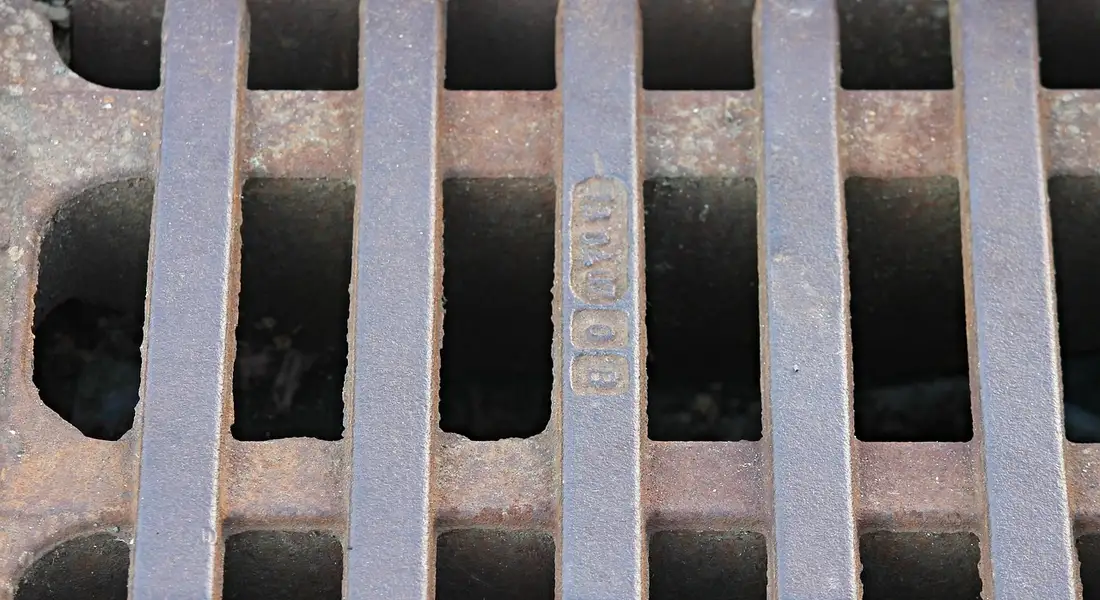
When a pan is covered in thick, flaky carbon or pervasive rust, you’re looking at major data corruption. Cleaning it is no longer about surface stains. You need to erase everything and start a new file. The threshold for this is clear: if the surface is uneven, crumbly, or more orange than black, it’s time for a full restore. For vintage cast iron skillets, a clean restore can bring a neglected pan back to a smooth, seasoned finish. It’s a careful process that preserves history while preparing it for reliable, everyday use.
Your restoration toolkit depends on the problem:
- For Crud and Gunk: A lye bath (using pure lye crystals) is the most effective and hands-off method. It dissolves old seasoning and food carbon without harming the iron.
- For Rust: A diluted white vinegar soak (50/50 with water) for 30-60 minutes, or an electrolysis tank, will convert the rust so you can scrub it away.
The full process is your system reboot:
- Strip: Use your chosen method to remove all old seasoning and rust down to bare, gray iron.
- Clean & Neutralize: Scrub with soap and water (for a lye bath) or rinse and immediately dry (for vinegar) to stop the chemical reaction.
- Re-Season: Apply your first thin coat of oil and begin the oven seasoning process. This is how you collect new, clean, reliable data for your pan’s future. You are building a pristine dataset layer by layer.
Setting a Prevention Routine to Avoid Future Gaps
The best way to handle missing data is to never let it go missing in the first place. Good cast iron care is a habit, like routinely backing up your files. Make these practices automatic.
The golden rules are simple:
- Always dry your pan with heat on the stovetop or in the oven, never just a towel.
- After drying and cooling, apply a micro-thin coat of oil for storage.
- Store it in a dry place, preferably with the lid off or a paper towel inside to wick moisture.
I keep a simple mental log for my pans. It’s not complicated: “Used Tuesday for cornbread, cleaned, dried on stove, wiped with grapeseed.” This habit is like forward-filling data. Each proper use and maintenance session builds upon the last, creating a continuous, protective record that leaves no gaps for rust or damage to enter.
Common Mistakes and How to Avoid Them
| Mistake | Why It’s a Problem | The Fix |
|---|---|---|
| Soaking the pan. | Standing water is an invitation for rust to start forming. | Clean the pan while it’s still warm (but handleable) after cooking. |
| Using only a towel to dry. | Cast iron’s porous surface traps microscopic water. | Always use low heat for 3-5 minutes to drive off all moisture. |
| Applying too much oil for storage. | Excess oil turns sticky or rancid, creating a flawed data layer. | After applying oil, buff it out with a clean towel until it looks dry. |
| Putting it away slightly damp. | Even a little moisture can start the oxidation process in storage. | Be paranoid about dryness. When in doubt, give it more heat. |
Common Questions
How often should I do a maintenance seasoning?
It’s not about a strict schedule, but about routine. A quick stovetop season after every few uses, or whenever the surface looks a bit dull, is my practice. This is the cast-iron equivalent of “forward-filling” data-it proactively fills in microscopic gaps before they become a problem.
What’s the one tool I shouldn’t clean my pan without?
Your fingertips. After cleaning and heat-drying, run your fingers over the entire cooking surface. This “visualization” step reveals what your eyes might miss: gritty rust, sticky residue, or rough spots. Identifying the true texture tells you exactly what care is needed next.
When is a patchy pan actually fine to keep using?
If the surface is smooth to the touch and food isn’t sticking, you can keep cooking. Minor cosmetic splotches are like ignoring an irrelevant “NaN” value in an analysis-they don’t affect function. Just keep up with your proper drying and oiling routine after each use, and the patina will even out over time.
Preserve Your Foundation
The single most important habit is to check your seasoning regularly, just as you would glance at a trusted tool in your workshop. Catching a thin spot or a hint of rust early means a quick, simple fix instead of a full, hours-long restoration. For more on building that durable surface, see our guides on oven seasoning and the best oils to use. If you do find rust, our method for removing it safely will get you back on track. Even when rust appears, don’t put the pan away— keep using it regularly to maintain the seasoning. After treating any rust, re-season and continue daily use to prevent it from returning.
Expert Resources and Citations
- A Visual Guide to Caring for Cast Iron – Field Company
- r/castiron on Reddit: Patchy seasoning?
- cleaning – How do I fix improperly seasoned cast iron pans? – Seasoned Advice
- Splotchy Skillet? How To Fix Uneven Cast Iron Seasoning – Campfires and Cast Iron
- spotty seasoning on cast iron…why ? | Badger & Blade
- How to Clean and Season a Cast-Iron Pan | America’s Test Kitchen
Joseph Gerald
A material science expert by profession, Joseph is also an avid cook. He combines his 10+ years expertise in material science and metallurgy with his passion for cast iron cookware to bring you best hands on advice. His expertise ranges from types of cast iron cookware to best seasoning tips as well as restoration of vintage cast iron utensils. Joe is here to help you solve all your cast iron cookware queries and questions.