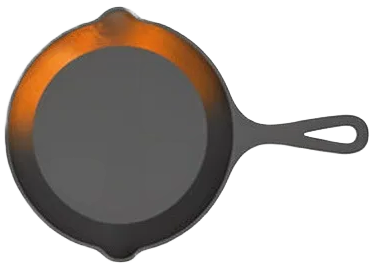
Can You Use Cast Iron on Gas, Electric, and Open Fires?
If you’ve ever worried about damaging your pan’s seasoning or causing cracks on a different heat source, you’re not alone. The truth is, with the right approach, your cast iron can thrive on gas stoves, electric coils, and even campfires.
- Why preheating methods differ drastically between gas burners and electric coils.
- How to avoid the thermal shock that can warp pans on open flames.
- Simple adjustments to prevent hot spots and keep your seasoning layer strong.
- My go-to cleaning routine after cooking on any of these surfaces.
Key Takeaways: What You Need to Know First
You can use your cast iron on any heat source you have. The skillet doesn’t care if it’s a flame, a coil, or burning wood. Your success depends on adjusting your technique to match the heat coming from below.
Three core principles apply everywhere. First, always preheat slowly to avoid shocking the iron and causing hot spots. Second, manage heat with more care than you would with lighter pans, as cast iron holds onto temperature. Third, cleaning needs special attention after an open fire to remove soot and ash.
A strong, well-maintained layer of seasoning is the single best thing you can do to prevent food from sticking and rust from forming, regardless of your stove type.
Using Cast Iron on a Gas Stove: Control and Even Heat
Gas stoves and cast iron are a classic pairing for good reason. The open flame licks the bottom of the pan, transferring heat directly and giving you instant visual feedback. This direct contact makes it easier to achieve a consistent, even cooking surface.
Follow these steps for the best results:
- Place your dry, room-temperature pan on a burner that’s turned completely off.
- Turn the burner to its lowest setting. Let the pan warm up for 3 to 5 minutes. You should just start to feel heat when you hold your hand above the surface.
- Increase the heat to your desired cooking temperature gradually, giving the pan another minute or two to adjust with each change.
- To encourage even heating, gently swirl a thin layer of oil in the pan or pick the pan up and rotate it slightly over the flame every so often.
After cooking, let the pan cool until it’s just warm to the touch. Clean it gently with hot water and a brush or non-abrasive scrubber. Dry it immediately and completely with a towel, then put it back on the warm (turned off) burner for a minute to evaporate any last moisture. For the complete post-use guide on how to clean a cast iron pan after cooking, see the next steps. It covers after-use care and seasoning tips.
Compared to electric coils, the gas flame responds the moment you adjust the knob, giving you much finer control to prevent overheating.
How Gas Flames Affect Your Pan’s Seasoning
The direct, concentrated heat from a gas burner is a powerful tool for your seasoning. That same heat that cooks your food also continues to polymerize the oil layers, slowly building them up stronger with each use.
Think of it like baking clay in a kiln, but leaving the kiln on high for too long can crack the pot. Prolonged high heat, especially on an empty pan, can carbonize and weaken your hard-earned seasoning. For most tasks, a steady medium heat is your safest, most effective default.
Essential Tools for Gas Stove Cast Iron Care
The right tools make maintenance simple. I keep two items next to my gas range specifically for my cast iron.
- A flat-edged metal spatula is perfect for getting under food without gouging the seasoning. The thin edge slides right between the pan and your pancake or burger.
- A stiff-bristled brush, like a nylon grill brush, quickly removes food bits after a quick rinse with hot water.
Using utensils with smooth, rounded edges instead of sharp, angled corners helps protect your pan’s seasoning from accidental scrapes during cooking.
Cooking with Cast Iron on Electric Coil Stoves
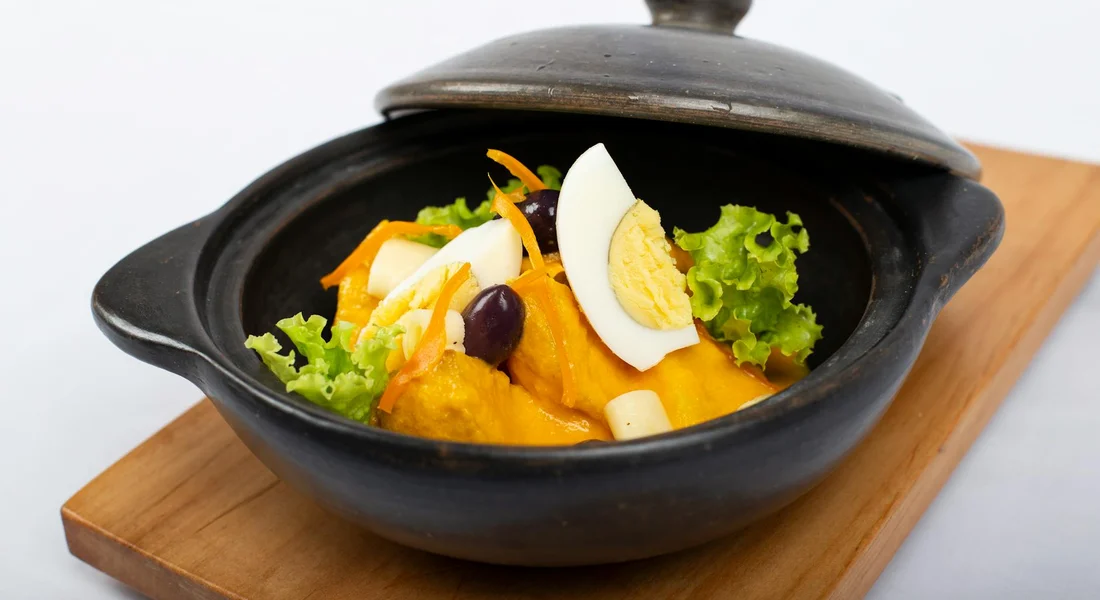
Yes, you can absolutely use cast iron on an electric stove, and it’s a good match for the durable nature of the pan. The main difference is in how the heat is delivered. An electric coil heats up and cools down slower than gas, and the contact point is only where the coil touches the pan’s bottom.
This can create two challenges: slower overall heating and potential hot spots directly over the coil. Your food might cook unevenly if you’re not careful.
You can work with this by adjusting your technique.
- Center your pan perfectly on the coil. Good contact is key for even heating.
- Always preheat on a low to medium-low setting for at least 5 minutes. Let the heat spread slowly through the entire pan. Rushing this on high heat is a sure way to get hot spots.
- Once preheated, avoid sliding the pan around on the coil. Lift it to reposition. Sliding can scratch your cooktop and disrupt the thermal contact you just patiently built.
If food starts to stick or you see smoke, don’t panic; it usually means your heat is too high or your seasoning needs attention. Turn down the heat immediately. After cooking and cleaning, you might need to do a quick stovetop seasoning session to reinforce that non-stick layer where it wore thin.
Preventing Damage to Your Pan and Stove
Never place a cold, wet, or room-temperature pan onto a glowing hot coil. The sudden, extreme temperature difference can cause the iron to warp. Always start with the pan on a cold or warm burner.
After cooking, once everything is cool, take a minute to wipe the electric coils themselves. A bit of paper towel can remove grease splatter or carbon bits. This keeps your stove efficient and prevents odd smells next time you heat it up.
Seasoning Maintenance for Electric Cooktops
The dry, radiant heat from electric coils can be a little taxing on your pan’s seasoning over time. I find my skillets need a more frequent, light oiling after cleaning when I use them on my electric range compared to gas. Just a drop of oil rubbed in while the pan is still warm does the trick.
Make it a habit to visually check the cooking surface of your pan. Look for dull, dry, or lighter colored patches. These thin spots in the seasoning are where rust or sticking will start, and they tell you it’s time for some maintenance.
Over the Open Fire: Cast Iron in the Great Outdoors
Cooking over an open fire is where cast iron feels most at home, but it introduces new variables: soot, extreme, unpredictable heat, and a bed of uneven embers. Your control comes from managing the fire, not a dial.
You can use almost any piece. A deep cast iron cooking cauldron or Dutch oven is perfect for stews and braises buried in coals. A large, flat cast iron disc or griddle is ideal for cooking for a crowd. A simple plate or skillet works for direct grilling.
For stability and heat control, a cast iron cooking tripod with a chain is invaluable. You can raise or lower your pot over the flames with a hook, moving it from a rolling boil to a gentle simmer in seconds.
For consistent results, build a bed of hot embers, not a towering flame. Let your fire burn down to coals. Place a stable grill grate over the coal bed for skillets. Avoid letting flames constantly “lick” the bottom of your cookware, as this creates intense, sooty hot spots that can burn your food and damage seasoning. (especially when using cast iron).
Choosing the Right Outdoor Cookware
Your choice depends on the meal. A Dutch oven with a lipped lid is the most versatile for baking, boiling, and frying. A skillet is your go-to for searing and sautéing. A specialized cooking disc offers maximum surface area for pancakes or fajitas.
A cast iron cooking weight, like a bacon press, is great for getting a perfect sear on meats outdoors. Just remember that it will get covered in soot and grease, so plan for its cleanup too.
Cleaning and Storage After Open Fire Use
Soot and ash are abrasive and can stain. Clean your pan while it’s still warm (but not scorching hot). Use hot water and a stiff brush or chainmail scrubber. Avoid soap initially to lift the bulk of the soot. A paste of coarse salt and water can help scrub stubborn, greasy carbon off.
Dry the pan thoroughly over the dying fire or on your stove immediately after washing. Outdoor air is often humid. Before packing it away, give the entire pan, including the bottom and handle, a very light coat of oil. This prevents any ambient moisture from causing flash rust before your next adventure. It’s especially important when using cast iron while camping or over an open fire, as they’re more susceptible to rust in outdoor conditions.
Common Mistakes and How to Avoid Them
Using cast iron feels different on every heat source, but the core principles for keeping your pan in top shape are the same. Understanding how cast iron retains heat is crucial for avoiding common mistakes, whether you’re cooking on a gas range or over campfire coals.
The wrong tool can undo your hard-earned seasoning, so always choose utensils that glide rather than gouge. When you choose which utensils to use with cast iron cookware, you protect your seasoning and pan. While modern cast iron is tough, aggressive metal spatulas with sharp, thin edges can chip and scratch the polymerized oil layer you’ve built. I prefer flat-edged metal utensils or sturdy nylon and bamboo tools that protect the surface.
Preheating is non-negotiable for high-temperature tasks, like searing a salmon fillet to get that perfect crispy skin. A cold pan causes food to seize and fuse to the metal, while a properly heated one creates an instant non-stick barrier.
Mistake: Cranking the Heat Immediately
This is the quickest way to hurt your pan. Cast iron heats unevenly, and shocking it with high heat causes different parts to expand at different rates. This thermal stress can lead to hairline cracks or, more commonly on flat electric coils, permanent warping that makes your pan wobble. To prevent damage and breakage, use gradual heating and avoid sudden temperature changes. That simple practice helps keep your cast iron cookware durable for years.
The slow preheat rule is universal. Start on low to medium-low for at least 5 minutes, then gradually increase to your desired cooking temperature. Your pan will last for generations if you treat it to a gentle warm-up every time.
Let your pan come to temperature like you’re waking it up, not startling it awake.
Mistake: Improper Cleaning After High Heat
Searing a steak or cooking over an open fire often leaves behind stubborn, crusty bits. The instinct is to attack them with a metal scrubber or abrasive pad, but this strips away your precious seasoning along with the food.
For burnt-on residue, I use one of two gentle methods. The first is a paste made from coarse kosher salt and a few drops of cooking oil, using a folded paper towel or a soft brush to scrub. The salt acts as a gentle abrasive. A baking soda option is also gentle on seasoning, offering a safe scrub for stubborn spots. The second is to pour a cup of water into the hot pan after cooking, letting it boil and loosen the debris for easy scraping with a wooden spatula.
Your goal is to remove the food, not the hard work you’ve put into your pan’s protective finish.
Mistake: Neglecting the Bottom of the Pan
We focus on the cooking surface, but the bottom and sides take the brunt of the heat. On electric coils, food spills and polymerized oils can bake onto the bottom, creating a crust that reduces efficient heat transfer. Over a fire, soot builds up and will smudge anything it touches.
Cleaning the exterior is simple and safe for your seasoning. Once the pan is cool, use the same soapy water and sponge you use for the inside. For tougher spots on the bottom, a sprinkle of baking soda on your damp sponge provides extra scrubbing power without being destructive. Just rinse well and dry immediately.
A clean bottom ensures maximum heat contact with your burner and keeps your stovetop clean.
Common Questions
My Dutch oven gets sooty over an open fire. How do I care for the exterior and lid?
Soot is abrasive and can stain. After the cookware is warm, scrub the exterior and lid with hot water and a stiff brush to remove bulk residue. Dry it thoroughly over fading coals or on your stove, then apply a whisper-thin coat of oil to all surfaces before storage to prevent rust.
How should I clean and maintain cast iron cooking tools like a tripod or bacon press?
These tools are workhorses, not showpieces. Clean them with hot, soapy water and a scrubber to remove grease and soot, then dry immediately. A very light oiling will keep them from rusting, but expect a lasting patina of honest use-it doesn’t affect function.
How can I tell if my pan’s seasoning is intact after high-heat searing or campfire use?
Look for dull, dry, or light-colored patches on the cooking surface. These indicate thin seasoning. If you see them, clean the pan, dry it completely, and give it a quick stovetop seasoning: warm the pan, rub in a micro-thin layer of oil, and heat until it smokes lightly, then cools.
Safeguarding Your Seasoning on Any Stove
Always heat your cast iron slowly and evenly, whether on gas, electric, or an open fire, to protect the seasoning from cracking or stripping. This careful approach prevents hot spots and ensures your pan performs reliably for every meal. Mastering this basics opens the door to other care skills, like gentle cleaning and touch-up seasoning, which keep your iron in prime condition. Seasoning forms a protective patina against rust that improves heat response. Understanding why it matters helps you care for your pan so it lasts.
Citations and Authoritative Sources
- How to Use Cast Iron Over Any Heat Source – Lodge Cast Iron
- Heat distribution | Cast Iron Collector Forums
- r/AskCulinary on Reddit: What do people mean when they say “Cast iron stores more heat”?
- Heavy Metal: the Science of Cast Iron Cooking – Cooking Issues
- The Complete Guide to Cast Iron Radiators
- Seasoning Isn’t Enough-This Is the Secret to Cast Iron Success
A material science expert by profession, Joseph is also an avid cook. He combines his 10+ years expertise in material science and metallurgy with his passion for cast iron cookware to bring you best hands on advice. His expertise ranges from types of cast iron cookware to best seasoning tips as well as restoration of vintage cast iron utensils. Joe is here to help you solve all your cast iron cookware queries and questions.