What Is a Cast Iron Dutch Oven? A Guide to Types, Uses, and How to Choose
You might think a Dutch oven is just for soups and stews, but this versatile pot is a cornerstone piece that does so much more (and its seasoning needs are simpler than you might worry). Understanding its design, from the tight-fitting lid to the heavy walls, shows you why it’s a different kind of workhorse from your skillet.
In this guide, I’ll walk you through everything a new steward needs to know, based on years of using and caring for my own collection. You’ll learn:
- The simple definition of a cast iron Dutch oven and what makes it unique.
- The main types you’ll find, including enameled versus bare cast iron.
- Its many uses beyond braising, from baking bread to frying.
- How to choose the right one for your kitchen and care for it forever.
Key Takeaways
- A true cast iron Dutch oven is bare metal you season; enameled versions have a glass coating you don’t.
- Your choice between bare and enameled iron is the biggest decision, defining all future care and cooking use.
- Size is about more than servings; you must consider your stove, oven, and storage space first.
- The best Dutch oven for you depends on how you cook, not just a brand name.
Bare Iron or Enameled? The Two Main Types
Before you consider brands or colors, you face one critical choice. This decision changes everything about how you care for your pot and what you can do with it.
You are choosing between a porous surface you bond with, and a non-porous surface you keep clean. One is raw, unfinished iron that requires you to build up a protective layer of seasoning. The other is iron sealed inside a slick, durable coat of porcelain enamel. Think of it as the difference between a raw wooden cutting board you oil and a plastic one you just wash.
The Traditional Bare Cast Iron Dutch Oven
This is the classic workhorse. When brand new, the cooking surface is a matte, light gray color with a slightly pebbled texture. My own Lodge Dutch oven started out looking just like that.
That raw surface is thirsty. It will rust if left wet and food will stick to it. Your job is to transform it through seasoning. You bake thin layers of oil onto the iron at a high heat. This process polymerizes the oil, creating a hard, semi-non-stick patina that bonds to the metal.
With proper care, a bare iron Dutch oven is nearly indestructible and gets better with age. It can handle the direct, intense heat of a campfire or charcoal briquettes. You can use metal utensils and scrub it aggressively if you need to. Its simplicity is its superpower, especially when caring for it around a campfire.
The Enameled Cast Iron Dutch Oven
An enameled pot, like those from Le Creuset or Staub, is a hybrid. It has a cast iron core for heat retention, but the entire pot is coated in a layer of porcelain enamel-a type of powdered glass that’s fired on at extreme temperatures.
The interior is typically a smooth, shiny black, white, or cream color. The most important rule: you do not season an enameled cast iron Dutch oven. That glassy surface is already sealed and non-porous. Adding oil to bake on a layer would just create a sticky, gummy mess. That’s where the traditional seasoning versus enameled methods comes into play: traditional cast iron builds a patina with oil, while enameled interiors stay sealed and don’t need seasoning.
This glass coating has a major advantage: it’s inert. You can simmer tomato sauce, wine-based braises, or vinegar-heavy dishes for hours without any metallic taste or risk of damaging the seasoning. The trade-off is that while the enamel is tough, it’s also brittle. A hard knock against the sink or using metal tools can chip it.
How to Tell Which One You Have
If you’re unsure what’s in your cabinet, a quick look and feel will tell you.
- Bare Iron: The cooking surface is dark black or matte gray. It feels slightly textured to your fingertip, not perfectly smooth. It looks and feels like a traditional skillet.
- Enameled: The cooking surface is very smooth and slick. It’s often a consistent, solid color like black, white, or cream, and has a subtle glossy shine.
One rare hybrid exists: a pot with an enameled exterior (often in a color) but a bare cast iron cooking surface inside. If the interior is that familiar matte-black, textured iron, you treat it as a traditional bare iron pot. You must season that interior. Run your finger over it. The texture doesn’t lie.
What Makes a Dutch Oven Special for Cooking
Think of a cast iron Dutch oven as your most reliable kitchen helper. Its design solves common cooking problems, but that same genius means you care for it a specific way.
The walls are incredibly thick. This mass absorbs heat steadily and releases it evenly across the entire pot. You get fewer frustrating hot spots, which directly means less burning and sticking during long cooks. For maintenance, this even heating helps your seasoning polymerize more uniformly on bare iron, building a stronger, more resilient surface over time.
Then there’s the heavy, tight-fitting lid. It’s a seal that traps steam and moisture inside, which is perfect for turning tough cuts of meat tender. But that lid has a catch. After washing, any moisture trapped under the rim or on the underside will sit there. On bare iron, that invites rust. On an enameled finish, it leaves mineral water spots. You must make drying the lid, especially the underside, a non-negotiable part of your clean-up routine.
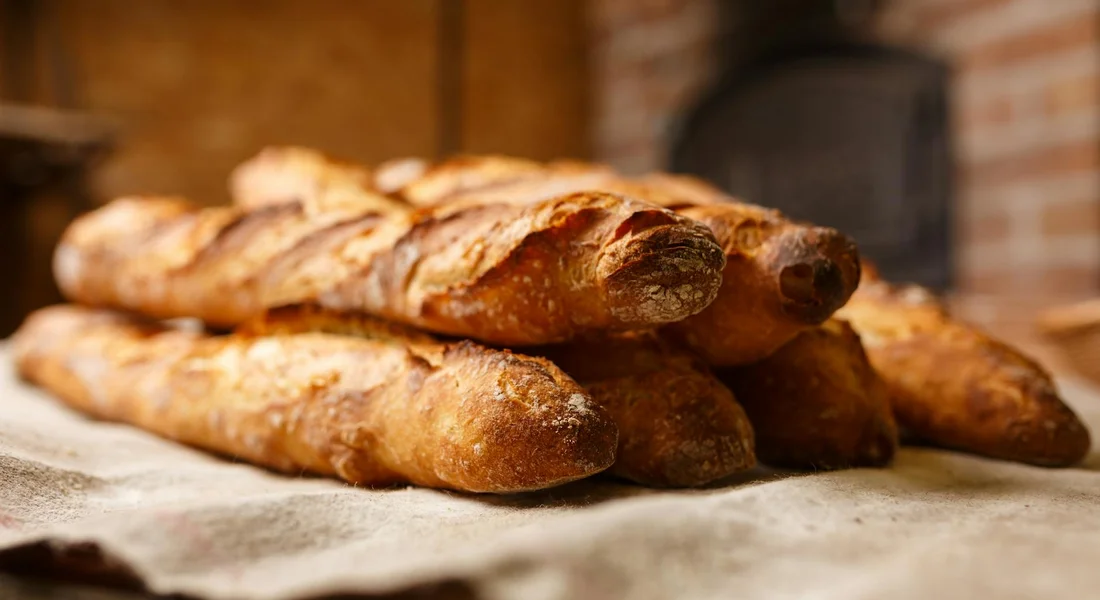
This combination also answers why Dutch ovens are famous for specific tasks. The “cast iron Dutch oven for bread” question? The preheated pot and lid create an instant, steamy environment, giving bread a fantastic crust. For “camping,” its all-metal construction laughs at direct campfire coals. Just remember, that campfire soot means you’ll have some extra cleaning to do when you get home. For anyone aiming to bake perfect bread cast iron dutch oven results, this setup is a reliable path. It turns simple dough into bakery-worthy loaves.
How to Pick the Right One for Your Kitchen
Choosing a Dutch oven is like picking a kitchen partner for the next twenty years. Think about how you actually cook and what you’re willing to maintain.
Start With Size: From 3-Quart to 12-Quart
Size is your first practical hurdle. A 3 to 4-quart oven is great for side dishes, soups for two, or baking a loaf of bread. A 5 to 7-quart size is the classic workhorse, ideal for feeding a family with stews, roasts, or deep-frying. The 8-quart and larger models (like 12 quarts) are for big batch cooking, canning, or a very large turkey.
Before you decide, consider the physical reality: a 7-quart Dutch oven full of food is very heavy. Can you lift it safely from the oven? Also, grab a tape measure. Check that your chosen size will fit in your oven with the lid on and that you have cabinet or shelf space to store its considerable bulk.
Evaluate the Handles and Lid
Look at the side handles. Large loop handles are traditional and make it easier to use a lid lifter hook over a campfire. Smaller, ergonomic handles are common on modern models and are generally easier to grip with oven mitts for indoor use.
The lid knob is critical. Metal or stainless steel knobs are oven-safe to very high temperatures (often 500°F / 260°C or more), which is essential for bread baking. Phenolic (plastic composite) knobs usually have a lower limit, around 375-400°F (190-200°C). Always check the manufacturer’s rating for the lid knob-it dictates your maximum oven temperature. Finally, a good lid should sit flush with no major wobble; a tight fit is what locks in heat and moisture.
The Bare Iron vs. Enameled Decision Checklist
This is the big choice. Here’s a simple list to see which camp you belong in.
Bare Cast Iron
- You can use it on any heat source: stovetop, oven, campfire, or directly in coals.
- It develops a unique, non-stick seasoning patina that gets better with use.
- It is typically less expensive than enameled versions.
- It requires an initial seasoning and occasional upkeep.
- It can react with very acidic foods (like tomato sauce) during long cooks, which may strip seasoning and give a metallic taste.
- It will rust if left wet.
Enameled Cast Iron
- No seasoning is required. It’s ready to use right away.
- The glass-like surface is ideal for simmering acidic foods, sauces, and stocks.
- Cleaning is often simpler-food doesn’t bond to the slick enamel.
- It comes in many colors.
- The enamel coating can chip if struck hard or scraped with metal tools.
- You must use wood, silicone, or plastic utensils to protect it.
- It is usually more expensive.
- Extreme, direct heat from a campfire can damage the enamel coating.
Caring for Your Cast Iron Dutch Oven
Your care routine depends entirely on which type you brought home. Follow the path below for yours.
If You Have Bare Cast Iron: Seasoning and Upkeep
A new bare iron oven needs a foundation. Wash it with warm, soapy water, dry it completely, then apply an impossibly thin layer of a high-smoke-point oil (like flaxseed, grapeseed, or crisco) to every surface, inside and out. Bake it upside-down in a 450-500°F (230-260°C) oven for an hour. Let it cool in the oven. I do this process 2-3 times for a strong start.
For daily care, clean it gently with hot water and a brush or sponge, dry it immediately and thoroughly on the stovetop, and apply a whisper-thin coat of oil before putting it away. This habit builds your seasoning and stops rust. If you find rust later, don’t panic. A scrub with vinegar and re-seasoning will fix it. We have detailed guides on that process.
If You Have Enameled Cast Iron: Protecting the Coating
Your enemy is abrasion and thermal shock. Always use soft utensils-wood, nylon, or silicone. Let the pot cool down before plunging it into cold water to prevent cracking.
For cleaning, use warm, soapy water and a non-abrasive sponge. For stubborn, baked-on stains, make a paste of baking soda and water, let it sit on the stain for 15 minutes, then gently scrub. Avoid harsh chemical cleaners or abrasive scouring pads, which can dull or scratch the glossy surface.
Storage Tips for Both Types
For bare cast iron, the rule is dry and aired out. Make absolutely sure it’s bone-dry. A light oil coat is good insurance. Store it with the lid off or slightly ajar. This prevents musty, trapped moisture from causing surface rust. To keep rust from returning, store cast iron properly. It’s a quick step that prevents rust damage and preserves seasoning.
For enameled cast iron, ensure it’s dry, then place a clean paper towel or cloth napkin between the pot and the lid before stacking. This simple buffer protects the delicate enamel on both pieces from chipping if they knock together in your cabinet. Enameled cast iron is a bit more delicate than regular cast iron.
Common Questions
My Lodge Dutch oven says it’s “pre-seasoned.” Is that enough, or do I need to do more?
The factory seasoning is a good foundation, but it’s often thin. For a more resilient, non-stick surface, I recommend baking on 2-3 additional layers of oil at home. This builds a patina that better withstands sticky foods and frequent use.
I used my Dutch oven over a campfire. How do I clean off the soot without harming the seasoning?
Wash it with warm, soapy water and a stiff brush-soap is perfectly fine for seasoned iron. The key is to dry it completely over low heat on your stovetop, then apply a thin coat of oil before storage. This removes the soot while protecting your hard-earned seasoning from rust. Keeping up with these steps is part of a simple clean-season-maintain routine for your cast iron skillet. It helps ensure the skillet stays seasoned and ready for its next use.
What’s the biggest mistake people make when caring for an enameled Dutch oven?
Using metal utensils or exposing it to thermal shock. Metal will scratch and chip the glass coating. Always let the pot cool down before washing, and never place a scorching-hot enameled pot into a sink of cold water, as the sudden temperature change can cause the enamel to crack.
Finding Your Forever Dutch Oven
Pick the Dutch oven that naturally fits how you cook, whether that’s on the campfire or in your home oven. Then, build its seasoning with patience, knowing that each layer makes it more yours and more capable. This seasoning and maintenance mindset travels from kitchen to campsite, making cast iron reliable for camping and outdoor adventures. You can find detailed steps for that initial seasoning and long-term care right here on The Iron Patina.
Deep Dive: Further Reading
- Dutch Ovens – Lodge Cast Iron
- Cast Iron Dutch Ovens – Field Company
- We Tested 22 Dutch Ovens to Find the Best Ones for Stews, Braises, and Loads More
- Dutch Ovens Shop
- Best Dutch Ovens (2025) for Breads, Braises and Beyond | Epicurious
- Amazon Best Sellers: Best Dutch Ovens
Joseph Gerald
A material science expert by profession, Joseph is also an avid cook. He combines his 10+ years expertise in material science and metallurgy with his passion for cast iron cookware to bring you best hands on advice. His expertise ranges from types of cast iron cookware to best seasoning tips as well as restoration of vintage cast iron utensils. Joe is here to help you solve all your cast iron cookware queries and questions.