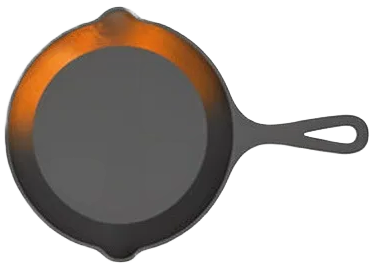
How Hot Can Cast Iron Get? Understanding Its Heat Limits
If you’ve ever worried about turning the burner too high on your favorite skillet, you’re not alone. Knowing your pan’s true heat tolerance is the key to keeping it in top shape for years.
- The exact temperature range cast iron can handle, from searing to smelting.
- How extreme heat affects your hard-earned seasoning layer.
- Safe heating methods for every cooktop to avoid warping or cracks.
- What to do if you think your pan has gotten too hot.
The Short Answer: Yes, Cast Iron Has a Physical Limit
Think of a cast iron skillet like a steel I-beam. It’s incredibly strong and durable, but it’s not magic. It’s an alloy of iron and carbon, and like all materials, it has limits. The good news is, you’ll almost never reach the point where the metal itself fails. Cast iron melts at a scorching 2200°F (about 1200°C). Your kitchen oven doesn’t even come close.
The real limits you need to worry about are your hard-earned seasoning and the sudden, dramatic temperature changes known as thermal shock. These are what can damage your pan during normal use, long before the iron itself is in any danger.
Here’s a quick snapshot of the temperatures that matter:
| Scenario | Temperature Range | What’s Happening |
|---|---|---|
| Typical Safe Cooking | Up to 500°F (260°C) | Perfect for baking, roasting, and searing. Your seasoning is safe and stable here. |
| Seasoning Burn-Off Point | Approx. 600°F+ (315°C+) | The polymerized oil layer begins to break down, turning to ash and carbon. |
| Thermal Shock Risk Zone | Any extreme, rapid change | Taking a blazing hot pan and running it under cold water is the classic way to cause cracking or warping. |
Safe Temperature Ranges for Your Cookware
For nearly all your baking and roasting needs, a standard home oven temperature is perfectly safe. You can confidently use your bare cast iron in the oven at any common baking temperature, up to and including 500°F (260°C). This covers everything from cornbread to a large roast. I regularly bake sourdough in my Dutch oven at 450°F (232°C) with zero issues.
You might notice your pan can get even hotter on the stovetop. There’s a reason for that. In the oven, the heat surrounds the entire pan evenly. On a gas burner or electric coil, the heat is intensely focused on the bottom. This allows the cooking surface to reach the high temps needed for a perfect steak crust (often above 500°F), while the sides and handle remain cooler. It’s a different type of heat stress, but one the thick metal is designed to handle.
This applies to skillets, griddles, and Dutch ovens made of bare cast iron. If you own an enameled cast iron piece (like a colorful Dutch oven), the rules change completely. The enamel coating is a type of glass, and each manufacturer sets a maximum heat limit, usually between 400°F and 500°F (204°C – 260°C). Exceeding this can crack or craze the enamel. Always check the manufacturer’s instructions for your specific piece.
Where Does the “600-Degree” Rule Come From?
You’ve probably heard that “600 degrees” is the cast iron temperature limit. This number isn’t about the iron. It’s about your seasoning. The 600°F (about 315°C) mark is generally where the polymerized oil layer you’ve built up starts to fail.
Think of your seasoning as a hard, plastic-like coating. When you heat most cooking oils past their smoke point during seasoning, they polymerize. Heat them much further, and they begin to carbonize-a fancy word for turning into carbon dust or ash. I learned this the hard way once when I left an empty pan on high heat for too long. The slick black finish turned patchy and dull, a sure sign the seasoning had burned off.
Flaxseed oil, a popular seasoning choice, is especially prone to this around 600°F. So while your pan can physically withstand the heat, your non-stick surface may not survive it. This is why that number sticks in people’s minds as a practical upper limit for maintaining a well-seasoned pan, even though flaxseed oil itself might be overrated.
Your Seasoning’s True Heat Tolerance
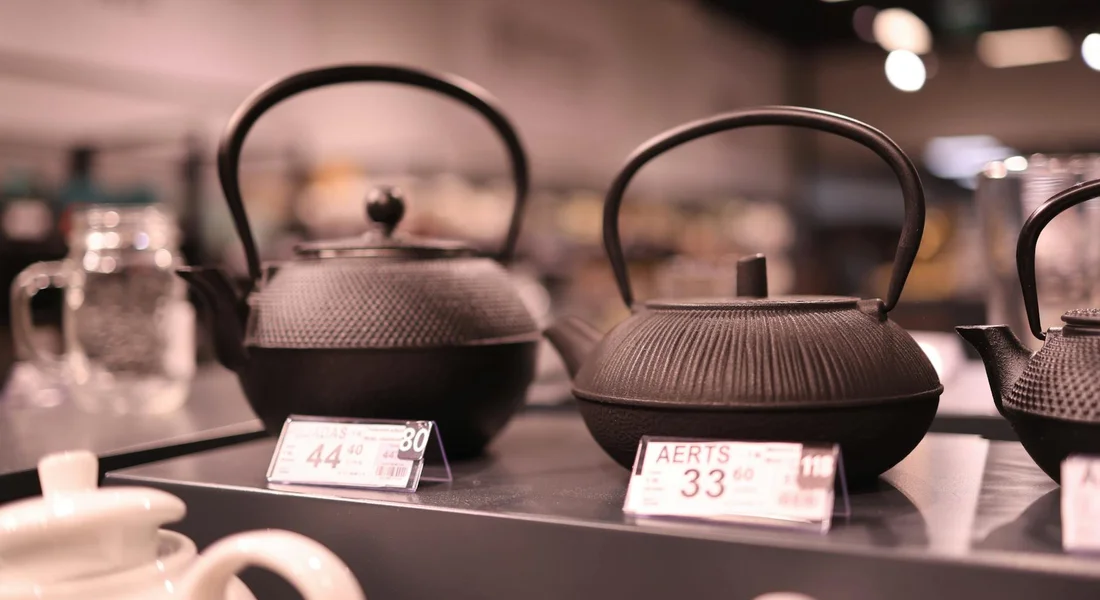
Can cast iron get too hot? For the iron itself, the answer is a resounding no. But your seasoning is a different story. That beautiful black patina is not metal. It’s a layer of polymerized oil, and like any oil, it has a breaking point.
Push your skillet past that point, and the seasoning breaks down. At extreme, sustained heat, the polymers carbonize completely. They turn to ash and dust, leaving bare gray iron behind. At lower excessive heats, the layer can become brittle and flake. Sometimes, it gets gummy and sticky, like oil that never fully cured.
Not all seasoning is created equal under fire. The oil you choose sets the baseline. A seasoning layer’s stability is closely tied to the oil’s smoke point, which is the temperature at which it starts to break down and smoke. Using an oil with a very low smoke point to season a pan you plan to sear with is asking for trouble.
| Oil Type | Smoke Point | Resulting Seasoning |
| Flaxseed Oil | Low (~225°F) | Forms a hard, glossy layer but is notoriously brittle and prone to flaking under high heat. |
| Avocado Oil | Very High (~520°F) | Creates a remarkably durable, resilient patina that can handle searing temperatures. |
| Grapeseed Oil | High (~420°F) | Builds a stable, reliable layer excellent for general high-heat use. |
Will One High-Heat Session Ruin My Seasoning?
Here is some good news. A single high-heat event, like searing a steak or baking pizza, will not destroy a well-built patina. My most used skillet has a foundation of grapeseed oil seasoning. It has seen the blistering heat of my grill and the direct flame of my stovetop countless times. The seasoning darkens and hardens further with each use.
This is completely different from sustained, dry, extreme heat. The classic example is a self-cleaning oven cycle. That process generates temperatures over 900°F for over an hour with no moisture or fat present. That kind of environment will carbonize and strip every trace of seasoning from your pan, leaving it bare and gray. Your seasoning can survive a quick battle with high heat. It cannot win a prolonged war against it.
Handling the Heat: Safety and Practicality
Do cast iron handles get hot? Yes, they do. In fact, they often get hotter than the handles on other types of cookware. This is because cast iron is a single, solid piece of metal. Heat doesn’t stay just in the cooking surface. It conducts slowly and evenly throughout the entire pan, including the handle. An empty handle at the start of cooking will be too hot to touch twenty minutes later. That’s the science of heat at work: cast iron’s dense mass gives it high heat capacity and slow conduction. It stores energy and distributes it differently than lighter metals.
This makes one rule non-negotiable. You must use a dry potholder or a silicone handle cover every single time you touch the pan during or after cooking. I keep a dedicated, dry towel folded next to my stove just for this. A wet towel is dangerous, as the heat can travel through the moisture and burn your hand.
You might have heard the odd question, “Does cast iron conduct electricity?” In a purely technical sense, yes, it’s a metal. But for kitchen safety, this is a distraction. The real and present danger is not electrical conductivity. It is thermal conductivity. Your focus should always be on managing the intense, pervasive heat that cast iron holds so well.
Can You Overheat a Cast Iron Skillet?
You absolutely can. In our context, “overheating” means one of two things: applying so much heat that you damage the polymerized seasoning layer, or heating the pan so unevenly and rapidly that you risk thermal shock and cracking.
The most common real-world mistake is heating an empty pan on high for too long before adding oil or food. You walk away, get distracted, and return to a pan that is smoking hot. Adding cold oil to a superheated pan can cause it to instantly smoke, burn, and create a sticky, ruined layer on your pan. It’s also a great way to start a small fire. It stresses the metal, too. While rare, pouring room-temperature broth into a ripping-hot, dry pan could theoretically cause a crack from the drastic temperature change.
The best practice is to start on medium heat and give the pan a few minutes to warm up gradually. Add your oil, let it heat for another minute, and then begin cooking. Your seasoning and your pan will thank you.
The Real Danger: Thermal Shock and Warping
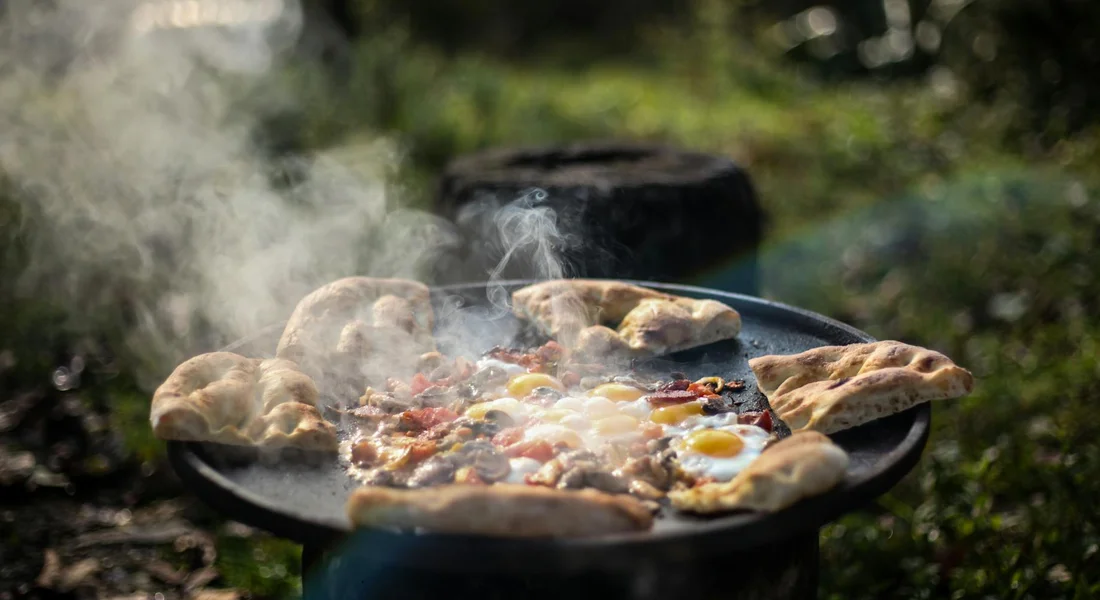
Cast iron won’t melt in your kitchen, but it has a different weakness. The real enemy is a sudden, drastic temperature change, known as thermal shock. Think of it like pouring boiling water into a cold glass-the glass can shatter because one part expands rapidly while the other stays contracted.
Your pan reacts in a similar, stressful way. Here are the most common mistakes that cause it:
- Plunging a searing-hot skillet directly into a sink full of cold water or soapy suds.
- Adding a large amount of cold oil or liquid to a pan that’s screaming hot on the burner.
- Placing a frozen steak or a block of cold butter directly onto a dry, ripping-hot grill pan.
The result isn’t a puddle of molten metal, but a cracked or permanently warped pan. A hairline crack usually means the pan is done for. Warping is more subtle but just as problematic. A warped pan won’t sit flat on your cooktop, leading to uneven heating and frustrating hot spots. That beautiful, flat cooking surface you rely on for perfect sears is gone.
Your High-Heat Cast Iron Checklist
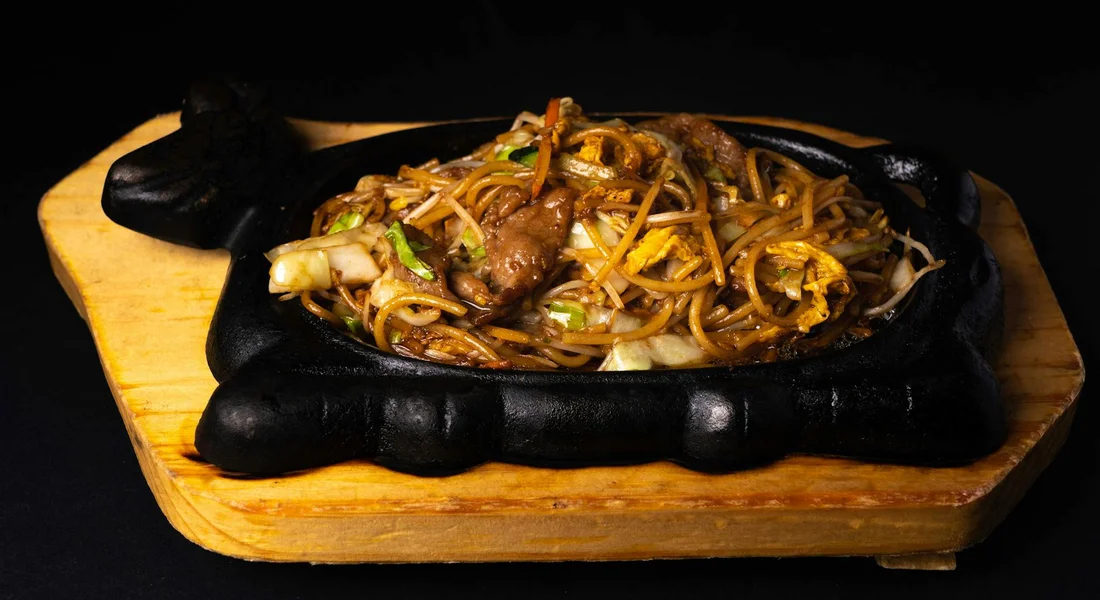
You can safely harness cast iron’s incredible heat capacity by following a few simple rules. Understanding cast iron’s heat retention helps you control searing, simmering, and even cooking results. This checklist isn’t about limiting you, it’s about protecting your investment for a lifetime of cooking.
1. Preheat Low and Slow
Never crank your burner to high and walk away. Start on low to medium-low heat for at least 5 minutes, then gradually increase to your desired temperature. This gives the entire pan-not just the bottom-time to heat up evenly, which is the secret to avoiding sticky food.
2. Match Your Pan to Your Burner
Always use a heat source that’s proportional to the size of your pan’s base. A small burner under a large skillet will create a fierce hot spot in the center while the edges stay cool. A massive burner under a small skillet will overheat it incredibly fast. This mismatch is a common cause of warping.
3. Choose Your Oil Wisely
For high-heat searing, you must use an oil with a high smoke point. When oil smokes, it’s breaking down, and that burnt oil can carbonize onto your seasoning, making it sticky or patchy. Good choices for searing include avocado oil, refined safflower oil, or even plain old Crisco shortening.
4. Let It Cool Naturally
After cooking, let the pan cool down on the stovetop or on a heat-proof trivet until it’s completely cool to the touch. Resist the urge to run water over it until you can comfortably hold the handle with your bare hand. This single habit prevents most thermal shock incidents.
5. Clean Smart After High Heat
A super-hot sear might leave some stuck-on bits. Once the pan is fully cool, use hot water and a stiff brush or chainmail scrubber. If you need to, you can put a little water in the warm (not hot) pan and simmer it on the stove to loosen debris, then scrub and dry immediately.
Caring for cast iron at extreme heat is ultimately about protecting your hard-earned seasoning. That slick, black patina is a polymerized layer of oil, and while it’s tough, violent temperature swings and scorching can damage it. Treat your pan with this mindful approach, and it will handle the heat for generations.
Quick Answers
Can I use my cast iron in a 500°C (932°F) oven?
No. While the iron itself won’t melt, that extreme heat will absolutely carbonize and destroy your seasoning, leaving a bare, gray pan. For maintaining your seasoning, treat any temperature above 315°C (600°F) as damaging. Stick to common baking temperatures, which are safe for most cast iron pans.
Is there a different temperature limit for the oven versus the stovetop?
Practically, yes. The limit on any cooktop is lower due to focused, intense heat, increasing the risk of warping and localized seasoning burn-off. In the oven, where heat is even, your main concern is protecting the seasoning layer, not the pan’s structure.
My recipe calls for 260°C (500°F). Is that safe for my seasoned pan?
Yes, that is a perfectly safe and common temperature. A well-seasoned pan, especially with an oil like grapeseed or avocado, will handle this range with no issue. This is the ideal zone for high-heat roasting and baking.
Handling Cast Iron’s Heat with Care
The most reliable way to protect your cast iron is to heat it slowly and steadily, never shocking it with sudden temperature changes. Sticking to medium-high heat for most cooking will keep your seasoning strong and your pan from warping or cracking. A regular seasoning with a light oil helps maintain your cast iron cookware. You might also find value in our detailed guides on fixing damaged seasoning or choosing the right oils for maintenance.
Citations and Authoritative Sources
- Properties of Cast Iron at Elevated Temperatures
- equipment – How much could I safely heat a content-less cast-iron pan? – Seasoned Advice
- What happens to cast irons if used at high temperatures such as 600°C? – Quora
- Cast Iron temp tolerance – Lodge – Big Green Egg Forum
- r/castiron on Reddit: Question regarding max. temp for cast iron skillet
- How Hot Can Cast Iron Get Before It Becomes Damaged?
A material science expert by profession, Joseph is also an avid cook. He combines his 10+ years expertise in material science and metallurgy with his passion for cast iron cookware to bring you best hands on advice. His expertise ranges from types of cast iron cookware to best seasoning tips as well as restoration of vintage cast iron utensils. Joe is here to help you solve all your cast iron cookware queries and questions.