How Did Cast Iron Cookware Evolve from Griswold to Your Modern Skillet?
You might admire your skillet’s heft without knowing the story behind its finish. That story, from foundry techniques to brand philosophies, explains why your pan behaves the way it does and how best to care for it.
Based on my experience with pans from every era, here are the key things we’ll cover:
- Why Griswold and Wagner pans are so prized and what made their surfaces unique.
- How major shifts in manufacturing changed the texture of cast iron over time.
- What modern brands like Lodge do differently and how that affects your seasoning approach.
- Practical maintenance tips that work for any pan, regardless of its age.
The Evolution of Cast Iron Manufacturing
If you have ever wondered why your grandmother’s skillet feels like glass while a new one feels a bit gritty, the answer is in the history of how they were made. The process changed everything about the cooking surface you’re trying to season today.
For over a century, the best foundries used sand casting. They pressed a pattern into fine, compacted sand to create a mold, then poured molten iron into it. The finish of the pan depended entirely on the quality of that sand. Foundries like Griswold used incredibly fine, almost powdery silica sand. This resulted in a mold so smooth that the cast iron skillet that came out of it was beautifully smooth, needing very little finishing.
This is why a pristine vintage pan has that legendary slick surface it wasn’t machined, it was born that way from a perfect sand mold.
After casting, many of these pans were also machined or ground. Workers would actually shave a thin layer off the cooking surface on a large lathe or grinder. This removed any minor casting imperfections and made the surface flawlessly even. This two-step process casting from fine sand and then machining is why 100-year-old pans are so sought after. They were artisan products in an industrial age.
By the mid-20th century, this became too expensive. To keep costs down, companies shifted to using coarser sand and eliminated the machining step entirely. The pan you bought came straight from the mold, with its slightly gritty, textured surface. This isn’t a defect it’s a sign of its era. Modern Lodge pans are the prime example of this efficient, un-machined finish.
This history isn’t just trivia. It tells you what you’re working with. A smooth vintage pan builds seasoning differently than a textured modern one. Your maintenance approach starts with recognizing which one you have.
What This Means for Your Care Routine
- Smooth Vintage Surfaces: Seasoning can initially seem to slide off a glass-smooth pan. It needs very thin, polymerized layers built up over time. I treat my Griswold #8 like I’m applying coats of a fine lacquer.
- Textured Modern Surfaces: The peaks and valleys on a new Lodge hold onto oil and seasoning better right away. Your first layers bond into that texture, creating a durable base.
- Cleaning Considerations: Be gentler with a vintage pan. Aggressive chain mail scrubbing can wear down its historically smooth finish over decades. A modern pan’s rugged texture can handle more abrasive cleaning when needed.
From Griswold to Lodge: A Timeline of American Brands
Knowing the major brands and when they operated is like having a field guide for your kitchen. It helps you identify what you own, understand its value, and most importantly, decide how to restore it correctly.
| Era | Brand & Status | Key Characteristics & What to Look For |
|---|---|---|
| 1865 1957 | Griswold (Erie, PA) The gold standard. Out of business. | Extremely smooth, lightweight casting. Slant logo, large block lettering, and heat ring are common markers. Later “small logo” pieces are from the 1940s-1950s. |
| 1896 1959 | Wagner Ware (Sidney, OH) Griswold’s main rival. Out of business. | Also high quality and smooth, often slightly heavier than Griswold. Look for the “Wagner Ware Sidney -O-” logo. Later acquired Griswold. |
| 1896 Present | Lodge (South Pittsburg, TN) The survivor. | Pre-1990s: Unmarked or marked with “SK” or “No.”. Post-1990s: Distinct logos, preseasoning. Known for the rugged, un-machined surface. |
| Early 20th Century | Favorite Stove & Range & others | Many local foundries made excellent “user” pans. They are often unmarked or have simple markings like a size number. Great daily drivers. |
| 1960s Present | Asian Imports & Modern Brands | Pans from Taiwan or China often have a very thick, heavy build and a pronounced gritty texture. Modern boutique brands often mimic vintage machining. |
How Brand History Guides Restoration
Let’s say you find a rusty skillet at a flea market. You see a faint “ERIE” on the bottom. Knowing that’s a early Griswold mark (pre-1920) changes your entire plan.
You wouldn’t attack it with power tools or vinegar soaks as a first resort. You’d start with the gentlest methods possible, like a scrub with salt and oil, to preserve that historic surface. Conversely, a modern, heavily rusted import pan might need a full electrolysis tank treatment to reset it completely, with less worry about damaging collector value.
Restoring cast iron is not one size fits all the pan’s age and origin story are your first clues for choosing the right technique.
This mindset transforms maintenance. Scrubbing your great aunt’s Wagner becomes an act of preservation, not a chore. You’re not just cleaning a pan you’re caring for an object that has provided meals for generations. That connection to history is what makes using and maintaining cast iron so uniquely satisfying.
What Are the Origins of Cast Iron Cookware?
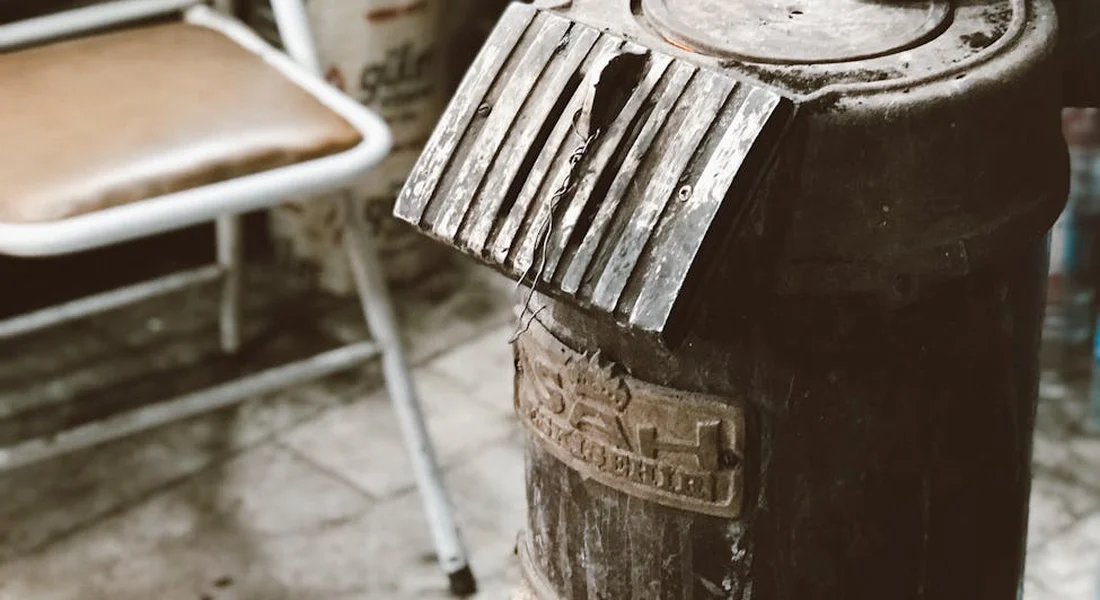
People have used iron for cooking for a very long time. Ancient Chinese furnaces produced basic cast iron vessels over a thousand years ago. In Europe, cast iron pots became common in fireplaces by the 16th century. The story of the cast iron skillet we know today, however, truly begins in 18th and 19th century America.
Early American foundries made simple, durable items like pots, kettles, and stove plates. They melted iron in a furnace and poured it into a sand mold. This process was straightforward, but it had limits. The sand molds created a rough, pebbly surface texture. The pans were also incredibly thick and heavy to prevent breakage during casting and use.
This era gave us the classic frontier image of a heavy, black pot hanging over a fire. These workhorses were essential, but they weren’t refined. They held heat well but were slow to heat evenly and their rough surface could make food stick if not well-seasoned.
The Heavier Parts of the Story
The history of early American industry is complex. In some regions, particularly in the antebellum South, enslaved labor was used in iron production, including at foundries that made cookware. When we handle or collect very old pieces, we are touching objects that exist within this broader and difficult history. Acknowledging this context helps us appreciate the full story of these durable tools, from their making to their decades of use in homes.
How Did Brands Like Griswold Change Cast Iron?
In the late 1800s, the Griswold Manufacturing Company of Erie, Pennsylvania, revolutionized the home kitchen. They looked at the heavy, crude skillets of the day and asked: can we make this better? The answer was a resounding yes. Griswold’s innovation was to make cast iron lighter, thinner, and remarkably smooth.
They perfected the production of “hollow ware” like skillets and Dutch ovens. After casting, their pans went through a machining process. A spinning cutter head would shave the cooking surface, removing the sandy “pebble” finish. This created the legendary glass-smooth interior that collectors covet. I have a Griswold #8 skillet from the 1930s, and its cooking surface is still smoother than any modern pan I’ve bought new. No recipe for perfection, just hard work and impeccable craftsmanship.
This pursuit of quality changed how the pans performed. The thinner, machined walls heated up faster and more responsively than older, thicker pans, while the slick surface was easier to season and created a superior natural non-stick finish. This is why Griswold pans command high prices today-they represent a peak of thoughtful design and craftsmanship in cast iron history. A fuller picture comes from the complete history of Griswold cast iron cookware. It traces innovations, maker practices, and the lasting collector appeal.
The Rivalry with Wagner Ware
Griswold’s chief rival was the Wagner Manufacturing Company of Sidney, Ohio. Wagner also produced high-quality, machined cast iron and is beloved by collectors. Their history is a bit longer, starting with hollow ware in the 1880s. For decades, the two companies competed directly, pushing each other to higher standards.
You can identify them by their logos. Classic Griswold skillets often have a large cross with the word “GRISWOLD” and an “ERIE, PA.” marking. Wagner pieces might say “WAGNER WARE” or “SIDNEY -O-” in a distinctive arc. Collectors note that pre-1960s pieces from both companies generally represent their highest quality, before manufacturing changes began to simplify processes. The rivalry ended in 1957 when Wagner acquired Griswold, and later, the brand names were sold and used on different, often lower-quality, products. The best pieces remain those made during their competitive heyday.
What Happened to Cast Iron in the 20th Century?
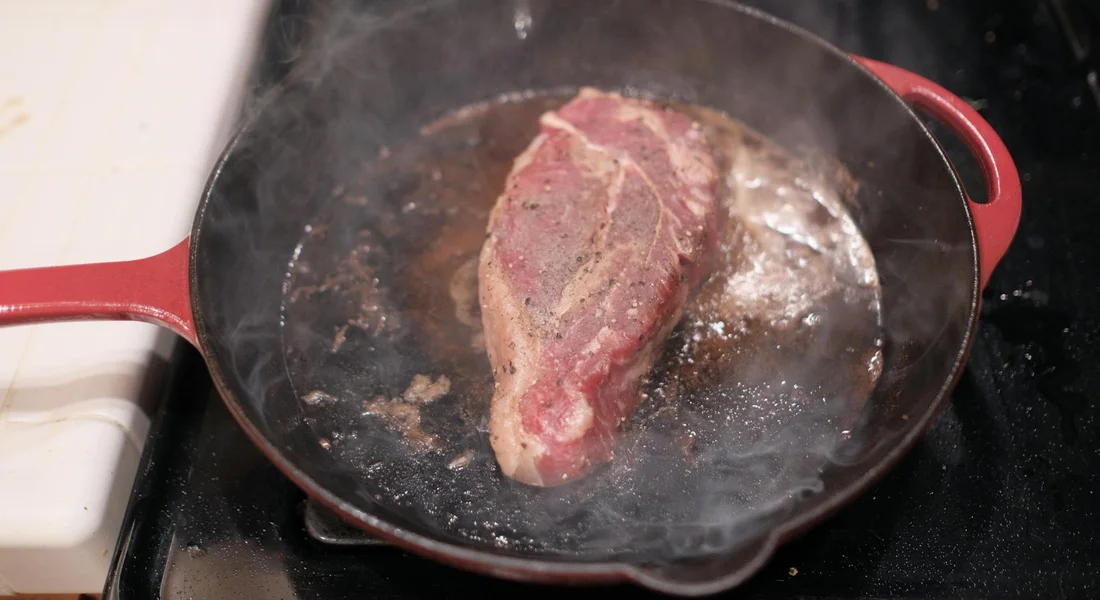
The golden age of boutique foundries didn’t last. After World War II, manufacturing priorities shifted. The goal became producing more cookware, faster and for less money. Many of the famous names, like Griswold and Wagner, were bought by larger companies. Their foundries eventually closed.
Automated production lines replaced skilled mold-makers and finishers. To save a critical step, companies stopped machining the cooking surfaces smooth. Instead, pans were left with the texture of the sand molds they were cast in. This “as-cast” finish is the pebbly surface you feel on a brand new Lodge skillet today.
Lodge is the great survivor of this era, adapting to become the primary American cast iron brand by focusing on durable, pre-seasoned, and accessible cookware. While their process changed, their commitment to iron itself never wavered.
The Rise of Enameled Iron
Around the same time, a different path emerged in Europe. Brands like France’s Le Creuset (1925) and later Staub pioneered enameled cast iron. Think of this as a different branch on the family tree. It’s still cast iron at its core, providing incredible heat retention.
The crucial difference is the maintenance. Instead of building up a polymerized seasoning layer on bare iron, you are caring for a baked-on glass coating. You can’t season an enameled pot. Abrasive scrubbing or thermal shock can chip the enamel. This single difference defines how you clean, store, and use it.
What Should You Know About Vintage vs. Modern Cast Iron?
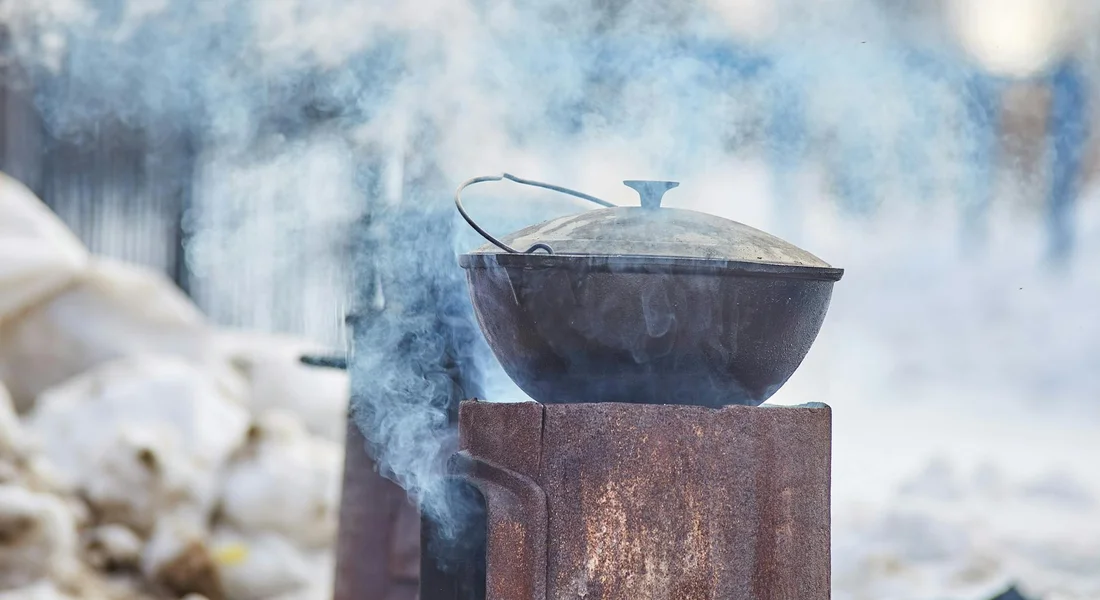
Choosing between vintage and modern iron isn’t about right or wrong. It’s about knowing what you’re getting. I have both in my kitchen, and they serve different purposes. If you’re weighing Lodge vs vintage, a Lodge vs vintage cast iron buyers comparison guide can help. It covers heat retention, seasoning, and care.
| Feature | Vintage (e.g., Griswold) | Modern (e.g., Lodge) |
|---|---|---|
| Surface | Often machined smooth like glass. | Textured, as-cast finish. |
| Weight | Generally lighter due to thinner walls. | Often heavier and thicker. |
| Handle Design | Ergonomic, often with a hanging hole. | Sturdy, designed for a secure grip. |
| Heat Retention | Heats up and adjusts quicker. | Slower to heat, but holds heat very steadily. |
Is vintage always better? Not necessarily. That slick, smooth surface is a joy for eggs. But a modern pan’s texture holds initial seasoning well, and its heft is perfect for searing a steak. A new Lodge is also ready to use right off the shelf, unlike some vintage pans that can be more or less rust-prone.
You can find unmarked vintage pans at flea markets. Here’s how to spot them:
- Look for a smooth, almost silvery cooking surface beneath any gunk.
- Check for a heat ring on the bottom (common on older pans for wood stoves).
- Notice the shape of the handle. A long, tapered handle with a subtle downward slope often indicates age.
- Examine the mold marks. A small number or letter on the bottom near the handle is often a pattern marker from an old foundry.
When NOT to Buy Vintage Cast Iron
Vintage hunting is fun, but some pans are beyond practical rescue. Walk away if you see these red flags:
- Severe pitting: Deep, crater-like holes from rust that compromise the pan’s structure.
- Hairline cracks: These often stem from the rim or handle and will only get worse with heat.
- A wobbly spin: Place the pan on a flat surface. If it spins freely, it’s warped and won’t heat evenly.
- A visible warp: Sight down the cooking surface. A noticeable dip or bulge means uneven contact with your burner.
For your first pan, a modern piece is a forgiving and fantastic choice. You’ll learn seasoning and care without the pressure of restoring a fragile antique. You can always hunt for vintage later.
How Does History Inform Cast Iron Maintenance?
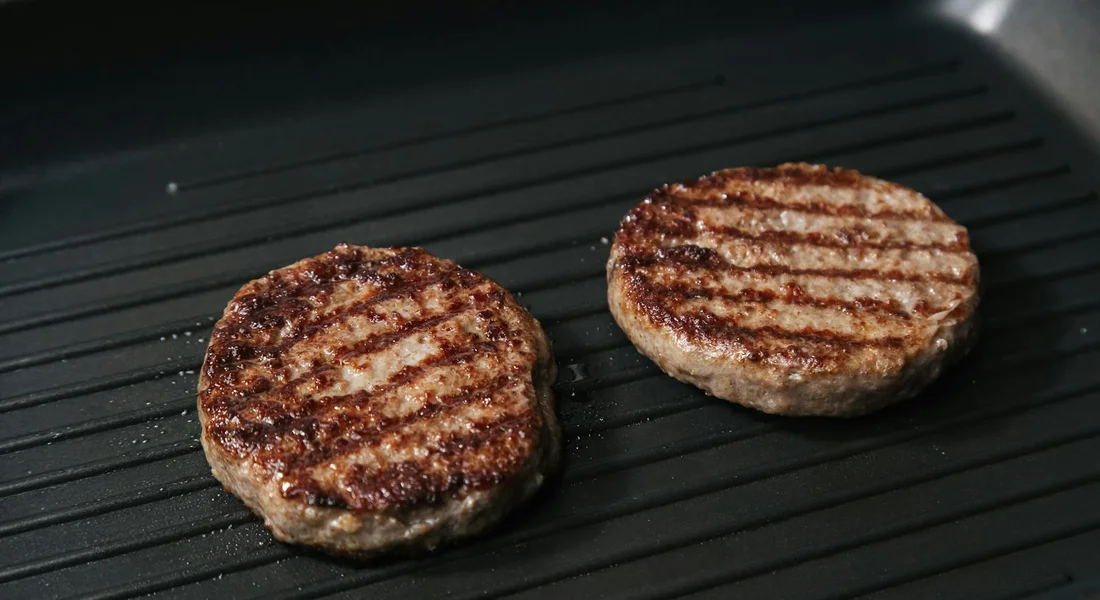
The fundamental needs of a cast iron pan have not changed in over a century. Whether you have a sleek modern Lodge or a smooth-bottomed Griswold, the same simple care keeps them both in top shape.
Proper maintenance is the same timeless practice because the material itself is timeless. The iron in your pan wants to bond with oxygen and turn into rust. Your job, with any pan from any era, is to stop that from happening by maintaining a protective layer of polymerized oil, which we call seasoning.
The “No Soap” Myth, Explained by History
That old rule came from a good place. In the early 20th century, household soap was often made with lye, which is highly alkaline and could strip the delicate seasoning right off the pan. Modern dish detergents are different. They are mild, pH-neutral cleaners designed to cut grease without damaging surfaces.
Using a drop of today’s mild dish soap to clean your pan is perfectly safe and won’t harm a well-established seasoning. It removes food residue without attacking the bonded polymer layer. I use it on all my pieces, vintage and new, after every use.
Why Seasoning is the Constant
Think of raw cast iron like an unglazed clay pot. It’s porous. Without a barrier, moisture, acids, and air get in and cause rust or off-flavors. Seasoning fills those microscopic pores and coats the surface with a slick, inert layer.
This need has never changed. A Wagner skillet from 1930 and a Butter Pat skillet from 2023 both start as porous, rust-prone iron. The goal is always to build and maintain that durable, non-stick coating through the same process of applying thin layers of oil and heat.
What Helped Me: The Restoration Mindset
I found my favorite daily driver at a flea market. It was a single-notch Lodge, covered in a crust of carbon and old grease, with no visible logo. It looked hopeless to most people.
I took it home, stripped it in the lye bath, gave it a vinegar bath for rust, and started the seasoning process from bare metal. After the third round in the oven, that dull gray iron began to glow with a deep amber hue. The first egg I slid across its surface sealed the deal.
The satisfaction of using a restored piece isn’t just about saving money; it’s about giving an object a second life and becoming part of its story. That anonymous skillet now has decades more of meals ahead of it. Every old pan you see was someone’s trusted tool. Your care writes the next chapter.
Where Can You Learn More About Cast Iron History?
If this look back has sparked your curiosity, you can dive much deeper. Here are trustworthy places to start your research.
Books & Printed Guides:
- The Book of Griswold & Wagner by David G. Smith and Chuck Wafford is considered the essential encyclopedia for these classic brands.
- The Cast Iron Collector by David G. Smith offers a fantastic overview of many manufacturers and identification tips.
Online Communities & Databases:
- The Cast Iron Collector website forum is a goldmine. Knowledgeable collectors share photos, help identify pieces, and discuss restoration techniques.
- For identifying logos and markings, the online database at the Cast Iron Collector site or the “Cast Iron” gallery on Flickr are invaluable visual resources.
Museums & Historic Sites:
- Many living history museums, like Colonial Williamsburg or local historic farms, have blacksmith shops and displays of early cookware.
- Traveling through historic districts, you can often see ornate cast iron architecture, a reminder of the material’s broader use and the foundries that likely made cookware too.
Common Questions
How does the difficult history of cast iron production affect how we care for old pans today?
Acknowledging that some antique iron was produced under unjust conditions adds a layer of respect to restoration. It encourages a preservative approach-using gentle methods like hand-scrubbing with oil and salt before aggressive stripping. We honor the object’s full history by giving it careful, purposeful care for the future.
I live near a historic district with old foundries. Does that mean I can find good vintage pans there?
Possibly, but location isn’t a guarantee of quality. Focus on the pan’s condition, not its provenance. Look for the smooth surfaces and lightweight feel of quality iron, and be prepared to walk away from cracked or badly pitted pieces, no matter where you find them.
Are there any good documentaries that show how cast iron was really made and maintained in the past?
Historical footage from foundries is valuable for understanding the craftsmanship behind vintage pieces. Watch for the sand-casting and machining processes to see why older pans feel different. However, always cross-reference historical practices with modern, verified care techniques for maintenance.
Your Skillet’s Place in History
The entire story of cast iron, from Griswold’s smooth finishes to today’s rugged textures, teaches us that these tools thrive on consistent, simple care. The best thing you can do for any piece is to use it often, clean it gently, and keep its seasoning layer intact with a thin coat of oil. For hands-on help with that process, our guides on stripping old seasoning and choosing the right oil offer clear next steps.
Sources and Additional Information
- Evolution of the Griswold Trademark – The Cast Iron Collector: Information for The Vintage Cookware Enthusiast
- Evolution of the Griswold Skillet – The Cast Iron Collector: Information for The Vintage Cookware Enthusiast
- Griswold Manufacturing – Wikipedia
- Griswold – Cast Iron Cookware Manufacturer since 1865
- Griswold Cast Iron History & Price Guide | KitchenSanity
- Griswold Cast Iron Skillets Simple Identification Guide.
Joseph Gerald
A material science expert by profession, Joseph is also an avid cook. He combines his 10+ years expertise in material science and metallurgy with his passion for cast iron cookware to bring you best hands on advice. His expertise ranges from types of cast iron cookware to best seasoning tips as well as restoration of vintage cast iron utensils. Joe is here to help you solve all your cast iron cookware queries and questions.