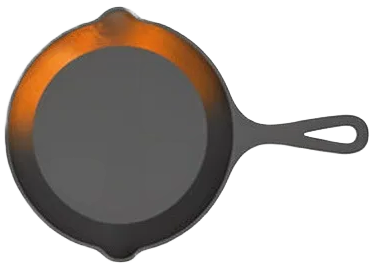
Cast Iron vs. Carbon Steel: Which Pan is Right for You?
You love your cast iron skillet, but you’ve heard whispers about carbon steel. Should you switch pans, or is your old faithful still the best tool for the job? The truth is, both are fantastic, lifetime pieces that excel for different reasons in the kitchen.
Here’s what we’ll cover so you can decide:
- How their weight and texture affect your cooking and your wrist.
- Why seasoning behaves differently on each surface.
- Their unique ways of holding and distributing heat.
- The straightforward maintenance steps that keep both pans in top shape.
Key Takeaways at a Glance
If you’re trying to decide between the two, here is a direct comparison of their most practical traits.
| Cast Iron | Carbon Steel |
|---|---|
| Very heavy and thick | Relatively lighter and thinner |
| Heats slowly, holds heat exceptionally well | Heats faster, reacts quickly to temperature changes |
| Rough, porous surface texture | Smooth, often machined surface |
| Classic, rugged maintenance | Similar care, but may feel more delicate |
When you pick them up and cook with them, here is what you’ll feel right away.
- Cast iron feels like a permanent kitchen fixture, while carbon steel feels like a nimble cooking tool.
- Cast iron is better for holding a steady, even heat for baking or searing.
- Carbon steel is superior for techniques where you need to change the temperature fast, like stir-frying.
- The initial surface of a new carbon steel pan is often smoother than a new cast iron skillet.
The Core Difference: How They’re Made Changes Everything
The biggest difference comes down to carbon. Cast iron contains a high amount of carbon (over 2%), which makes it brittle but excellent at holding heat. Carbon steel has much less carbon (typically under 2%), which makes it strong, malleable, and lighter. This difference also influences which is easiest to clean and maintain. Cast iron often requires seasoning and careful drying, while carbon steel generally cleans up more easily and needs less upkeep.
Yes, all carbon steel is made from iron and carbon, which is why it behaves a lot like cast iron in your kitchen.
That difference in recipe leads to two completely different manufacturing processes. Cast iron is made by melting the metal and pouring it into a sand mold. It’s like making a statue. This creates a thick, heavy pan with a characteristically rough surface from the mold. There’s a full, step-by-step version of this process explained in the cast iron cookware guide. The next steps will link to that detailed explanation.
Carbon steel starts as a sheet of metal that is pressed, stamped, or rolled into shape. Think of it like forging a tool. This results in a thinner, lighter pan that can be machined to a much smoother finish.
The way they are born defines their personality in your kitchen: one is a steady, heavy anchor, and the other is a quick, light responder.
What This Means for Your Hand and Stove
Pick up my 12-inch cast iron skillet. It feels substantial, like a solid piece of machinery. Now, pick up my 12-inch carbon steel skillet. It has a noticeable heft but feels agile, like a chef’s knife compared to a cleaver.
This weight difference changes how you cook. The cast iron’s mass makes it slow to heat up, but once it’s hot, it stays hot and spreads heat evenly. It’s forgiving if your stove has hot spots. The carbon steel heats up in about half the time and responds immediately when you adjust the burner. This makes it fantastic for searing a steak and then making a pan sauce without waiting forever for the pan to cool down.
The surface texture changes how you build your seasoning. The microscopic peaks and valleys on a raw cast iron surface give the polymerized oil something to grab onto, building up thick, durable layers over time. A new carbon steel pan is often as smooth as glass. Seasoning can initially feel less secure on carbon steel, almost like it’s sitting on top, but it will bond firmly with consistent use and proper care. My carbon steel wok developed a beautiful, slick patina just from regular stir-frying.
A Quick Note on Materials and Safety
Many people new to these materials worry about hidden metals. You should know that quality cast iron and carbon steel cookware are made primarily from iron and carbon. They should not contain lead or nickel as part of their core construction.
If you are ever unsure about a vintage or unfamiliar piece, you can use a lead testing kit for absolute peace of mind.
Also, neither material needs a synthetic non-stick coating like Teflon. The seasoned patina you build is the natural non-stick layer. A pan sold as “carbon steel” or “cast iron” should never have a Teflon coating unless the manufacturer explicitly states it (which would be very unusual). You are the one who creates the perfect cooking surface through seasoning.
How They Handle Heat: Retention vs. Responsiveness
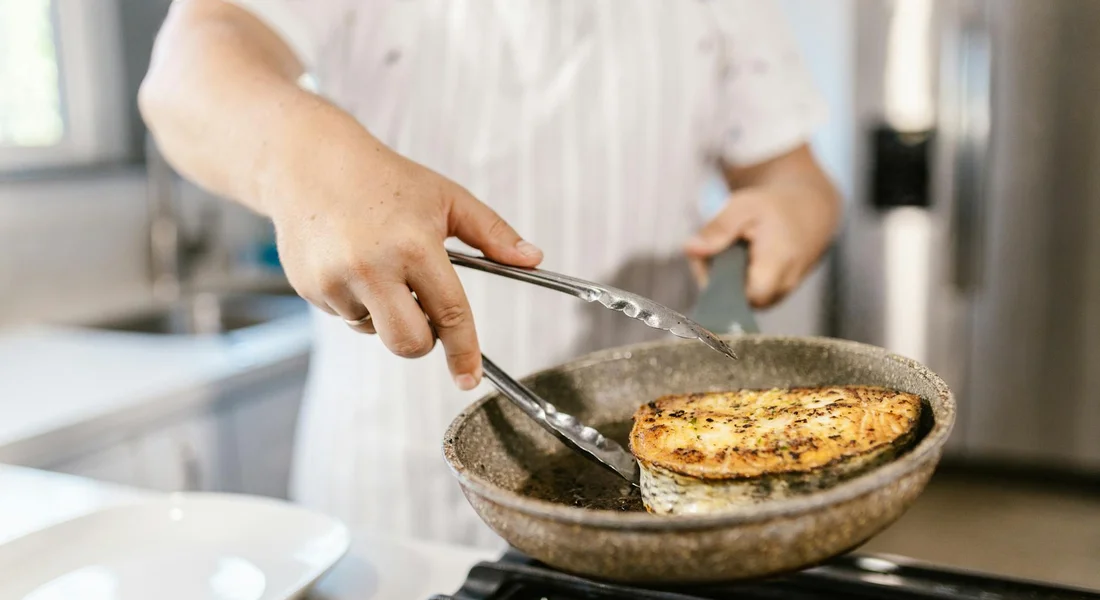
Think of cast iron as a thermal battery. It takes a while to charge up, but once it’s hot, it holds that energy for a long time. Carbon steel is more like a quick-charge battery. It heats up fast and cools down fast when you adjust the burner.
This changes how you cook. My heavy Lodge skillet is my go-to for a perfect crust on a thick steak because it won’t lose heat when the cold meat hits it. It’s also ideal for dishes that start on the stove and finish in the oven, like frittatas or braised chicken thighs. The pan stays uniformly hot.
Carbon steel heats and reacts quickly, which is perfect for adjusting temperature mid-cook. Need to lower the heat for a delicate sauce after searing? A carbon steel pan will respond in seconds, where cast iron would take a minute or more to cool down. That thin, responsive nature means carbon steel is more prone to hot spots over high heat, so preheating it gently and swirling your oil is key.
Side-by-Side Care and Seasoning
The most crucial thing for long-term success with either pan is proper care. The goal is identical: building and maintaining that slick, polymerized layer of seasoning. The journey to get there has a few different starting points.
The Initial Seasoning Process
Most modern cast iron, like the popular Lodge skillets, comes from the factory with a serviceable preseasoning. Carbon steel often arrives with a thin, clear coating to prevent rust in transit, which you must scrub off. You’re starting from bare, gray metal. This means you’ll need to season it before use.
The seasoning steps are nearly the same for both:
- Wash the pan thoroughly with warm, soapy water to remove any factory oils or coatings. Dry it completely.
- Apply a microscopically thin layer of a high-smoke-point oil (like grapeseed, canola, or flaxseed) to every surface, inside and out.
- Wipe it off again, as if you made a mistake and are trying to remove all the oil. This step is non-negotiable.
- Bake it upside-down in a 450°F to 500°F oven for one hour. Let it cool in the oven.
The only real difference is that carbon steel, being thinner, can sometimes benefit from a slightly lower oven temperature (around 450°F) for the first coat to help the oil polymerize evenly without smoking excessively. I typically do 2-3 initial coats on a new carbon steel pan.
Daily Cleaning and Upkeep
Your daily routine is virtually identical for both materials. After cooking, let the pan cool slightly. Clean it with hot water and a brush or non-abrasive scrubber. For stuck-on bits, use coarse salt as a gentle abrasive or a chainmail scrubber. Modern dish soap is perfectly safe for a well-seasoned pan of either type.
The critical step is drying. Dry the pan thoroughly with a towel, then place it on a warm stovetop burner for a minute to evaporate any lingering moisture. Carbon steel will flash-rust much faster than cast iron if left damp, so this heat-dry step is especially important. While the pan is still warm from drying, I apply a tiny drop of oil and wipe it around with a paper towel, then buff it to a dry sheen.
Restoring a Damaged Pan
If rust or gunk takes over, the restoration process is the same. You strip the pan down to bare metal using a lye-based oven cleaner (for organic buildup) or a vinegar bath (for rust). Then, you re-season it from scratch, following the initial seasoning steps above.
The one extra caution for carbon steel is its thinner build; exposing it to extreme, uneven heat during restoration (like a self-cleaning oven cycle or very high direct flame) poses a higher risk of warping compared to thick cast iron. I stick to chemical stripping methods for both to be safe.
Choosing Your Pan: Best Use Cases
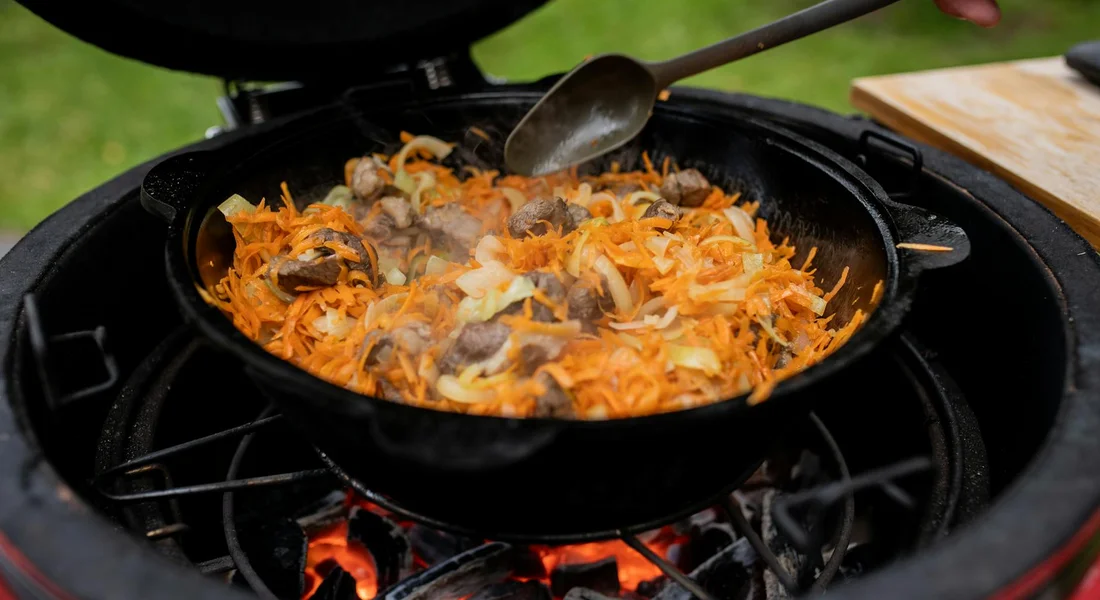
So, which one should you get? The answer often depends on what you cook most. I have and use both because they excel at different tasks.
When to Reach for Cast Iron
Grab your cast iron skillet when you need a steady, heavy source of heat. Its mass is its superpower.
- Searing thick steaks or pork chops where you want a relentless, even sear.
- Baking cornbread, deep-dish pizza, or cobblers right in the pan.
- Any dish that starts on the stovetop and finishes in the oven.
- Campfire or outdoor cooking where consistent heat retention is a must.
- Using a grill pan for char marks, or a Dutch oven for braising.
My 12-inch Lodge skillet is my kitchen anchor because it manages heat so predictably for these heavy-duty jobs.
When to Reach for Carbon Steel
Your carbon steel pan is your quick, agile partner for faster, more technical cooking.
- Speedy weeknight stir-fries or sautéed vegetables where you need instant heat control.
- Delicate proteins like fish fillets or skin-on chicken that can stick if the temperature isn’t just right.
- Omelets, crepes, and dosa, where you need a smooth, slightly slick surface that heats fast and evenly.
- Any time the weight of cast iron is a concern. A carbon steel skillet is significantly lighter.
This is why carbon steel woks and crepe pans are classics; their responsiveness is perfect for high-heat, quick-cooking techniques. You’ll see them recommended often in cooking communities for these very specific tasks.
What About a Griddle?
The same principles apply. A cast iron griddle, like the large rectangular ones, is fantastic for pancakes or grilled cheese because it holds a perfectly even temperature across its surface once heated. A carbon steel griddle heats up much faster and is easier to lift and maneuver, but it may have slight hot spots and requires more attentive heat management. Your choice depends on whether you value steadfast heat or speedy adjustment.
Other Options and Final Thoughts

Some cooks prefer the simplicity of stainless steel. It’s a great third option that needs no seasoning and can handle acidic sauces for days. The trade-off is it has no inherent non-stick quality, so you’ll need more oil or butter to keep food from bonding to the surface.
Whether you choose cast iron or carbon steel, you are making a lifetime purchase that will only get better with consistent, proper care. The seasoning you build and maintain is what transforms these simple pieces of metal into your most trusted kitchen tools. When it comes to maintenance, the two varieties differ in routine and upkeep. A quick look at cast iron versus carbon steel can guide your choice based on which maintenance path fits your habits.
You don’t have to pick just one. In my kitchen, I use both. My heavier cast iron skillets live on the stove for steady, even-heat cooking, while my lighter carbon steel pan is my go-to for quick, high-heat jobs. For many home kitchens, owning one of each is the ultimate setup for covering every cooking style. Many cooks wonder which is right—cast iron vs carbon steel. Understanding each strength helps you pick the right skillet for your cooking style.
Recommended Product Types for Your Kitchen
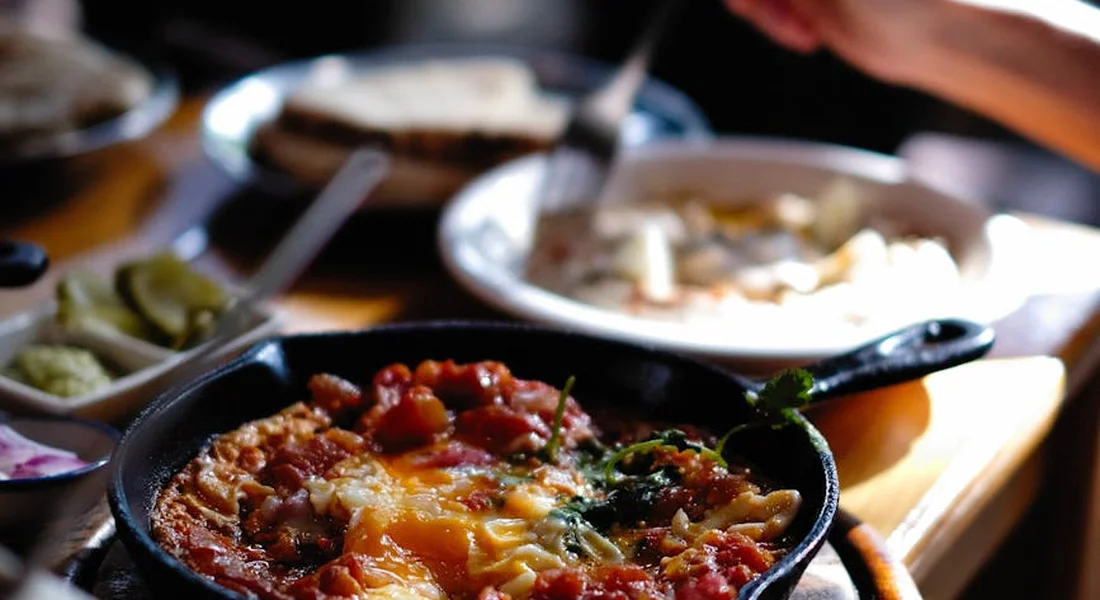
If you’re building a kitchen arsenal focused on durability and performance, here are the types of pieces I find most useful. Think of these as categories, not specific brands.
- A 10-12 inch preseasoned cast iron skillet
- A 3-5 quart enameled cast iron Dutch oven
- A 12-inch carbon steel frying pan
- A carbon steel wok
- A cast iron grill or griddle pan
The best approach is to start with a single, versatile piece and learn its personality before investing in more. Cook with it, season it, and see how it responds. That hands-on experience is worth more than any full set sitting in a box.
Common Questions
My carbon steel pan feels sticky after seasoning. What did I do wrong?
You used too much oil. A proper seasoning layer is microscopic. After applying oil, you must wipe the pan thoroughly again as if you’re trying to remove it all before heating. Sticky residue means excess oil that didn’t polymerize fully; simply heat the pan on the stove until the stickiness bakes off.
Do I need to re-season my cast iron skillet after every use?
No. For daily maintenance, a simple wash, thorough dry, and a light wipe with oil while warm is sufficient. Oven re-seasoning is only needed for restoring a damaged surface or building initial layers. Your pan’s seasoning strengthens with regular cooking, not constant re-baking.
Why does my carbon steel pan flash-rust immediately after washing, and how do I stop it?
Carbon steel is less porous than cast iron and will rust faster when bare metal is exposed to moisture. The fix is immediate and complete drying. Dry with a towel, then place it on a warm burner for a full minute to evaporate all water before applying a protective film of oil.
Making Your Kitchen Toolbox Work
For unmatched durability and a forgiving cooking surface that you can maintain for decades, a well-cared-for cast iron skillet is your best investment. Start by choosing the right pan for your regular tasks, then focus on keeping its seasoning layer intact through gentle cleaning and occasional oiling. If you’re new to this, our guides on initial seasoning and fixing common rust issues will give you confidence.
Expert Resources and Citations
- r/Cooking on Reddit: Cast iron vs carbon steel vs stainless steel
- Carbon Steel vs. Cast Iron: Which One Should You Buy?
- Carbon Steel or Cast Iron? Your FAQs Answered – Smithey Ironware
Joseph Gerald
A material science expert by profession, Joseph is also an avid cook. He combines his 10+ years expertise in material science and metallurgy with his passion for cast iron cookware to bring you best hands on advice. His expertise ranges from types of cast iron cookware to best seasoning tips as well as restoration of vintage cast iron utensils. Joe is here to help you solve all your cast iron cookware queries and questions.