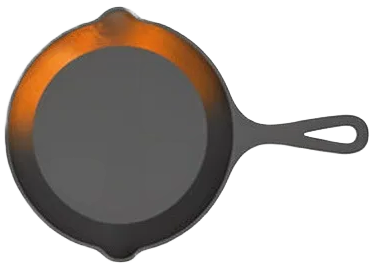
What Is Cast Iron Cookware Made Of? A Material Breakdown for Home Cooks
You might not think about what’s under the seasoning, but knowing what your skillet is made of explains why it behaves the way it does.
In this guide, I’ll break down the simple, rugged material so you can care for it with more confidence. We’ll cover:
- The basic alloy that makes up your pan.
- Why this material is so incredibly durable and holds heat.
- How it heats differently from materials like stainless steel or carbon steel.
- What this all means for maintaining your seasoning and avoiding rust.
What Is Cast Iron? The Basic Recipe
At its heart, cast iron is an alloy, not pure iron. Think of it like a cake. The main ingredient is iron, but the secret to its unique texture comes from adding another element. For cast iron, that key ingredient is carbon.
Typical cast iron for cookware contains between 2% and 4% carbon by weight. This high carbon content is the key to everything. It lowers the metal’s melting point, which makes it possible to pour into molds. It also gives the finished pan its characteristic brittleness (it can crack if dropped) and its legendary heat retention.
Other elements are added to the mix to fine-tune the alloy for casting:
- Silicon (1-3%): This acts like a flow enhancer. It makes the molten iron more fluid so it fills every detail of the sand mold perfectly, resulting in a well-defined pan.
- Manganese (~0.5%): This adds strength and helps control the form of the carbon within the iron as it cools.
People often search for the exact “cast iron composition percentage.” While recipes vary slightly between foundries, the breakdown for a standard skillet looks close to this:
| Element | Typical Percentage | Primary Role |
| Iron (Fe) | 92-96% | Base metal, provides structure. |
| Carbon (C) | 2-4% | Lowers melting point, enables casting, aids heat retention. |
| Silicon (Si) | 1-3% | Improves fluidity for casting. |
| Manganese (Mn) | ~0.5% | Increases strength and stability. |
You might also find trace amounts of sulfur and phosphorus. In quality cookware, these are minimized because they can promote brittleness. This specific recipe of elements is what transforms molten metal into the durable, heat-holding cookware we use on our stoves.
It’s Not Just One Thing: Grey vs. White vs. Malleable Iron
Not all cast iron is the same. The family has a few members, but only one is regularly invited to the kitchen. Your skillet is almost certainly made from grey cast iron.
The “grey” name doesn’t refer to its color after seasoning. It describes the microstructure. When grey iron cools, most of its carbon forms into tiny flakes of graphite. These graphite flakes are what give grey iron its excellent machinability, good vibration damping, and that classic cast iron character. They also create the slightly porous surface that holds onto seasoning so well.
White cast iron is the other main type. Here, the carbon remains chemically bonded with the iron, forming a very hard, brittle compound called cementite. It’s extremely wear-resistant but too brittle for a pan that needs to handle thermal shock. You won’t find cookware made from it.
Malleable cast iron starts as white iron but undergoes a lengthy heat treatment. This process transforms the brittle carbon structure into more forgiving clumps. It becomes tougher and can be bent slightly without breaking. While you might find it in old automotive or hardware parts, it’s rarely used for modern cookware. For our purposes, when we say “cast iron pan,” we mean grey cast iron.
How Cast Iron Pans Are Made: From Melt to Mold
The process for making a cast iron skillet is centuries old, and it hasn’t changed much in its essentials. It’s called sand casting, and it directly creates the textured surface and hefty feel we associate with these pans.
Here is how a pan goes from raw material to your kitchen:
- Pattern Making: A positive model of the pan, called a pattern, is made from wood or metal. This pattern is slightly larger than the final pan to account for the metal shrinking as it cools.
- Molding: The pattern is packed into special foundry sand to create a negative impression. For a skillet, this usually requires a two-part mold (cope and drag) to form both the cooking surface and the exterior.
- Pouring: Iron is melted in a furnace at around 2,200°F (1,200°C). This molten iron is then poured directly into the cavity of the sand mold.
- Cooling & Shakeout: The filled mold is left to cool and solidify. Once cool, the sand mold is broken away, revealing the rough casting-a pan-shaped object covered in a gritty texture from the sand.
- Finishing: This is where the pan gets its final form. The rough casting is cleaned. The gate (the channel where iron was poured) is ground off. The cooking surface is often machined or ground smooth. The pan may be shot-blasted to clean it before seasoning.
This sand-casting process is why every vintage and modern skillet has a unique, slightly textured personality-it’s a direct imprint from its sand mold. The thickness of the mold walls decides the thickness of your pan. That massive, uniform wall thickness is the direct reason cast iron holds heat so evenly and refuses to warp on your burner. The process and the material are perfectly matched.
What Cast Iron’s Makeup Means for Your Cooking
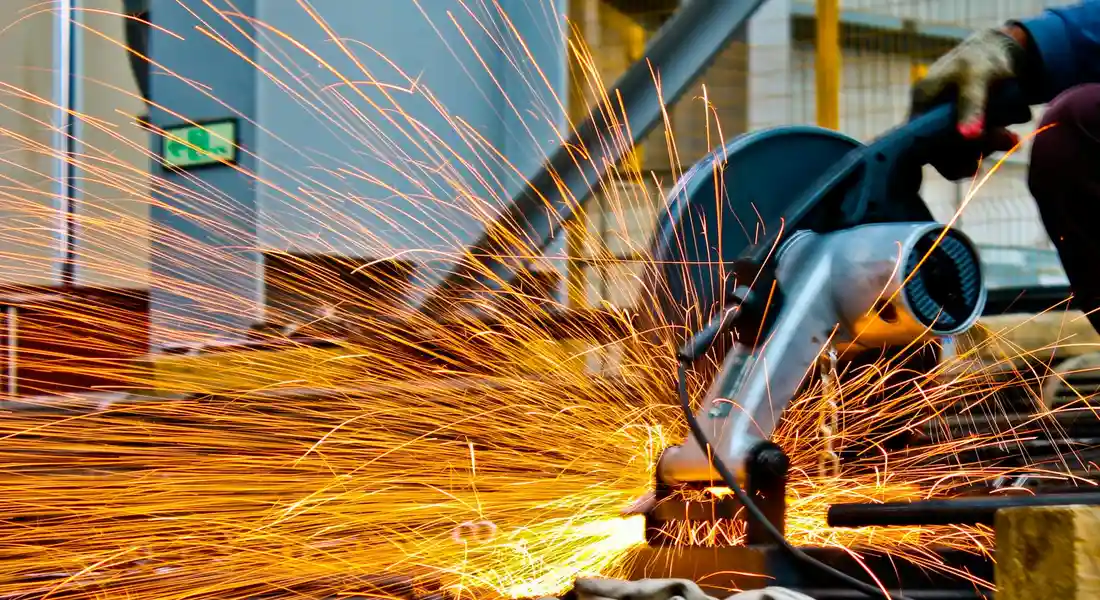
The mix of iron and carbon isn’t just factory chemistry. It creates the exact cooking properties you feel every time you use your pan.
Strength vs. Hardness: Why It’s Tough But Not Unbreakable
People often ask, how hard is cast iron? How strong is cast iron? The answers are different. Cast iron is very hard, meaning it resists scratching and denting. Its compressive strength is high. You can press down on it all day.
But its tensile strength is low. It doesn’t handle sudden bending or impact well. Think of a thick chocolate bar. It’s solid and hard, but if you snap it, it breaks cleanly. Cast iron is similar. Dropping it on a hard floor can make it crack or shatter.
Your cast iron’s legendary durability comes from its stubborn resistance to wearing down or warping, not from being indestructible. Treat it with respect, and it will outlive you. Be careless, and it can break.
Master of Heat: Retention and Distribution
That heavy, dense material is a heat battery. The high carbon content and sheer thickness let it absorb and hold a tremendous amount of thermal energy compared to thin stainless steel or aluminum pans.
This has two big effects. First, once it’s hot, it stays hot. This is perfect for getting a dark, restaurant quality sear on a steak because the temperature doesn’t plunge when you add cold food. It also keeps meals warm at the table.
Second, heat distribution is slower and less even than in metals like copper or aluminum. You’ll often find a hot spot right over the burner. This isn’t a flaw. You just need to preheat the pan on a lower heat for a few extra minutes. Let that heat slowly and evenly soak through the entire pan. Your cooking will be much more consistent.
A Porous Surface: The Reason for Seasoning
Look at a brand new, unseasoned skillet. It looks and feels rough, almost like stone. The sand casting process leaves behind a microscopically porous and pitted surface.
This is the most important link between what your pan is made of and how you care for it. Those tiny pores are why we season. When you coat the pan with oil and heat it, the oil undergoes a chemical change called polymerization. It transforms into a hard, slick, plastic like layer that physically bonds to the iron.
Seasoning isn’t just a coating, it’s a filling. It smooths over that rough, porous foundation to create the non stick, rust proof cooking surface you rely on. Every time you oil your pan after drying it, you are maintaining this vital layer.
Cast Iron vs. Other Metals: How It Stacks Up
No single cookware material is perfect for every job. The goal is to understand cast iron’s place in your kitchen. For a complete comparison guide, explore how cast iron stacks up against other materials.
Is Cast Iron Harder or Stronger Than Steel?
Is cast iron harder than steel? Often, yes. It’s harder than many common mild steels, which is why it’s so resistant to scratches. Is cast iron or steel stronger? That depends on what you mean by “strong,” especially when comparing cast iron and stainless steel.
Carbon steel and stainless steel are generally tougher. They have more tensile strength and can bend slightly under stress instead of cracking. You’re less likely to destroy a carbon steel wok by dropping it. For impact resistance, steel usually wins.
What about is billet aluminum stronger than cast iron? A high end forged aluminum pan is incredibly strong for its minimal weight. But it can’t match cast iron’s heat retention or its decades of proven, almost unchanging durability. They are different tools for different purposes.
The Cost Question: Is Cast Iron Cheaper Than Steel?
Raw iron is abundant and inexpensive. The casting process, while involved, is highly efficient for mass production. This makes a basic cast iron skillet one of the most affordable pieces of serious cookware you can buy.
Is cast iron cheaper than steel? A classic lodge skillet costs a fraction of a high quality multi ply stainless steel or copper core pan. Is cast iron more expensive than steel? Almost never, when comparing similar item types.
Its true value is performance per dollar over a lifetime. A $30 skillet you use for 50 years is a remarkable bargain.
Maintenance Mindset: It’s Different, Not Difficult
Compared to other metals, cast iron asks for a specific kind of attention. Stainless steel is forgiving. You can scour it, run it through a dishwasher, and let it air dry. Non stick coatings are initially easy but have a short, fragile lifespan.
Cast iron requires a conscious routine. Hand wash, dry immediately, apply a whisper thin coat of oil. This takes two minutes. I do it while my kitchen is still warm from dinner.
This ritual isn’t a burden. It’s the simple act of preserving a tool for life. You aren’t just cleaning a pan. You are maintaining the seasoning that makes it work. That small habit saves you from buying a new non stick pan every few years when the coating flakes away.
Common Misunderstandings About Cast Iron Care
Knowing what your pan is made of clears up a lot of confusion. Many common care rules are based on a misunderstanding of the material and how it works with its seasoning.
Myth: “Soap Will Ruin the Seasoning”
This is the most persistent cast iron myth. It comes from a good place, but it’s outdated. Decades ago, soaps were made with lye, which is a powerful cleaner that could strip seasoning. Modern dish soaps are detergents. They are designed to cut through grease and food, not bonded plastic. It’s a myth that you shouldn’t use soap on cast iron.
Your seasoning is not grease. It’s a layer of oil that has been baked on and transformed into a hard, plastic-like coating fused to the iron. Gentle soap and water cannot dissolve this polymerized layer. Using a little soap is the best way to clean off food residue and old cooking oils without harming your hard-earned seasoning. I wash my daily driver skillet with soap after almost every use, and its finish is only getting better.
Myth: “You Can’t Cook Acidic Foods”
You can cook tomatoes, wine, or vinegar in cast iron. The real issue is time, not the ingredient itself. A strong, well-developed seasoning layer acts as a shield between the food and the raw iron, making it safe to cook acidic foods.
The problem starts with prolonged simmering. Cooking a tomato sauce for three hours can, over time, break down that protective layer, especially if your seasoning is new or thin. If the seasoning is compromised, the acidic food can react with the bare iron. This can give the food a metallic taste. That taste is not your pan failing. It’s simply the natural property of iron interacting with acid, a feature you manage by maintaining a good seasoning barrier. For a quick pan sauce or a brief simmer, you have nothing to worry about.
Mistake: Thermal Shock and Sudden Temperature Changes
This is where the material’s properties are non-negotiable. Cast iron is hard but brittle, and it expands and contracts with heat at a different rate than other metals. It has very low resistance to thermal shock.
Put simply, it doesn’t like sudden, extreme temperature changes. This is the direct cause of cracks and warping. I’ve seen a beautiful vintage pan crack because someone took it hot off the grill and set it in a snowbank.
The rule is simple. Never put a scorching hot pan into a sink of cold water. Also, avoid putting a cold pan directly onto high heat. Let it warm up gradually over a low or medium flame for five minutes. Letting your pan heat and cool gradually is the single best thing you can do to ensure it lasts for generations.
Common Questions
How does the material’s porosity affect my seasoning routine?
The microscopic pores and texture from sand casting are what allow seasoning to bond. You’re not just coating the iron; you’re filling those voids with polymerized oil to create a smooth, resilient surface. A well-maintained layer in this porous foundation is your primary defense against rust and stickiness. Understanding the metallurgy of cast iron helps appreciate why it’s ideal for building seasoning layers.
Why is thermal shock so dangerous for my pan?
Cast iron’s brittleness, a direct result of its high carbon content, makes it vulnerable to sudden temperature changes. The material expands and contracts unevenly under rapid stress. This can cause permanent, irreparable cracks-always heat your pan gradually and let it cool completely before washing.
Can the iron itself react with foods, and how does seasoning prevent this?
Yes, bare iron can react with acids, potentially leaching a metallic taste. Your polymerized seasoning layer acts as an inert, non-reactive barrier between the food and the raw metal. Maintaining a robust, well-built seasoning through regular oiling is what allows you to cook acidic foods without issue.
Making Sense of Cast Iron for Everyday Care
Remember, your skillet’s simple iron-and-carbon makeup is why it lasts for generations and also exactly why it requires a shield of seasoning. That knowledge turns every act of drying thoroughly and applying a thin coat of oil from a chore into a direct investment in your cookware’s future. You might find our detailed guides on stripping old seasoning or comparing flaxseed to grapeseed oil for seasoning helpful for your next project.
Research and Related Sources
- Cast-iron cookware – Wikipedia
- Cast Iron Pots and Pans, Oven-to-Table Cookware | All-Clad
- Cast iron – Wikipedia
- Cookware Material: Cast Iron
Joseph Gerald
A material science expert by profession, Joseph is also an avid cook. He combines his 10+ years expertise in material science and metallurgy with his passion for cast iron cookware to bring you best hands on advice. His expertise ranges from types of cast iron cookware to best seasoning tips as well as restoration of vintage cast iron utensils. Joe is here to help you solve all your cast iron cookware queries and questions.