How Do You Remove Rust from Cast Iron and Restore It Like New?
Finding a patch of rust on your cast iron skillet can feel like a setback. Rust is a common issue that’s completely reversible with some straightforward steps.
This guide walks you through the entire process, from assessment to a finished restoration. You’ll learn:
- How to safely evaluate the rust without damaging your pan further.
- The most effective methods for scrubbing rust away, from mild to severe cases.
- My trusted process for re-seasoning the bare iron to create a strong, protective layer.
- Simple habits to keep your restored cookware rust-free for good.
What is Cast Iron Rust and When Should You Worry?
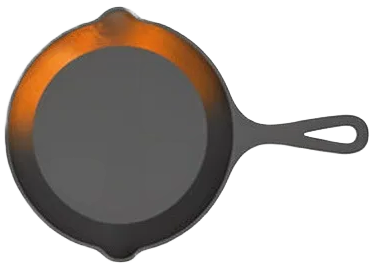
Rust is just iron oxide. It’s what happens when the iron in your pan meets oxygen and water. Think of it like the metal slowly breaking down. It starts as a reddish-orange dust and can become deep, pitted holes if left alone.
You’ll see two main types. Light surface rust wipes off like powder. Deep rust looks crusty or leaves small pits in the metal even after you scrub.
Seeing a little rust is not a crisis and it’s not dangerous to your health once you’ve properly cleaned it off. The real concern with deep pitting is that it can make your cooking surface uneven, not that it will poison you.
First, assess your pan. Give it a good look under bright light. I once found a skillet at a flea market completely covered in that tell-tale orange fuzz. I tapped it with a spoon-a solid clink meant the metal itself was still sound underneath. If your pan feels sturdy and the rust seems superficial, you’re in good shape to restore it.
The Complete Rust Removal Process: From Assessment to Bare Iron
No matter which method you pick below, always start the same way. Wash the pan with warm, soapy water and a stiff brush. This removes any grease, dirt, or loose debris so you can see the true extent of the rust. Dry it completely with a towel.
Your Rust Removal Toolkit: What You’ll Need
You don’t need fancy gear. Here’s what works:
- Scrubbers: Stiff nylon brush, stainless steel chainmail scrubber, #0 or #00 steel wool, a dedicated cast iron rust eraser.
- Abrasives (for severe cases): 80-120 grit sandpaper or a drill with a brass wire wheel attachment.
- Household Chemicals: White distilled vinegar, baking soda.
- Safety: Rubber gloves and eye protection are smart, especially when scrubbing or using a drill.
A chainmail scrubber is my go-to for light rust and general maintenance; it’s particularly effective for cleaning a cast iron griddle with rust because it can cover the large, flat surface quickly.
Method 1: The White Vinegar Bath for Widespread Rust
When a pan is evenly coated in that orange dust, a vinegar bath is your best friend.
- Mix one part white vinegar with one part water in a plastic tub or your sink.
- Fully submerge the pan. If you can’t, rotate it every 15 minutes.
- Set a timer for 30 minutes. Do not exceed 1 hour.
The acid in the vinegar dissolves the rust, but it can also start to etch the bare iron if you leave it too long. This is the most common mistake. I’ve seen pans come out rough from an all-day soak. So does vinegar damage cast iron, or can it clean safely? Understanding the proper technique helps you avoid etching and preserve the seasoning.
Can you use vinegar to remove rust from cast iron? Absolutely. Just respect the time limit.
Method 2: Electrolysis for the Worst Cases
For a pan that’s crusty, pitted, or a vintage piece you want to save perfectly, electrolysis is the professional-grade choice. It uses a low-voltage electrical current to pull the rust off the metal.
The basic setup involves a plastic tub, a battery charger, some rebar, washing soda, and water. It sounds complex, but it’s a popular project. You’ll find detailed guides on forums like cast iron rust removal reddit.
The big advantage is that it only attacks the rust, leaving the solid iron completely untouched, which makes it the safest method for the pan itself.
Method 3: Manual Scrubbing and Abrasives
For a small rusty spot or light overall film, start with your hands. Make a thick paste with baking soda and a little water. Scrub it onto the rust with a brush or scrubbing pad. The paste provides gentle abrasion.
For more stubborn patches, a dedicated rust eraser or some steel wool works wonders. Press hard and scrub in small circles.
How do you get rust off without damaging the pan? You always use the least aggressive tool that gets the job done. Move from a scrub brush to steel wool to sandpaper only if you have to. For a large, flat surface like figuring out how to clean rust from a cast iron griddle, a chainmail scrubber or a drill with a soft brass brush can save you a lot of time on tough rust.
The “After-Bath” Steps for Every Method
Once the rust is gone, you must act quickly. Rinse the pan thoroughly with hot water. Scrub it again with a brush and a drop of soap to neutralize any leftover vinegar or baking soda.
Dry it instantly and completely with towels. Then, place it on a stovetop burner over low heat for a few minutes to evaporate every last bit of moisture.
Your goal is a uniform, dull gray surface of bare iron. If you see any shiny silver metal or dark black spots (old seasoning), keep scrubbing until the color is consistent.
This bare metal will start to form flash rust-a thin, new layer of orange-within minutes if left exposed. Don’t panic. This is normal. Just make sure the pan is bone-dry and move directly to applying a thin coat of oil for seasoning. The oil will seal the metal and stop the rust from coming back. To guard against flash rust after stripping, learn to identify its early signs and prevent it from returning. The next steps will guide you on how to identify and prevent flash rust after stripping your pan.
Common Mistakes and How to Avoid Them
Getting rid of rust is simple, but a few common errors can make the problem worse or damage your pan. I’ve made some of these myself over the years. For cast iron, fixing rust and preventing it from returning matters as much as removing it. By following simple care tips, you can keep your skillet rust-free and well-seasoned.
Mistake 1: The Extended Vinegar Bath
It’s tempting to let a rusty pan soak in vinegar overnight. Don’t. Vinegar is an acid, and prolonged contact literally eats away at the iron, making the surface rough and porous. A rough surface won’t hold seasoning well and will actually be more prone to rust in the future. Limit your vinegar soak to a maximum of 30 minutes. If rust remains, scrub and repeat the short soak, never just let it sit.
Mistake 2: Bringing Out the Heavy Artillery
Power tools like angle grinders with wire wheels or coarse sandpaper seem effective, but they remove metal along with the rust. They can gouge the surface, creating deep scratches. You want to preserve the pan’s smooth cooking surface, not scar it. Stick to gentle, manual tools like a stainless steel scrubber, a bit of coarse salt, or a dedicated chainmail scrubber.
Mistake 3: Letting the Bare Pan Air Dry
Cast iron begins to rust the moment it’s wet and exposed to air. After you rinse the pan, towel drying is not enough. You must use heat to completely evaporate every bit of moisture from the bare metal. Place the pan on a stove burner over low heat for a few minutes until it’s warm to the touch all over. This is a non-negotiable step.
Mistake 4: Using Non-Food Products Like WD-40
I get asked this a lot. WD-40 is a water displacer and lubricant, not a cooking oil. It leaves behind a thin, slick residue that is not food-safe. This residue will prevent any cooking oil from properly polymerizing into a seasoning layer. Your pan will stay sticky and never develop that non-stick patina. Only use high-heat cooking oils or dedicated seasoning fats.
Mistake 5: Calling It Good Enough
Rust is like a weed. If you don’t get all the roots, it grows back. If you see even a small speck of orange after you think you’re done scrubbing, keep going. Any rust left on the pan will continue to spread underneath your new, beautiful seasoning, causing it to flake off later. Your goal is 100% bare, grayish-white metal. Be thorough.
How to Protect Your Cast Iron from Rust for Good
Removing the rust is only half the job. The true restoration is building a protective layer that keeps it from coming back.
The Immediate Next Step: Applying a New Foundation
A bare cast iron pan is vulnerable. You must season it immediately after drying it with heat to create a barrier against moisture and oxygen. This means applying a thin layer of oil and baking it. For a complete guide, you can follow our detailed process for oven seasoning cast iron. At a minimum, you’ll want to do three rounds of seasoning to establish a good base.
Daily Care That Stops Rust
Your new habits are what will keep the rust away for good. It comes down to two things: eliminating water and adding a microscopic shield.
- Dry With Heat, Every Time: After washing, always place the pan on a warm stove burner for a minute or two to evaporate all water. This is the single most important habit.
- The Storage Coat: After the pan is dry and slightly warm from the burner, put a drop of oil on a paper towel and wipe the entire cooking surface. Then, use a clean towel to buff it off as if you made a mistake. You’re leaving behind a layer of oil molecules, not a visible coat. This protects it while it sits in your cabinet.
Smart Storage Tips
How you store your pans matters just as much as how you clean them.
- Never stack pans while they are damp. Trapped moisture guarantees rust.
- If you must stack them in a cabinet, place a dry paper towel or a clean cloth between each pan. This allows air circulation and absorbs any incidental moisture.
- Avoid storing them in a closed, damp environment like under a sink or in a musty basement.
So, what do you do after you remove rust from cast iron? You season it immediately, without delay, and you commit to drying it with heat and giving it that light oil wipe after every use. That’s the lifelong recipe for a rust-free pan.
Common Questions
Is it rust or just discoloration and old seasoning?
True rust is a reddish-orange, gritty powder that often transfers to your finger. Sticky black patches or a bronze hue on a well-seasoned pan is usually baked-on carbon or polymerized oil. If a spot feels smooth and doesn’t crumble, it’s likely not active rust and can be left alone.
Can I use a dedicated “rust eraser” on my pan?
Yes, a quality rust eraser is an excellent, controlled tool for spot treatment. It acts like very fine sandpaper to mechanically remove rust without chemicals. Always follow its use by thoroughly washing, drying, and immediately applying a thin coat of oil to the exposed metal.
My pan keeps rusting after I clean it. What am I missing?
You are likely leaving microscopic moisture on the bare iron. After any wash, you must dry the pan completely with a towel and then heat it on a stove burner for a few minutes. Before storage, apply and then buff off an ultra-thin layer of oil to seal the surface.
Long-Term Care for Your Rust-Free Cast Iron
Once the rust is gone, your primary job is to protect the bare iron with a solid, cooked-in layer of seasoning. I make this a habit by always heating my skillet dry after washing and giving it a microscopic wipe of oil before it cools. For more on building that perfect finish, explore our guides on fixing sticky seasoning or selecting a seasoning oil.
Further Reading & Sources
- r/castiron on Reddit: The rust never comes off completely
- How to Restore and Season a Rusty Cast Iron Skillet – Lodge Cast Iron
- What methods have worked best for removing rust from …
- How to remove rust from an old cast iron skillet that has been sitting unused for years – Quora
- Rust Removal from Precision Cast Iron Surfaces in 2020: techniques and when to stop | Sawmill Creek Woodworking Community
Joseph Gerald
A material science expert by profession, Joseph is also an avid cook. He combines his 10+ years expertise in material science and metallurgy with his passion for cast iron cookware to bring you best hands on advice. His expertise ranges from types of cast iron cookware to best seasoning tips as well as restoration of vintage cast iron utensils. Joe is here to help you solve all your cast iron cookware queries and questions.