Why Does Food Stick to Cast Iron and How Can You Prevent It?
You’re not alone if your eggs always seem to glue themselves to the skillet. Food sticking to cast iron is almost always a fixable issue with your seasoning or cooking method.
Let me share the straightforward fixes I rely on in my own kitchen:
- How to build and maintain a slick, durable seasoning layer.
- The critical role of proper preheating for a non-stick surface.
- Selecting the right oil and using it effectively during cooking.
- Mastering heat control to stop food from bonding to the pan.
What Really Makes Food Stick to Cast Iron?
Food sticks for one basic reason: it forms a bond with the pan’s surface. If that surface is a patch of bare, unseasoned iron, the bond can be incredibly strong. Even a weak or thin layer of seasoning leaves microscopic pores and rough spots for food to grab onto.
Think of a well-maintained seasoning layer like a slick, hard coat of paint on a porch floor. A perfect, smooth coat lets things slide right off. A flaky, thin, or damaged coat snags on everything. Your goal is to keep that “paint” in top condition.
The seasoning is your primary non-stick surface, so food sticks when that layer is compromised, underdeveloped, or the cooking technique bypasses it entirely.
This is different from enameled cast iron, which has a coating of baked-on glass. You don’t season it, and its non-stick properties come from that smooth, inert glass surface. Behind the scenes, the seasoning relies on oil polymerization. That chemistry builds a durable, non-stick layer. The care rules are completely different. For the classic black cast iron skillet we love, the seasoning does all the work.
The Non-Negotiable First Step: Preheating Your Pan Right
This is the most common mistake I see. A cold pan is a sticky pan. You must let your cast iron come up to temperature slowly and evenly. I always start on a medium-low setting on my stovetop.
Slower heating allows the entire pan, including the sides and handle, to get hot. This prevents hot spots where food can immediately fuse to the surface. Cranking the heat to high shocks the iron and often leaves the center scorching while the outer edges are still cool.
Preheating properly gives the oil you add next a chance to polymerize instantly on contact, creating a temporary, super-slick barrier for your food.
Here’s my favorite simple test: after about 3-5 minutes of preheating, flick a few tiny droplets of water onto the pan’s surface. If they sizzle and evaporate immediately, it’s not ready. If they bead up and skitter around the pan like tiny mercury marbles, you’ve hit the perfect temperature. This is called the Leidenfrost effect, and it’s your visual cue.
How Long Should You Preheat?
There’s no universal timer. It depends on your pan’s thickness, your stove’s power, and the pan’s size. A small skillet might be ready in 4 minutes, while my large 12-inch griddle needs a solid 8-10 minutes on my average home burner.
Always judge by the pan’s temperature, not the clock. The water droplet test is your most reliable guide. When in doubt, give it an extra minute on low. Patient preheating is never wasted time.
Signs Your Pan is Perfectly Hot and Ready
- The handle is warm to the touch (use a dry towel!).
- Water droplets dance and roll, rather than sizzle.
- A drop of oil shimmers and thins out almost instantly when swirled.
- You might see the faintest wisp of smoke from the dry pan (this is the last trace of any oil in the seasoning).
At this point, you add your cooking fat, let it heat for about 30 seconds, and then add your food. You’ve built the foundation for a non-stick experience.
Choosing Your Cooking Fat: It’s More Than Just Oil
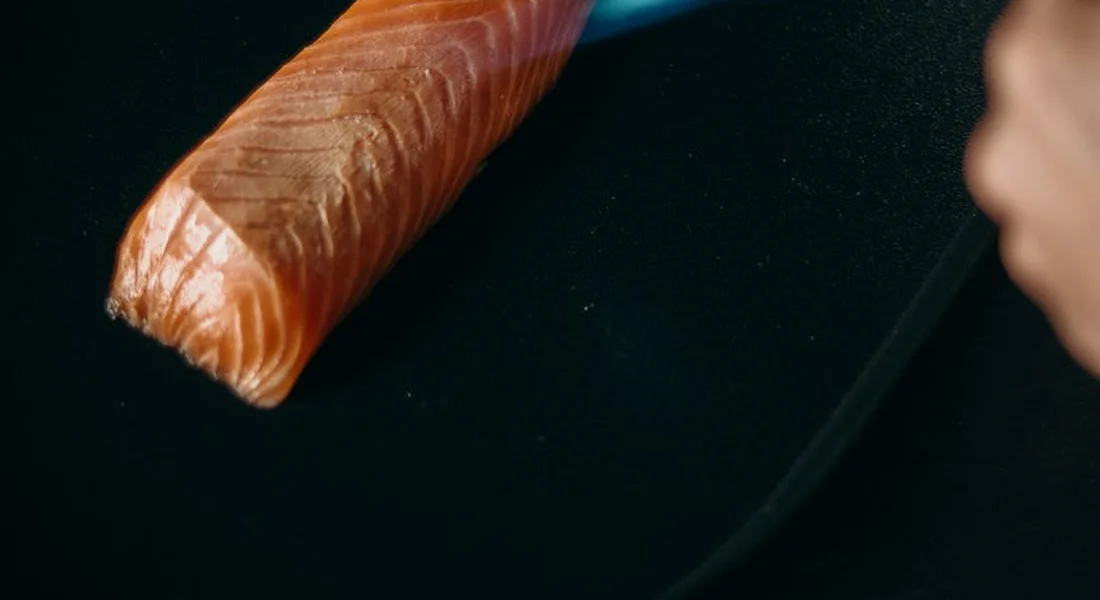
Think of your pan’s seasoning like a durable, non-stick coat of paint. The cooking fat you use is like the primer that goes on top of that paint job right before you start a project. It creates a slick, protective barrier between your food and the iron. Choosing the right one matters.
Your main consideration is the smoke point, which is the temperature at which an oil starts to burn and smoke. Using an oil past its smoke point can lead to a sticky, gummy mess on your pan and impart a bitter flavor to your food. For everyday cooking, you want a fat with a smoke point higher than your cooking temperature.
Let’s compare some common options:
- Avocado Oil: My personal favorite for high-heat work. It has a very high smoke point (around 520°F) and is neutral in flavor.
- Vegetable/Canola Oil: A reliable, affordable workhorse with a moderately high smoke point (around 400-450°F). It’s a great all-purpose choice.
- Lard or Beef Tallow: Traditional fats that our grandmothers swore by. They have a moderate smoke point and add incredible flavor, especially for frying or sautéing vegetables.
- Butter: Delicious, but with a low smoke point (around 300°F). It burns easily on its own, which we’ll address in a moment.
- Extra Virgin Olive Oil: Best reserved for low-heat cooking or finishing dishes. Its low smoke point and distinct flavor aren’t ideal for most cast iron searing.
How much should you use? Don’t be shy. You need enough fat to visibly coat the entire cooking surface in a thin, even layer. This isn’t about deep frying; it’s about ensuring every part of your food has that slick barrier to glide on. For my 10-inch skillet, that’s about a tablespoon for most tasks.
Timing is the final key. For most oils, you should add them after the pan is preheated. A hot pan causes the oil to thin and spread instantly, creating that perfect non-stick surface. If you add oil to a cold pan and then heat it, the oil can break down and become sticky before you even add your food.
Best High-Heat Oils for Searing
When you want a perfect crust on a steak or crispy chicken skin, you need high, consistent heat. This is where your high smoke point oils shine. I keep a bottle of refined avocado oil specifically for these jobs.
Here’s the simple process I use for a flawless sear:
- Preheat your dry pan over medium heat for a solid 3-5 minutes. It should be hot enough that a few drops of water flicked onto the surface sizzle and dance.
- Add your high-heat oil. It should shimmer and spread across the surface almost immediately.
- Let the oil heat for another 30-60 seconds until it just starts to show the faintest wisp of smoke. This is your signal that it’s ready.
- Carefully add your patted-dry protein. It should sizzle loudly the moment it touches the pan. Do not move it for a few minutes to allow that crust to form.
A hot pan, a high-smoke-point oil, and the patience to not move the food are the three pillars of a non-stick sear. The oil forms a protective layer that conducts heat efficiently and prevents the proteins from bonding directly to the iron.
Using Butter for Flavor Without the Burn
Butter makes everything better, but its low smoke point makes it tricky. I ruined many a piece of fish before I learned this simple two-step method. You don’t have to avoid butter, you just need to use it wisely.
The trick is to use a two-fat system. Start with a small amount of a high-smoke-point oil (like avocado or canola) to create the initial non-stick base. Cook your food most of the way through using that oil. Then, in the last minute or two of cooking, add your butter.
For example, when I cook pork chops, I sear them in avocado oil until they’re almost done. Then I toss a couple tablespoons of butter into the pan, maybe with some garlic and thyme. I tilt the pan and baste the chops with the foaming butter until they’re perfectly glazed. Adding butter at the end gives you all the rich flavor without the risk of burning and creating a sticky, blackened residue in your pan.
This method also works beautifully for eggs. Heat the pan with a bit of neutral oil, then add a small pat of butter just before the eggs go in. The butter browns gently around the edges of the eggs, adding flavor while the oil ensures nothing sticks. It’s especially useful when learning how to cook eggs in a cast iron skillet.
Is Your Seasoning Actually Non-Stick? How to Check
Many folks believe their pan is seasoned because it’s dark. A dark pan is a good sign, but color alone doesn’t guarantee a non-stick surface. A truly effective seasoning layer has a specific feel.
Run your fingertips over the cool, dry cooking surface of your best skillet. It should feel smooth and slick, like polished stone, not rough or gritty. This slickness is your built-in, natural non-stick coating.
The quality of your seasoning is the single biggest factor in answering the question, “does cast iron stick?” If food is sticking, your seasoning likely needs attention. If your skillet has sticky, flaky, or damaged surfaces, a proper fix and reseasoning can restore it. In the next steps, we’ll cover how to repair and reseason to solve these issues.
The Simple Paper Towel Test
Your eyes and fingers are great tools, but here’s a foolproof check I use in my own kitchen. You only need a dry paper towel and your cool, clean pan.
- Make sure your pan is completely cool and dry.
- Tear off a small piece of a plain, dry paper towel.
- Gently rub it across the center of the cooking surface.
If your seasoning is in good shape, the paper towel will glide with almost no resistance. You shouldn’t feel it catching or snagging. If it drags, leaves behind tiny flecks, or feels rough, your seasoning is thin, patchy, or uneven. Think of it like checking a painted wall for smoothness before adding another coat.
What a “Slick” Seasoning Really Is
It helps to understand what you’re touching. That slick layer isn’t raw metal. It’s a thin, hard polymer created when oil is heated past its smoke point. Over many layers, this builds a durable, slick shield.
A rough or sticky surface often means old food carbon, weak seasoning, or a combination of both. This is what grabs onto your eggs or fish. The good news? You can fix it. A proper cleaning followed by a round of seasoning can restore that glide.
My own daily driver skillet passed the paper towel test for years. Then one day, it started to drag. I realized I’d been scrubbing too aggressively after cooking. I gave it one fresh seasoning layer in the oven, and the smooth glide returned. Your pan will tell you what it needs, if you know how to listen.
The Cook’s Technique: Your Moment-by-Moment Guide
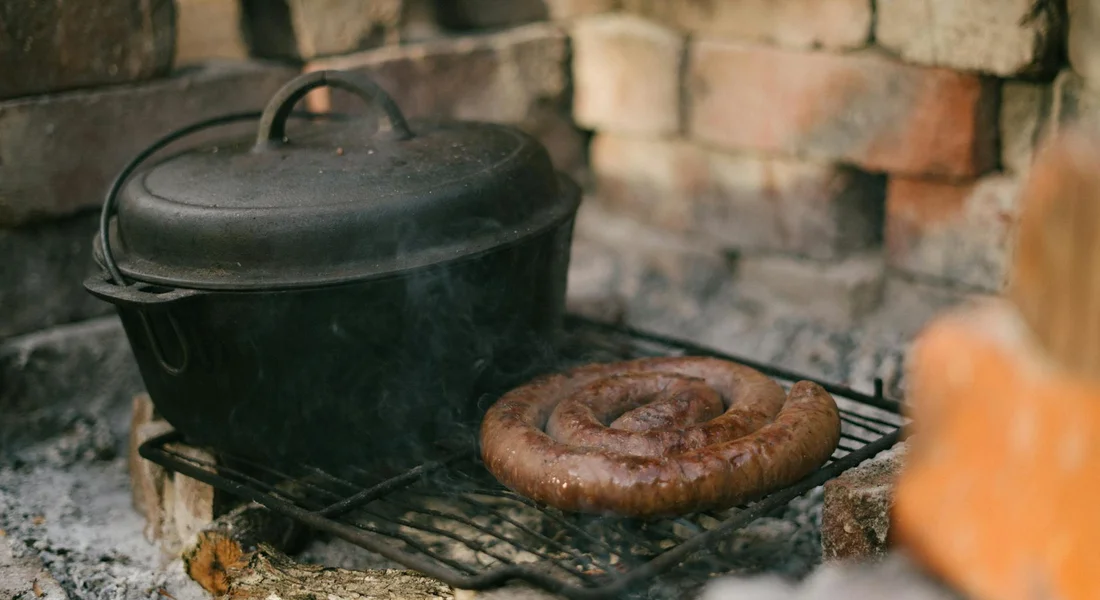
Perfect cooking on cast iron is a simple, five-step dance. Get the order right, and your food glides. Rush or skip a step, and it grips the pan. Cooking on cast iron is an art that requires attention and care.
- Preheat Low and Slow
- Add Your Cooking Fat
- Add the Food
- Wait for the Release
- Then, and Only Then, Move It
Let’s break it down.
First, preheat your pan. I place my cold skillet on a low to medium-low burner for a full five minutes. You want the entire pan, not just the bottom, to come up to temperature evenly. A good test is to flick a few drops of water onto the surface. They should skitter and dance, not immediately boil away.
An evenly heated pan is the single most important factor in preventing food from sticking.
Next, add your fat. Oil, butter, lard, it all works. Swirl it to coat the cooking surface. The fat fills in microscopic pores in the seasoning and creates a slick barrier. Wait until the fat is shimmering but not smoking before you add your food. That sizzle when the food hits the pan? That’s what you want to hear.
Now, the hardest part: patience. When you add that chicken breast or fish fillet, leave it alone. Poking, prodding, or trying to flip it early will tear it away from the natural crust that’s forming. That crust is what will eventually release the food on its own.
Wait until you see the edges of the food begin to brown and lift slightly from the pan. You can often give the pan a gentle shake. If the food slides freely, it’s ready to flip or remove. If it resists, give it another minute.
For notoriously sticky items, a little extra strategy helps. Fish skin needs that super-hot, pre-oiled surface and absolute stillness. For cheesy dishes like a frittata, I make sure my initial layer of food (like potatoes) has created a solid base before the cheese ever touches the pan. Starchy things like pancakes also benefit from that well-established initial sear before moving.
Mastering Eggs in Cast Iron
Eggs are the ultimate test of your technique and your pan’s seasoning. The goal is tender, slidey eggs, not a frustrating scrubbing session afterward.
Forget high heat. I cook my eggs on a stable low to medium-low setting. I let the pan preheat thoroughly, then add a generous pat of butter or a tablespoon of oil. The fat should coat the entire cooking area. I wait for the butter’s foam to subside or the oil to shimmer.
Gently add the eggs. Then, I do not touch them. I let the whites set completely around the edges. Low, steady heat allows the egg proteins to set gently without immediately fusing to the seasoning.
When the whites are fully opaque and the edges are slightly curled, they will release. A thin metal spatula slid underneath gets them out cleanly. If they stick, your heat was likely too high, your fat too little, or you moved them too soon. It’s a lesson, not a failure. Clean up is simple with a little hot water and a soft scrubber.
Getting a Perfect Sear on Meat Without Sticking
A great sear means flavor, and cast iron is the best tool for it. Sticking happens when the meat is forced off the pan before it’s ready to let go.
My method is non-negotiable. I take a steak or chop straight from the fridge, pat it bone-dry with paper towels, and season it. Moisture is the enemy of searing. Meanwhile, my pan is preheating on medium heat for a solid five to seven minutes. It needs to be properly hot.
I add a high-smoke-point oil like avocado or grape seed, just enough to coat the bottom. When the oil is lightly shimmering, I lay the meat down firmly, so the entire surface makes contact. It will hiss loudly.
Then, I set a timer. For a one-inch steak, I leave it completely untouched for a full two minutes. I resist every urge to peek or shift it. During this time, the meat is forming a caramelized crust that will naturally detach from the pan’s surface.
When I see the browned edges creeping up the sides, I know it’s time. I use tongs or a thin spatula to gently lift a corner. If it resists, I give it another thirty seconds. When it releases easily, I flip it once to sear the other side. This patience is what gives you that restaurant-quality, non-stick sear every single time.
Why Does My Cast Iron Still Stick After I Seasoned It?
You followed all the steps. You oiled your pan and baked it in the oven, expecting a slick, non-stick finish. But the first time you cook, your eggs fuse to the surface. It’s incredibly frustrating, and I’ve been there myself. This sticking usually happens because the seasoning process didn’t create a hard, polymerized layer, or because your cooking technique is working against the pan’s natural properties.
Let’s tackle the most common reasons, which often answer the searches for “cast iron sticking after seasoning” and “cast iron sticking after seasoning in oven.”
- Sticky, Gummy Residue: This is the #1 culprit. If you used too much oil during seasoning, it couldn’t fully polymerize. Instead of baking into a hard coat, it baked into a soft, tacky layer that food bonds to.
- Uneven or Insufficient Heat: Cast iron needs time to heat evenly. If your pan is cold or has hot spots when you add food, the proteins and starches will grab onto the metal before a natural release layer can form.
- Overly Aggressive Cleaning: Scrubbing with steel wool or abrasive cleaners after every use can wear down the seasoning layer you’re trying to build, exposing tiny pores of raw iron that food sticks to.
To diagnose your issue, run a simple test. After washing and drying your pan, rub the cooking surface with your fingertip. Does it feel completely smooth and dry, or is there a slight tacky or oily drag? Tackiness means your seasoning is gummy. If it’s smooth, the issue is likely your preheating routine or the need for more cooking-layer buildup.
Fixing a Sticky, Gummy Seasoning Layer
A sticky pan isn’t a lost cause. It just needs more heat to finish the job you started. Think of it like painting a wall. If you put on a second coat before the first is dry, you get a gooey mess. Your goal is to “bake dry” that excess oil, transforming it from a sticky residue into a proper, hard seasoning layer. I keep an old, sticky skillet around just to demonstrate this fix.
The Stovetop Fix for Spot Treatment
You don’t always need to strip the whole pan. For minor gumminess or a sticky spot, the stovetop method is perfect. It applies intense, focused heat to finish polymerization.
- Place your completely dry pan on a stove burner set to medium-low heat.
- Let it warm up for 3-5 minutes. You want it hot, but not smoking-hot.
- Using a dry, folded paper towel, gently rub the sticky area. The heat will often begin to smooth the finish as you rub.
- Continue heating for another 10-15 minutes, letting the pan slowly bake dry. You may see a wisp of smoke-that’s the oil finally curing.
- Turn off the heat and let the pan cool completely on the burner. Wipe it with a tiny drop of oil before storing.
This process essentially continues the seasoning cycle right where you left off.
When to Strip and Re-season Completely
Sometimes, the sticky layer is too thick or widespread for a spot fix. If your entire cooking surface feels tacky or leaves a brown residue on a white paper towel, a fresh start is more effective.
You should consider a full strip and re-season when the gumminess is thick enough to peel or when it consistently ruins every meal you cook. A thick, gummy layer won’t heat evenly and will continue to cause sticking. Starting over is not a failure; it’s a standard part of cast iron stewardship. I do it to my own pieces every few years to maintain a perfect base layer.
Common Cast Iron Mistakes That Cause Sticking
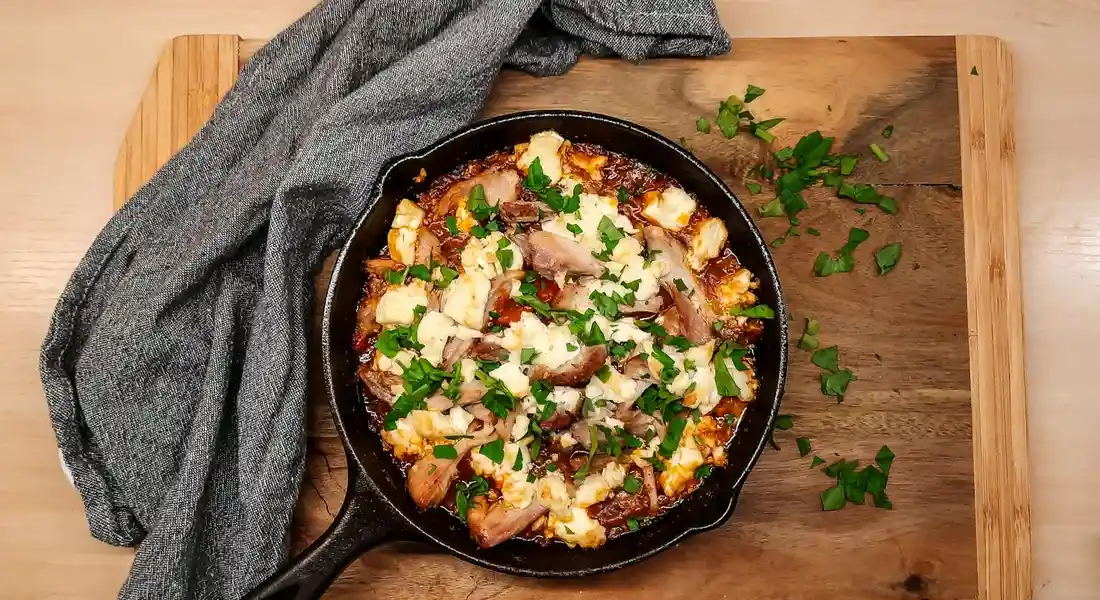
When food sticks, it’s easy to blame the pan. I’ve done it. More often, the issue is a small error in our routine. Fixing these habits is easier than you think and makes a dramatic difference.
Let’s look at the most frequent offenders and how to correct them.
Mistake: Rushing the Preheating Process
This is the number one reason for sticking. A cold pan doesn’t have a non-stick surface, it has microscopic pores. When you add fat and food to a cold surface, the food sinks into those pores and bonds as the metal expands. You’re essentially welding your breakfast to the skillet.
The corrective habit is simple: low and slow preheating.
- Place your dry pan on a burner set to low or medium-low.
- Let it heat for a full 5 minutes. You should be able to feel a strong radiant heat when you hold your hand a few inches above the surface.
- Only then do you add your cooking oil or fat. It should shimmer and thin out immediately, not just sit there in a cold blob.
Think of preheating like warming up an engine on a cold day; it ensures everything works smoothly when you need it to perform.
Mistake: Moving Your Food Too Early
Impatience at the flip is a close second. Proteins like chicken, fish, or steak form a natural bond with the cooking surface. If you try to move them before that bond is ready to release, you’ll tear it, leaving delicious, crispy bits stuck to the pan.
The corrective habit is to wait for the release. Food will tell you when it’s ready.
- After placing your item in the hot, oiled pan, leave it alone. Don’t poke, prod, or peek for at least a few minutes.
- When the underside is properly seared and ready to flip, it will release its grip naturally. Try gently sliding a spatula underneath. If it resists, give it another minute.
It’s like a glued label; if you try to peel it off too soon, it rips. Let the “glue” cook through, and it comes off cleanly.
Mistake: Using Destructive Cleaning Tools
How you clean directly impacts your pan’s ability to prevent sticking tomorrow. A rough scrubber doesn’t just remove food, it scrapes away the very seasoning you’re trying to build and maintain.
The corrective habit is to match your tool to the job. Here’s a quick comparison:
| Tool | Best For | Why It’s Better |
| Nylon brush or scraper | Everyday cleaning, loosening soft bits | Gentle on seasoning, effective on food |
| Chainmail scrubber | Stuck-on bits without soap, light rust | Scrapes food but polishes the metal, doesn’t gouge |
| Coarse kosher salt paste | Abrasive cleaning without water | Lifts residue while absorbing oils, no risk of rust |
| Steel wool or abrasive sponge | Stripping seasoning intentionally | Too aggressive for maintenance; destroys your non-stick layer |
My chainmail scrubber lives by my sink because it tackles the tough stuff while leaving my hard-earned seasoning intact.
How to Clean Your Pan Without Ruining Its Non-Stick Power
Your skillet’s non-stick surface is a hard-won layer of baked-on oil called seasoning. Proper cleaning protects this layer instead of stripping it away.
The best time to clean is right after cooking, while the pan is still warm. Let it cool just enough to handle safely. Pour out any excess grease and scrape up large food bits with a metal spatula. Using the right tools and method makes clean-up quicker and safer. In the next steps, you’ll find tips on the best tools and methods for cleaning cast iron skillets.
For everyday cleaning, I use hot water and a soft-bristle brush or a dedicated nylon scrubber. A quick scrub under hot running water removes most residues without needing anything else. For stuck-on bits, make a paste with a handful of coarse salt and a teaspoon of water. The salt acts as a gentle abrasive to scrub the spot away without damaging the seasoning underneath.
When a Little Soap is Actually Helpful
Many people fear soap will ruin their pan. This was true decades ago when soaps contained lye, which eats seasoning. Modern dish soaps are mild detergents. Using a drop of modern dish soap on a pan that’s gummy or has stubborn, baked-on grease will not harm your well-established seasoning. It simply washes away excess oil and food residue, leaving your polymerized seasoning layer intact.
Think of it this way: seasoning is a chemical bond, not a coat of paint that soap can wash off. I use soap on my daily driver skillet whenever I’ve cooked something particularly greasy, like bacon, and it performs just as well the next time I use it.
The Right Way to Dry Your Cast Iron
This is the single most important step to prevent rust and maintain your pan. Water is cast iron’s only real enemy. If you ever see rust, you’ll want to know how to fix and prevent rust on cast iron cookware.
Do not just let your pan air dry. After rinsing, immediately dry it thoroughly with a clean towel. Then, place the dry pan on a stovetop burner over low to medium heat for 3-5 minutes. This drives off any microscopic moisture hiding in the pores of the iron and around the rim. That quick heat-dry primes the pan for the next step in your post-use clean-up routine. Our clean cast iron pan after cooking post-use guide provides a complete, step-by-step cleanup.
You’ll know it’s done when the entire pan feels warm to the touch and any visual dampness is gone. This stove-top drying method is foolproof.
Once the pan is completely dry and still slightly warm, take a paper towel and apply the tiniest amount of oil-less than half a teaspoon for a 10-inch skillet. Wipe the entire interior surface, then use a clean paper towel to buff it almost completely dry. This microscopic “maintenance coat” of oil protects the iron until your next cook and builds your seasoning over time. You’re not cooking the oil on now; you’re just putting a protective barrier in place. Keep this routine in mind as you learn how to clean and maintain your cast iron skillet after cooking in the next steps. We’ll guide you through quick post-cook care to keep the seasoning strong.
Maintaining the Magic: Easy Routine Re-seasoning
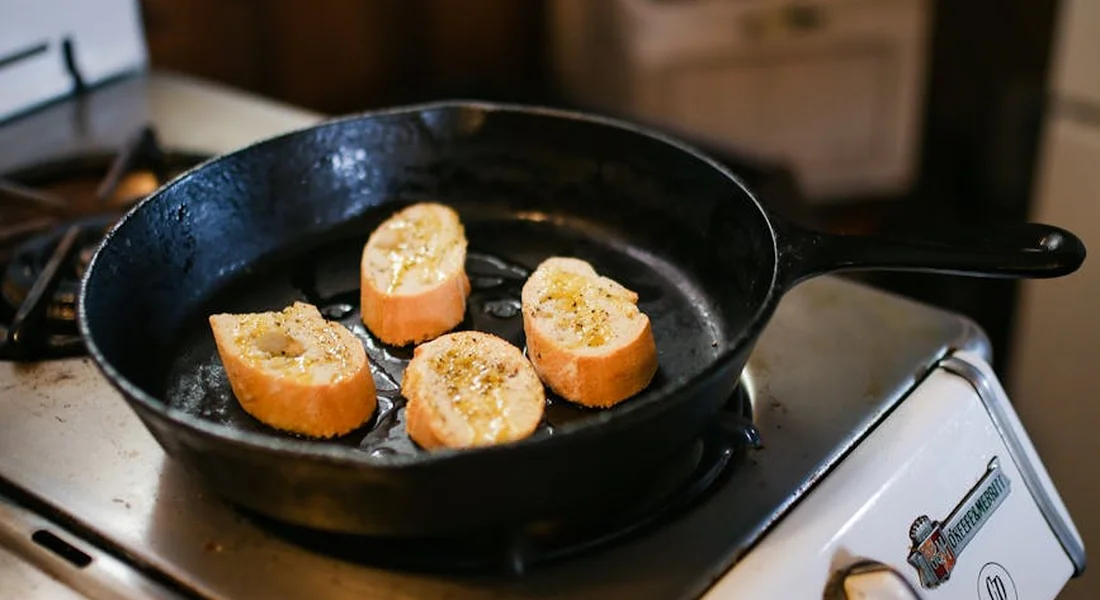
Think of your pan’s seasoning like a well-loved leather jacket. With regular use, it develops a beautiful character. Sometimes, it just needs a quick polish to shine. Other times, a deeper conditioning is required. Maintenance seasoning is far simpler than starting from bare iron because you’re building on a solid foundation, not creating one from scratch.
You will learn to choose between two methods. The stovetop refresh is for upkeep. The oven session is for repair and reinforcement.
- Choose the 5-minute stovetop method when your pan looks dry, feels slightly rough, or food has recently left a stubborn residue. It’s your weekly or bi-weekly polish.
- Choose the full oven method when you see small, dull patches, notice a spot of bare metal after scrubbing off rust, or if the surface feels consistently sticky. This is your deep conditioning.
The 5-Minute Stovetop Seasoning Refresh
This is my go-to for keeping my daily driver skillet in top form. I do this about once a week after cleaning.
- After washing and drying your pan, place it on a medium-low burner for 2-3 minutes. You want it just warm to the touch, not screaming hot.
- Add about a half teaspoon of your preferred oil (grapeseed, avocado, or crisco shortening work well) to the warm pan.
- Use a folded paper towel and tongs to wipe a thin, even layer of oil over the entire cooking surface, the sides, and even the handle. The goal is to make the pan look lightly moist, not wet or glossy.
- Turn the heat up to medium. Let the pan heat for 3-5 minutes. You’ll see the oil begin to smoke slightly and the surface will change from shiny to dry-looking. This is the oil polymerizing.
- Turn off the heat and let the pan cool on the burner. That’s it. You’ve just reinforced your seasoning.
How to Bake On a Durable New Seasoning Layer
Use this method when your pan needs more than a quick touch-up. It’s like patching a chip in paint before applying a fresh, protective topcoat. The oven provides even, all-over heat that creates a remarkably tough layer.
- Preheat your oven to 450°F (232°C). Place a sheet of aluminum foil or a baking sheet on the bottom rack to catch any potential drips.
- Wash your pan thoroughly, dry it completely, then warm it in the oven or on the stovetop for a minute to ensure no moisture remains.
- Apply a tiny amount of oil (less than a teaspoon for a 10-inch skillet) with a paper towel. Wipe the entire pan, inside and out.
- Now, take a fresh, clean paper towel and deliberately wipe the pan again. This second wipe is non-negotiable; you are trying to remove all the oil you just applied, leaving only a microscopic layer behind. If the surface looks oily, you used too much.
- Place the pan upside down on the middle oven rack. This prevents pooling. Bake for one hour.
- Turn off the oven and let the pan cool completely inside it. Rushing this cooling phase can cause the new seasoning to flake. Be patient.
One oven session often does the trick. For a badly damaged pan, you might repeat steps 3 through 6 two or three times. Each cycle builds a stronger, more resilient surface that makes your pan naturally more non-stick with every use.
Quick Answers
My pan is sticky after I seasoned it in the oven. What went wrong?
The most common cause is using too much oil, which creates a gummy, unpolymerized layer instead of a hard finish. To fix it, heat the pan on the stovetop over medium-low heat for 15-20 minutes to bake it dry, then let it cool completely. For a severe, tacky coat, you may need to strip it and apply a new, very thin layer of oil.
My seasoning looks black, but food still sticks. Isn’t color enough?
Color is not a reliable indicator of a slick surface. A true non-stick seasoning feels smooth and dry to the touch, like polished stone. Perform the paper towel test-if it snags, your pan needs a maintenance seasoning or your cooking technique needs adjustment.
I’ve done everything right. Could the problem be my stove?
Absolutely. Electric coils and induction burners can create intense, localized hot spots that bypass an even preheat. Compensate by preheating on a lower setting for a longer time and swirling your oil to coat the entire surface before adding food. Learning your stove’s behavior is part of mastering cast iron.
Building and Maintaining Your Seasoning
The best way to stop food from sticking is to always preheat your cast iron skillet fully before adding oil or ingredients. This practice, combined with a thin layer of oil, trains the seasoning to become more resilient and naturally non-stick with every meal you cook. For continued success, you might find our articles on preventing food from sticking to pans and cookware, stripping old seasoning, or selecting the right cleaning tools helpful for your cast iron journey.
Deep Dive: Further Reading
- How to Keep Food From Sticking to Cast Iron – Lodge Cast Iron
- equipment – What causes sticking and what can I do to reduce food sticking to my cast-iron skillet? – Seasoned Advice
- r/castiron on Reddit: WHY does EVERYTHING keep sticking to my cast iron pan?
- What can I do if food is always sticking to my cast-iron pan after I cook? – Quora
- Tips to Ensure Non-Stick Cooking with Cast Iron
- Food is stuck in my cast iron pan…I read I should put water in it and boil it, but won’t that… (cooking forum at permies)
Joseph Gerald
A material science expert by profession, Joseph is also an avid cook. He combines his 10+ years expertise in material science and metallurgy with his passion for cast iron cookware to bring you best hands on advice. His expertise ranges from types of cast iron cookware to best seasoning tips as well as restoration of vintage cast iron utensils. Joe is here to help you solve all your cast iron cookware queries and questions.