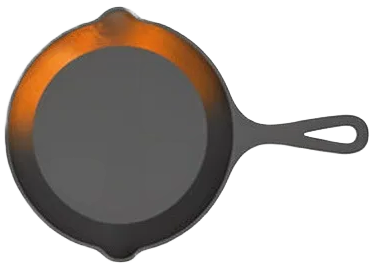
Cast Iron or Stainless Steel: Which Pan Belongs in Your Kitchen?
Staring at a shiny stainless steel pan next to your well-seasoned cast iron, you might wonder which one is truly better for your daily cooking. This choice often comes down to how much time you want to spend on upkeep versus the unique benefits each material offers.
- How cast iron’s built-in non-stick layer stacks up against stainless steel’s slick surface.
- The real difference in cleaning and maintenance between the two.
- Which material holds heat better for searing and slow cooking.
- My personal take on when to reach for each pan in my own kitchen.
The Core Differences: A Quick Side-by-Side Look
Think of this as choosing between two reliable vehicles for different trips. My great-grandmother’s cast iron skillet is like a sturdy, old pickup truck. It’s heavy, holds onto heat for miles, and gets better with character. A good stainless steel pan is more like a modern sedan. It’s lighter, responds quickly to your touch, and cleans up with minimal fuss. Neither is universally “better.” They are different tools designed for different jobs in your kitchen.
| Feature | Cast Iron | Stainless Steel |
|---|---|---|
| Weight | Very Heavy | Moderate to Light |
| Heat Retention | Exceptional. Heats slowly, cools slowly. | Poor. Heats quickly, cools quickly. |
| Surface Reactivity | Reactive unless seasoned. Can impart iron (a pro for some). | Mostly non-reactive. Won’t interact with acidic foods. |
| Maintenance | Requires seasoning. Hand-wash and dry promptly. | Dishwasher safe. No special coating to maintain. |
| Upfront Cost | Generally low, lasts for generations. | Moderate to high for quality clad pieces. |
The choice often comes down to whether you value unshakable, even heat (cast iron) or fast, controllable heat (stainless steel).
How Cast Iron and Stainless Steel Perform in the Heat
This is where their differences truly matter for your cooking. Cast iron has high thermal mass. It’s like a thick stone wall that takes time to warm up but stays warm long after the sun goes down. Stainless steel, especially the thinner, cheaper kinds, has low thermal mass. It’s more like a thin metal sheet that gets hot fast but also loses heat the moment you turn down the flame.
For a perfect, dark crust on a steak or crispy-skinned chicken thighs, cast iron’s steady, radiating heat is unmatched. That same quality makes it terrible for tasks where you need to adjust temperature rapidly, like reducing a pan sauce or sautéing delicate garlic. For those jobs, stainless steel’s responsive heating is your best friend. It’s all about knowing how cast iron’s heat retention affects your cooking and when to use it.
Now, the big question: non-stick performance. A well-seasoned cast iron skillet develops a slick, polymerized oil layer that improves with use. It’s a cultivated non-stick surface. Stainless steel has no such coating. To prevent food from sticking to stainless, you must preheat the pan properly and use adequate fat. Stainless steel requires good technique to be non-stick; cast iron builds a non-stick surface through care over time. My rule is simple: grab the cast iron for searing, baking cornbread, or frying eggs. Reach for stainless when you’re making a quick pan sauce, boiling pasta, or cooking with lots of tomatoes or wine.
Can You Use Cast Iron and Stainless Steel Together?
Yes, you can mix them in your kitchen arsenal, but you need to be mindful. Using a stainless steel spatula or spoon in your cast iron pan is generally fine if you’re gentle. I do it all the time. The seasoning is tougher than many think. What you must avoid is stacking them haphazardly in the sink or dishwasher. The hard, machined edges of stainless steel will scratch and gouge the softer cast iron surface. Always give your cast iron its own space to dry.
You might also wonder about using a stainless steel steaming rack inside a cast iron Dutch oven, or storing them while damp. This can create a condition called galvanic corrosion, where two dissimilar metals in contact with an electrolyte (like water or food) can cause one to corrode faster. In practical terms, don’t leave a wet stainless lid on a wet cast iron pot for days. For short-term cooking or if everything is thoroughly dry, it’s not something I lose sleep over with my own pieces. Just keep things clean and dry.
The Care and Keeping of Your Pans
This is where your daily relationship with the pan is defined. The routines are different, and picking the one that fits your life is key.
Cast iron needs a living layer of seasoning to perform. Think of it like caring for a wooden cutting board, not scrubbing a glass plate. After cooking, let the pan cool slightly. I then use hot water and a stiff brush or a dedicated chainmail scrubber for any stuck bits. A little soap is fine today, despite the old myth. The critical step is drying it immediately and completely, which stops rust before it can start. I always put my just washed skillet on a warm burner for a minute to evaporate every drop of water. Following these steps is crucial to keep your skillet in top shape.
Every few months, or if the surface looks dull or patchy, I give it a fresh coat of seasoning. This means wiping on a microscopically thin layer of oil and baking it in a hot oven. It’s not a weekly chore, but it is a ritual that renews the non stick surface and protects the iron.
Stainless steel care is simpler on the surface. You can scrub it aggressively with steel wool, run it through the dishwasher, and you never worry about rust. For everyday cleaning, it’s undeniably easier. Its main challenge isn’t damage, but achieving a spotless, streak free shine after searing meats or cooking starches. A paste of Barkeeper’s Friend and a bit of elbow grease will remove most stains and cloudiness, which is a more straightforward fix than restoring cast iron seasoning.
What Happens When Maintenance is Ignored?
Neglect shows up differently on each material, but neither is a death sentence.
Leave a wet cast iron pan in the sink, and you’ll likely find orange rust spots by morning. This is the iron reacting with oxygen and water. It looks scary, but it’s almost always fixable with a thorough scrubbing and re seasoning. The real enemy is leaving it for months, allowing pitting to damage the metal itself. Rust on cast iron should be addressed promptly to maintain your cookware.
With stainless steel, you won’t get rust. Instead, you get a permanent cloudy film or rainbow like discoloration from high heat. Over time, mineral deposits from hard water can etch the surface, leaving a rough, pitted texture that’s difficult to polish smooth again. Both materials are remarkably resilient, and most common forms of neglect can be reversed with the right restoration approach. A rusted cast iron skillet can be stripped and seasoned anew, and a clouded stainless pot can often be returned to a mirror finish.
Choosing Specific Pieces: Dutch Ovens, Griddles, and More
Some kitchen tasks clearly favor one material over the other. Let’s look at common pieces.
For a Dutch oven, you’re often choosing between enameled cast iron and stainless steel. The enameled version, like those from major French brands, is superb for slow, moist cooking. The enamel prevents acid from reacting with the iron, so you can simmer tomato sauce for hours. A tall stainless steel stockpot, however, is lighter and better for boiling large volumes of water for pasta or making clear broths where even heat distribution is the only goal.
A cast iron griddle or grill pan excels at creating a superior sear and those iconic grill marks because it holds so much heat. You do need to keep its large cooking surface well seasoned. A stainless steel grill pan can also create marks, but it lacks the natural non stick properties. Cleaning the grooves in a stainless grill pan after cooking burgers or chops can be a tedious chore of scrouting out stuck on food, while a seasoned cast iron griddle often just needs a quick wipe.
Accessories often work well across types. A stainless steel round trivet or grill rack is perfect for use with cast iron. It won’t scratch enamel, and it’s easy to clean if drippings fall on it. Just ensure any stainless accessory is high quality (18/10 or 304 grade) to avoid any risk of rusting itself, which could transfer to your cast iron. The same principle extends to utensils—use tools that are safe for enameled cast iron. Opt for non-abrasive utensils to protect the enamel from scratches.
Making Your Choice: Listen to Your Cooking Style
Choosing a pan isn’t just about material science. It’s about your habits, your kitchen, and what you enjoy. The best way to decide is to ask yourself a few honest questions.
Three Questions to Ask Yourself
Your answers here will point you in the right direction.
- Do you mind a short cleaning and drying ritual? Cast iron needs a quick post-meal routine: a gentle scrub, a thorough dry, and sometimes a tiny wipe of oil. If that sounds like a comforting ritual, you’ll love it. If it sounds like a deal-breaking chore, stainless’s dishwasher-safe ease might be your better match.
- Do you cook a lot of acidic foods? Think weekly tomato sauces, long-simmered wine braises, or frequent lemon pan sauces. For frequent acidic cooking, stainless steel’s inert surface is the clear and worry-free choice. You can cook these in a well-seasoned cast iron skillet, but it requires a robust seasoning layer and prompt cleaning to maintain it.
- Is the pan’s weight a concern for you? A 12-inch cast iron skillet is a serious piece of hardware. If you have limited wrist strength, storage space, or simply prefer a lighter pan you can easily flip and toss food in, a clad stainless steel pan of the same size will feel remarkably agile.
The Winning Combo: Why Not Both?
You don’t have to pick one team. In fact, I believe most cooks are best served by having both materials on hand. They cover for each other’s weaknesses perfectly.
Think of them as specialized tools, not rivals. Use your stainless saucepan for boiling pasta and making tomato sauce. Use your cast iron skillet for searing steaks and baking cornbread. Your stainless pot handles the acidic, watery, and boiled tasks. Your cast iron excels at frying, baking, and developing those legendary, sticky sears.
My Daily Drivers
In my own kitchen, this isn’t a theoretical debate. It’s my daily reality. My 12-inch cast iron skillet and my 3-quart stainless saucepan are the two pieces I reach for constantly. The skillet is for creating a perfect crust. The saucepan is for everything that might challenge that crust. Together, they handle about 80% of my cooking, and neither could do the other’s job as well.
Common Questions
Can I safely use stainless steel utensils on my cast iron?
Yes, you can, but be mindful. Use gentle pressure with quality, smooth-edged stainless utensils to avoid gouging the seasoning. Avoid harsh scraping or metal tools with sharp corners, which can strip the polymerized layer you’ve worked hard to build.
Is it okay to store my cast iron Dutch oven with its stainless steel lid on?
Only if both pieces are bone-dry. Trapped moisture between the two different metals can accelerate galvanic corrosion, potentially causing pitting on the cast iron. For long-term storage, keep the lid slightly ajar or use a cloth liner between them to ensure air circulation.
How do I care for a cast iron griddle compared to a stainless steel one?
A cast iron griddle‘s large surface demands consistent, thin seasoning coats after each wash to maintain its non-stick character. A stainless steel griddle requires no seasoning, but its open grooves make scrubbing out stuck-on food the primary chore. For both, immediate cleaning after use is the key to easy maintenance.
Your Cast Iron, For Life
Choose cast iron for the way it rewards a little regular care with a lifetime of dependable cooking. Your most important job is to keep that seasoning layer intact by drying the pan thoroughly after every wash and giving it a quick oil rub while it’s still warm. Keeping it clean between uses makes the next seasoning easier. In the next steps, we’ll show you a simple clean, season, and maintain routine for your cast iron skillet. You can find more on starting that seasoning or bringing old skillets back to life right here on the site.
Relevant Resources for Further Exploration
- Cast Iron vs Stainless Steel: Which is Better for Your Kitchen? | Misen
- r/Cooking on Reddit: Cast iron vs carbon steel vs stainless steel
- Cast Iron vs. Stainless Steel: What’s the Difference? – Made In
Joseph Gerald
A material science expert by profession, Joseph is also an avid cook. He combines his 10+ years expertise in material science and metallurgy with his passion for cast iron cookware to bring you best hands on advice. His expertise ranges from types of cast iron cookware to best seasoning tips as well as restoration of vintage cast iron utensils. Joe is here to help you solve all your cast iron cookware queries and questions.