Cast Iron vs. Carbon Steel: Which Is Easier to Maintain?
You love your cast iron, but maybe you’ve eyed a carbon steel pan and wondered if it’s less work. From my bench, I can tell you the maintenance story isn’t about good or bad, but about which fits your kitchen rhythm.
Here’s what we’ll cover, straight from my own collection:
- The real difference in how each pan takes a seasoning.
- Daily cleaning: what you can and can’t get away with.
- How each metal handles heat, moisture, and the occasional mistake.
Key Takeaways: The Short Answer to Your Maintenance Questions
Looking after cast iron and carbon steel is not the same chore. Cast iron maintenance is about building a robust, long lasting shield, while carbon steel care focuses on preserving a delicate, high performance coating.
Both materials absolutely need seasoning to prevent rust and create a non stick surface. But the thick, heavy nature of cast iron makes it more tolerant of small mistakes, like leaving a bit of water in the pan. Its mass holds heat for so long that it often dries itself. Seasoning creates a protective patina that makes cast iron non stick and rust resistant. That’s why cast iron seasoning is important to maintain performance.
Carbon steel reacts to temperature changes quickly. This fast heating and cooling can stress a new seasoning layer, so you must be more careful not to shock the pan during cooking or cleaning.
I like to picture it like this. Cast iron is like a sturdy, old tree: it establishes deep roots, weathers rough conditions, and endures with minimal fuss. By comparison, carbon steel is like a resilient, young sapling: it grows fast and is very strong, but it benefits from consistent, attentive care.
How They’re Built: Why Material Matters for Maintenance
You cannot separate how a pan is made from how you must care for it. Cast iron is created by pouring molten iron into a mold, which leaves a textured, micro porous surface. Carbon steel begins as a flat sheet of metal that is rolled very thin and then pressed into shape, yielding a much smoother finish.
This manufacturing difference is the root of all maintenance routines. The surface texture determines how seasoning adheres, and the pan’s weight directly affects your cleaning and drying process.
Cast iron’s famous heat retention comes from its density, but that weight also means a full scrub down is a more deliberate task. Carbon steel heats evenly but loses heat faster, a trait that influences how you manage its temperature during and after cooking to protect the seasoning. Understanding these differences is key to optimal cookware care.
The Cast Iron Makeup: Rough, Porous, and Heavy
Run your fingers over a new cast iron skillet. You will feel a pebbled, almost sandy texture. This roughness is not a flaw; it is the key reason cast iron requires a thick, layered seasoning to fill those pores and create a smooth cooking surface.
That substantial weight provides incredible stability on the burner. However, its heft makes it awkward to wash frequently, which is why many cooks, myself included, often clean our cast iron with a simple salt scrub or wipe instead of a full sink soak. My daily driver is a heavy 10 inch pan that I almost never submerge.
The Carbon Steel Makeup: Smooth, Thin, and Light
A new carbon steel pan often has a slick, almost shiny surface from the factory. This smooth finish allows carbon steel to develop a very fine, enamel like seasoning that can achieve an exceptional slide for eggs. Because the layer is so thin, it can be more easily compromised by metal utensils or abrasive cleaning.
The lightweight design is a major advantage for daily maintenance. You can comfortably hold a carbon steel pan in one hand, making it effortless to give it a thorough wash and an immediate, complete dry over a warm stove. This practicality makes it easier to form rust preventing habits.
Seasoning Both Pans: A Side-by-Step Guide to the Foundation
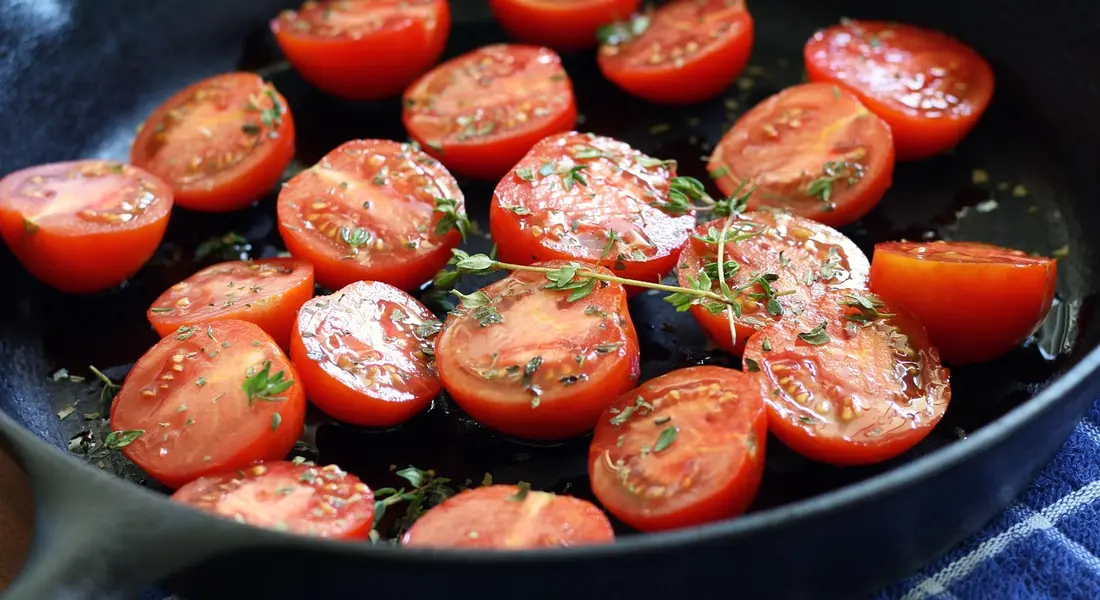
Think of seasoning like putting a protective coat of paint on a piece of raw wood. The process is similar for both cast iron and carbon steel, but the material changes how you apply it. Whether you’re working on a brand-new Lodge skillet or a crusty old find from a flea market, the goal is the same.
Your entire “maintenance kit” for this job is refreshingly simple and works for both metals. You need: a high-smoke-point oil (like grapeseed, canola, or refined avocado), clean paper towels or cotton cloths, an oven, and some patience. That’s it.
The Shared Goal: Building Your Polymerized Shield
Seasoning isn’t about oil soaking in. It’s a chemical change. When you heat oil past its smoke point, it bonds to the metal and transforms into a hard, slick polymer layer. This polymerized layer is your pan’s non-stick, rust-proof shield.
I see this confusion a lot. A pre-seasoned pan, whether from Lodge or a carbon steel maker, has one thin factory-applied layer. It’s a good head start, but it’s not a magical, maintenance-free finish. You still need to build on it and care for it.
Seasoning Cast Iron: The Patient, Layered Approach
Cast iron is porous. It feels a bit like sandpaper. Because of this texture, it loves to hold onto that first few coats of oil, making a thick, durable base. I always treat a new or stripped piece with multiple rounds.
My method for cast iron is straightforward.
- Scrub the pan clean and dry it completely. I always give my flea-market finds an extra scrub with coarse salt and a potato to be sure.
- Apply the thinnest possible coat of oil. Wipe it on, then use a fresh paper towel to wipe it all off like you made a mistake. What’s left is the perfect amount.
- Bake it upside-down in a 450°F oven for one hour. This lets any excess oil drip off instead of pooling.
- Turn off the oven and let the pan cool completely inside.
- Repeat steps 2 through 4 at least two more times for a new pan.
That layered patience pays off with a resilient base that can handle decades of use. For a Lodge pre-seasoned skillet, you’re not starting from zero. Their seasoning is solid. Doing one or two of these oven rounds at home simply reinforces their work and makes it your own, especially when you know how to properly season cast iron cookware.
Seasoning Carbon Steel: The Quick, Hot Bond
Carbon steel is much smoother. It doesn’t have the same pores to grab the oil, so the process is more about creating a tight, initial bond, often with higher heat. Many manufacturers recommend “bluing” the steel first.
Bluing involves heating the empty pan on your stovetop until the metal changes color to blues and golds. This creates a layer of magnetite (a type of iron oxide) that helps the seasoning adhere. After it cools slightly, you then apply your micro-thin layer of oil and heat it until it smokes.
The key difference here is the oil layer. If your oil layer is too thick on carbon steel, it will polymerize into a sticky, tacky mess. You must wipe it even drier than you think is necessary.
Don’t worry if your new carbon steel pan looks splotchy after its first seasoning. Mine always do. The seasoning on carbon steel evens out and darkens beautifully with regular cooking, often faster than cast iron.
The Daily Routine: Cleaning and Care Compared
This is where your daily habits meet your cookware. The good news is the philosophy is identical: clean it, dry it, protect it. The slight differences come down to the metal’s physical properties.
| Aspect | Cast Iron | Carbon Steel |
| Weight & Handling | Heavy, stable. | Lighter, more responsive. |
| Heat Retention | Excellent, cools slowly. | Good, heats and cools faster. |
| Key Cleaning Caution | Ensure 100% dryness. | Avoid thermal shock (no cold water on a hot pan). |
| Post-Wash Oil | Light coat after drying. | Often benefits from a warm-oil wipe. |
Questions from forums like Reddit always pop up about soap and scrubbing. Using mild dish soap and a brush or scraper is perfectly fine for both types of pan once they are seasoned. It will not strip your good, polymerized seasoning. This applies to a cast iron wok, too. The high-heat cooking in a wok creates a very hard seasoning, similar to carbon steel, so don’t be afraid to give it a good scrub.
Cleaning Your Cast Iron After Cooking
Let the pan cool to a warm, handleable temperature. Use warm water and a stiff brush or chainmail scrubber to remove food. For stubborn bits, a little soap is your friend. Rinse and dry immediately with a towel.
Here’s the non-negotiable step for cast iron. Always give it a final dry on a low stove-top burner for a few minutes to evaporate every last bit of water. This simple habit stops rust before it can start. Once cool, I give mine a tiny dab of oil on a paper towel for storage.
Cleaning Your Carbon Steel After Cooking
The process is similar, but with one critical warning. Never shock a hot carbon steel pan with cold water. Let it cool first to prevent warping. Wash, scrub, and towel-dry just like cast iron.
While the pan is still slightly warm from washing, I often apply a drop of oil and wipe it around. The residual heat helps the oil spread into an even, protective micro-coat. Its lighter weight makes this whole washing and drying process feel quicker and less like a workout.
Which Is Easier to Maintain Day by Day?
It comes down to your rhythm in the kitchen. Cast iron’s heft and slow heat release mean it stays hot longer, which can slow you down when you want to clean it right away. Its main demand is thorough drying. From a thermodynamics perspective, heat retention explains why you can’t rush drying or cooling. Understanding how heat moves through seasoned iron shows why heat matters when cleaning.
Carbon steel heats and cools faster, so you can often go from cooking to cleaning more quickly. Its demand is avoiding sudden temperature changes. For pure daily convenience, carbon steel’s lighter weight and faster response give it a slight edge, but both require the same mindful minute of care after dinner.
Fixing Common Problems: Rust, Damage, and Rebuilding
Every great pan, whether cast iron or carbon steel, will likely face a setback. The good news is that with the right approach, you can repair almost any issue and bring your cookware back to its prime.
Rust Removal: The Same Enemy, Similar Battle
Seeing that orange bloom on your pan is always a sinking feeling. For both materials, the cause is the same, water left in contact with the bare metal. The treatment is also nearly identical.
You can tackle light surface rust with a paste of coarse salt and water, scrubbing with a brush or cloth. For anything more stubborn, a diluted white vinegar soak is your best friend. Our complete guide with proven rust-removal techniques for cast iron cookware provides further details.
- Mix one part vinegar with one part water in a container large enough for your pan.
- Submerge the rusty area and let it soak for no more than 30 minutes. Vinegar is acidic and can etch the metal if left too long.
- Scrub vigorously with steel wool or a chainmail scrubber. The rust should wipe away.
- Rinse immediately with soap and water, then dry the pan completely.
The main difference lies in how quickly they react after cleaning. Carbon steel and cast iron are prone to “flash rust,” forming a new, thin layer of rust almost instantly after drying if you’re not fast. Cast iron rusts slower but can penetrate deeper into its more porous surface if neglected. My carbon steel wok will start to show a haze the moment I look away after washing, so I have my towel and stove ready. For either pan, the moment it’s dry, you need to apply a very thin coat of oil to protect the fresh metal.
The Stripping and Re-seasoning Process
Sometimes, a simple scrub isn’t enough. If you have thick, flaky, or sticky buildup, or deep rust pitting, you need a fresh start. This means stripping the pan back to bare, gray metal.
For this heavy-duty clean, you have two safe, effective options. An oven cleaner containing lye (like the yellow-cap Easy-Off) works well. Spray the pan thoroughly, place it in a sealed plastic bag for 24-48 hours, then scrub off the sludge. For multiple pans or frequent restoration, a lye bath is more economical. Always wear gloves and eye protection.
Once your pan is stripped, rinsed, and bone-dry, the re-seasoning process is exactly the same for cast iron and carbon steel. This is your chance to build a perfect foundation.
- Preheat your oven to 450°F (232°C). This helps the pan open its pores.
- Apply a microscopically thin layer of a high-smoke-point oil (like grapeseed, canola, or refined coconut) to every surface, inside and out.
- Wipe it all off. Seriously, use a clean towel and wipe as if you made a mistake and are trying to remove all the oil. What remains is the perfect amount.
- Place the pan upside-down in the oven for one hour. This prevents pooling.
- Turn the oven off and let the pan cool completely inside. Repeat this process 2-3 more times for a robust initial layer.
You don’t need to do this often. A full strip and re-season is for major repairs. For everyday maintenance, a “repair season” is usually enough. I do this when my pan looks dry in spots, feels slightly sticky, or after cooking something acidic like tomato sauce. It’s just one round of the oil-and-bake process above. A light touch-up with oil after stovetop drying handles everything else.
Keeping Your Pan Healthy: Long-Term Maintenance Tips
Prevention is always easier than the cure. A few simple habits will keep your pans in fighting shape for decades.
Always clean and maintain your cast iron skillet after cooking. Then dry it completely after washing. I put mine on a low stovetop burner for a few minutes until it’s warm to the touch. This guarantees no hidden moisture is left to cause rust.
Store your pans in a dry place. Don’t stack them while damp, and avoid airtight lids that can trap humidity. A little air circulation is good.
Be gentle with new seasoning. For the first few months, go easy on long-simmered acidic dishes. Let that young, delicate polymer layer harden and mature into a dark, slick patina. Once it’s well-established, it can handle almost anything.
With consistent care, both cast iron and carbon steel become more resilient and naturally non-stick over time. Every time you cook and clean with a little oil, you’re not just making dinner, you’re making your pan better. The skillet I use most often now shrugs off foods that would have stuck a year ago. It’s a rewarding partnership built one cook at a time, whether you choose cast iron or carbon steel.
Quick Answers
What should actually be in my cast iron maintenance kit?
A true kit is sparse. You need a high-smoke-point oil, coarse salt, a stiff brush or chainmail scrubber, and dry towels. Ignore the specialized potions; simple tools used correctly are all you require for a lifetime of service.
Is it true I can never use soap or scrub hard?
No. That is an outdated myth. Modern, mild dish soap will not harm your polymerized seasoning. Scrub aggressively with stiff brushes or scrapers to remove food debris; a clean pan is the foundation of good maintenance, not a threat to it.
Does maintaining a cast iron wok differ from a skillet?
The principles are identical, but the execution is more intense. A wok’s high-heat cooking builds a harder, more carbon-based patina faster. Clean it the same way, but be even more militant about immediate drying and a light oil coat to protect it from the high moisture of stir-frying.
Final Thoughts on Cast Iron Maintenance
The best piece of advice I can give you is to stop worrying about perfection and start cooking. A durable, well-used skillet with a few character marks is far better than one that sits in a cupboard because you’re afraid to mess it up. Embrace the simple routine of cleaning, drying, and applying a whisper of oil after each use-this habit builds lasting seasoning and true kitchen confidence. For those looking to build or repair a base layer, our guides on oven seasoning provide a reliable, methodical approach.
Further Reading & Sources
- Cast Iron Vs Steel | Differences, Properties, Advantages, & Disadvantages
- r/Cooking on Reddit: Cast iron vs carbon steel vs stainless steel
- Cast Iron vs. Steel: A Complete Comparison Guide – Tuling
- Difference Between Steel, Cast Iron and Wrought Iron
- r/Blacksmith on Reddit: Is cast iron harder than steel?
Joseph Gerald
A material science expert by profession, Joseph is also an avid cook. He combines his 10+ years expertise in material science and metallurgy with his passion for cast iron cookware to bring you best hands on advice. His expertise ranges from types of cast iron cookware to best seasoning tips as well as restoration of vintage cast iron utensils. Joe is here to help you solve all your cast iron cookware queries and questions.