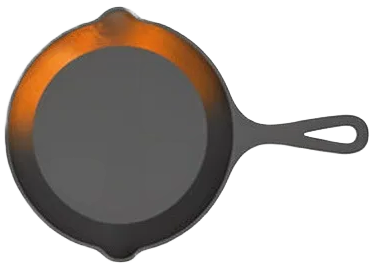
How Do Cast Iron and Enameled Cast Iron Care Methods Differ?
If you’ve ever worried about using the wrong scrub on your enameled pot or seasoning your raw skillet incorrectly, you’re facing a real dilemma. These two kitchen workhorses look similar but require opposite care routines to stay in perfect shape.
From my bench full of both vintage and new pieces, I’ll walk you through the essentials so you can care for each with confidence:
- The critical cleaning differences: when soap is mandatory and when it’s a mistake.
- Why seasoning builds up on cast iron but must be kept off enamel.
- How to repair common damage like rust and chips without causing more harm.
- Simple storage tweaks that prevent long-term problems for both.
Key Takeaways at a Glance
You can treat these two types of cookware like distant cousins. They look similar but have completely different needs. Here is what you must remember.
- Seasoning is a process for bare iron only; the enamel on coated pieces is a permanent, non-stick glass surface.
- Enamel is easily scratched by metal tools, while a well-seasoned bare iron pan can handle them (though I often prefer wood or silicone).
- Daily cleaning for enamel is often as simple as soap and water; for bare iron, it’s typically a quick scrub without soap or with only a mild amount.
- When bare iron gets damaged, you can almost always restore it yourself through re-seasoning; a chip in the enamel often requires professional repair or means the pot is retired from active duty.
- Heating and cooling must be gradual for both, but thermal shock is an instant killer for enamel, often causing it to crack or chip.
The Quick Snapshot: Bare Iron vs. Coated Iron
This table breaks down their core differences. Use it as your cheat sheet before you decide how to care for your pan.
| Feature | Bare Cast Iron | Enameled Cast Iron |
|---|---|---|
| Surface | Porous bare metal | Smooth glass coating fused to iron |
| Seasoning Required | Yes, and constantly maintained | No, the enamel provides the finish |
| Daily Cleaning | Hot water, brush, gentle scrub; towel dry immediately | Soap, water, and sponge are perfectly safe |
| Deep Cleaning | Coarse salt scrub, or re-seasoning for stubborn issues | Baking soda paste for stains; avoid abrasives |
| Common Damage | Rust, flaky or stripped seasoning | Chips, cracks, and staining in the enamel |
| Repair Philosophy | DIY: Strip, scrub, and re-season from scratch | Professional re-enameling is rare; often not cost-effective |
Getting to Know the Two Personalities
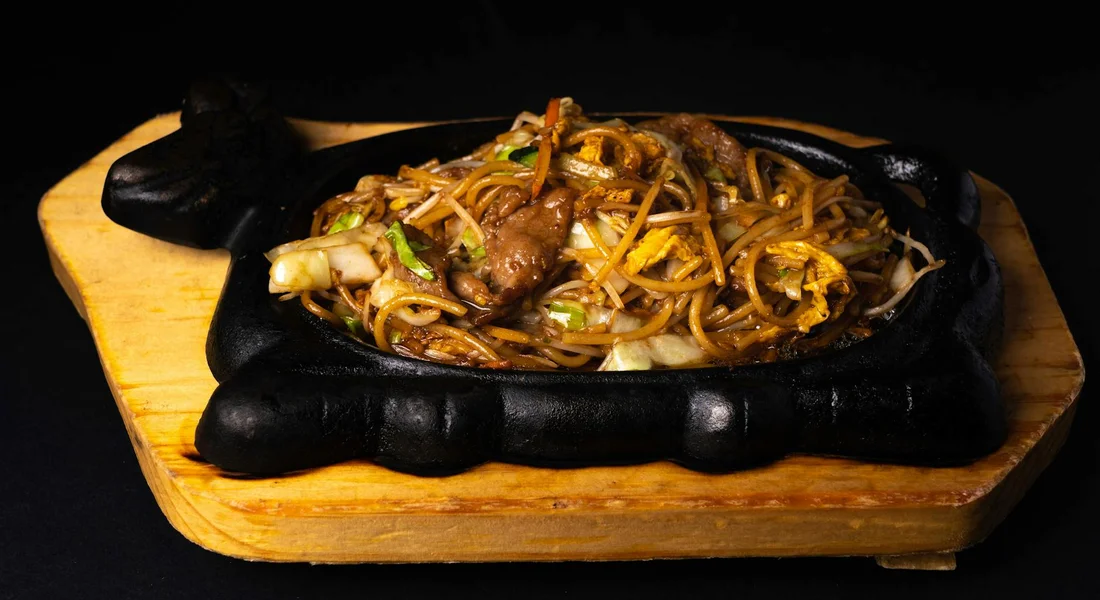
Think of your bare cast iron pan as a piece of unfinished wood. The iron itself is porous and reactive. Left alone, it will rust and food will stick horribly. Your job is to seal and protect it by building up layers of seasoning, which is a coating of polymerized oil you create and maintain yourself. When done well, seasoning creates a natural non-stick surface you can rely on. Proper maintenance will keep that surface smooth and ready for cooking.
Enameled cast iron is that same piece of wood, but now it’s been professionally coated in a thick, glass-like ceramic glaze and fired in a kiln. The factory applied a permanent, non-stick surface. The enamel is like a durable, colored glass coating bonded to the metal. Your job is not to build a new surface, but to protect the one that’s already there. If you want a deeper look at the composition, coatings, and finishes of enameled cast iron, our guide covers it in detail. It also explains how these finishes influence durability and care.
This single difference-a user-maintained oil layer versus a factory-fused glass coating-is the reason their care routines are worlds apart.
What Your Bare Cast Iron Pan Expects From You
Caring for bare iron is an ongoing partnership. The seasoning layer you build improves with careful use. A little carbon here, a perfectly polymerized layer of oil there-it’s a living finish that tells the story of your cooking. Scratches happen, but they’re not the end of the world. You can spot-repair them with a little oil and heat. This resilience means you can use metal spatulas (I do with mine) as long as you’re not aggressively scraping.
You are both the user and the restorer, constantly maintaining and improving its protective skin.
What Your Enameled Pot Expects From You
Your relationship with an enameled piece is one of preservation, not creation. The glossy finish you see is the final product. Care is about preventing chips and cracks in that glass coating, because you cannot re-enamel it at home. It is surprisingly fragile to impacts. Dropping the lid on the pot’s rim or using metal utensils can chip it. Once the iron underneath is exposed, it can rust, and that rust can creep under the surrounding enamel.
Your primary goal is to keep that perfect glass coating intact for its entire lifespan.
The Day-to-Day Care Dialogue
Let’s translate those personalities into your daily routine. Here’s how they differ on common tasks.
Cleaning After Cooking: A Different Mindset
For bare iron, cleaning is a mindful ritual. After cooking, let the pan cool slightly, then use warm water and a gentle brush or sponge. A little modern dish soap is perfectly fine-it won’t hurt your good seasoning. Dry it immediately and thoroughly with a towel. I always finish by putting it on a warm burner for a minute to evaporate any leftover moisture. Then, while it’s still warm, I give it a microscopic wipe with a drop of oil. This maintains the seasoning and prevents rust. For a complete post-use guide on cleaning and storing cast iron, which covers post-use care, seasoning touch-ups, and rust prevention.
This routine of wash, dry, heat, and a tiny bit of oil is the heartbeat of bare cast iron care.
For enameled cast iron, you clean it like your favorite glass baking dish. Use soap, warm water, and non-abrasive sponges. Stuck-on food? Let it soak for a while. The enamel won’t rust, so soaking is safe. This porcelain-coated surface is what makes cleaning straightforward and forgiving. Use a nylon scraper or a paste of baking soda for tough spots. There is no need to dry it aggressively or apply any oil. Just towel it off and put it away.
Heat Management and Cooking
With bare iron, you control the heat environment. Always preheat it gently over low to medium heat. Slamming a cold pan onto high heat can cause thermal shock and lead to warping or cracking. Once it’s heated, it’s incredibly versatile. You can sear on the stovetop and then move the whole pan directly into a hot oven to finish cooking.
Enameled iron requires more heat caution. You should avoid preheating an empty pot on high heat. The intense, direct heat on the glass-coated surface can cause thermal shock and lead to cracking or crazing (tiny hairline fractures). Its superpower is even, steady heat retention, making it ideal for long, slow simmers, braises, and baking bread. You start with low to medium heat and let it come up to temperature with food or liquid inside.
Bare iron rewards gentle preheating and loves high-heat oven transitions, while enamel excels at steady, lower-temperature cooking and can be damaged by empty high-heat preheating. A quick look at cast iron vs enameled cast iron—pros, cons, and uses—follows. This helps you choose the right cookware for your needs.
When Things Go Wrong: The Repair Conversation
The true difference in care shows up when your cookware gets damaged. For bare cast iron, repairs are a restoration project. For enameled cast iron, it’s often a salvage operation. Your approach needs to be completely different, especially when considering cast iron vs enameled cast iron care and maintenance.
Restoring Bare Cast Iron: You Are the Technician
Common problems with bare iron are straightforward: rust, built-up carbonized gunk, or seasoning that’s flaking off. These are all issues you can fix at home with some time and elbow grease. I’ve brought back pans that looked like they belonged in a scrap yard.
The process follows a clear, do-it-yourself path:
- Strip the old seasoning and rust away. You have options here. A yellow-cap oven cleaner spray (the easy-off method) works for baked-on gunk. A diluted vinegar bath tackles light to moderate rust. For serious projects, some folks use an electrolysis tank.
- Scrub the pan clean with steel wool or a stiff brush until you see bare, gray metal.
- Dry it immediately and completely.
- Re-season the pan from scratch, applying thin layers of oil and baking it to build a fresh, protective polymerized coating.
With bare cast iron, you have the power to return it to a like-new, or even better-than-new, state with basic materials. It’s a renewable surface. The pan I use most often is a 90-year-old skillet that’s been stripped and re-seasoned at least three times in its life.
Addressing Enamel Chips and Damage: A Safety First Approach
When people search for enameled cast iron repair chips or how to repair an enameled cast iron sink, they’re usually hoping for a simple fix. The reality requires a safety-first mindset.
A chip or crack in the enamel glass exposes the raw iron underneath. That spot will rust, and the rust can creep under the surrounding enamel, causing more to flake off later.
You must understand this: there is no safe, food-grade, permanent DIY fix for a chip on the cooking surface (the interior) of an enameled pot or skillet. Any epoxy or paint labeled as “food-safe” is only safe for incidental contact, not for the direct, high-heat cooking environment of a Dutch oven or pan. Using such a fix risks chemicals leaching into your food.
For a small chip on the exterior (like on the lid knob or outer wall), a professional ceramic epoxy repair can be a cosmetic option to prevent rust and make it look better. This does not make it safe for cooking surface repairs.
If the cooking surface is chipped, you have three responsible choices:
- Retire the piece from cooking. It can make a beautiful bread bin, a kitchen utensil holder, or even a planter.
- Check the manufacturer’s warranty. Some companies may replace a piece that chips under normal use within a certain timeframe.
- Replace the cookware. Your health is more important than saving a pot.
Storing Your Cookware for Longevity
How you put your pots and pans away matters just as much as how you clean them. The goals differ: prevent rust for bare iron, and prevent chips for enameled.
A common question is whether to store them with the lid on. For bare cast iron, a tight-fitting lid can trap microscopic moisture from the air, leading to surprise rust spots. Instead, store cast iron properly to prevent rust in a dry, well-ventilated spot and avoid sealing it shut. I never store my skillet with its lid sealed shut. Proper storage helps prevent rust damage and preserves seasoning.
For bare iron, place a paper towel or a clean, dry cloth between the pan and its lid to allow airflow, or simply store the lids separately in a dry cabinet.
For enameled cast iron, the enamel itself is the fragile element. The main risk during storage is chipping from impact. Avoid stacking other heavy pots or pans inside an enameled Dutch oven. If you must stack pieces in a cupboard, use soft pan guards or even a folded kitchen towel between them to act as a buffer.
Common Mistakes and How to Avoid Them
Knowing what not to do is just as important as knowing the right steps. These are the most common errors I see, often born from good intentions or simple misunderstandings.
1. Using Metal Utensils on Enamel
This is the quickest way to damage an enameled pot. The hard enamel coating can chip and scratch when scraped with metal forks, spatulas, or whisks. Once the underlying iron is exposed, it can rust. I learned this the hard way with a favorite Dutch oven that now has a small, sad chip on its rim.
What to do instead: Always use wood, silicone, or nylon utensils on enameled surfaces to preserve the glass-like finish.
2. Soaking Bare Cast Iron
Leaving a traditional cast iron skillet or Dutch oven to soak in the sink is an invitation for rust. Water will penetrate the microscopic pores of the seasoning and start oxidizing the iron underneath, leading to reddish spots and a rough texture. There’s a simple truth about water and cast iron: soaking can strip the seasoning and invite rust.
What to do instead: Clean your bare iron promptly after cooking, dry it thoroughly with a towel, and then give it a quick heat dry on the stovetop to remove all moisture.
3. Cleaning Enamel with Abrasive Scrubbers or Powders
Scouring pads like steel wool or abrasive cleansers like baking soda paste (if used aggressively) will scratch the glossy enamel finish. These scratches create a dull, matte surface where food sticks more easily in the future.
What to do instead: For stubborn food residue on enamel, let the pan soak in warm, soapy water, then use a soft nylon brush or a dedicated enamel-safe scrub sponge.
4. Subjecting Enamel to Thermal Shock
Enamel is a type of glass fused to iron. Like a glass baking dish, it can crack if exposed to sudden, extreme temperature changes. Placing a scorching hot enameled pot directly into a sink of cold water is a classic cause of catastrophic cracking or “crazing” (a network of fine cracks).
What to do instead: Always let your enameled cookware cool down to a warm or room temperature before washing it.
5. Storing Either Type While Damp
This mistake hurts both kinds of cookware. For bare iron, it causes rust. For enameled iron, water can get trapped under the rim or lid, potentially causing rust on the uncoated exterior or lip over a long period. That musty smell in a closed cabinet is often a damp lid.
What to do instead: Make sure your cookware is completely, bone-dry before you put it away. For lids, I often leave them sitting separately on the counter for an extra hour to air dry.
6. Overheating an Empty Enameled Pot
Preheating an empty enameled Dutch oven on high heat, especially if it’s dry, can damage the interior coating. The extreme, direct heat can cause the enamel to burn, discolor, or even crack over time.
What to do instead: Preheat enameled cookware gradually over medium heat, and always add a little oil or liquid before cranking the heat up to high.
7. Being Afraid of Soap on Bare Iron
This is an old myth that persists. Modern dish soaps are mild and won’t strip your well-built seasoning. The real enemy of seasoning is abrasive scrubbing and acid, not a drop of Dawn. Avoiding soap can leave a greasy, dirty film on your pan. So, does soap really ruin cast iron seasoning? This long-standing myth is debunked in the next steps.
What to do instead: Use a small amount of mild dish soap with a soft sponge for a thorough clean. It won’t hurt your seasoning, and your pan will be hygienically clean.
Common Questions
Can I get a chipped enameled pot professionally repaired?
True re-enameling is a rare, specialized service often not cost-effective for most cookware. You may find artisans who offer cosmetic epoxy fills for exterior chips to prevent rust, but this does not restore a safe cooking surface. For a chipped interior, replacement is the most responsible course.
Is it safe to cook with enameled cast iron that has a small chip?
No. A chip in the interior cooking surface exposes the raw iron, which will rust, and that rust can spread under the surrounding glass. More critically, there is no food-safe, heat-resistant DIY method to seal it, risking contamination. The piece should be retired from active cooking duty.
Keeping Your Cookware Simple and Strong
Your bare cast iron needs a good layer of seasoning that you build and maintain with oil and heat. For enameled cast iron, your main job is to protect the glass coating by avoiding scratches and sudden temperature changes. I keep both types in my kitchen because they serve different purposes so well—each has its own care requirements and use cases. If you want to extend the life of any pan, look into proper storage methods and how to spot early signs of wear.
Expert Resources and Citations
- r/cookingforbeginners on Reddit: Cast-Iron Maintenance
- Seasoned Cast Iron Cleaning & Care – Lodge Cast Iron
- The Total Guide to Cast Iron Care | MeatEater Wild Foods
- Beginner’s Guide to Cast Iron Cleaning and Care
Joseph Gerald
A material science expert by profession, Joseph is also an avid cook. He combines his 10+ years expertise in material science and metallurgy with his passion for cast iron cookware to bring you best hands on advice. His expertise ranges from types of cast iron cookware to best seasoning tips as well as restoration of vintage cast iron utensils. Joe is here to help you solve all your cast iron cookware queries and questions.