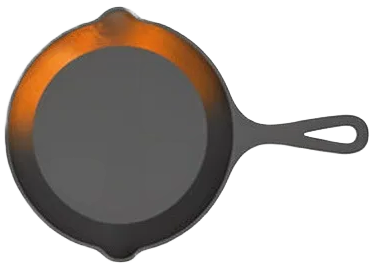
Why Does Cast Iron Hold Heat So Well? A Practical Guide
You’ve felt it yourself: that cast iron skillet stays sizzling-hot long after you turn off the burner, which is fantastic for a perfect sear but can be confusing when you’re trying to manage temperature or wondering how it affects your hard-earned seasoning.
In this guide, I’ll explain the straightforward science in everyday terms and connect it directly to caring for your pan. We’ll cover:
- The simple property of iron that makes it a heat battery.
- How cast iron’s heat retention compares to stainless steel or aluminum.
- Why this matters for your cooking technique and your seasoning’s durability.
The Simple Science of a Cast Iron Skillet’s Heat
I remember finishing a pot of stew in my old Dutch oven, taking it off the burner, and setting it on a trivet. An hour later, when I went to put the leftovers away, the lid was still almost too warm to touch. That pan was holding onto its heat like a champion, acting as a thermal battery for my dinner.
This isn’t kitchen magic. It’s predictable, reliable physics, and understanding it makes you a better cook. Three simple properties work together to give cast iron its famous heat personality: specific heat capacity, density, and thermal conductivity.
What is Specific Heat Capacity and Why Does it Matter?
Think about heating a large, smooth river rock on a campfire. It takes a long time to get hot, right? But once it’s hot, it stays hot enough to warm your hands for ages. Now, imagine heating a thin sheet of aluminum foil. It heats in seconds and cools just as fast.
Cast iron is like that river rock. It has a high specific heat capacity, which is a fancy way of saying it needs a lot of energy to get hot. The upside is that once it’s hot, it holds onto that energy stubbornly, refusing to cool down quickly. This is the direct cause of that satisfying feeling when you add a room-temperature steak to a preheated skillet and hear a fierce, steady sizzle that doesn’t fade. From a thermodynamics perspective, it’s about high heat capacity and slow heat transfer. That combination is why cast iron holds heat so well.
How Density Makes Cast Iron a Heavyweight Heat Champion
Pick up a 12-inch cast iron skillet. Now, imagine picking up a 12-inch thin aluminum skillet. The difference in weight is shocking. Cast iron is dense. A lot of material is packed into that pan’s form.
More mass in the same space means there’s simply more material available to store heat energy. This incredible density is the fundamental reason your skillet feels so substantial and maintains its temperature for so long after you turn off the burner. The heat has a vast reservoir of iron to live in.
Thermal Conductivity: The Secret to Even Heating (and Cooling)
It’s vital to separate heat retention from heat spreading. How fast heat moves through the pan is called thermal conductivity. Copper has very high conductivity, so heat zips across its surface, which can lead to hot spots if you’re not careful.
Cast iron has moderate thermal conductivity. Heat spreads through it steadily, not instantly. This slow, even spread is why a well-preheated cast iron pan develops fewer blazing hot spots. More importantly, this moderate conductivity is what creates that legendary, even cooling, letting food stay warm without burning, long after cooking is done.
How Cast Iron’s Heat Traits Change Your Cooking
These aren’t just science facts. They are the concrete reasons why cast iron behaves the way it does on your stove, transforming your techniques and results.
Why Cast Iron is the King of Searing and Baking
That combination of high heat retention and even spread creates the perfect searing machine. When you lay a cold, wet piece of meat on the surface, the pan’s massive heat reservoir doesn’t crash in temperature. It transfers a huge, steady blast of heat, vaporizing surface moisture instantly for a superior crust.
For baking, the even heat distribution is the star. Whether it’s cornbread or a loaf of Dutch oven bread, the heat surrounds the food consistently, preventing lopsided rising or uneven browning. This stable thermal mass is also what makes moving a skillet from a ripping stovetop sear directly into the oven so effortless and effective. The pan doesn’t flinch at the transition.
The Perfect Match: Skillets, Dutch Ovens, and Steady Heat
The classic skillet design, with its thick, sloped walls and heavy flat bottom, is engineered to maximize contact between its thermal mass and your food. It leverages the material’s properties to deliver intense, consistent surface heat.
A Dutch oven takes a different approach. Its immense mass and snug-fitting lid are designed to trap and recycle heat and moisture. This creates a self-basting environment perfect for braising tough cuts of meat or for deep frying, where maintaining a steady oil temperature is critical. These iconic designs aren’t accidents; they are tools perfectly shaped to leverage the innate thermodynamic character of cast iron.
Cast Iron vs. Other Cookware: A Heat Retention Showdown
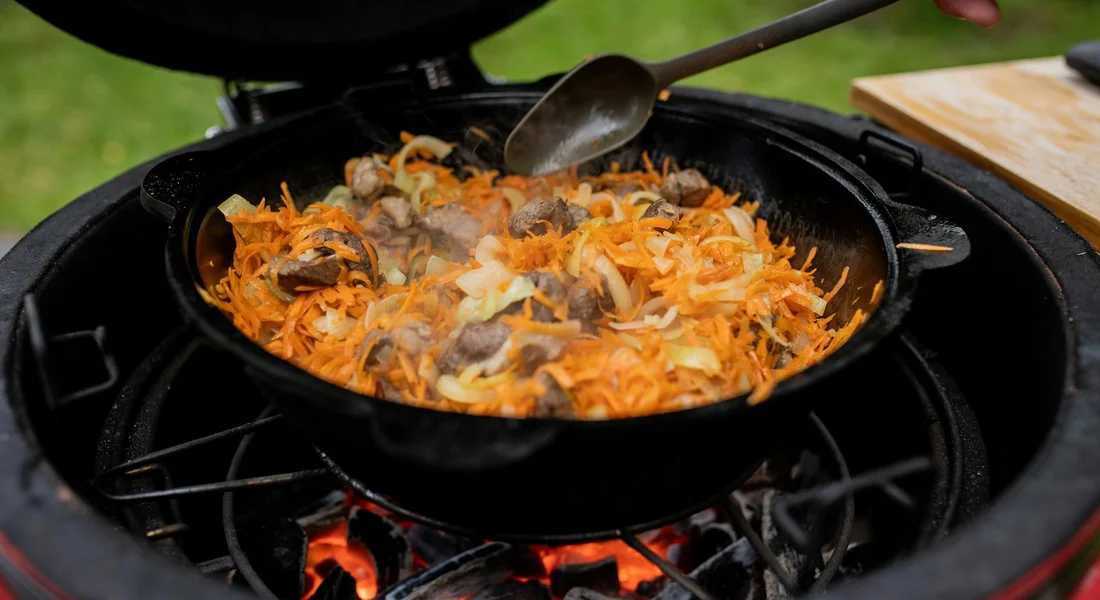
To understand why cast iron acts the way it does, it helps to see it next to the other common players in your kitchen cabinet. Think of it like comparing different types of blankets for different weather.
Cast iron is your heavy wool blanket. It takes a while to warm up, but once it’s hot, it stays that way for a long time. Other metals are like lighter fleece or cotton sheets.
This table shows the key numbers that explain the difference in feel and function. Specific heat capacity is how much energy a material can store. Density is its mass per volume. Thermal conductivity is how fast it moves heat from one spot to another.
| Material | Specific Heat (J/g°C) | Density (g/cm³) | Thermal Conductivity (W/m·K) |
|---|---|---|---|
| Aluminum | 0.90 | 2.7 | ~205 |
| Stainless Steel | 0.50 | 7.9 | ~16 |
| Carbon Steel | 0.46 | 7.8 | ~50 |
| Cast Iron | 0.46 | ~7.2 | ~55 |
Cast iron’s winning combination for heat retention is its relatively high density paired with a low specific heat, which means it can store a lot of thermal energy in its mass without a dramatic temperature drop. This is the ‘thermal mass’ you feel when you lift a heavy, hot pan. From a thermodynamics perspective, that mass enables steady, even heat distribution across the cooking surface. That distribution is why cast iron excels at heat retention and cooking consistency.
Aluminum, Stainless Steel, and Carbon Steel Compared
Let’s break down what those numbers mean for cooking.
Aluminum heats and cools in a flash. Its incredibly high thermal conductivity (over 3 times that of cast iron) means it spreads heat from your burner across the pan almost instantly. But its low density and higher specific heat mean it can’t store much of that heat. It’s perfect for tasks where you need quick, even heat that you can adjust on a dime, like sautéing vegetables. It’s a sprinter, not a long-distance runner.
Stainless steel is often a team player in a clad pan. Pure stainless has low conductivity, which is why high-end pans layer it around an aluminum or copper core. Even then, its heat capacity is lower than cast iron’s. This makes stainless excellent for precise, responsive temperature control, especially for sauces or searing where you need the heat to follow your command immediately.
Carbon steel is cast iron’s closest cousin. Their specific heat and density are nearly identical, which is why a carbon steel pan also retains heat wonderfully. The key difference is that carbon steel is rolled thinner, making it lighter. It heats up faster than cast iron and is more maneuverable, but it can also cool a bit quicker when a cold steak hits it. In my workshop, I think of carbon steel as cast iron’s agile sibling. However, it’s important to know the differences between cast iron and carbon steel to choose the right one for your needs.
Does Your Pan’s Seasoning Affect How it Holds Heat?
This is a fantastic question I hear all the time. People look at that dark, slick surface and wonder if it’s acting like a thermal blanket.
Let me put your mind at ease. A well-polymerized seasoning layer is not a thick coat of paint. It’s an incredibly thin, hard layer of carbonized oil fused to the iron. We’re talking microns thin, much thinner than a sheet of paper.
This ultra-thin layer of seasoning is far too minuscule to meaningfully change the fundamental way your pan stores or moves heat. The heavy iron underneath is still doing all the thermodynamic work.
I’ve restored hundreds of pans, from bare, stripped iron to ones with decades of built-up seasoning. The way they hold and distribute heat feels identical when the base metal is the same thickness. The seasoning’s real job is protection. It stops rust by sealing the porous iron from moisture and, over time, builds that coveted natural non-stick surface. The chemistry at play is the seasoning oils polymerizing into a durable, non-stick matrix. Think of it as a super-tough, non-stick skin, not an insulating winter coat.
Tools to Measure and Maintain Your Pan’s Heat Performance
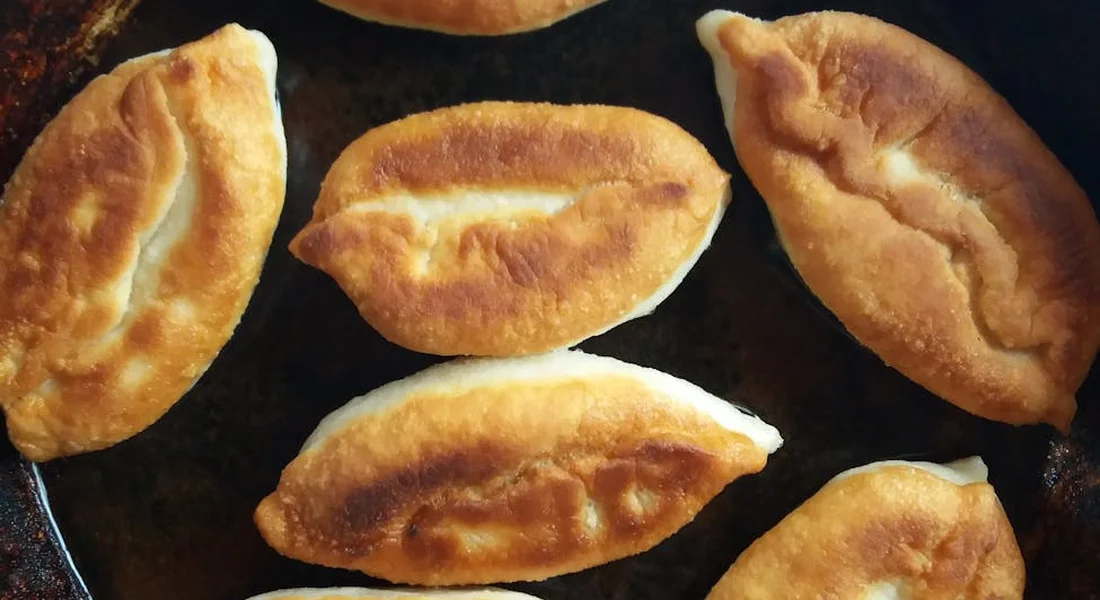
Your pan’s ability to hold onto heat is a superpower, but like any tool, it works best when you understand how to manage it. This isn’t just about physics, it’s about practical care. A pan that is warped or has a patchy, flaky seasoning layer will not transfer or retain heat as evenly as it should. Proper maintenance is the foundation of performance.
A few simple tools can bridge the gap between the science of heat retention and the art of cooking with it. They help you work with your pan’s nature, not against it.
Required Materials for Heat Management
Think of these as the essential gear for your heat-management toolkit. You probably have some already.
- A good, heavy-duty oven mitt or handle cloth: This is non-negotiable. Because cast iron holds heat so long, the handle stays dangerously hot for many minutes after you take the pan off the burner. I keep a thick, woven cotton handle sleeve on my favorite skillet at all times. A flimsy mitt won’t protect you from that deep, lingering heat.
- An infrared thermometer: This is the single best tool for preventing mistakes. You can stop guessing if your pan is “hot enough.” Point it at the cooking surface to get a precise temperature reading before you add oil or food. This lets you heat the pan gradually to the exact right temp, which protects your seasoning from thermal shock and prevents smoking oil.
- Gradual heat sources: This is more of a technique than a tool, but it’s critical. Never crank an electric coil or gas burner to high immediately under a cold pan. Cast iron heats slowly, and slamming it with intense, localized heat can cause the metal to expand unevenly and warp over time. Always start on low to medium-low and give it a solid 5-10 minutes to warm up evenly.
Recommended Products for Maximizing Heat Benefits
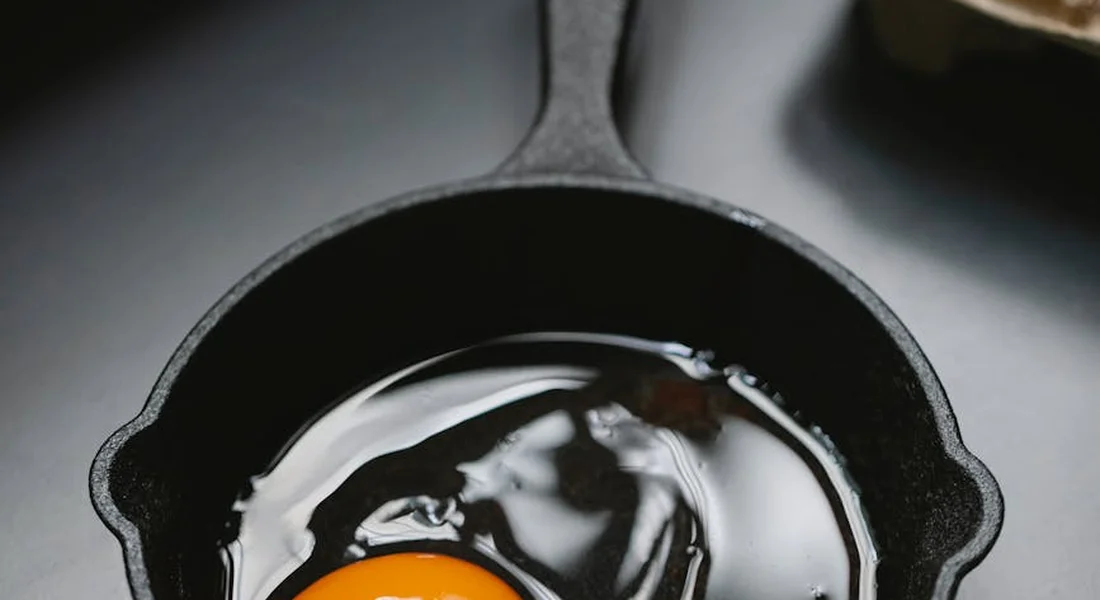
Once you have the basics, certain products can help you leverage that famous heat retention for even better results. These categories are designed to complement what your cast iron already does well, especially considering how cast iron heat retention affects your cooking.
- Infrared Laser Thermometers: I mentioned this as a required tool, but it deserves a second highlight. For searing steaks or making smashburgers, knowing your pan surface is precisely 450°F (230°C) changes everything. It takes the mystery out and delivers consistent, perfect results every time.
- Heat Diffuser Plates: If you cook on an electric stovetop with those thin, exposed coils, a diffuser plate is a wise investment. It sits between the coil and your pan, spreading the intense point heat into a more gentle, even blanket of warmth. This mimics the even heating of a gas flame or heavy-duty burner and further protects your pan from hot spots that can lead to warping.
- Dutch Ovens with Tight-Fitting Lids: This is where heat retention truly shines. A cast iron Dutch oven captures all the heat from your oven or stovetop and holds it steadily around your food. A heavy, well-fitted lid seals in moisture and temperature, making it ideal for no-knead bread, braised meats, and deep-frying. The lid essentially creates a small, self-contained oven with incredibly stable heat, which is exactly what those long-cooking techniques need.
Common Mistakes and How to Avoid Them
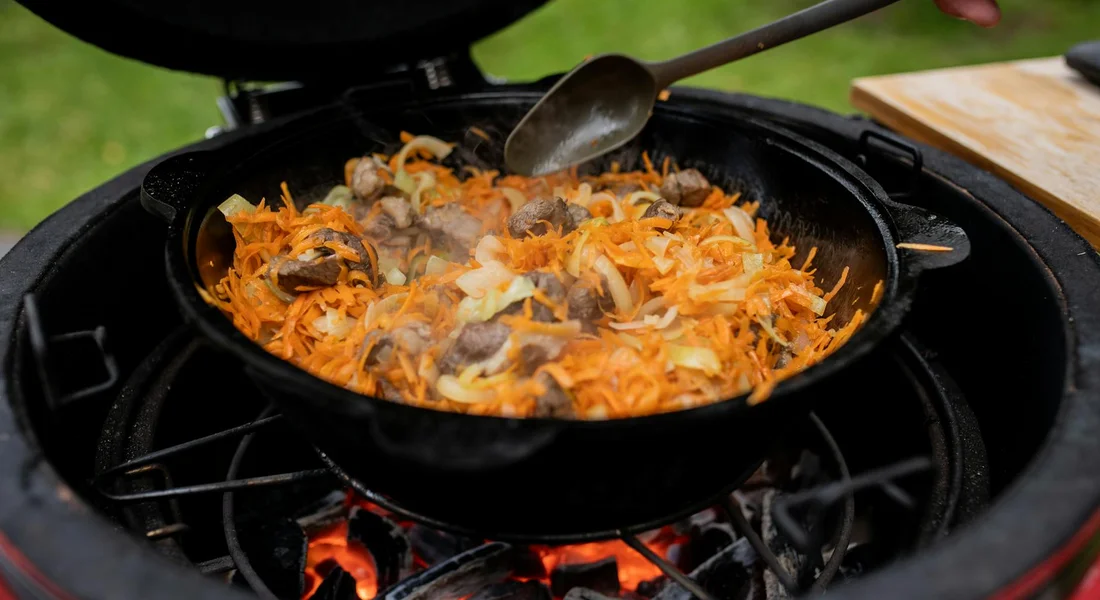
Cast iron’s incredible heat retention is a superpower, but it comes with a few quirks. Treating it like a lightweight aluminum pan is a sure way to run into problems. Here are the errors that work against its nature and how to steer clear of them.
Heating Too Fast
This is the most common and damaging mistake. Cast iron heats evenly but slowly. Cranking your burner to high right away doesn’t make the pan heat up faster, it just makes the spot directly over the flame get dangerously hot while the rest of the pan is still cold.
This uneven, rapid expansion is called thermal shock. It can cause a permanent crack or, more commonly, a subtle warp that makes your pan rock on a flat surface.
Always warm your pan gradually, starting on low to medium-low heat for at least 5 minutes before increasing the temperature.
Think of it like warming up for a run. You wouldn’t sprint first. Give the entire mass of iron time to catch up.
Expecting Instant Temperature Changes
That same mass that holds heat so well also means it’s slow to respond when you want to cool it down or heat it up further. You can’t quickly lower the heat to stop something from burning like you can with other metals.
The pan will stay hot and keep cooking.
Plan for a longer pre-heat and a much longer cooldown. To adjust temperature, move the pan to a different burner or off the heat entirely and give it a minute to respond.
This is why cast iron is perfect for searing and then finishing in the oven. It doesn’t lose heat when you open the door.
Using a Warped Pan on a Flat Cooktop
A warped pan, one that rocks or spins on a glass stovetop, has lost its fundamental job. The warp creates an air gap between the pan and the burner.
Air is a terrible conductor of heat. That gap cripples the transfer of energy from your stove into the pan, making heating uneven and inefficient. Your burner works overtime while your food cooks poorly.
Warping is almost always caused by the two mistakes above: rapid heating or quenching a hot pan in cold water.
If your pan is warped, it’s best used on a gas burner or over campfire coals where the flames can contact the curved surface. On a flat cooktop, a warped pan will frustrate you.
I have a once-warped skillet I use only for outdoor cooking. It serves as my permanent reminder to be patient with heat.
Neglecting the Seasoning
While a layer of seasoning doesn’t change the fundamental thermodynamics of the iron, letting it degrade ruins the experience that the heat retention enables.
A rough, patchy, or rusty surface increases sticking. So, even though your pan has perfect, even heat, your steak might fuse to a bare spot. You also lose the protective barrier that stops rust, which can literally eat away at your cookware over time.
A well-maintained seasoning is the non-stick surface that lets you fully utilize the even, steady heat cast iron provides.
It’s the final, crucial piece that makes the physics work for you in the kitchen, not against you.
Common Questions
Can the seasoning on my pan change how it holds heat?
No. A proper seasoning layer is microscopically thin and does not act as insulation. The heavy iron underneath is solely responsible for the pan’s heat retention. The seasoning’s job is to protect the iron from rust and provide a natural non-stick surface.
How does cast iron’s heat retention affect my daily care and maintenance?
It demands patience. Always preheat on low to medium-low to avoid thermal shock and warping. Remember that the pan stays hot long after cooking, so allow it to cool completely on the stove before cleaning or seasoning.
Why are skillets and Dutch ovens the classic forms, and does care differ?
Their shapes leverage cast iron’s thermal mass-skillets for direct searing, Dutch ovens for trapped, moist heat. Care is identical: gentle heating, thorough drying, and a thin coat of oil after each use. The main difference is ensuring the Dutch oven lid’s sealing surface stays seasoned and rust-free, especially when using it for slow-cooked meals.
Using Cast Iron’s Heat to Your Advantage
The best way to honor cast iron’s heat-holding power is to preheat it gently, giving that dense metal time to warm uniformly across the entire cooking surface. I always do this with my own skillets, and it turns that inherent thermal mass into your greatest ally for steady, controllable cooking. If you’re curious how a well-kept seasoning layer interacts with this heat, our guides on building and maintaining your pan’s finish offer the next step.
Expert Resources and Citations
- Heat retention myths and facts: Does cast iron hold heat better than clad? Is clad better than disc-base at retaining heat longer?
- r/AskCulinary on Reddit: What do people mean when they say “Cast iron stores more heat”?
- The Science of Cast Iron: Why It’s the Best Cookware for Heat Retention and Even Cooking
- How to Use Cast Iron Over Any Heat Source – Lodge Cast Iron
- Heat distribution | Cast Iron Collector Forums
Joseph Gerald
A material science expert by profession, Joseph is also an avid cook. He combines his 10+ years expertise in material science and metallurgy with his passion for cast iron cookware to bring you best hands on advice. His expertise ranges from types of cast iron cookware to best seasoning tips as well as restoration of vintage cast iron utensils. Joe is here to help you solve all your cast iron cookware queries and questions.